Understanding Tractor-Trailer Crashes on I-75 in Miami-Dade County
A tractor-trailer crash on I-75 in Miami-Dade County typically involves high-speed impacts, complex multi-vehicle chain reactions, and significant jurisdictional oversight by the Florida Highway Patrol (FHP). Due to the heavy commercia...
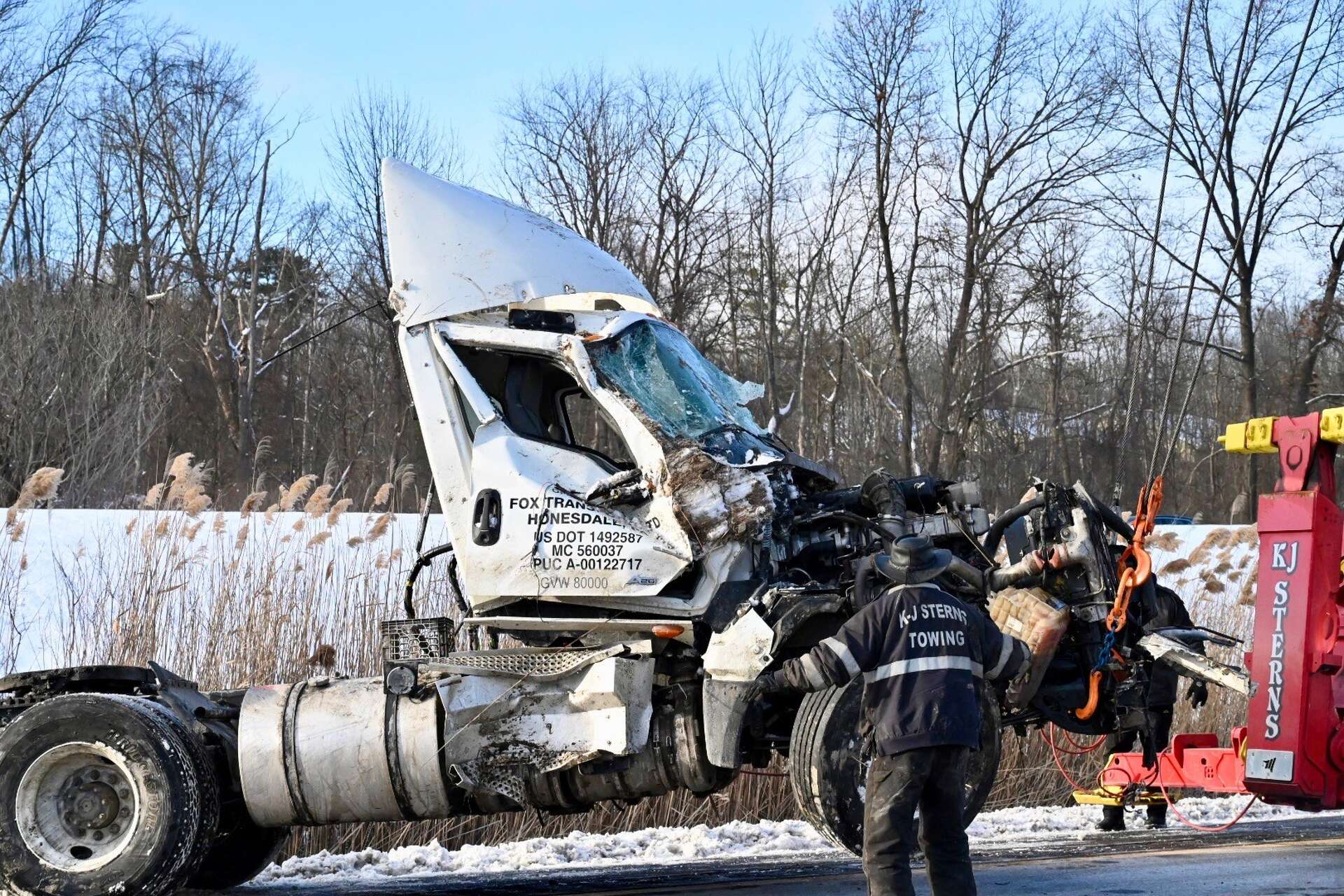
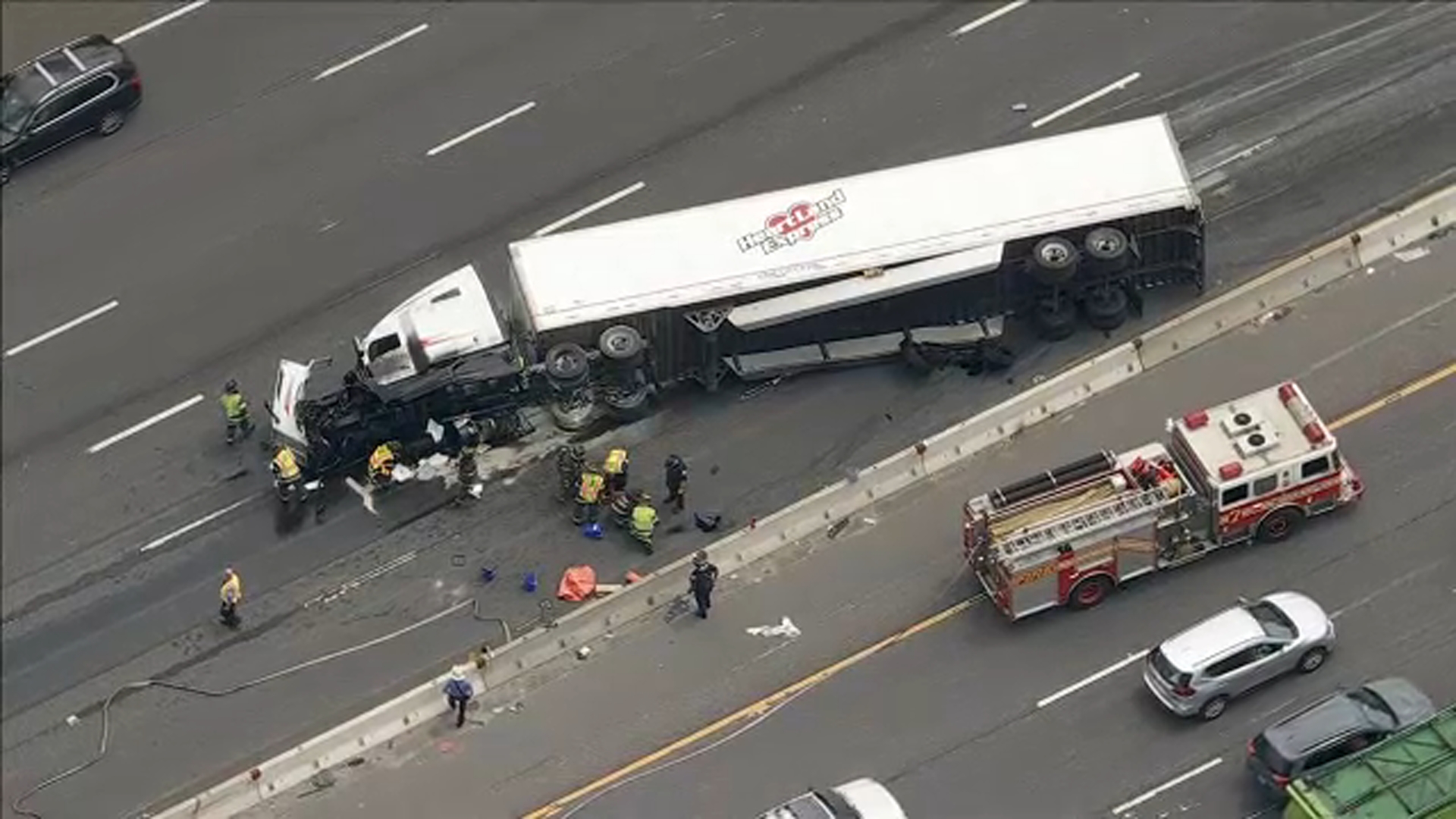
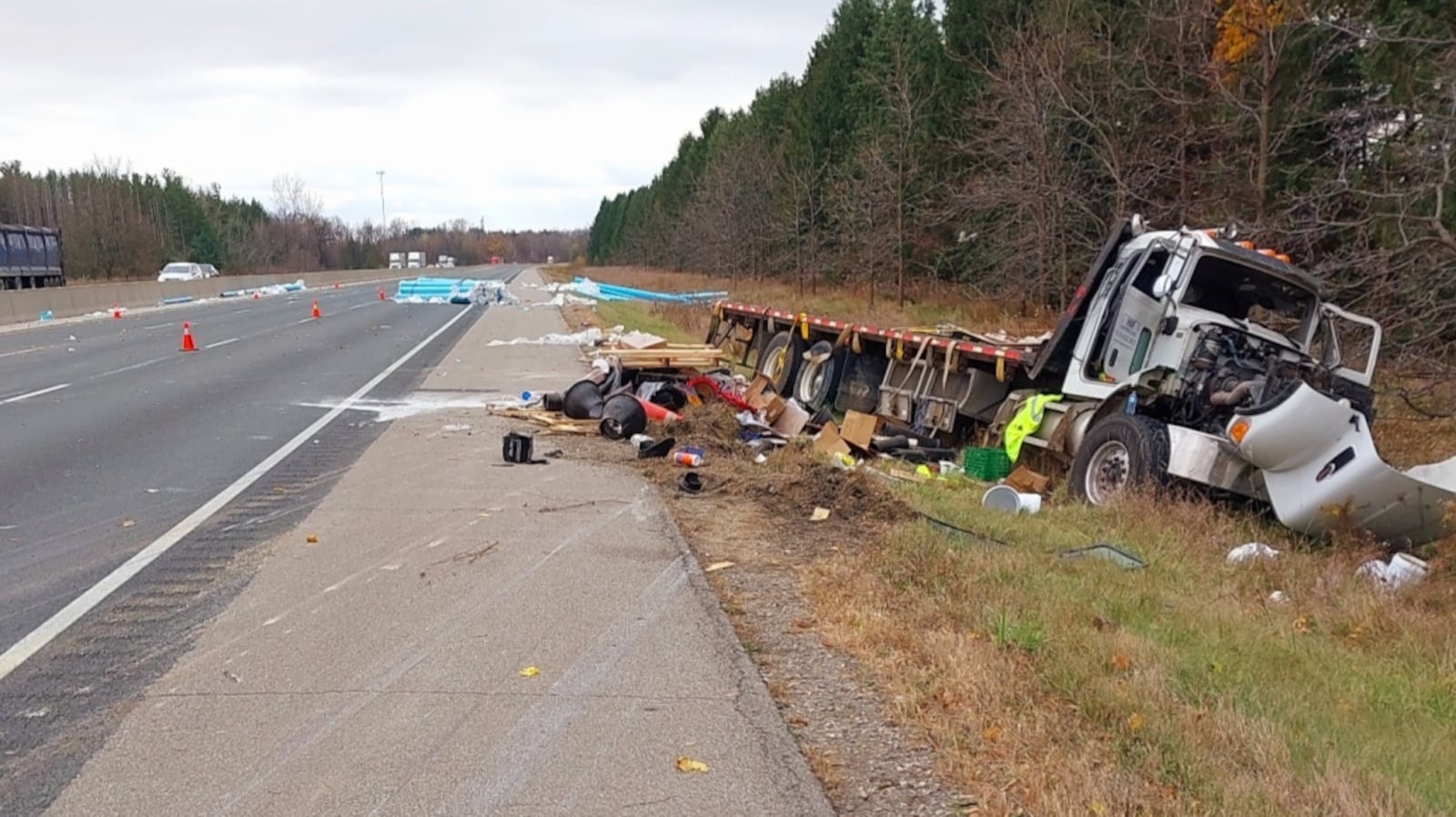
A tractor-trailer crash on I-75 in Miami-Dade County typically involves high-speed impacts, complex multi-vehicle chain reactions, and significant jurisdictional oversight by the Florida Highway Patrol (FHP). Due to the heavy commercial freight volume moving toward PortMiami and the Palmetto Expressway, these incidents require immediate medical intervention, forensic evidence preservation, and an understanding of both federal trucking regulations and Florida’s specific motor vehicle statutes.
Contents
The stretch of Interstate 75 that cuts through Miami-Dade County serves as a primary artery for commercial logistics, connecting South Florida to the rest of the Gulf Coast and the northern United States. When a commercial vehicle—variously known as a semi-truck, big rig, or 18-wheeler—is involved in a collision here, the consequences are rarely minor. The sheer mass of a fully loaded tractor-trailer, which can weigh up to 80,000 pounds, creates a kinetic force that passenger vehicles are not designed to withstand.
The High-Risk Geography of I-75 in Miami-Dade
The northern portion of Miami-Dade County, particularly where I-75 meets the Palmetto Expressway (SR 826) and the Florida Turnpike, is one of the most congested freight corridors in the state. This area is characterized by heavy merges, rapid speed fluctuations, and a high density of logistics hubs in cities like Hialeah and Miami Lakes.
Several factors make this specific stretch prone to tractor-trailer accidents:
- Interchange Complexity: The "Golden Glades" might be further east, but the I-75/Palmetto interchange requires drivers to make quick lane changes, which is difficult for a vehicle with significant blind spots (no-zones).
- Commuter-Commercial Mix: I-75 carries a volatile mix of heavy commercial haulers and aggressive daily commuters. This friction often leads to "underride" or "override" accidents when sudden braking occurs.
- Weather Volatility: In 2026, as in previous years, South Florida’s flash thunderstorms remain a primary catalyst for jackknife accidents. Hydroplaning on I-75 is a common cause for drivers losing control of their trailers.
Immediate Protocols Following a Collision
If you are involved in or witness a tractor-trailer crash on I-75, the first sixty minutes are critical for safety and legal integrity. The Florida Highway Patrol (FHP) generally maintains jurisdiction over interstate accidents in Miami-Dade, though local departments like Miami-Dade Police may assist with traffic diversions.
1. Safety and Emergency Response
The primary priority is the preservation of life. Tractor-trailer accidents often result in hazardous material (HAZMAT) spills or fuel leaks. If it is safe to do so, move your vehicle to the shoulder, but be aware that exiting a vehicle on the I-75 mainline is extremely dangerous due to high-speed traffic. Emergency services in Miami-Dade are equipped with specialized heavy-rescue units for these scenarios.
2. Evidence Collection at the Scene
Unlike standard passenger car accidents, commercial crashes involve data points that can disappear quickly.
- Dashcam Footage: Many commercial rigs are equipped with outward-facing and driver-facing cameras.
- Electronic Logging Device (ELD) Data: Federal law requires drivers to record their hours of service electronically. This data is vital for determining if driver fatigue was a factor.
- The Black Box (ECM): The Engine Control Module records speed, braking patterns, and throttle position at the moment of impact.
Legal Framework for Commercial Vehicle Accidents in Florida
Navigating the aftermath of a truck accident in Miami-Dade requires an understanding of Florida’s evolving tort environment. As of 2026, Florida follows a modified comparative negligence system. This means that if a plaintiff is found to be more than 50% at fault for the accident, they are barred from recovering any damages from other parties.
Federal Motor Carrier Safety Administration (FMCSA) Regulations
Trucking companies operating on I-75 must adhere to strict federal guidelines. A violation of these rules often serves as the "smoking gun" in liability claims. Key regulations include:
- Hours of Service (HOS): Limits on how long a driver can be behind the wheel without a mandatory rest break.
- Maintenance Schedules: Requirements for regular inspections of brakes, tires, and coupling devices.
- Weight Limits: Ensuring the trailer is not overloaded, which significantly increases stopping distances.
The Role of Vicarious Liability
In many I-75 crashes, the driver may not be the only liable party. Under the doctrine of respondeat superior, the trucking company (the employer) can be held liable for the negligent actions of their driver. Furthermore, if the crash was caused by an improperly loaded trailer, the shipping company or the third-party loading facility in Miami-Dade may also bear responsibility.
Technical Analysis of Semi-Truck Collisions
To understand why these crashes occur on I-75, we must look at the mechanical and physiological factors involved. Trucking accidents are rarely the result of a single error; they are usually the culmination of several system failures.
| Factor | Description | Impact on Accident Severity |
|---|---|---|
| Braking Distance | A loaded semi-truck requires the length of nearly two football fields to stop from 65 mph. | High-speed rear-end collisions are common during I-75 traffic jams. |
| Jackknifing | Occurs when the drive wheels of the tractor lock, causing the trailer to swing forward. | Often blocks all lanes of I-75, leading to secondary "rubbernecking" crashes. |
| Underride Accidents | When a smaller vehicle slides beneath the rear or side of a trailer. | High fatality rates due to the failure of passenger vehicle safety cages. |
| Cargo Shifting | Poorly secured freight moves during a turn or lane change. | Causes the trailer to tip (rollover), particularly on curved on-ramps. |
Insurance Considerations and Commercial Policy Limits
Insurance for tractor-trailers is significantly different from personal auto insurance. Under Florida Statute § 627.7415, commercial motor vehicles must carry much higher liability limits. Depending on the weight of the vehicle and the materials being transported, these policies often range from $750,000 to over $5,000,000.
However, recovering these funds is difficult. Trucking companies often dispatch "Rapid Response Teams" to the scene of an I-75 crash within hours. these teams consist of investigators and adjusters whose goal is to minimize the company's liability by securing evidence that favors their driver. This is why immediate legal representation or independent documentation is essential for victims.
Common Obstacles in I-75 Crash Investigations
Miami-Dade County presents unique challenges for accident reconstructionists. The high volume of traffic means that skid marks and debris are often cleared or run over by thousands of other vehicles shortly after the scene is opened.
Furthermore, the "Alligator Alley" portion of I-75, which begins just northwest of Miami-Dade, lacks the dense surveillance camera network found in the urban core. If an accident occurs near the Broward/Miami-Dade line, investigators must rely heavily on the truck’s internal GPS and telematics data to reconstruct the sequence of events leading to the collision.
The Importance of the "Letter of Spoliation"
In the legal process, a Letter of Spoliation is a formal notice sent to the trucking company demanding that they preserve all evidence related to the crash. In 2026, this includes not just the physical truck parts, but also the driver's mobile phone records (to check for distracted driving) and the company’s internal communication logs (to see if the driver was being pressured to exceed HOS limits).
Frequently Asked Questions
What should I do if the truck driver's company contacts me after a crash on I-75?
You should avoid giving a recorded statement or signing any documents without consulting a professional. Insurance adjusters for trucking firms are trained to elicit statements that may imply you were partially at fault, which could trigger Florida's 50% bar rule under modified comparative negligence.
How is fault determined if multiple vehicles were involved in a chain reaction?
Fault is determined through a combination of police reports, witness testimony, and accident reconstruction. In many I-75 crashes, the "lead" vehicle that caused the first impact is held primarily liable, but secondary drivers can also be found partially negligent if they were following too closely or speeding.
What is the statute of limitations for a truck accident claim in Florida in 2026?
Following the 2023 legislative reforms, the statute of limitations for most negligence claims in Florida, including tractor-trailer crashes, is two years from the date of the accident. It is crucial to file within this window to preserve your right to compensation.
Does the Florida "No-Fault" law apply to tractor-trailer accidents?
Florida’s Personal Injury Protection (PIP) applies to your initial medical bills (up to $10,000), regardless of fault. However, because truck accidents usually result in "serious injuries" as defined by state law, you are typically permitted to step outside the no-fault system and pursue a liability claim against the trucking company for the full extent of your damages.
Can I sue the manufacturer if a mechanical failure caused the crash?
Yes. If the accident on I-75 was caused by a tire blowout, brake failure, or a defective coupling device, you may have a product liability claim against the manufacturer of that specific part. These cases are highly technical and require expert testimony from mechanical engineers.
Moving Forward After a Collision
Recovering from a tractor-trailer crash on I-75 involves more than just physical healing; it requires a meticulous approach to administrative and legal requirements. Ensure you have obtained the FHP crash report number and seek a full medical evaluation, even if injuries seem minor at first, as internal trauma from high-mass collisions often has a delayed onset.
For those managing the logistics or insurance side of a crash, prioritizing the retrieval of the truck's ECM data and the driver’s Qualification File (DQF) is the most effective way to ensure an accurate portrayal of the incident. In the high-stakes environment of Miami-Dade’s transit corridors, data and documentation are the only reliable paths to a fair resolution.
Image Gallery