Comprehensive Guide to Renting a Water Leak Detector in 2026
Renting a water leak detector allows homeowners and property managers to access professional-grade diagnostic technology without the high cost of ownership. In 2026, most major tool rental centers offer acoustic sensors, thermal imagin...
Renting a water leak detector allows homeowners and property managers to access professional-grade diagnostic technology without the high cost of ownership. In 2026, most major tool rental centers offer acoustic sensors, thermal imaging cameras, and moisture meters for daily rates ranging from $50 to $185, providing a non-invasive way to pinpoint hidden pipe failures or structural intrusions.
Contents
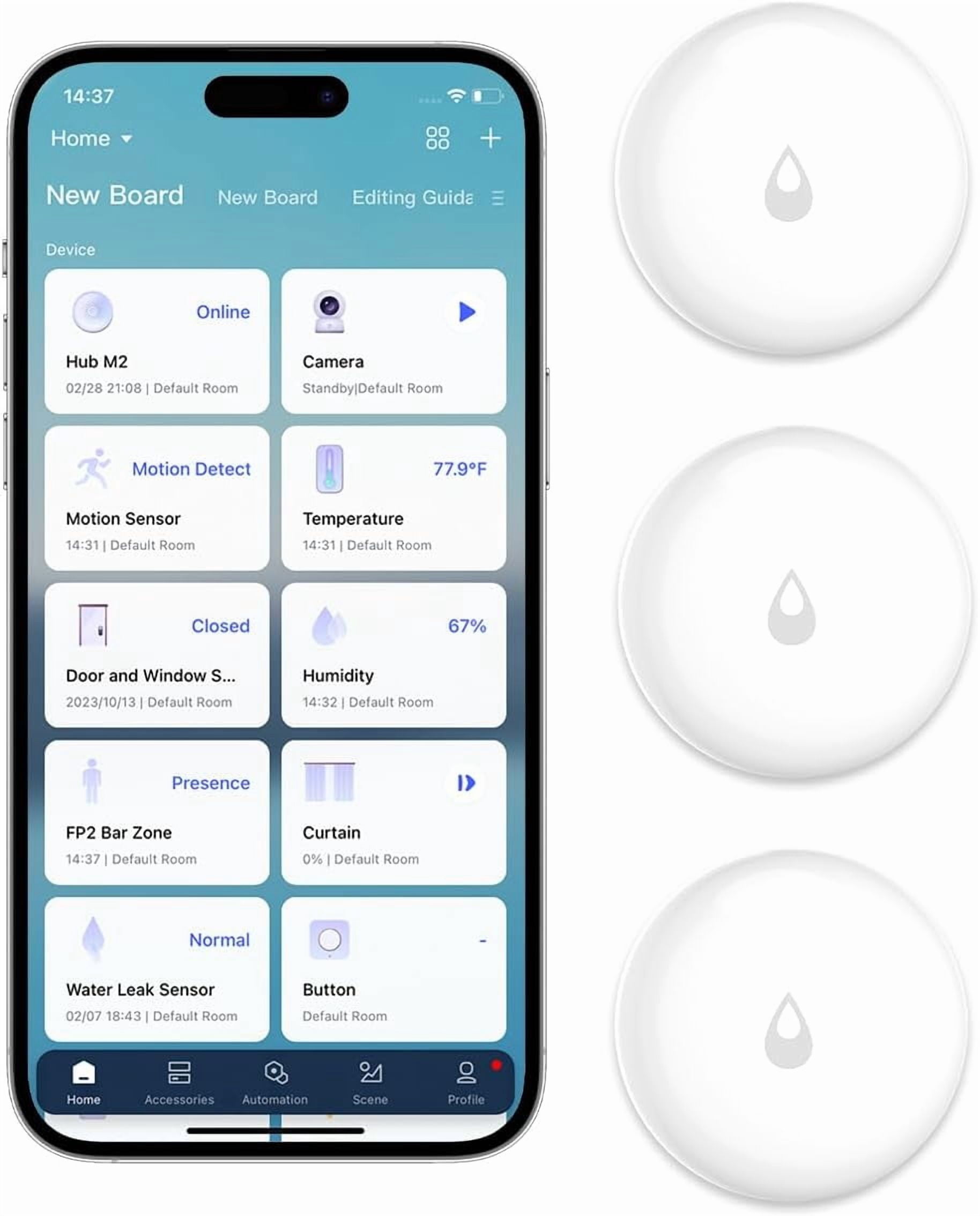
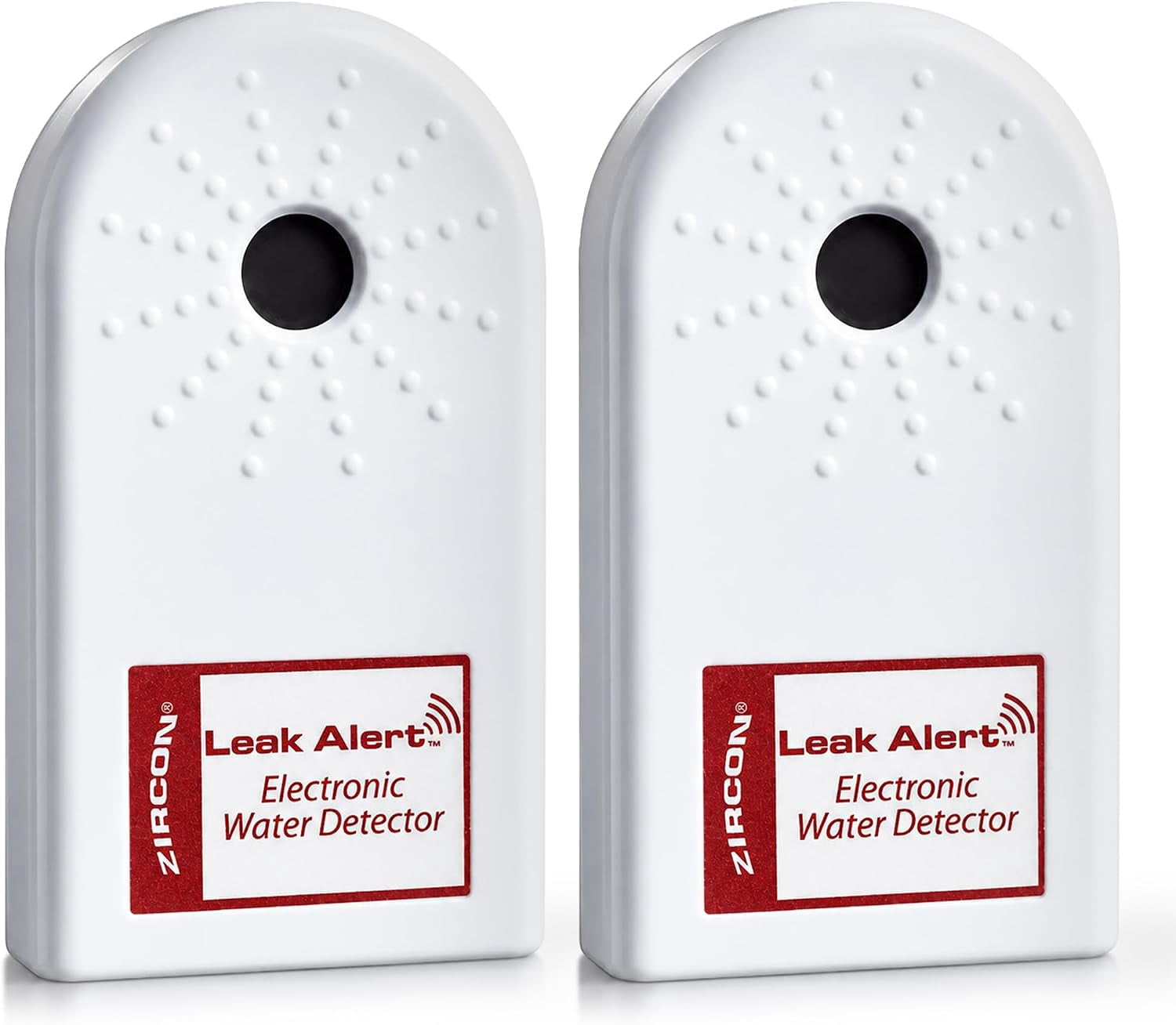
Water damage remains one of the most expensive risks to property, often beginning as a silent pinhole leak behind a wall or under a concrete slab. While consumer-grade smart home sensors can alert you that a leak exists, they rarely tell you exactly where it is. This is where professional-grade detection equipment becomes essential. By opting for a rental, you can utilize specialized gear—such as ground microphones or high-resolution infrared cameras—that would otherwise cost thousands of dollars to purchase.
Why Renting a Water Leak Detector is Preferable to Buying
For the vast majority of users, the need for a high-end leak detector is a "once-every-five-years" event. Professional equipment requires regular calibration and battery maintenance, which makes ownership burdensome for non-professionals.
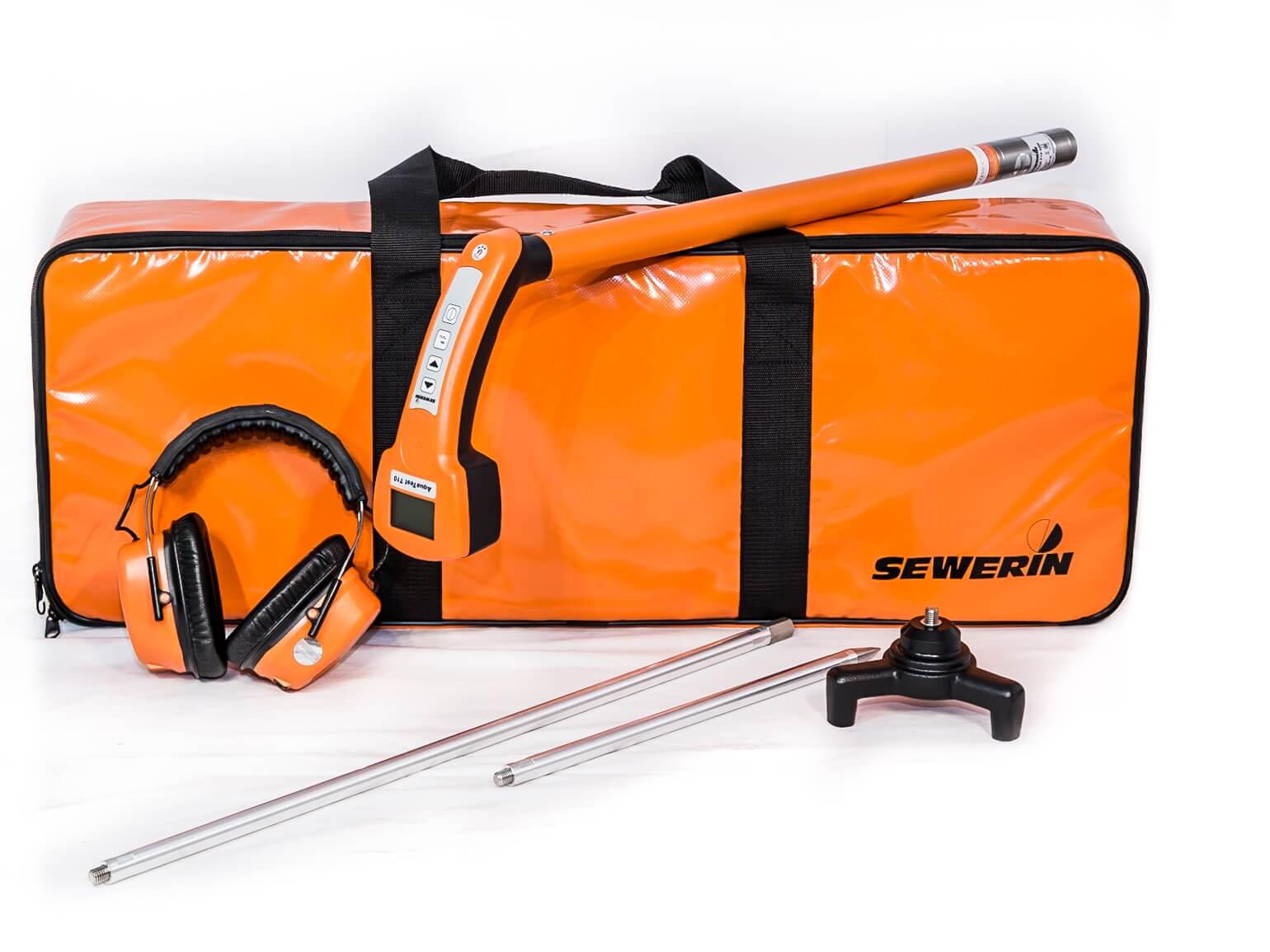
- Cost-Efficiency: A professional-grade acoustic leak locator from brands like Fisher or Sewerin can cost between $2,500 and $5,000. Renting that same unit for a 24-hour window usually costs less than 3% of the purchase price.
- Access to Latest Technology: Rental inventories in 2026 are frequently updated. By renting, you ensure you are using the most current sensors with the best noise-filtering algorithms, rather than owning an aging device with outdated firmware.
- Zero Maintenance: Sensitive transducers and infrared sensors degrade over time if not stored in climate-controlled environments. Rental agencies handle the maintenance, ensuring the tool is accurate the moment you pick it up.
Types of Water Leak Detection Equipment Available for Rent
Before heading to a rental center, you must understand the specific technology required for your situation. Not all leak detectors work on the same principles; using an acoustic probe on a non-pressurized drain line, for example, will yield no results.
Acoustic Leak Detectors
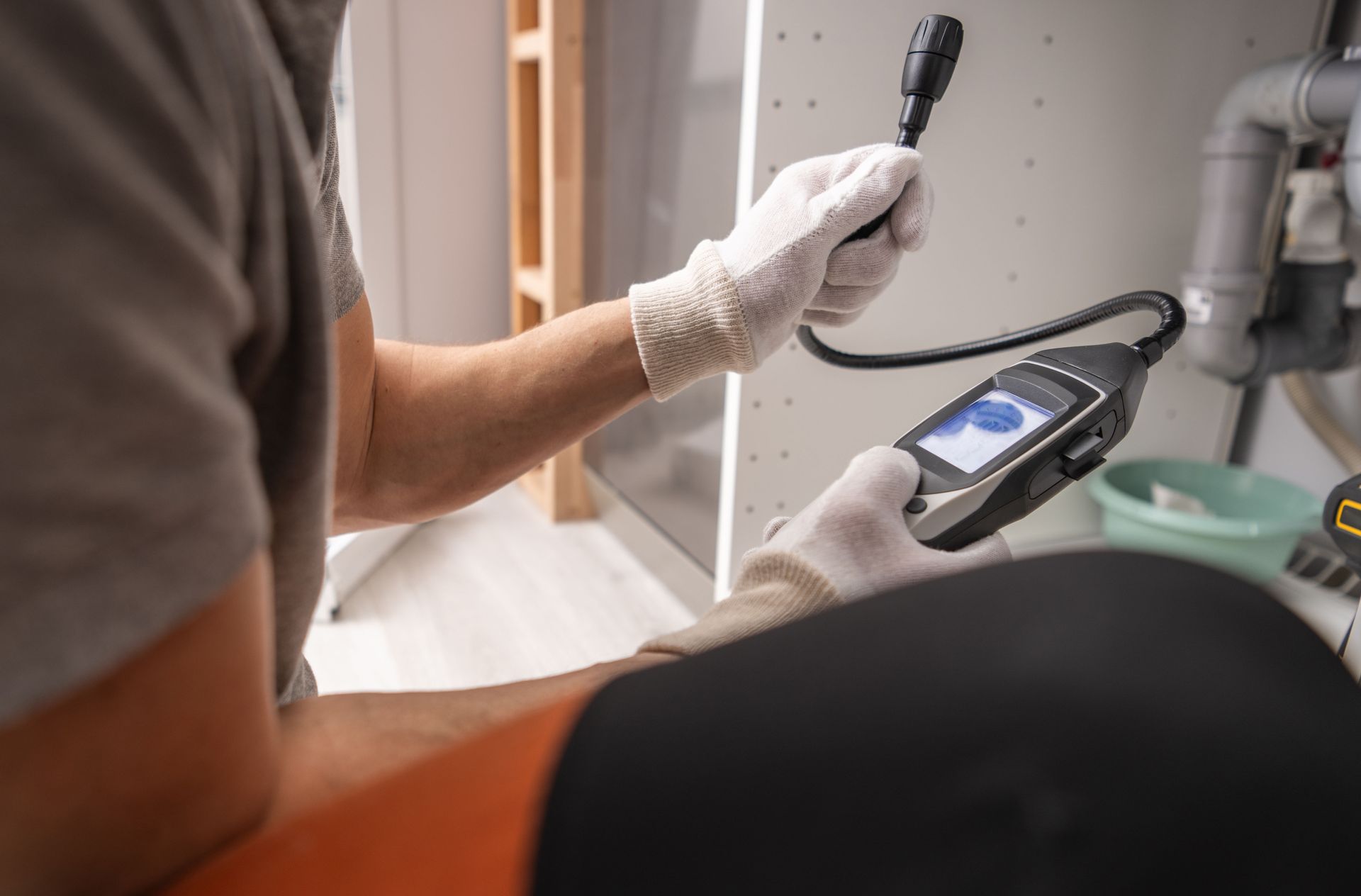
These are the industry standard for pressurized water lines. They work by amplifying the sound of water escaping a pipe. Under pressure, even a small hole creates a distinct "hiss" or "whoosh" sound.
- Ground Microphones: Used primarily for slab leaks or underground pipes. They filter out ambient noise (like wind or traffic) to focus on the frequency of vibrating soil or concrete.
- Electronic Listening Sticks: Best for contact points like valves, meters, or faucets.
Thermal Imaging (Infrared) Cameras
Thermal cameras do not "see" water; rather, they see the temperature differential caused by moisture. Evaporating water cools the surrounding material, which appears as a dark "cold spot" on the camera's display.
- Best For: Finding leaks behind drywall, under hardwood floors, or in ceiling cavities where the pipe itself is inaccessible.
- Limitation: They require a temperature difference between the leaking water and the building material. If the water has reached thermal equilibrium with the room, the leak may be invisible to the camera.
Moisture Meters
These are often rented alongside more advanced detectors to confirm findings.
- Pin-type Meters: Use electrodes to measure electrical resistance between two points; they are invasive but highly accurate for wood and drywall.
- Pinless (Non-destructive) Meters: Use capacitance to "scan" a surface. These are ideal for checking expensive finishes like tile or stone without leaving holes.
2026 Rental Costs and Provider Comparison
The rental market has stabilized in 2026, with most national chains offering online booking and local pickup. Prices vary based on the technical complexity of the tool.
| Equipment Type | Typical Daily Rate | Best Use Case | Technical Difficulty |
|---|---|---|---|
| Acoustic Ground Mic | $125 - $185 | Underground or slab leaks | High (Requires quiet) |
| Infrared (FLIR) Camera | $75 - $110 | Wall, ceiling, or roof leaks | Medium |
| Pinless Moisture Meter | $45 - $65 | Mapping moisture spread | Low |
| Ultrasonic Leak Det. | $90 - $130 | Pinpointing tiny air/water leaks | Medium |
Nationwide providers such as Sunbelt Rentals and United Rentals typically carry heavy-duty acoustic equipment. Retail-oriented centers like The Home Depot Rental or Lowe’s are excellent sources for thermal cameras and moisture meters. Local independent "Tool Cribs" often provide more hands-on instruction for first-time users, which can be invaluable for complex acoustic gear.
How to Choose the Right Tool for Your Project
Selecting the wrong tool is the most common reason for failed DIY leak detection. To choose correctly, identify the medium and the environment.
- Is the pipe pressurized? If you suspect a leak in the main supply line or a branch line before the faucet, use an acoustic detector. The pressure creates the sound necessary for the tool to work.
- Is it a drainage or sewage issue? Since drain lines are rarely under pressure, acoustic tools are useless. Instead, rent a sewer camera (borescope) or a thermal camera to look for moisture patterns on the exterior of the pipe.
- Is the leak under concrete? You will specifically need a ground microphone with a concrete probe. Standard microphones will pick up too much surface echo.
- Is the leak behind a finished wall? A thermal imaging camera is the best first step. It allows you to "see" the plume of moisture moving down the wall studs without cutting any holes.
Step-by-Step Guide to Using a Rented Leak Detector
Once you have secured your rental, follow these steps to maximize the accuracy of your results.
Step 1: Establish a Baseline
Before turning on the equipment, shut off all appliances that use water, including ice makers, dishwashers, and cooling systems. If you are using an acoustic detector, the house must be as silent as possible.
Step 2: Calibrate the Device
Most professional rentals in 2026 feature auto-calibration. However, for acoustic tools, you should test the device on a known sound source, such as a slightly cracked faucet, to understand what "flowing water" sounds like through the headphones.
Step 3: Systematic Scanning
Move in a grid pattern. For slab leaks, place the microphone every 3 feet along the suspected path of the pipe. For thermal imaging, scan the entire wall from floor to ceiling, looking for "fingers" of cold signatures that usually indicate a downward flow of water.
Step 4: Mark and Verify
When you find a "hot spot" (the point of highest sound intensity or lowest temperature), mark it with painter's tape. Use a moisture meter to verify that the material at that specific location has a higher moisture content than the surrounding areas.
Common Pitfalls and Troubleshooting
Leak detection is as much an art as it is a science. Users often encounter "ghost" signals that lead to unnecessary demolition.
- Ambient Noise Interference: For acoustic rentals, traffic noise or even wind can mask the sound of a leak. Experts recommend performing detection late at night or early in the morning when environmental noise is at its lowest.
- False Thermal Positives: Thermal cameras can be fooled by "thermal bridging" (where a metal stud looks colder than the rest of the wall) or by drafts from electrical outlets. Always verify a thermal cold spot with a moisture meter before assuming it is a leak.
- Material Density: In older homes with thick plaster-and-lath walls, thermal imaging is much less effective than in modern homes with standard drywall. In these cases, you may need to rely more heavily on moisture mapping or acoustic probes.
Safety and Liability Considerations
While renting a detector is safe, the actions you take based on the data are your responsibility.
- Avoid "Over-Digging": Never begin major demolition based on a single reading. Cross-reference your findings with at least two different types of tools (e.g., Acoustic + Moisture Meter).
- Utility Markings: If your rental involves scanning for underground leaks outside the home, ensure you have called your local utility marking service (e.g., 811 in the U.S.) to identify buried power or gas lines before you dig.
- Professional Limits: If the leak is near a high-voltage electrical panel or involves a gas-line-fed water heater, the risks of DIY detection increase. In these scenarios, use the rental only for initial scouting and leave the final identification to a licensed professional.
Frequently Asked Questions
Can I rent a water leak detector for a single day?
Yes, most rental agencies offer 24-hour windows. This is usually sufficient time to scan an average-sized residential home, provided you have already narrowed down the general area of the leak before picking up the equipment.
Do I need a license to operate professional leak detection gear?
No, there are no licensing requirements for renting or operating these tools for private use. However, some advanced acoustic devices have a steep learning curve. Always ask the rental clerk for a quick demonstration or look up the specific model’s digital manual before leaving the shop.
Will a thermal camera find a leak under a concrete slab?
Generally, no. Concrete is a very dense thermal mass. Unless the leak is massive and has been running long enough to change the surface temperature of the concrete, a thermal camera will likely not show anything. Acoustic ground microphones are the correct tool for slab leaks.
What should I do if the rented tool doesn't find the leak?
First, ensure the water pressure is high enough; acoustic tools need pressure to generate sound. If the tool still yields no results, the leak may be intermittent (like a shower pan leak that only happens during use) or it may be a "silent" leak in a non-pressurized drain. In this case, renting a sewer inspection camera is the logical next step.
Are there any hidden fees in water leak detector rentals?
Aside from the daily rate, you may be charged a "damage waiver" fee (usually 10-15% of the rental cost) and a cleaning fee if the equipment is returned dirty. Ensure the transducers and sensors are handled carefully, as these are the most expensive components to replace if damaged.
Practical Recommendation
If you suspect a leak but cannot see it, start by renting a high-resolution thermal imaging camera for one day. It is the most user-friendly tool for locating moisture behind surfaces and will help you narrow down the search area. If the leak appears to be under the floor or in a main line, supplement the thermal camera with an acoustic listening device. Always document your findings with photos of the tool's display to show to a plumber, which can significantly reduce their billable labor time for repairs.
Image Gallery