The Identity of the Killer in Sleepaway Camp: Analyzing the 1983 Twist Ending
The killer in the 1983 cult classic horror film Sleepaway Camp is revealed to be Angela Baker, the shy and withdrawn protagonist. In the film’s final moments, it is discovered that Angela is actually Peter Baker, her brother, who was f...
The killer in the 1983 cult classic horror film Sleepaway Camp is revealed to be Angela Baker, the shy and withdrawn protagonist. In the film’s final moments, it is discovered that Angela is actually Peter Baker, her brother, who was forced to live as a girl by their eccentric aunt following a tragic accident.
Contents
The Mystery of Camp Arawak: Setting the Stage for Slaughter
Released during the height of the slasher boom in the early 1980s, Sleepaway Camp initially appears to follow the standard tropes established by films like Friday the 13th and The Burning. The story centers on Angela Baker (played by Felissa Rose), a traumatized young girl who is sent to Camp Arawak with her protective cousin, Ricky (Jonathan Tiersten). Angela is an easy target for bullies due to her intense introversion and refusal to engage with the other campers.
As the summer progresses, a series of increasingly gruesome murders occurs. The victims are almost exclusively people who have mistreated or harassed Angela, including the camp’s lecherous cook, Artie, and several mean-spirited campers and counselors. The film cleverly uses a first-person "killer's point of view" camera style, a hallmark of the era, to keep the assailant’s identity hidden while suggesting that someone is watching Angela's every move to protect her—or to punish those who hurt her.
For much of the film, the narrative points toward Ricky as the primary suspect. Ricky is vocal about his hatred for the bullies and is seen multiple times standing up for Angela with aggressive behavior. This misdirection is essential for the effectiveness of the final reveal, as it lulls the audience into a familiar pattern of "protective male relative" tropes before subverting them entirely.
The Shocking Reveal: The Ending of Sleepaway Camp
The reveal of the killer in Sleepaway Camp is widely considered one of the most shocking and controversial endings in the history of the horror genre. The climax takes place by the waterfront, where counselors Ronnie and Susie discover the bodies of several campers. They find Angela sitting by the water with the decapitated head of a fellow camper, Paul, in her lap.
As Angela stands up, she is completely nude, and the camera reveals that she has male genitalia. At this moment, she emits a haunting, guttural hissing sound that has become the film’s most famous audio cue. This revelation clarifies that the "Angela" the audience has been watching is actually a boy.
The impact of this scene is amplified by the technical execution. To achieve the specific look of the final shot, director Robert Hiltzik used a male extra wearing a prosthetic mask of Felissa Rose’s face. This creates an uncanny, slightly "off" appearance that contributes to the disturbing nature of the reveal. As of 2026, this ending remains a primary point of discussion in film studies regarding its treatment of gender, trauma, and shock value.
The Backstory: Why Angela Became the Killer
To understand why Angela is the killer, one must look at the film's prologue and the character of Aunt Martha. The movie begins with a flashback to a boating accident involving a man and two children: a boy named Peter and a girl named Angela. The accident kills the father and one of the children.
The surviving child is taken in by their Aunt Martha, a woman portrayed as deeply eccentric and mentally unstable. The film reveals through a brief flashback that the child who survived was actually Peter. However, Martha already had a son (Ricky) and decided that she wanted a niece instead. She forced Peter to take on the identity of his deceased sister, Angela, raising him as a girl for several years.
The Psychological Breakdown
The murders at Camp Arawak are the result of a profound psychological breakdown. Forced to suppress his true identity and live under the shadow of a traumatic accident, Peter (living as Angela) is pushed to the brink by the onset of puberty and the social pressures of a co-ed summer camp.
The killings are triggered by two main factors:
- Defense against Bullying: Most of the victims are those who tormented Angela or Ricky.
- Sexual Trauma and Confusion: Angela’s interactions with Paul, a boy who shows romantic interest in her, trigger intense internal conflict. The pressure to conform to a female gender role while going through male puberty creates a psychotic fracture, leading her to lash out at anyone perceived as a threat to her secret or her fragile mental state.
Kill Summary and Methods
The killer in Sleepaway Camp is notable for the variety and creativity of the murders. Unlike many slashers who stick to a single weapon, Angela utilizes whatever is available in the camp environment to dispatch her victims.
| Victim | Method of Execution | Motivation |
|---|---|---|
| Artie (The Cook) | Scalded with a massive pot of boiling water | Attempted sexual assault on Angela |
| Kenny | Drowned in the lake | Bullying Angela and Ricky |
| Meg (Head Counselor) | Stabbed repeatedly in the shower | Harassing and bullying Angela |
| Judy | Burned with a curling iron and stabbed | Severe bullying and mocking Angela's appearance |
| Paul | Decapitation (off-screen) | Triggering Angela's gender-identity crisis |
| Mel (Camp Owner) | Hatchet to the head | Blaming Ricky for the murders |
The Role of Felissa Rose and the Sequel Evolution
Felissa Rose’s performance as Angela is central to the film's success. Because the reveal depends on the audience believing Angela is a shy girl, Rose had to play the character with a specific vulnerability. Interestingly, Rose was only 13 years old at the time of filming and was not told about the specific nature of the ending until shortly before the scene was shot.
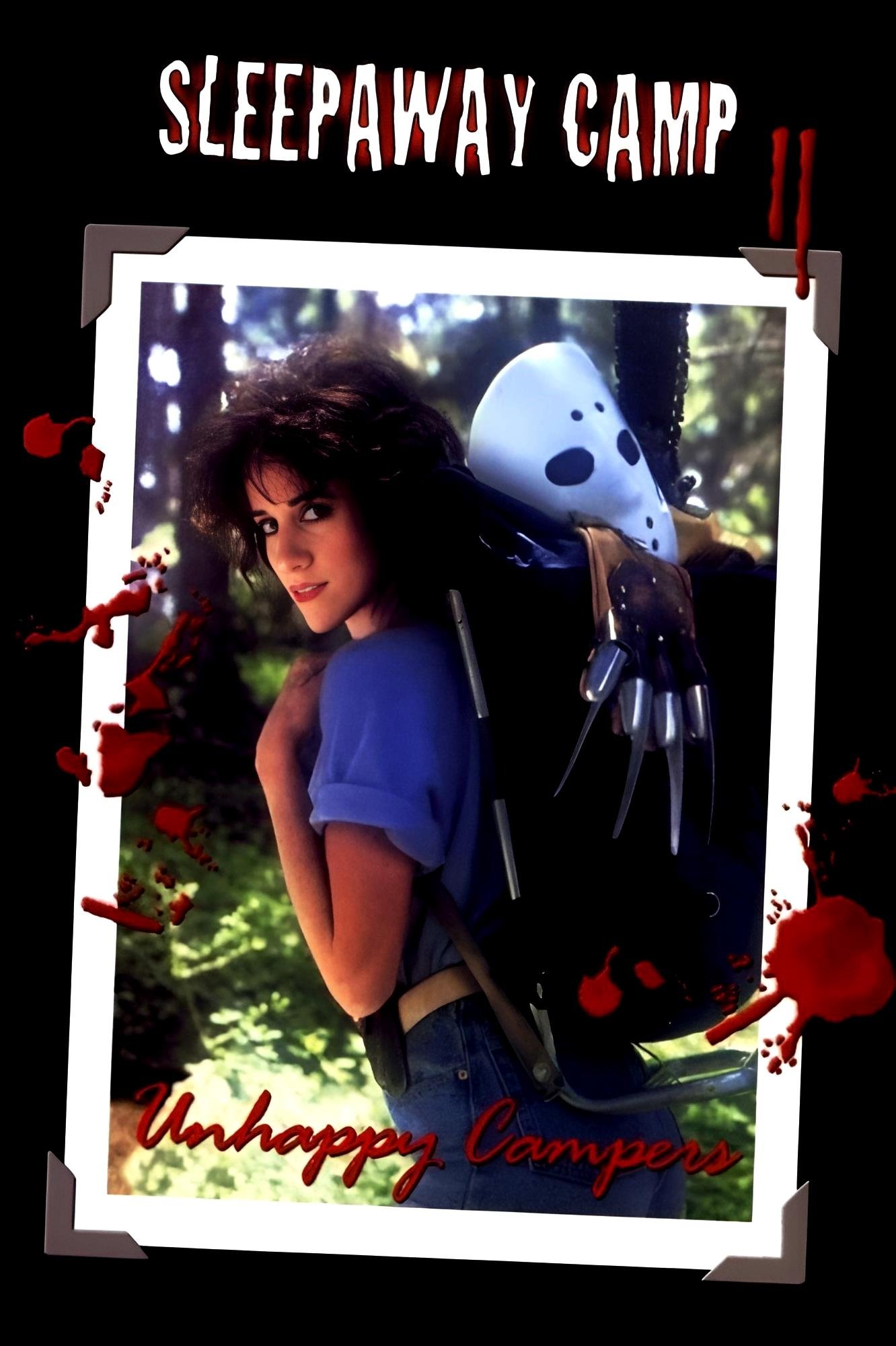
As the franchise progressed into sequels, the character of Angela Baker evolved significantly. In Sleepaway Camp II: Unhappy Campers (1988) and Sleepaway Camp III: Teenage Wasteland (1989), the role was taken over by Pamela Springsteen (sister of Bruce Springsteen). In these sequels, the character is no longer a silent, traumatized youth but a talkative, moralistic killer who dispatches anyone who exhibits "immoral" behavior, such as drinking or premarital sex.
The franchise attempted a return to its roots with Return to Sleepaway Camp (2008), directed by the original creator Robert Hiltzik. This film ignored the previous sequels and featured Felissa Rose returning to the role, though the plot revolved around a new mystery regarding which camper was the killer. As of 2026, the original 1983 film is still the most celebrated entry in the series, largely due to the singular impact of its reveal.
Analyzing the 2026 Perspective on the Twist
In a modern context, the reveal of the killer in Sleepaway Camp is often analyzed through the lens of gender identity and mental health representation. In the early 1980s, the "twist" was designed purely for shock value, playing on the audience's discomfort with gender non-conformity.
From a contemporary viewpoint, many critics argue that the film is not an indictment of trans identity, but rather a horror story about enforced identity and the consequences of extreme child abuse. Angela (Peter) is not portrayed as someone seeking to transition, but as a victim of Aunt Martha’s delusional grooming. The horror stems from the external imposition of an identity that does not match the individual's reality, combined with the trauma of the initial accident.
Common Misconceptions
- Was it a different killer for each movie? No, Angela Baker (or someone claiming to be her) is the antagonist in the primary sequels. However, the "reveal" of her biological sex is only a plot point in the first film.
- Was the ending planned from the start? Yes, Robert Hiltzik wrote the script specifically around the final image of the girl on the beach who is revealed to be a boy.
- Is Ricky an accomplice? While Ricky protects Angela and hides her secrets, he is generally not considered the killer, although he is complicit in covering up her odd behavior.
FAQ: Frequently Asked Questions
Why did the killer in Sleepaway Camp hiss at the end?
The hissing sound was intended to represent a total regression into a primal, animalistic state. After the stress of the murders and the public exposure of her secret, Angela’s psyche completely shattered, leaving her unable to speak or function as a human being.
Who is the real Angela Baker?
The "real" Angela Baker was Peter's sister who died in the boating accident at the beginning of the film. The character we see throughout the movie is actually Peter Baker, living under his sister's name.
Did Felissa Rose actually film the nude scene?
No. Because Felissa Rose was a minor (13 years old) at the time of production, a male body double—an older teenager or young adult—was used for the final reveal shot. Rose's head was superimposed (via the mask) or she was simply not involved in the wide shots of the reveal.
Is Aunt Martha the real villain of the story?
Many fans and critics argue that Aunt Martha is the true antagonist. Her decision to force a grieving, traumatized child to adopt a new gender and identity for her own convenience is the catalyst for the entire tragedy. Without her interference, Peter likely would have received traditional grief counseling rather than becoming a killer.
Practical Recommendations for Viewers
For those looking to explore the Sleepaway Camp series in 2026, it is recommended to start with the 1983 original to appreciate the impact of the reveal. If you are a fan of the "meta" slasher era, the sequels offer a much more comedic, "campy" tone that contrasts sharply with the grim, psychological nature of the first film.
To fully understand the "Angela Baker" phenomenon, viewers should:
- Watch for Clues: On a second viewing, look for the subtle hints about Angela’s identity, such as her refusal to shower or change in front of others.
- Compare the Sequels: Observe how the character changes from a victim of trauma to a self-righteous "slasher judge" in parts II and III.
- Research the Practical Effects: Look into the making of the final scene to appreciate how 1980s low-budget filmmaking created one of cinema's most enduring images.
Image Gallery