Understanding the Length of Sales Cycle in B2B Markets
In B2B markets, the sales cycle typically spans four to twelve months, depending on deal complexity and the number of stakeholders involved. While small-scale transactions may close within 90 days, enterprise-level agreements often req...
In B2B markets, the sales cycle typically spans four to twelve months, depending on deal complexity and the number of stakeholders involved. While small-scale transactions may close within 90 days, enterprise-level agreements often require extensive vetting, technical validations, and legal reviews, making a multi-month progression the industry standard.
Contents
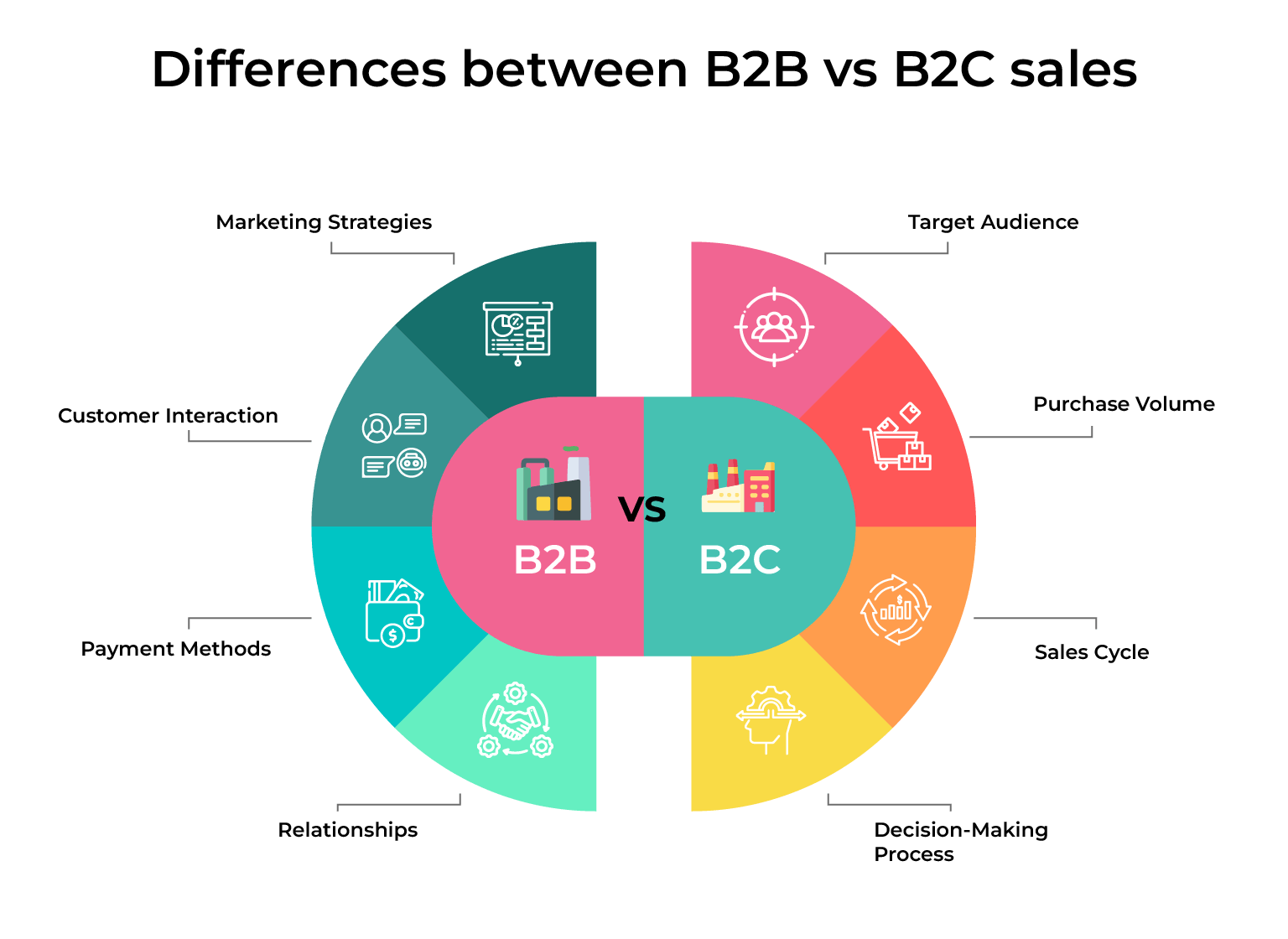
The duration of a B2B sales cycle is one of the most critical metrics for any organization’s revenue operations. It represents the time elapsed from the first touchpoint with a prospective lead to the final signature on a contract. Unlike B2C (Business-to-Consumer) transactions, which are often impulsive or driven by individual needs, B2B sales are characterized by high-stakes investments, collective decision-making, and long-term service commitments.
As we navigate the business landscape of 2026, the sales cycle has been further influenced by advanced data analytics, AI-driven qualification, and a more cautious procurement environment. Understanding the nuances of this timeline is essential for accurate forecasting, resource allocation, and strategic growth.
The Anatomy of the B2B Sales Cycle
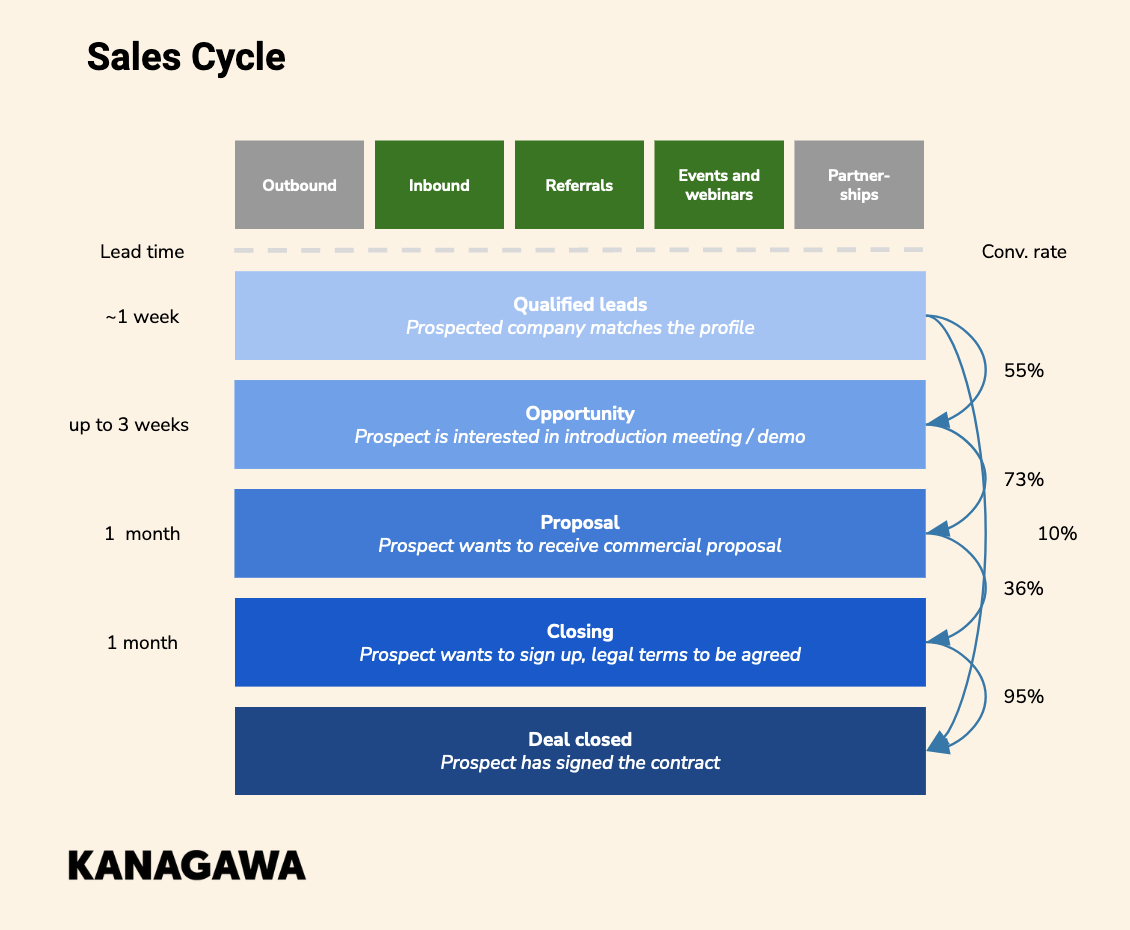
To understand why the B2B sales cycle takes as long as it does, one must examine the specific stages a lead must pass through before becoming a customer. Each stage introduces potential friction points that can either accelerate or stall the process.
Lead Generation and Initial Contact
The cycle begins with identification. In 2026, most organizations use a mix of inbound content marketing and outbound account-based marketing (ABM). This initial phase involves capturing the interest of a "champion" within the target company. Because B2B buyers now conduct approximately 70% to 80% of their research independently before engaging a sales representative, the "first contact" often occurs much later in the buyer's journey than it did a decade ago.
Discovery and Qualification
Once a lead is identified, the discovery phase begins. This is not a single meeting but a series of interactions designed to ensure the product or service aligns with the prospect’s specific pain points. Sales teams must verify the budget, authority, need, and timeline (BANT) or use more modern frameworks like MEDDICC (Metrics, Economic Buyer, Decision Criteria, Decision Process, Identify Pain, Champion, Competition). If a prospect is poorly qualified at this stage, the cycle may appear to drag on indefinitely before eventually collapsing.
Solution Design and Demonstration
For complex software or industrial solutions, the "demo" phase is critical. This often involves customized presentations or "Proof of Concept" (PoC) trials. During this time, technical stakeholders evaluate the solution’s compatibility with their existing infrastructure. In the 2026 environment, security and compliance reviews are particularly rigorous, adding weeks or even months to the cycle as IT departments vet the vendor’s data privacy protocols.
Proposal and Negotiation
After the solution is validated, the discussion shifts to commercial terms. This stage involves the procurement department and often the legal team. Price negotiations, Service Level Agreements (SLAs), and liability clauses are hammered out. Because this stage involves multiple departments outside the primary "buying group," it is frequently where deals encounter the most significant delays.
Critical Factors That Dictate Sales Duration
Several variables act as accelerators or brakes on the B2B sales timeline. Recognizing these allows sales leaders to set realistic expectations for their pipelines.
Number of Stakeholders (The Buying Committee)
The single greatest contributor to a long sales cycle is the size of the buying group. Research from firms like Gartner suggests that the average B2B buying committee now includes 10 to 12 stakeholders. Each individual brings different priorities: the end-user wants functionality, the IT director wants security, and the CFO wants ROI. Achieving consensus among these disparate parties is a time-consuming psychological and administrative challenge.
Deal Size and Financial Risk
There is a direct correlation between the price tag and the length of the cycle. A $10,000 annual subscription might be approved by a single department head within a few weeks. A $1,000,000 infrastructure overhaul, however, represents a significant capital expenditure (CAPEX) or a massive operational expense (OPEX) that requires board-level approval and exhaustive risk assessment.
Industry and Regulatory Environment
The industry in which the prospect operates dictates the pace of business. Regulated sectors such as healthcare, aerospace, and government contracting have inherent bureaucratic hurdles. For instance, a sale to a government entity may be tied to annual budget cycles or public tender requirements that are legally mandated and cannot be bypassed, regardless of the solution's urgency.
Market Maturity and Product Complexity
Selling a "must-have" replacement for an existing tool is generally faster than selling an "innovative" new category of software. If the prospect first needs to be educated on why a problem exists before they can evaluate a solution, the education phase adds significant time to the front end of the cycle.
Average B2B Sales Cycle Benchmarks by Industry
The following table provides a snapshot of typical sales cycle durations across various B2B sectors in 2026. These figures represent averages for mid-market to enterprise-level deals.
| Industry | Average Sales Cycle Length | Primary Drivers of Delay |
|---|---|---|
| SaaS (Small-Mid Market) | 3 - 5 Months | Feature comparison, Budget availability |
| SaaS (Enterprise) | 6 - 18 Months | Security audits, Integration testing, Procurement |
| Manufacturing/Industrial | 9 - 24 Months | Capital allocation, Custom engineering, Shipping |
| Financial Services | 12 - 18 Months | Regulatory compliance, Legal review, Risk vetting |
| Professional Services | 4 - 9 Months | Relationship building, Scope of work definition |
| Healthcare/MedTech | 12 - 24 Months | Clinical trials, Administrative bureaucracy, HIPPA |
Modern Challenges and Opportunities in 2026
As we operate in 2026, the B2B sales landscape has been reshaped by technological integration and shifting buyer behaviors.
The Rise of the "Self-Serve" Buyer
Modern B2B buyers prefer a friction-less experience. Many organizations have responded by providing transparent pricing and interactive demos early in the journey. While this might seem to shorten the cycle, it often means the "official" sales cycle only tracks the final 30% of the buyer’s total decision-making time. Sellers must influence the "invisible" part of the cycle through high-quality thought leadership and digital presence.
AI and Automation in Sales Velocity
Artificial Intelligence has become a standard tool for reducing the "admin load" on sales reps. Automated follow-ups, AI-driven lead scoring, and real-time document tracking allow teams to identify which deals are likely to stall. By focusing human effort on high-probability accounts and using automation for routine nurturing, companies are seeing a marginal reduction in the "active" time spent on each deal.
Economic Sensitivity and "No Decision"
A major hurdle in the current economic climate of 2026 is the "Status Quo." Often, the biggest competitor is not another vendor, but the prospect’s decision to do nothing. Fear of making a wrong investment leads to "analysis paralysis." Sales cycles often stretch because buyers are waiting for a more stable economic window or further proof of value.
Practical Strategies to Accelerate the B2B Sales Process
While some delays are unavoidable, proactive organizations can use specific tactics to maintain momentum.
- Develop a "Champion" Early: Identify the individual who has the most to gain from your solution. Empower them with internal pitch decks, ROI calculators, and case studies so they can sell the solution internally when you aren't in the room.
- Standardize Legal and Security Documentation: Don't wait for the procurement phase to prepare your security whitepapers or standard contracts. Having these ready for immediate delivery after a successful demo can shave weeks off the technical review process.
- Implement Multi-Threading: Never rely on a single point of contact. If your "champion" leaves the company or gets reassigned, the deal will likely die. Engage with multiple stakeholders across different departments (IT, Finance, Operations) simultaneously.
- Create a Mutual Action Plan (MAP): A MAP is a shared document between the buyer and seller that outlines every step required to reach a successful implementation. It shifts the dynamic from "selling" to "project management," giving both parties clear deadlines.
- Focus on Value, Not Features: In 2026, buyers are inundated with features. To move a deal forward, you must tie the solution directly to the prospect’s bottom line. Quantifiable benefits—such as "reducing operational costs by 15% within six months"—create a sense of urgency that "better UI" does not.
Measuring Sales Velocity and Effectiveness
To truly understand your sales cycle, you must look beyond the "average number of days." The most successful organizations track Sales Velocity, a formula that combines four key metrics:
- Number of Opportunities: How many deals are in your pipeline?
- Average Deal Value: How much is each deal worth?
- Win Rate: What percentage of opportunities become customers?
- Pipeline Length: The number of days it takes to close a deal.
The formula is: (Opportunities x Deal Value x Win Rate) / Pipeline Length = Sales Velocity.
By analyzing this, you might discover that a longer sales cycle is acceptable if the win rate and deal value are high. Conversely, a short sales cycle is a problem if the deal value is too low to sustain the cost of customer acquisition (CAC).
Frequently Asked Questions
Why is the B2B sales cycle so much longer than B2C? B2B cycles are longer because the risk is higher and the decision is collective. A B2C purchase usually involves one person spending their own money for immediate gratification. A B2B purchase involves a group of people spending company money on a tool that must integrate with existing systems and deliver a return on investment over several years.
Can AI actually shorten the B2B sales cycle in 2026? Yes, primarily by improving qualification. AI tools can analyze historical data to predict which leads are most likely to close and which are likely to waste time. By allowing sales reps to ignore "dead-end" leads, the organization increases its efficiency and reduces the average time spent on the "Discovery" and "Qualification" phases.
What is the "Goldilocks Zone" for a B2B sales cycle? There is no universal "ideal" length, but the "Goldilocks Zone" is a cycle that is long enough to establish trust and prove value, but short enough to maintain momentum. If a cycle is too short, you likely undercharged or skipped critical vetting. If it’s too long, the prospect may lose interest or a competitor may swoop in. For enterprise SaaS, 6 to 9 months is often considered healthy.
How does "Ghosting" affect sales cycle metrics? "Ghosting"—where a prospect stops responding—artificially inflates the average sales cycle length if those deals aren't purged from the pipeline. Most CRM systems in 2026 automatically "close-lost" a deal after 30 to 60 days of inactivity to ensure that the data remains accurate and isn't skewed by stagnant opportunities.
Does offering a discount always speed up the closing stage? Not necessarily. In the B2B world, a sudden discount can sometimes signal desperation or raise questions about the product's actual value. While a year-end or quarter-end incentive can nudge a prospect who is already convinced, it rarely fixes a deal that is stalled due to lack of consensus or technical concerns.
Final Recommendation
To optimize your B2B sales cycle in 2026, transition from a "transactional" mindset to a "consultative" one. Start by auditing your current pipeline to identify where deals most frequently stall. If the bottleneck is in the legal/procurement phase, invest in pre-approved contract templates. If it is in the discovery phase, refine your lead scoring. Ultimately, the goal is not just to make the cycle faster, but to make it more predictable. High-velocity sales organizations succeed by removing the friction that prevents buyers from making a confident decision.
Image Gallery