Radio City Music Hall Preferred Seats: Ultimate Seating Guide and Booking Strategy
Radio City Music Hall preferred seats refer to premium-inventory tickets located primarily in Orchestra Rows AA through U and the front rows of the First Mezzanine. These seats offer unobstructed sightlines, optimal acoustics, and dire...
Radio City Music Hall preferred seats refer to premium-inventory tickets located primarily in Orchestra Rows AA through U and the front rows of the First Mezzanine. These seats offer unobstructed sightlines, optimal acoustics, and direct views of the Great Stage, frequently packaged through Chase cardmember perks, Ticketmaster VIP, or venue hospitality access.
Contents
Located at 1260 Avenue of the Americas in Midtown Manhattan, Radio City Music Hall remains one of the world's most acoustically distinct and visually stunning indoor entertainment venues. Designed by Donald Deskey and opened in 1932 within Rockefeller Center, the auditorium seats approximately 6,013 guests beneath its iconic proscenium arches.
Navigating the ticket inventory for major events—including the annual Christmas Spectacular Starring the Radio City Rockettes, summer headliner concerts, comedy tours, and film screenings—requires an understanding of venue tiering, physical sightlines, and ticket release mechanisms. Securing "preferred" seating is not simply about paying higher rates; it involves knowing precisely which rows, sections, and access programs yield superior viewing experiences without structural trade-offs.
Decoding Preferred Seating Tiers at Radio City Music Hall
Radio City Music Hall separates its seating inventory across four primary levels: the sprawling Orchestra floor and three distinct tiers of Mezzanines suspended above the rear third of the auditorium. The term "Preferred Seating" typically appears during ticket purchasing phases in three distinct contexts.
First, standard box office and primary vendor distributions categorize prime, face-value physical locations as preferred seating based strictly on viewing geometry. Second, corporate partnership allocations—most notably the venue's longstanding official relationship with Chase—reserve specific blocks in optimal areas exclusively for qualifying cardholders. Third, third-party and resale marketplaces designate high-demand inventory as preferred, which often includes internal venue hospitality or pre-purchased prime inventory.
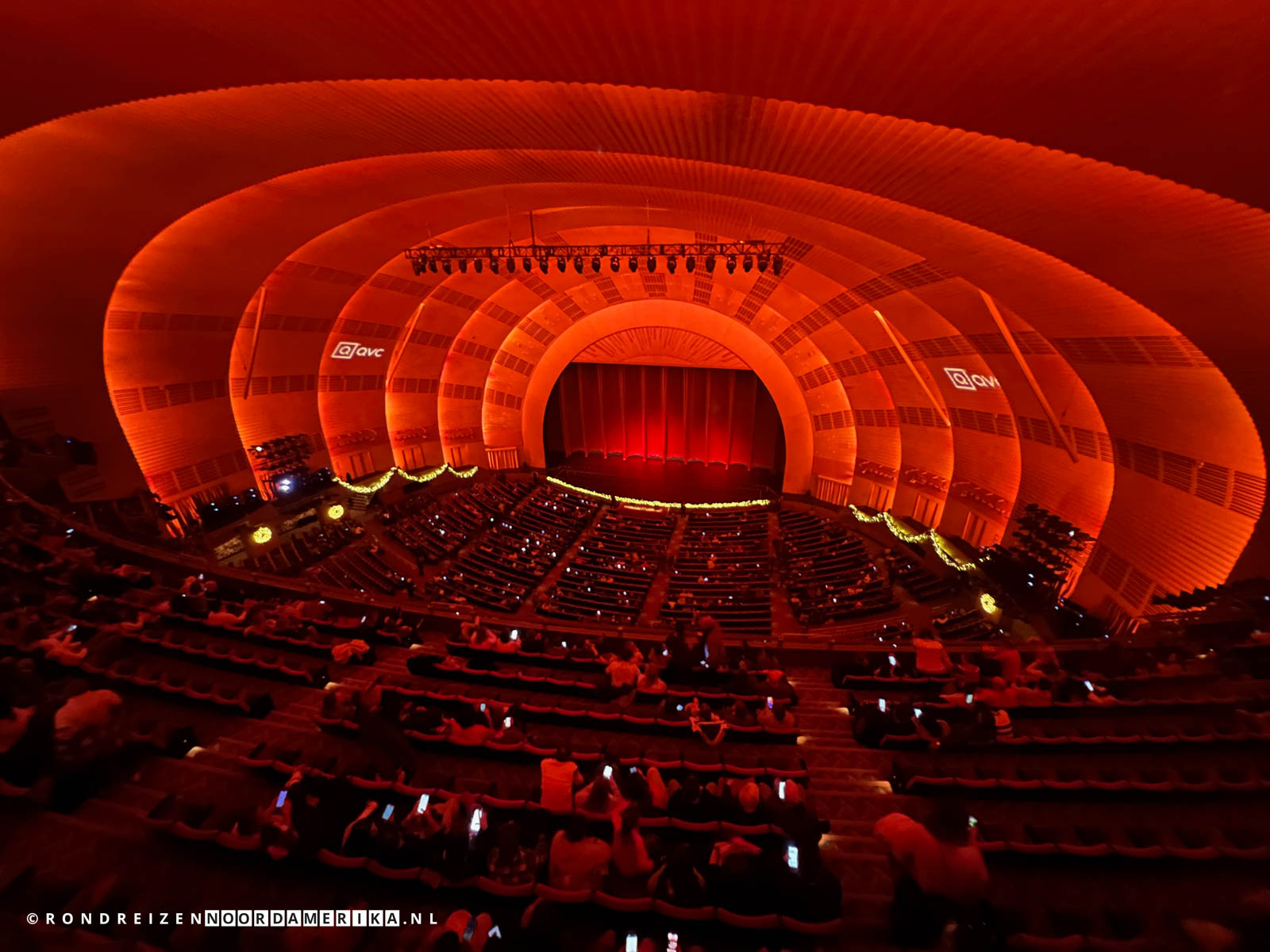
The auditorium features a massive 60-foot by 100-foot stage framed by a 60-foot-wide proscenium arch made of structural steel. Because of this monumental scale, finding preferred seats involves striking a balance between proximity and perspective. Sitting too close compresses the overall visual field, while sitting too far back or underneath the overhangs compromises the spatial grandeur that defines the venue.
Orchestra vs. Mezzanine: Sightline Dynamics and Geometry
Choosing between the ground-level Orchestra and the elevated Mezzanines requires weighing specific visual priorities. Production design dictates whether depth or overall stage formation matters more for your performance.
- STAGE
- PIT
- ORCHESTRA (Rows AA–U: Sweet Spot)
- ORCHESTRA (Rows V–ZZ)
- OVERHANG STARTS ROUGHLY AT ORCHESTRA ROW W
- 1ST MEZZANINE (Unmatched Formation Sight)
- 2ND MEZZANINE (Balanced Elevated Value)
- 3RD MEZZANINE (Steep Incline / Distant)
The Orchestra Floor: Immersive Detail and Low Angles
The Orchestra is partitioned into nine separate sections, designated from left to right as Orchestra 1 through Orchestra 9 (or Sections 100 through 700 depending on the current ticketing software layout). Rows use double-letter designations (AA through KK) for the front rows closest to the orchestra pit, followed by single-letter rows (A through Z), and finally double letters again (AA through ZZ) toward the rear.
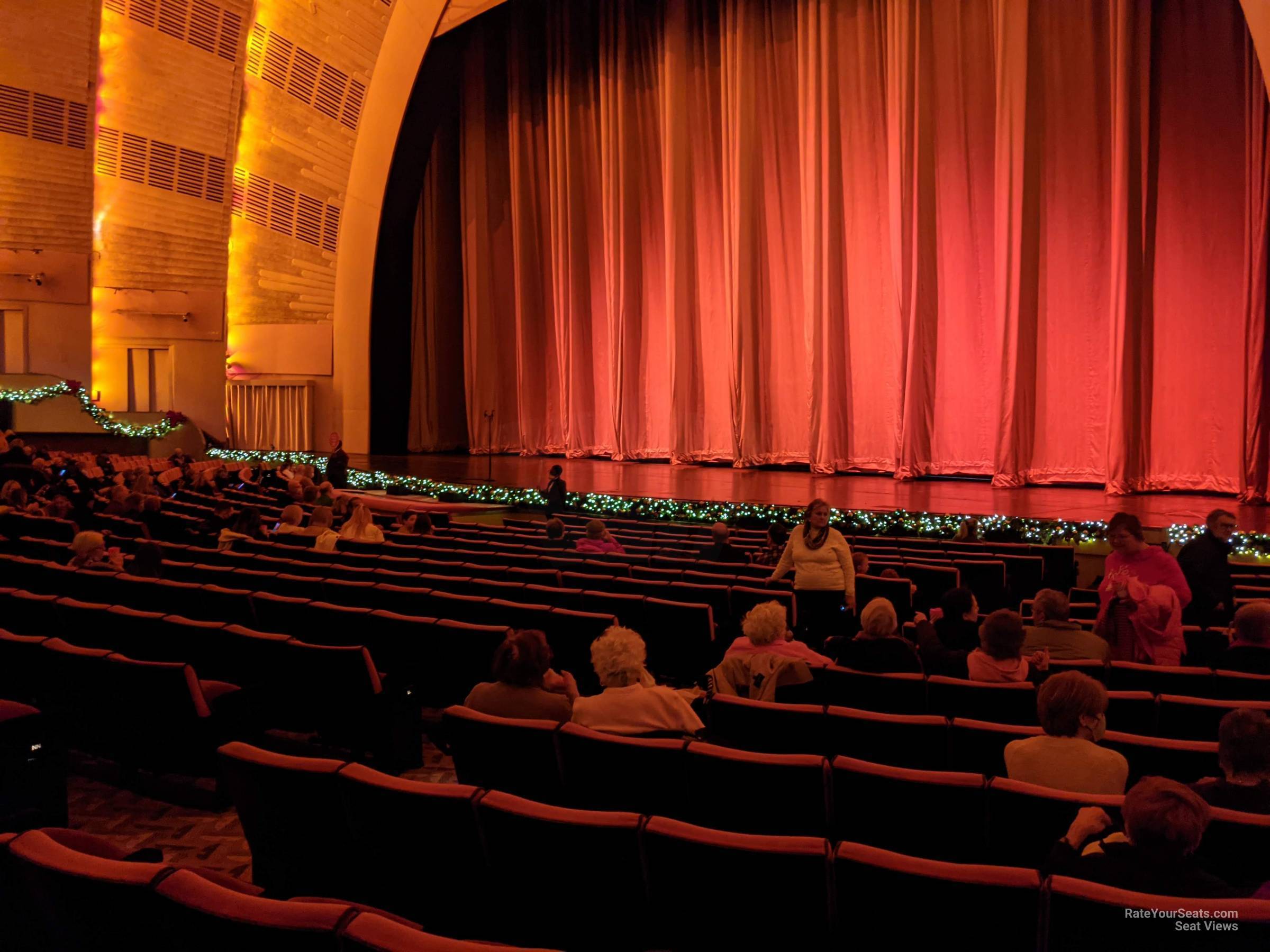
- Front Rows (Rows AA–K): Extremely close to the performers. While ideal for solo concerts where seeing an artist's facial expressions is paramount, these seats sit below eye level relative to the elevated stage surface. For synchronized productions like the Rockettes, you will miss floor patterns and precise kick-line symmetry.
- The Center Sweet Spot (Sections 4, 5, and 6; Rows L–U): Widely regarded by venue engineers and frequent patrons as the single best area on the floor. It provides elevated perspective, central audio arrival times from the arrayed Meyer Sound house speakers, and complete coverage of the stage backdrop.
- The Rear Overhang (Rows W–ZZ): The First Mezzanine extends out over the Orchestra starting around Row W and deeply covers Rows Y through ZZ. While audio delay speakers compensate for sound drop-off, the visual ceiling cuts off the top of the grand arch, eliminating views of vertical production elements, high projection screens, and falling confetti effects.
The First Mezzanine: The Master Sightline
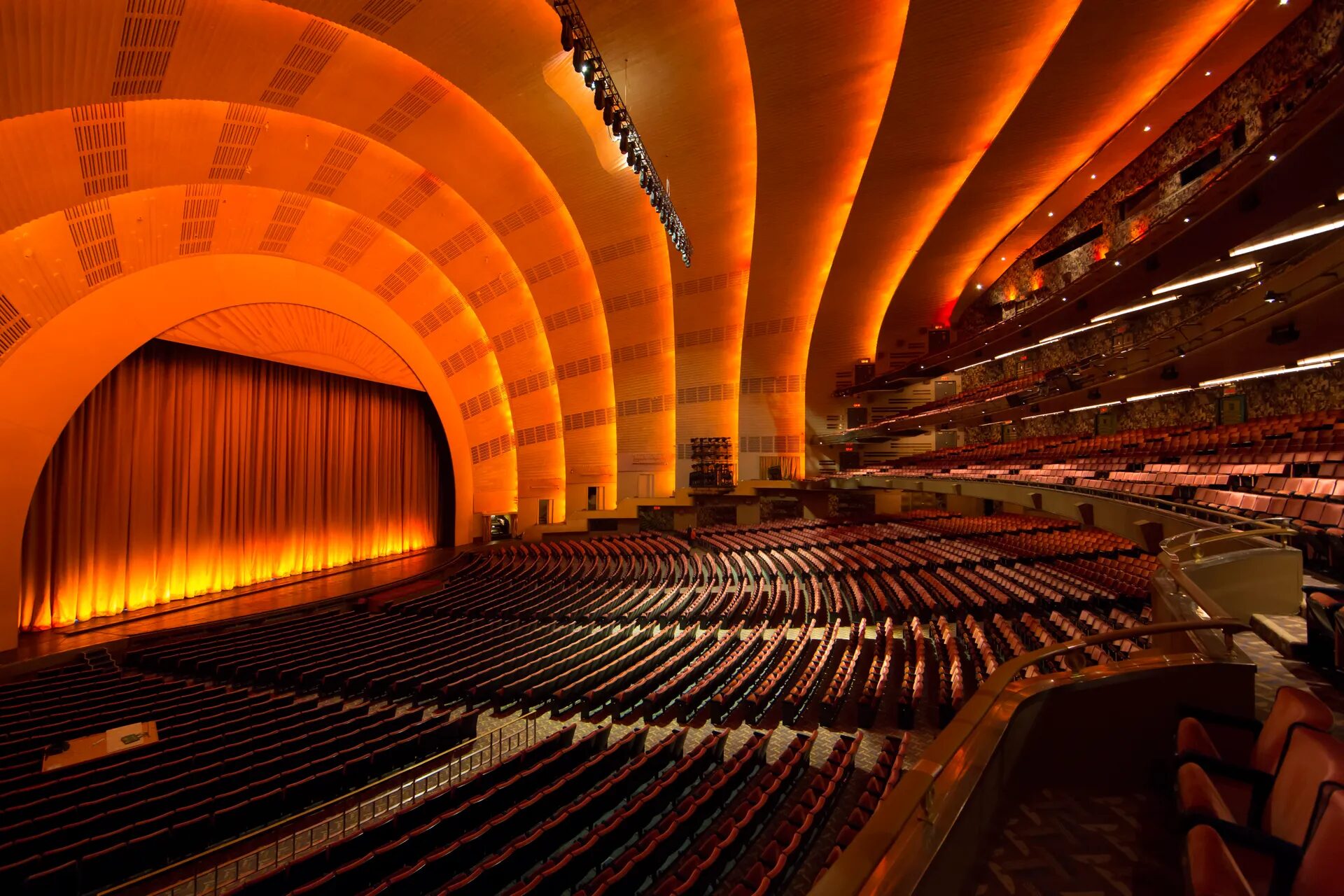
If viewing a synchronized, massive ensemble or high-production concert, the First Mezzanine (Sections 100 to 700) provides the venue's truest preferred sightlines.
Suspended with no interior support pillars, the First Mezzanine cantilevers over the Orchestra. Rows A through D of the Center First Mezzanine offer an uninterrupted panoramic view of both the stage deck and the soaring concentric ceiling arches. For productions requiring geometric appreciation—such as precision dance routines, multi-tier projection mappings, or elaborate orchestral staging—these seats surpass front-orchestra inventory in overall aesthetic value.
Second and Third Mezzanines: Structural Considerations
While the Second Mezzanine offers good visibility in Rows A through C, the Third Mezzanine sits significantly higher and features a steep incline. While audio fidelity remains sharp due to modern line-array dispersion, Third Mezzanine rows introduce extreme downward angles that can feel disconnected from intimate, lower-key performances.
Detailed Seating Comparison: Preferred Locations
The table below outlines the primary preferred seating zones across Radio City Music Hall, comparing their structural pros, acoustic attributes, and typical access classifications.
| Seating Location | Row Ranges | Visual Advantage | Acoustic Quality | Overhang / Obstruction Risk | Primary Access Route |
|---|---|---|---|---|---|
| Orchestra Center (Prime) | Rows L to U | Perfect eye-level balance; full stage width without turning head | Direct sound from primary arrays; full dynamic range | Zero overhang obstruction; open view of arches | Chase Preferred / General Box Office |
| Orchestra Center (Front) | Rows AA to K | Unmatched performer proximity; intimate interaction | High direct sound, but can experience directional front-fill bias | Stage height may obscure footwork / deep-stage props | Artist VIP Packages / Premium Inventory |
| First Mezzanine Center | Rows A to D | True cinematic vantage point; captures full stage deck geometry | Exceptional balanced acoustic reflection | Zero obstruction; clean sightlines over brass railings | Chase Preferred / Season Access / Platinum |
| First Mezzanine Sides | Rows A to C | Great depth perception at a slight diagonal angle | High fidelity, balanced stereo image | Minimal; slight off-axis view of far stage wing | General Box Office Presale |
| Orchestra Side Centers (Sec 3 & 7) | Rows M to T | Excellent direct sightlines toward mid-stage at fair angles | Highly natural spatial dispersion | Clear of the First Mezzanine overhang | Standard Advance Sale |
| Rear Orchestra (Sec 4 to 6) | Rows W to ZZ | Straight-on alignment with stage center | Dependent on localized ceiling-mounted under-balcony delay fills | Severe vertical cutoff; top 40% of proscenium arch invisible | Standard Value Tier (Avoid for Visual Spectacles) |
How to Secure Official Radio City Music Hall Preferred Seats
Preferred seating is routinely held back from initial general public releases, reserved instead for venue stakeholders, corporate programs, or specialized presale windows. Understanding these distribution pathways is essential to securing these seats at standard box-office list prices rather than inflated secondary-market rates.
1. Chase Cardmember Preferred Seating
As a primary corporate partner of Madison Square Garden Entertainment (the venue's parent operator), Chase provides cardholders with priority ticketing access. During both presale phases and standard runs:
- Navigate to the designated event page on the official ticketing platform (typically Ticketmaster or the official venue portal).
- Locate the filter icon on the interactive seat map and select "Chase Preferred Seating" or "Chase Cardmember Presale."
- Enter the first six digits of your qualifying Chase credit or debit card (common qualifying products include Chase Sapphire Reserve, Chase Sapphire Preferred, or Chase Freedom) as the unlock passcode.
- Select seats located within the held blocks, which are predominantly clustered in Center Orchestra (Rows F through S) and Center First Mezzanine (Rows A through E).
- Complete the transaction using the matching Chase payment card. Purchases attempted with other payment processors will be rejected at checkout.
2. The Rockefeller Center Box Office Window
For patrons local to New York City or visiting before an event, purchasing tickets directly at the Radio City Music Hall Box Office (located on the corner of 50th Street and Avenue of the Americas) allows you to bypass secondary markups and third-party processing surcharges.
Box office staff have real-time visibility into day-of-show production holds. Touring productions frequently release "house seats"—prime locations held for artist management, sound engineers, or VIP guests—between 24 and 48 hours prior to showtime if those allocations go unused. Inquiring specifically about released production holds often yields exceptional Center Orchestra or First Mezzanine inventory at true face value.
3. Venue VIP Suites and Dedicated Hospitality
For high-profile residency engagements or seasonal runs, Radio City offers curated hospitality options via its private luxury lounges, such as the historic Roxy Suite. Named after theatrical impresario Samuel L. "Roxy" Rothafel, this historic Art Deco apartment within the venue offers private pre-show dining, separate venue entry paths on 50th Street, and designated premium seating in the First Mezzanine or Front Orchestra.
Accessibility and ADA Preferred Seating
Radio City Music Hall offers accessible seating configurations designed to provide equivalent sightlines without requiring stairs. Because the venue is a historic landmark building, access points vary significantly between levels.
The main Orchestra level features step-free access directly from the main lobby doors. Wheelchair-accessible platforms with companion seating are integrated into various rows, notably near the mid-cross aisles and rear orchestra.
The First, Second, and Third Mezzanines are served by passenger elevators located on the south side of the Grand Foyer. However, patrons should note that while elevators access each mezzanine landing, interior mezzanine aisles feature continuous concrete stairs down to each row.
Patrons who have mobility impairments or use mobility devices should specifically request ADA-designated seating on the Orchestra level, or verify that their selected Mezzanine seats do not require navigating steep internal steps.
Restrooms with complete wheelchair accessibility are available in the lower Grand Lounge, accessible via the main passenger elevators. Assistive listening devices (induction neckloops and infrared headsets) are available free of charge at the coat check in the Grand Lounge upon deposit of a valid photo ID.
Mistakes to Avoid When Booking Preferred Seats
Securing top-tier tickets requires navigating several unique architectural quirks of this massive Art Deco theater. Avoid these common booking pitfalls:
- Buying High-Row Orchestra for Large-Scale Visuals: Do not buy Rows W through ZZ in the Orchestra for events relying on large vertical sets, multi-tier projection mappings, or falling elements (such as the Christmas Spectacular). The ceiling created by the First Mezzanine overhang will block your view of the upper arch. For these shows, choose the First Mezzanine instead.
- Assuming Front Row Is Universally Best: Rows AA through CC place viewers lower than the stage surface. If attending a musical production, classical dance performance, or orchestral concert, your line of sight may be blocked by stage-edge sound wedges or the top boundary of the orchestra pit rail.
- Overlooking Side Proximity Angles: Outside seats in Orchestra Sections 1, 2, 8, and 9 (particularly higher row numbers) feature sharp angles relative to the proscenium. Performers who spend significant time deep upstage or in opposite-side wings will drift out of direct visual alignment.
- Confusing Secondary "Preferred" Labels with Official Holds: Secondary resale platforms frequently label arbitrary tickets as "Preferred" or "VIP" simply because an individual seller marks up the asking price. Confirm exact section, row, and seat numbers against the official venue seating schematic before committing to premium resale pricing.
- Failing to Verify Elevator and Stair Layouts: The steep rake of the Second and Third Mezzanines can prove difficult for those with vertigo or physical limitations. If navigating stairs presents any challenge, limit your preferred searches strictly to the Orchestra level.
Strategic Recommendations by Event Type
Selecting the best preferred seats depends on the event's staging, production style, and format:
Dance & Theatrical Spectacles (e.g., Radio City Christmas Spectacular)Target First Mezzanine, Rows A through D, Sections 300 to 500. This elevation provides an unobstructed view of the stage floor's geometric choreography and full view of the venue's massive projection mapping arches.
Rock, Pop, and Contemporary ConcertsTarget Center Orchestra, Rows H through R, Sections 400 to 600. This location puts you inside the primary audio array dispersion field while offering close views of performers and production design without causing neck strain.
Stand-Up Comedy and Intimate PerformancesTarget Front Center Orchestra, Rows CC through G. Comedy routines feature minimal physical staging, so performer proximity, facial expressions, and natural crowd interaction are prioritized over wide-angle views.
Large Orchestral and Acoustic EnsemblesTarget First Mezzanine (all rows) or Mid-Orchestra (Rows L through P). These positions allow direct and reflected sound waves to converge naturally, offering balanced acoustics across instruments.
Frequently Asked Questions
What are the absolute best seats in Radio City Music Hall?
The center seats in the First Mezzanine (Rows A–D) and Center Orchestra (Rows L–U) are widely considered the best in the hall. They offer balanced, wide-angle views of the grand proscenium and clear line-of-sight sound from the main speaker arrays.
Where does the mezzanine overhang start in the orchestra?
The First Mezzanine overhang begins above Row W of the Orchestra and extends back through Row ZZ. Seats located in Rows Y through ZZ experience a significant vertical cutoff, hiding the top portion of the proscenium arch and any elevated production elements.
What perks come with Chase Preferred Seating at Radio City?
Chase Preferred Seating reserves prime inventory for Chase cardholders at standard face-value rates, with zero resale markups. It gives buyers priority access to high-demand blocks in the Center Orchestra and Center First Mezzanine during presale and general on-sale windows.
Are there obstructed view seats at Radio City Music Hall?
Radio City has no interior vertical pillars, meaning there are no physical structural posts blocking horizontal views of the stage. However, extreme side seats have angled perspectives that cut off the near wings, and rear Orchestra rows face visual vertical cutoff from the overhang above.
Can you access the First Mezzanine without taking stairs?
Passenger elevators travel to the First Mezzanine lobby level, but reaching individual seats requires using internal concrete steps down the aisles. Guests who cannot navigate stairs must book designated wheelchair-accessible seating platforms on the step-free Orchestra floor.
Ensure you review the exact seat, row, and section numbers on an interactive seating chart before purchasing your tickets. Whether you book through early Chase cardmember allocations, primary box office holds, or carefully vetted secondary inventory, focusing on the Sweet Spot rows—Orchestra Rows L through U and First Mezzanine Rows A through D—delivers the quintessential Radio City Music Hall experience.
Image Gallery