The Targaryen Succession: Laws, Precedents, and the Evolution of Iron Throne Inheritance
The Targaryen succession refers to the legal and traditional framework used to determine the rightful heir to the Iron Throne of Westeros during the nearly 300-year reign of House Targaryen. Primarily governed by the principles of agna...
The Targaryen succession refers to the legal and traditional framework used to determine the rightful heir to the Iron Throne of Westeros during the nearly 300-year reign of House Targaryen. Primarily governed by the principles of agnatic primogeniture—particularly following the Great Council of 101 AC—the succession was frequently the catalyst for civil wars, including the Dance of the Dragons and the Blackfyre Rebellions.
Contents
The Foundation of Targaryen Rule and Andal Custom
When Aegon the Conqueror established the Seven Kingdoms, he did not formally codify a new set of inheritance laws. Instead, the Targaryens initially operated under a hybrid of Valyrian tradition and the existing Andal Law of the continent they had conquered. Under standard Andal custom, a daughter would typically inherit before an uncle, but sons always preceded daughters.
However, the Targaryens introduced a complicating factor: the Doctrine of Exceptionalism. While this doctrine primarily addressed their practice of incestuous marriage, it established the idea that House Targaryen was not bound by the same moral or legal constraints as the smallfolk or the other noble houses. This sense of being "closer to gods than men" meant that succession was often decided by the strength of the monarch’s will or the size of their dragon, rather than a strictly followed legal code.
In the early years, the transition from Aegon I to his eldest son Aenys I followed standard primogeniture. The first true crisis emerged upon Aenys’s death, when his younger brother, Maegor the Cruel, usurped the throne over the claims of Aenys’s children. This established a dangerous precedent: that the "right" of succession could be seized through martial might (the right of conquest) regardless of birth order.
The Great Council of 101 AC: The Definitive Precedent
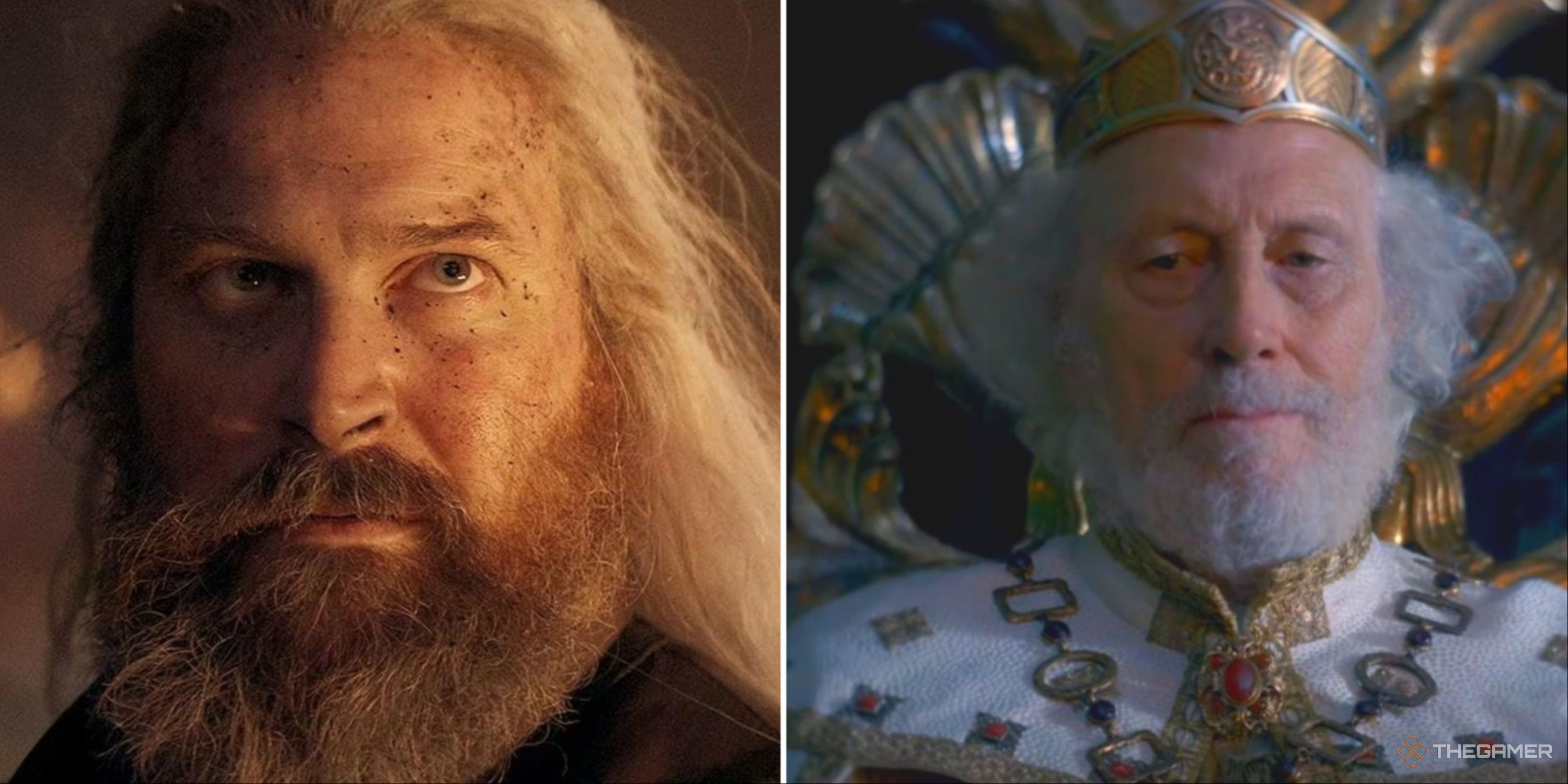
As of 2026, historians of the franchise and lore enthusiasts point to the Great Council of 101 AC as the single most important event in the history of Targaryen succession. This council was convened by King Jaehaerys I to resolve a looming crisis: his eldest sons had died, leaving the line of succession murky.
The two primary claimants were:
- Viserys Targaryen: The son of Baelon (the King’s second son).
- Laenor Velaryon: The son of Rhaenys (the King’s eldest son’s daughter).
The council’s decision was a landslide in favor of Viserys. More importantly, the lords of Westeros established a legal precedent that became the "iron rule" of the dynasty: the Iron Throne could not pass to a woman, nor through a woman to her male descendants. This shifted Targaryen law from cognatic primogeniture (where women can inherit if they have no brothers) to a strict agnatic primogeniture (males only).
The Dance of the Dragons and the Conflict of Will
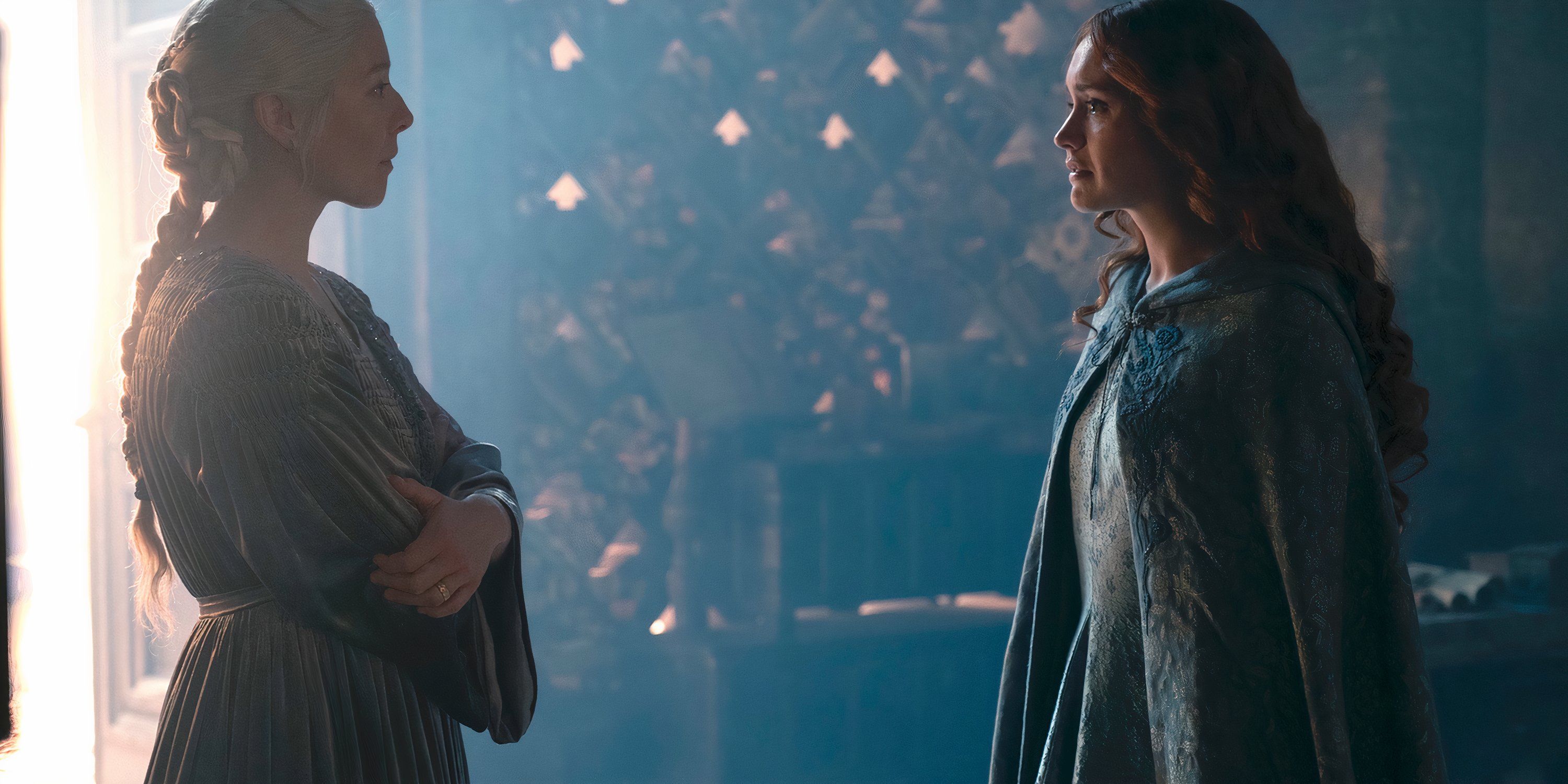
The most famous breakdown of Targaryen succession occurred during the reign of Viserys I. Despite the precedent of 101 AC, Viserys named his daughter, Rhaenyra Targaryen, as his official heir and made the lords of the realm swear oaths of fealty to her.
Upon his death in 129 AC, the "Greens" (supporters of Viserys’s firstborn son, Aegon II) argued that the law of the land—established by the Great Council—superseded the King’s personal whim. The "Blacks" (supporters of Rhaenyra) argued that the King’s word was law.
The resulting civil war, the Dance of the Dragons, resulted in the near-extinction of the dragons and the deaths of both claimants. However, the legal outcome was clear: although Rhaenyra’s son Aegon III eventually took the throne, he did so as the male heir of the line, not as Rhaenyra's successor. Following the war, the Targaryens moved to an even stricter "male-only" succession model, placing all possible male claimants, including distant cousins and uncles, ahead of any female in the line of succession.
Comparison of Key Succession Disputes
The following table summarizes the major conflicts that shaped the inheritance laws of House Targaryen.
| Conflict/Event | Year | Primary Claimants | Legal Basis | Final Outcome |
|---|---|---|---|---|
| Usurpation of Maegor | 42 AC | Maegor I vs. Prince Aegon | Right of Conquest vs. Primogeniture | Maegor took the throne by force; Aegon died in battle. |
| Great Council | 101 AC | Viserys I vs. Laenor Velaryon | Male line vs. Female line | Established male-preference/male-only precedent. |
| Dance of the Dragons | 129 AC | Aegon II vs. Rhaenyra | 101 AC Precedent vs. King's Decree | Stricter male-only inheritance adopted post-war. |
| Council of 233 AC | 233 AC | Aegon V vs. Various | Fitness to Rule vs. Lineage | Aegon V ("The Unlikely") chosen from the fourth line. |
| Blackfyre Rebellion | 196 AC | Daeron II vs. Daemon Blackfyre | Legitimacy vs. Superiority/Will | Legitimacy upheld; rebels fled to Essos. |
The Blackfyre Rebellions: Legitimacy and the Sword
Succession issues in the later Targaryen dynasty shifted from gender to legitimacy. When King Aegon IV (the Unworthy) died, he legitimized all of his bastards on his deathbed. His eldest legitimized son, Daemon Blackfyre, challenged the sitting King, Daeron II.
The Blackfyre claim was built on two pillars:
- The Sword of Kings: Aegon IV had given Daemon the Valyrian steel sword Blackfyre, which had belonged to Aegon the Conqueror. Supporters argued this was a symbolic designation of succession.
- Rumors of Bastardy: Rebels claimed that Daeron II was actually the son of Aemon the Dragonknight, making him illegitimate.
This era proved that even with clear primogeniture, the Targaryen succession remained vulnerable to "the Great Pretenders"—charismatic figures who could rally lords dissatisfied with the current administration.
The Great Council of 233 AC
By 233 AC, the line of succession had become so fractured by death and disease that another Great Council was required. This council is notable for passing over the infant son of Prince Aerion and the "simple-minded" Princess Vaella. It eventually offered the crown to Aemon Targaryen, who refused (staying a Maester), leading to the coronation of Aegon V.
This event reinforced the idea that the High Lords of Westeros had the authority to bypass the direct line of succession if the immediate heir was deemed unfit, dangerous, or unable to fulfill the duties of the crown. It prioritized the stability of the realm over the rigidity of bloodright.
Technical Nuances of Royal Inheritance
For those tracking the genealogy of House Targaryen as it stands in the current lore of 2026, several technicalities remain points of debate among scholars of the "World of Ice and Fire":
- Regency and Minority: If an heir was a minor (under the age of 16), a Protector of the Realm or a Council of Regents was appointed. This was seen during the early reign of Aegon III.
- The Role of the Citadel: Maesters, upon taking their chains, forfeit their names and inheritance rights. This was the mechanism that allowed Aegon V to take the throne instead of his older brother Aemon.
- The Kingsguard and the Night's Watch: Both organizations require members to renounce all claims to lands and titles, effectively removing them from the line of succession.
- Posthumous Heirs: If a King died leaving a pregnant widow, the succession was often held in "abeyance" until the child was born. If the child was male, he would technically be King from the moment of birth.
Frequently Asked Questions
Did Rhaenyra Targaryen ever officially rule?
While Rhaenyra held King's Landing for half a year and is often called "The Realm's Delight," she was never officially recognized as a monarch in the chronicles of the Grand Maesters. The history books record Aegon II as the rightful King, with Rhaenyra listed as a usurper, though modern interpretations of the lore often view her as a rightful Queen whose title was stolen.
How did Jon Snow (Aegon Targaryen) fit into the succession?
In the context of the television adaptations, Jon Snow—revealed to be the legitimate son of Rhaegar Targaryen and Lyanna Stark—would have been the "rightful" heir under agnatic primogeniture. As the son of the crown prince, his claim would legally precede that of his aunt, Daenerys Targaryen, following the precedents set in 101 AC.
Why was Viserys II considered a controversial successor?
Viserys II, the brother of Aegon III, took the throne after his nephews (Daeron I and Baelor I) died childless. He passed over Aegon III’s daughters, specifically Daena the Defiant. While this followed the male-only precedent of 101 AC, some argued it was a blatant power grab by a seasoned statesman over his young nieces.
Can a Targaryen king change the succession by decree?
Technically, yes, as the King's word is law. However, history (specifically the Dance of the Dragons) shows that such decrees are rarely respected after the King's death if they conflict with established custom or the interests of the powerful Great Houses.
What happened to the succession after the Mad King?
After Aerys II was killed and the Targaryens were deposed in Robert's Rebellion, the Targaryen succession became a "claim in exile." Viserys (the "Beggar King") considered himself the rightful heir, followed by his sister Daenerys. The physical Iron Throne was seized by Robert Baratheon through the "Right of Conquest," effectively ending the Targaryen legal framework until the events of the late-era series.
Summary of Next Steps for Researchers
To fully understand the complexities of the Targaryen line, one should study the Line of the Dragon-kings charts provided in official appendices. Analyzing the minutes of the Great Council of 101 AC offers the best insight into how Westerosi law prioritized gender over direct lineage. For those interested in the breakdown of these laws, focusing on the specific legal arguments used by Ser Otto Hightower and Queen Alicent Hightower during the "Green Council" provides a masterclass in the manipulation of succession precedent.
Image Gallery