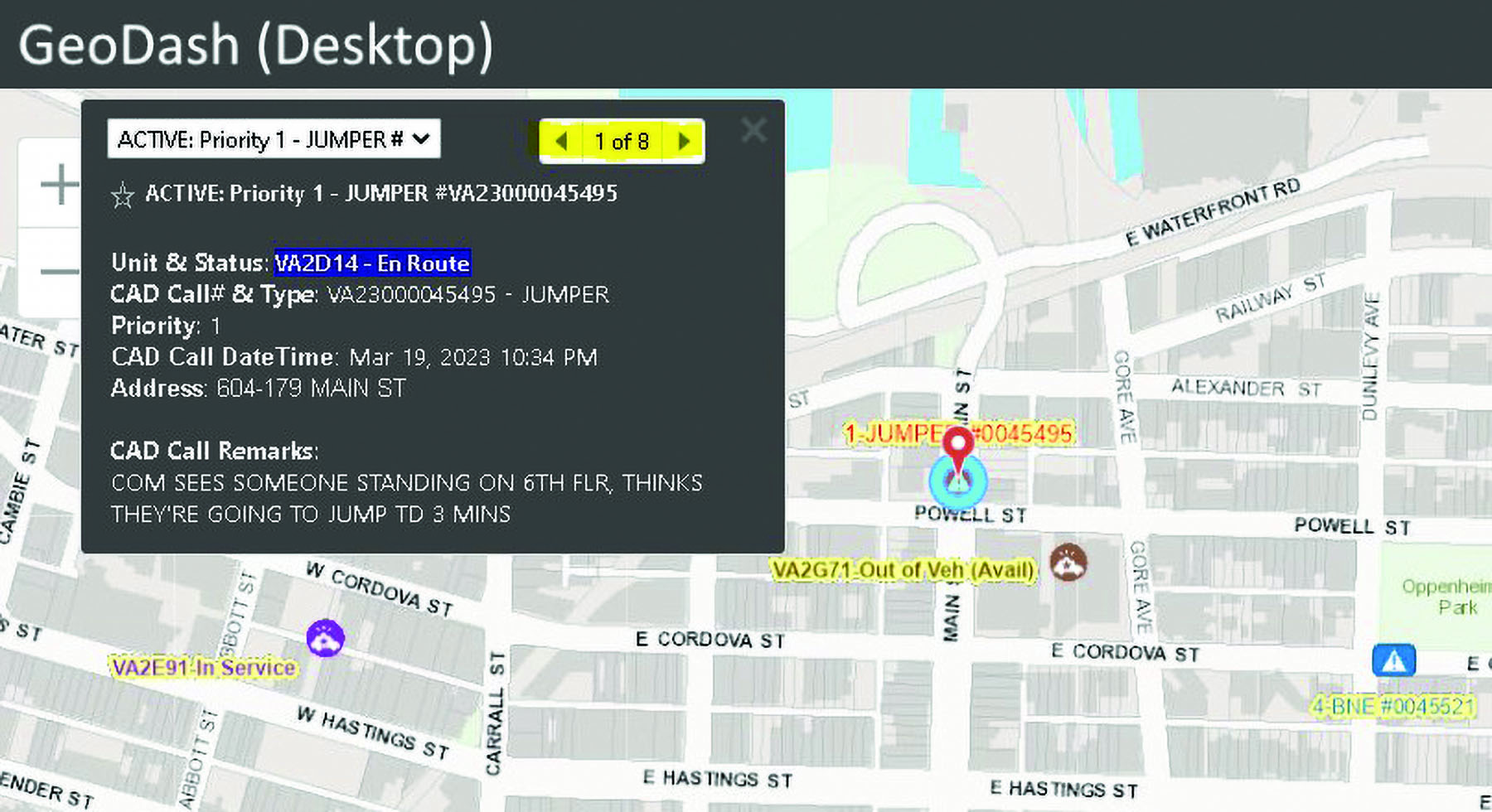
Navigating Ocala Police Department Active Calls and Public Safety Records in 2026
The Ocala Police Department active calls log provides real-time public access to ongoing law enforcement incidents, dispatch updates, and community safety data within Ocala, Florida. Monitoring these active calls allows residents, loca...
The Ocala Police Department active calls log provides real-time public access to ongoing law enforcement incidents, dispatch updates, and community safety data within Ocala, Florida. Monitoring these active calls allows residents, local business owners, and journalists to track public safety operations, emergency responses, and traffic advisories across Marion County in 2026.
Contents
Understanding the Ocala Police Department Dispatch System
Public safety dispatch infrastructure relies on Computer-Aided Dispatch (CAD) systems to route emergency 911 calls and non-emergency requests to patrol units. For the Ocala Police Department (OPD), these systems process thousands of incidents annually, categorizing them by priority level, geographic location, and nature of the call.
Understanding how police data flows from a 911 call to an active CAD feed helps clarify what information is publicly visible. When a caller reports an incident, dispatchers assign an incident type code based on standardized police terminology. These codes range from violent crimes in progress to minor property damage, traffic stops, and administrative checks.
The public-facing active calls page serves as a live snapshot rather than a comprehensive crime database. It updates continuously to reflect current police operations. However, sensitive calls involving domestic disputes, juvenile victims, or ongoing tactical operations are routinely withheld or delayed to protect victim privacy and preserve the integrity of active police investigations.
How to Access and Interpret OPD Active Incident Logs
Accessing real-time police logs requires knowing where to look and how to interpret the technical abbreviations used by dispatchers. The Ocala Police Department utilizes digital portals to maintain transparency with the community, displaying active service calls within the city limits.
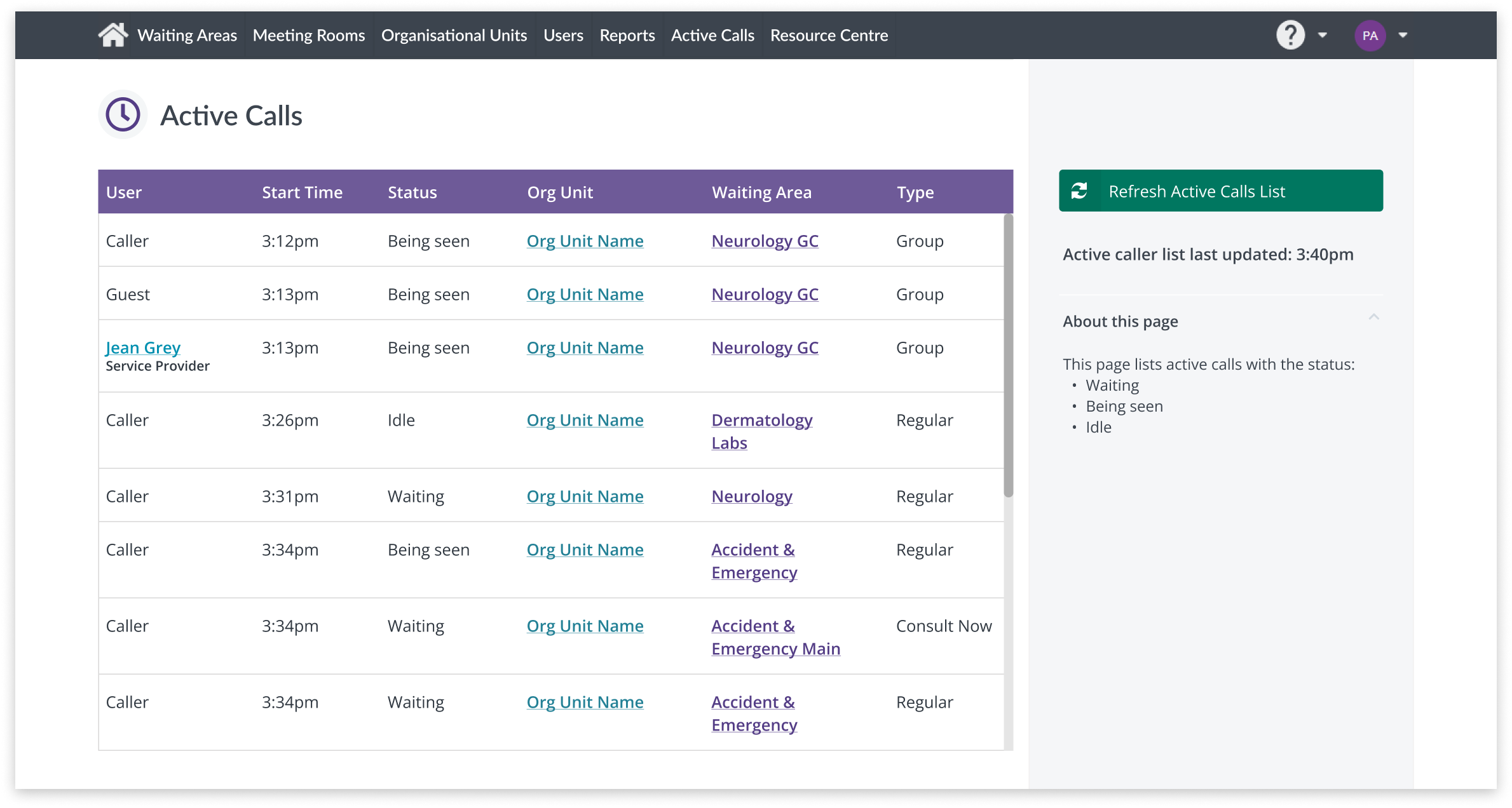
To effectively read and navigate these logs, users must understand the core data fields typically displayed in an active CAD feed:
- Incident Number: A unique tracking identifier assigned to every distinct police dispatch.
- Date and Time: The exact timestamp when the call was received or when the unit was dispatched.
- Nature of Call: The descriptive code or text explaining the type of incident (e.g., Traffic Accident, Suspicious Vehicle, Burglary Alarm).
- Location/Block: The generalized address or block number where the unit is responding, often anonymized to the hundred-block level for privacy.
- Dispatched Units: The specific patrol car numbers or tactical units assigned to handle the call.
- Current Status: Indicates whether the call is pending dispatch, units are en route, or officers are currently on scene.
Key Differences Between Active Calls and Crime Mapping
| Feature | Active CAD Calls | Crime Mapping Software (e.g., CrimeReports / LexisNexis) |
|---|---|---|
| Timeframe | Real-time (past 24 to 48 hours) | Historical (weeks, months, or years past) |
| Data Source | Live dispatch logs and active officer activity | Verified and processed police reports |
| Purpose | Immediate awareness of ongoing local emergencies | Long-term trend analysis, neighborhood safety research |
| Accuracy | Preliminary; subject to reclassification as officers investigate | Finalized; cleared through official report writing and review |
Emergency Versus Non-Emergency Contact Protocols in Ocala
While public online logs provide visibility into ongoing operations, citizens must never use online portals or social media channels to report crimes in progress. Direct communication channels remain vital for effective community policing and rapid emergency response.
For any situation threatening life, safety, or property, dialing 911 is the only appropriate action. For non-emergency situations within the city of Ocala—such as reporting property damage with no suspect present, submitting noise complaints, or requesting minor police assistance—residents should utilize designated non-emergency communication lines.
- Emergency Dispatch: Dial 911 (Available 24 hours a day, 7 days a week).
- OPD Non-Emergency Line: Call (352) 369-7000 for general police inquiries and non-urgent dispatch requests.
- Marion County Sheriff's Office (MCSO): Contact (352) 732-9111 for incidents occurring outside Ocala city limits within unincorporated Marion County.
- Crime Stoppers of Marion County: Call (352) 368-STOP (7867) to submit anonymous tips regarding criminal activity.
Practical Steps for Monitoring Local Neighborhood Safety
Community members seeking to stay informed about localized safety trends can combine active call monitoring with structured local safety practices. Relying solely on real-time dispatch logs can sometimes cause unnecessary panic, as initial dispatch descriptions frequently change once officers arrive on scene and assess the actual situation.
Best Practices for Public Safety Monitoring
Verify Information Sources: Always cross-reference live dispatch logs with official press releases or updates issued by the Ocala Police Department Public Information Office before drawing conclusions about neighborhood incidents.
Understand Geographic Boundaries: Ensure you are viewing Ocala Police Department logs rather than Marion County Sheriff's Office records, as incidents occurring just outside city limits will not appear on OPD feeds.
Maintain Perspective: Remember that a high volume of calls in a specific commercial or residential block often reflects proactive community policing, traffic enforcement, or false security alarms rather than violent crime outbreaks.
Frequently Asked Questions About OPD Active Calls
Why do certain active calls disappear from the Ocala Police Department log?
Active calls are removed from the live public display once the responding officers clear the scene and close the incident in the CAD system. Completed calls may later be converted into official police reports, which require a formal public records request to access depending on their investigative status.
Can I listen to live police radio transmissions for Ocala?
Many modern law enforcement agencies have transitioned to encrypted digital radio systems to protect tactical operations and victim privacy. While traditional scanner applications may occasionally broadcast certain channels, encrypted frequencies prevent public access to sensitive police communications.
What should I do if I spot my address listed on an active call log incorrectly?
If you notice an active call mapped incorrectly to your address or observe suspicious activity related to a listing, contact the OPD non-emergency line immediately. Do not attempt to investigate active police scenes or approach responding units.
Are traffic accidents and road closures listed on the OPD active calls feed?
Yes, motor vehicle crashes, stalled vehicles blocking major thoroughfares, and associated road closures are routinely logged under traffic incident classifications within the active dispatch system. Major closures on corridors such as Interstate 75 or State Road 200 are typically updated as units manage traffic control.
How can I request a formal copy of an Ocala police report?
Official incident and traffic crash reports can be requested directly through the Ocala Police Department Records Division. Requests can usually be submitted online via the city portal, in person at the police headquarters, or by mail pursuant to Florida public records laws.
Conclusion and Official Contact Information
Staying informed about public safety operations in Ocala requires utilizing official channels, understanding the limitations of real-time CAD feeds, and knowing when to contact local authorities. For direct inquiries, records requests, or community program information, the Ocala Police Department is headquartered at 402 S Pine Ave, Ocala, FL 34471. Utilizing verified municipal resources ensures accurate awareness of community safety updates across the area.
Image Gallery