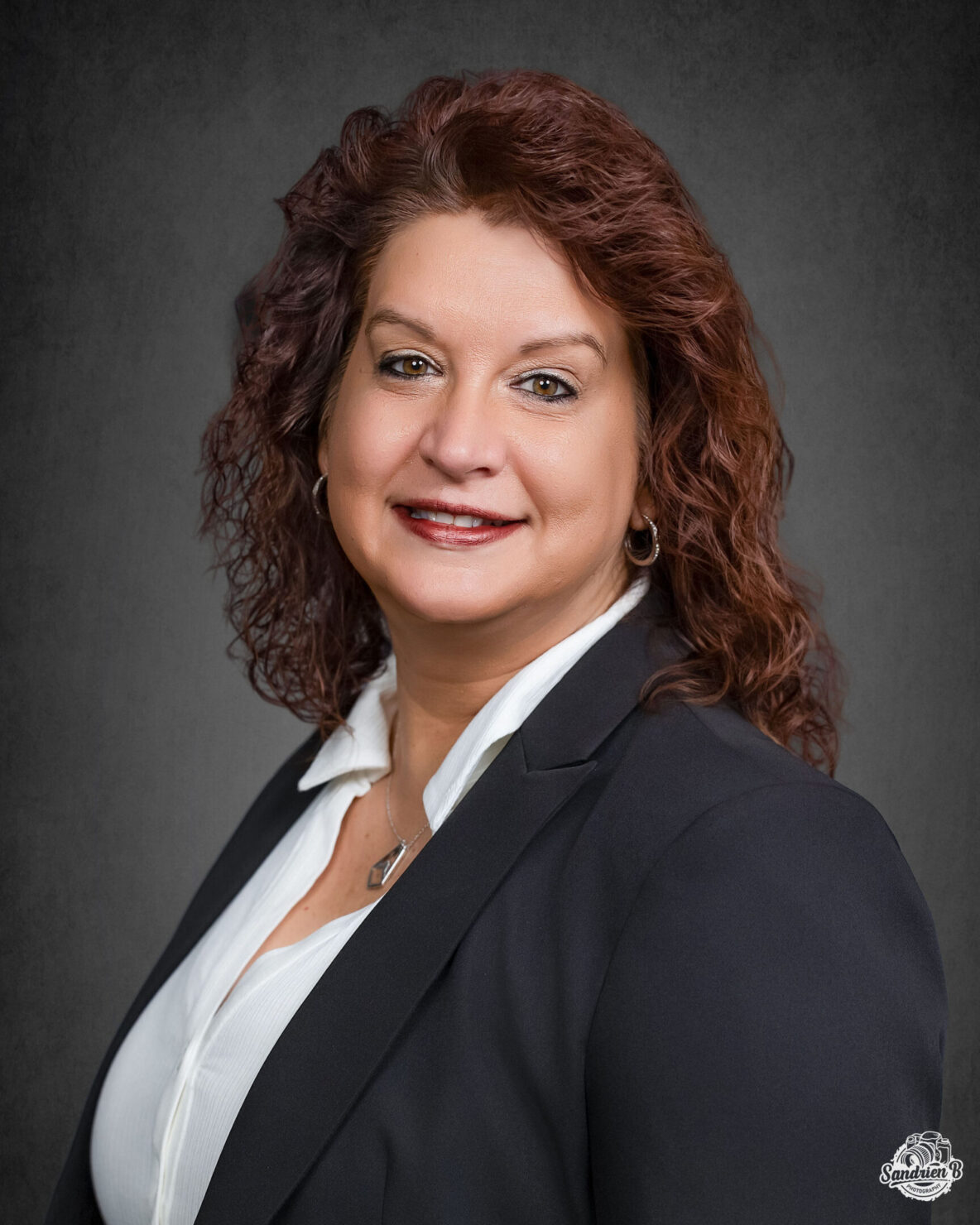
Jennifer Sorensen and the Landscape of California Workers' Compensation Defense
Jennifer Sorensen is a highly regarded attorney specializing in workers' compensation defense, currently serving as a Partner at Testan Law (formerly known as Adelson, Testan, Brundo, Novell & Jimenez). Based in California, she focuses...
Jennifer Sorensen is a highly regarded attorney specializing in workers' compensation defense, currently serving as a Partner at Testan Law (formerly known as Adelson, Testan, Brundo, Novell & Jimenez). Based in California, she focuses on representing employers, insurance carriers, and third-party administrators in complex litigation. Her expertise encompasses all aspects of workers' compensation law, including the defense of standard industrial injury claims, §132a discrimination claims, and Serious and Willful Misconduct allegations.
Contents
In the complex ecosystem of California labor law, defense attorneys like Jennifer Sorensen play a critical role in balancing the scales between injured workers' rights and the financial and operational stability of employers. As we navigate the legal environment of 2026, the nuances of workers' compensation have become increasingly technical, requiring practitioners to possess not only a deep understanding of the California Labor Code but also a mastery of medical-legal evaluations, apportionment, and the evolving digital landscape of the Workers' Compensation Appeals Board (WCAB).
The Role of a Defense Attorney in Workers' Compensation
Workers' compensation is designed as a "no-fault" system, meaning that employees do not need to prove their employer was negligent to receive benefits. However, this does not mean that every claim is straightforward or valid. Defense attorneys are tasked with ensuring that claims are handled according to strict statutory guidelines and that employers are not held liable for injuries or conditions that are not industrially related.
Case Management and Litigation Strategy
For a specialist like Jennifer Sorensen, the defense process begins long before a case reaches a courtroom. It starts with a comprehensive review of the "Application for Adjudication of Claim." Defense counsel must identify "threshold issues," such as whether the employment relationship existed at the time of injury or whether the injury occurred during the "course and scope" of employment.
In 2026, litigation strategy often involves the heavy use of data analytics to predict claim outcomes and the aggressive pursuit of "Utilization Review" (UR) and "Independent Medical Review" (IMR) to ensure that medical treatments are evidence-based and necessary. Defense attorneys coordinate with claims adjusters to determine when to settle via a "Compromise and Release" (C&R) versus a "Stipulated Finding and Award."
Navigating the WCAB
The Workers' Compensation Appeals Board is the judicial body that oversees disputes. Defense attorneys spend a significant portion of their time at "Mandatory Settlement Conferences" (MSC) and "Priority Conferences." Their goal is to resolve issues—such as the "Qualified Medical Evaluator" (QME) process or discovery disputes—without the need for a full trial before a Workers' Compensation Administrative Law Judge (WCALJ).
Specialized Defense: §132a and Serious and Willful Misconduct
While standard injury claims are the "bread and butter" of workers' compensation, practitioners like Jennifer Sorensen often handle high-stakes specialized litigation. These "ancillary" claims can significantly increase an employer’s exposure because they are often not covered by standard insurance policies, meaning the employer must pay the penalties directly.
Labor Code Section 132a Claims
Section 132a of the California Labor Code prohibits employers from discriminating against, or terminating, an employee because they filed a workers' compensation claim or expressed an intent to do so. A successful 132a claim can result in a 50% increase in the worker's compensation (up to a statutory cap), reinstatement of the job, and back pay.
Defense counsel must meticulously document the "business necessity" of any personnel actions taken against an injured worker to prove that the action was not retaliatory. In 2026, with the rise of remote and hybrid work models, defining "reinstatement" and "reasonable accommodation" has become a central point of contention in these cases.
Serious and Willful Misconduct (S&W)
An S&W claim alleges that the employer acted with a conscious disregard for the safety of the employee. This is a higher standard than mere negligence. If an employer is found guilty of Serious and Willful Misconduct, the compensation awarded to the injured worker is increased by 50%. Defending these cases requires a deep dive into OSHA (Occupational Safety and Health Administration) standards, internal safety protocols, and witness testimony to demonstrate that the employer took reasonable steps to provide a safe workplace.
Key Components of Workers' Compensation Defense in 2026
To provide a comprehensive defense, attorneys must master several technical areas of the law that undergo frequent updates through legislative shifts and case law precedents.
The QME and AME Process
The medical-legal evaluation is the cornerstone of any workers' compensation case. A "Qualified Medical Evaluator" (QME) or an "Agreed Medical Evaluator" (AME) provides the medical evidence used to determine the level of permanent disability, the need for future medical care, and the "apportionment" of the injury.
Defense attorneys must carefully vet the panel of doctors provided by the Medical Unit. This involves analyzing a doctor’s past reports for bias, understanding their familiarity with the "AMA Guides to the Evaluation of Permanent Impairment" (5th Edition), and preparing comprehensive "advocacy letters" that guide the physician toward the relevant legal questions.
Apportionment and Permanent Disability
One of the most effective ways to mitigate liability is through "apportionment." This is the process of determining what percentage of a permanent disability is due to the industrial injury versus what percentage is due to prior injuries, non-industrial conditions, or "pathology." Under California law (specifically Labor Code §§4663 and 4664), the employer is only responsible for the portion of the disability directly caused by the work injury. Defense counsel works closely with medical experts to ensure that apportionment is supported by "substantial medical evidence."
| Feature | Standard Workers' Comp Claim | §132a Discrimination Claim | Serious & Willful Misconduct |
|---|---|---|---|
| Primary Goal | Medical care and wage loss | Compensation for retaliation | Penalty for safety violations |
| Burden of Proof | Low (Industrial causation) | High (Discriminatory intent) | Very High (Conscious disregard) |
| Insurance Coverage | Usually fully covered | Often excluded/Self-insured | Usually excluded/Self-insured |
| Maximum Penalty | Statutory disability limits | 50% increase + Back pay | 50% increase in benefits |
| Key Evidence | Medical reports (QME/PTP) | HR records/Timeline of events | Safety logs/OSHA citations |
Current Trends in 2026 Workers' Compensation Law
The landscape of 2026 has introduced new challenges for defense practitioners. Legislative updates and societal shifts continue to redefine the boundaries of employer liability.
- Presumption Laws: California has expanded "presumptions" for certain classes of workers (like first responders and healthcare workers). These laws presume that certain illnesses, such as respiratory issues or post-traumatic stress disorder (PTSD), are work-related unless the employer can prove otherwise. Defense attorneys must develop specialized strategies to rebut these presumptions.
- Mental-Mental Claims: There has been a rise in "psychiatric-only" claims where no physical injury occurred. Defense counsel must ensure these claims meet the "predominant cause" threshold (at least 51% industrial causation) and evaluate whether the claim is barred by the "Good Faith Personnel Action" defense.
- Telehealth and Virtual Hearings: While the WCAB has returned to many in-person activities, the "hybrid" model remains. Attorneys like Sorensen must be adept at conducting cross-examinations of medical experts and witnesses via digital platforms, ensuring that the integrity of the evidence is maintained.
Educational and Professional Background
Jennifer Sorensen’s career is built on a strong academic foundation. She earned her Juris Doctor from Western State University College of Law, a prestigious institution known for producing many of California's top legal practitioners. Before law school, she attended the University of California, Riverside, where she earned her undergraduate degree.
Her tenure at Testan Law is significant. Testan Law is a national firm that has long been a leader in the field of workers' compensation defense. Being a Partner at such a firm implies a high level of trust from major insurance carriers and a track record of successful case resolutions. Her professional standing is often reflected in her involvement with local bar associations and her contributions to the continuing education of claims professionals.
The Importance of Experienced Defense Counsel
For an employer or an insurance carrier, the choice of defense counsel can mean the difference between a claim that costs $10,000 and one that costs $100,000. Experienced attorneys provide value by:
- Early Evaluation: Identifying "nuisance" claims early and settling them before litigation costs escalate.
- Expert Selection: Knowing which medical evaluators are fair and which have a history of inflated impairment ratings.
- Aggressive Discovery: Using depositions and "Subpoena Duces Tecum" (SDT) to uncover prior medical history that the applicant may not have disclosed.
- Legislative Compliance: Ensuring that all notices and payments are made within the strict timeframes required by the California Labor Code to avoid "audit penalties."
Common Questions Regarding Workers' Compensation Defense
What is the difference between a PTP and a QME?
A "Primary Treating Physician" (PTP) is the doctor responsible for the ongoing care of the injured worker. Their reports carry significant weight initially. A "Qualified Medical Evaluator" (QME) is an independent physician chosen from a state-issued panel to resolve disputes regarding the PTP’s findings. Defense attorneys often challenge a PTP’s findings by requesting a QME evaluation.
Can an employer choose the defense attorney?
In most cases, the insurance carrier chooses the defense attorney because they are the ones paying the claim. However, many large employers have "Right to Counsel" clauses in their policies or are "Self-Insured," allowing them to select specific experts like Jennifer Sorensen to handle their files.
What is a "Good Faith Personnel Action" defense?
Under California Labor Code §3208.3(h), an employer is not liable for a psychiatric injury if it was substantially caused by a lawful, non-discriminatory, good-faith personnel action. This includes performance reviews, discipline, or layoffs. Defense attorneys use this to protect employers from claims filed following legitimate management decisions.
How are attorney fees handled in workers' compensation?
In California, applicant attorney fees (usually 12-15% of the settlement) are deducted from the injured worker's award. Defense attorney fees are paid directly by the insurance company or the employer on an hourly basis. This is why "billing efficiency" and "case velocity" are important metrics for defense firms.
What is the "Exclusive Remedy" rule?
The "Exclusive Remedy" rule generally prevents an employee from suing their employer in civil court for a work-related injury. Instead, they must go through the workers' compensation system. Defense attorneys protect this "civil immunity" by ensuring that cases stay within the WCAB jurisdiction and don't spill over into more expensive personal injury litigation.
Strategic Recommendations for Employers
If you are an employer or claims professional working with defense counsel in 2026, consider the following actions to optimize your outcomes:
- Immediate Reporting: Report all injuries to your carrier immediately. Delays in reporting give the applicant more time to seek "attorney-represented" status before a defense strategy can be formed.
- Detailed Documentation: Maintain clear, contemporaneous records of all safety training and personnel actions. These are the primary weapons for defending against S&W and 132a claims.
- Open Communication: Provide your defense attorney with any "inside information" about the claimant, such as social media activity or physical hobbies, which can be invaluable for sub rosa (surveillance) operations.
- Review Reserve Estimates: Work with your attorney to ensure that "reserves" (money set aside for the claim) are accurate and reflect the realistic legal exposure of the file.
Professional Advice Limitation: The information provided in this article is for informational purposes only and does not constitute legal advice. Workers' compensation laws are subject to frequent legislative changes and judicial interpretations. Consult with a licensed attorney in your jurisdiction for specific legal guidance regarding individual cases or compliance requirements.
Image Gallery