Understanding Your Medicaid Insurance Group Number in 2026
A Medicaid insurance group number is a unique alphanumeric code that identifies the specific benefits package or managed care plan assigned to a group of beneficiaries. While your Member ID identifies you personally, the group number t...
A Medicaid insurance group number is a unique alphanumeric code that identifies the specific benefits package or managed care plan assigned to a group of beneficiaries. While your Member ID identifies you personally, the group number tells healthcare providers which specific state-contracted plan or administrative tier is responsible for covering your medical expenses and processing claims.
Contents
The administrative landscape of American healthcare is complex, and for those enrolled in Medicaid, the small strings of numbers on a plastic or digital ID card can feel like a secret language. However, these codes—specifically the group number—are the "routing instructions" for the multi-billion dollar mechanism of public health insurance. Understanding what these numbers mean is not just an academic exercise; it is a practical necessity for ensuring that your medical claims are paid on time, your prescriptions are filled without delay, and your eligibility is verified correctly at the point of care.
What is a Medicaid Group Number?
At its core, a Medicaid group number functions as a classification tool. Medicaid is a joint federal and state program, but in 2026, the vast majority of beneficiaries receive their care through a system known as Medicaid Managed Care. In this model, state governments contract with private insurance companies—such as UnitedHealthcare, Aetna, or Centene—to deliver services.
The group number identifies the specific contract or "group" of people under that insurance company’s umbrella. For example, a state might have one group number for healthy adults, another for individuals with disabilities, and a different one for children under the CHIP (Children's Health Insurance Program) initiative. This number tells the doctor’s billing office exactly which set of rules, co-pays (if any), and provider networks apply to your specific situation.
The Distinction Between Member ID and Group Number
It is common for beneficiaries to confuse their Member ID with their Group Number.
- Member ID: This is your "social security number" for the insurance world. It is unique to you. It tracks your personal medical history, your specific claims, and your individual eligibility status. Even if you change plans within the same state, your Member ID often stays the same, or is linked to your history.
- Group Number: This is a shared identifier. Thousands of other people may have the exact same group number as you. It represents the "bucket" of coverage you belong to. If the state renegotiates its contract with an insurer, the group number might change for everyone in that category simultaneously, whereas your Member ID remains personal.
The Role of the Group Number in Medicaid Managed Care
In 2026, the transition toward value-based care and integrated managed care models has made the group number more relevant than ever. When you visit a specialist, the first thing the receptionist does is "verify eligibility." They enter your group number into a portal linked to the state’s Medicaid Management Information System (MMIS).
The group number serves several critical functions in this digital exchange:
- Payer Identification: It confirms which insurance entity is the primary payer. This prevents "wrong-way" billing where a claim is sent to the state when it should have been sent to a private contractor like BlueCross BlueShield.
- Benefit Tiering: Medicaid benefits are not "one size fits all." Some group numbers are associated with "Full Medicaid," which covers everything from hospital stays to dental. Other group numbers might indicate "Limited Benefit" plans, such as those that only cover family planning or emergency services.
- Provider Network Verification: Most Managed Care Organizations (MCOs) use specific networks. The group number helps a provider’s office quickly determine if they are "in-network" for your specific plan.
Why the Group Number is Critical for Healthcare Providers
From the perspective of a hospital or a family clinic, the group number is the key to their revenue cycle. Without a valid group number, a medical claim is likely to be "scrubbed" or rejected by the insurance company’s automated systems.
Accuracy in Billing
When a claim is submitted electronically, it follows the HIPAA 837 standard for healthcare claims. Within this digital file, the Group Number (Loop 2000B, SBR03) is a mandatory field for many payers. If this field is left blank or contains an old number from a previous year, the insurance company’s computer will automatically reject the claim because it cannot match the patient to a specific financial contract.
Prior Authorizations
For many surgeries, high-cost imaging like MRIs, or specialized medications, the doctor must get "prior authorization." The insurance company’s authorization department uses the group number to look up the specific "Summary of Benefits and Coverage" (SBC). This document outlines what is medically necessary and what requires extra paperwork under that specific group’s rules.
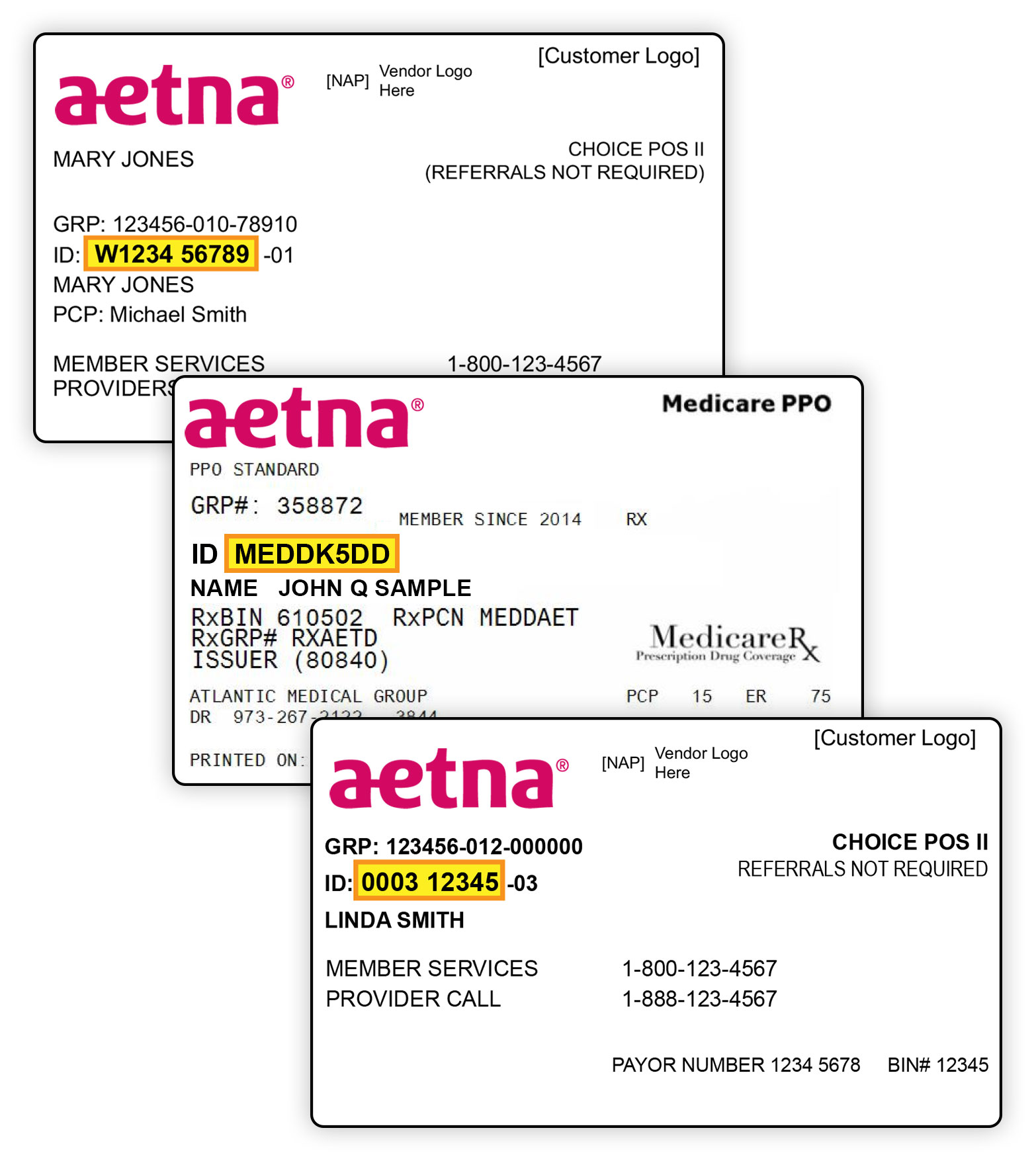
Locating the Group Number on Your Medicaid Card
While every state has a different card design, there are standard layouts that most insurance carriers follow. In 2026, many beneficiaries have transitioned to digital ID cards stored on smartphone apps, but the data fields remain the same.
On a physical card, look for the following labels:
- GRP or Group
- Group No.
- Policy Group
Usually, the group number is located near the top right or directly under the name of the insurance company. If you are in a state that uses "Fee-for-Service" (Traditional) Medicaid, you may notice that your card does not have a group number. In these cases, the State ID number is the only identifier needed, as the state government is the direct payer without an intermediary insurance company.
Technical Cousins: BIN, PCN, and RxGRP
When you go to a pharmacy, the pharmacist often asks for more than just your group number. They need "Pharmacy Claim Identifiers." These are technical codes that function similarly to a group number but are specific to your prescription drug benefits.
- BIN (Bank Identification Number): A six-digit number that tells the pharmacy computer which PBM (Pharmacy Benefit Manager) to send the bill to.
- PCN (Processor Control Number): An alphanumeric code that identifies a specific "plan" within the PBM.
- RxGRP (Pharmacy Group): This is essentially the "Group Number" specifically for your medications. It is often different from the medical group number found on the same card.
Comparison of Medicaid Identification Identifiers
| Identifier | Common Label | Purpose | Unique to You? |
|---|---|---|---|
| Member ID | ID #, Member No. | Personal identification and history tracking. | Yes |
| Group Number | GRP, Group # | Identifies the specific benefit contract/plan. | No |
| BIN | BIN | Routes pharmacy claims to the correct processor. | No |
| PCN | PCN | Specifies the drug plan level for the pharmacy. | No |
| Payer ID | Payer ID | A code used by billers to find the insurance company. | No |
What Happens if Your Group Number Changes?
Group numbers are not permanent. They can change for several reasons, and failure to update your doctor’s office can lead to unexpected bills.
- Annual Redetermination: Every year, Medicaid agencies review your income and household size. If your eligibility category changes (for example, if your income increases slightly but you remain eligible under a different program), you might be moved to a new group.
- State Contract Shifts: State governments frequently put Medicaid contracts up for bid. If a new insurance company wins the contract for your region, you will receive a new card with a new group number, even if your benefits look identical.
- Moving Jurisdictions: If you move to a different county or state, you will almost certainly be assigned a new group number, as Medicaid is administered locally.
If you receive a new card in the mail, it is vital to bring it to your next medical appointment. Do not assume the numbers are the same just because the insurance company's logo (like BlueCross) hasn't changed.
State-Specific Variations in Medicaid Documentation
The meaning and format of a group number can vary significantly depending on where you live. In states like California (Medi-Cal), the system often relies heavily on the "Benefits Identification Card" (BIC), where the group structure is managed through local COHS (County Organized Health Systems). In these cases, your group number is essentially tied to your county of residence.
In Texas, the STAR Medicaid program uses group numbers to distinguish between different health plans like Texas Children’s Health Plan or Superior HealthPlan. In New York, the group number on a Medicaid Managed Care card is often used to differentiate between "Essential Plans" and standard Medicaid, which have different funding streams and provider reimbursement rates.
Troubleshooting Missing or Incorrect Group Numbers
If you are at a doctor's office and they claim your group number is invalid, or if you cannot find one on your card, follow these steps:
- Check for "Fee-For-Service": Ask if the state is the direct payer. If you have "straight Medicaid," tell the receptionist there is no group number and they should use the State Payer ID.
- Verify the Carrier Portal: Log into your state's Medicaid portal or your insurance provider's app. Digital cards are updated in real-time and will always show the most current group number.
- Call Member Services: The phone number on the back of your card is the fastest way to verify a group number. Ask the representative, "What is my current group number for medical claims?"
- Confirm the Effective Date: Sometimes a group number is valid, but not yet "active." If you just enrolled, your coverage might not start until the first of the following month.
Practical Recommendations for 2026
As we move through 2026, the integration of healthcare data is increasing. To ensure your Medicaid group number works for you, maintain a digital copy of your insurance card on your phone. Most major Medicaid insurers now provide a mobile wallet feature. This ensures that even if you lose your physical card, you have the exact Group, BIN, and PCN numbers required for immediate care.
Always confirm your group number during your "annual renewal" period. Even a single digit change in a group number can signify a change in your co-payment responsibilities or your access to specific specialists. By staying proactive, you ensure that the "group" you belong to continues to provide the protections and services you are entitled to under the law.
Frequently Asked Questions
Can I have more than one group number? Typically, you will have one primary medical group number. However, if you have separate "carve-out" insurance for dental or vision, those cards will have their own unique group numbers. Additionally, your pharmacy group number (RxGRP) may be different from your medical one.
Is the group number the same as the Payer ID? No. The Payer ID is a 5-digit code used by billing software to find the insurance company (like "77777" for a specific state plan). The Group Number is specific to your plan within that company.
Why does my pharmacist need a different number than my doctor? Pharmacies use a system called NCPDP standards, while doctors use HIPAA/X12 standards. Because these systems "speak" different technical languages, pharmacies require the BIN and PCN numbers to process your drug claims in real-time.
Does a group number affect my co-pay? Yes. The group number is the primary way the insurance company’s computer knows whether you are in a category that requires a co-pay (such as "Medicaid Expansion Adults" in some states) or a category that is exempt (such as pregnant women or children).
What if my card has a "Suffix" instead of a group number? Some older state systems use a Member ID followed by a two-digit suffix (like -01 or -02). In these cases, the suffix often acts as a way to distinguish between family members on the same policy, while the "group" information is embedded in the main ID or handled internally by the state.
Image Gallery