Comprehensive Guide to Foundation Repair in Lubbock, TX: 2026 Homeowner Manual
Foundation repair in Lubbock, Texas, is a critical home maintenance requirement driven primarily by the region’s expansive clay soils and semi-arid climate. Homeowners typically resolve these issues using pressed concrete pilings or st...
Foundation repair in Lubbock, Texas, is a critical home maintenance requirement driven primarily by the region’s expansive clay soils and semi-arid climate. Homeowners typically resolve these issues using pressed concrete pilings or steel piers to stabilize the structure. Costs in 2026 range from $3,500 for minor stabilization to over $25,000 for extensive perimeter and interior piering, depending on the degree of settlement.
Contents
Understanding Lubbock’s Unique Soil Challenges
The geological composition of the Llano Estacado, where Lubbock is situated, presents specific challenges for residential and commercial foundations. The region is characterized by Amarillo fine sandy loam, which often overlies thick layers of caliche and highly expansive clay. This clay is chemically reactive to moisture; it expands significantly when wet and shrinks drastically during West Texas’s frequent drought cycles.
In 2026, climate patterns continue to show extreme shifts between prolonged dry spells and sudden, heavy precipitation. This "edge moisture variation" is the primary catalyst for foundation movement. When the soil around the perimeter of a home dries out faster than the soil beneath the center of the slab, the resulting differential settlement causes the concrete to bend and eventually crack. Furthermore, the presence of caliche—a hardened natural cement of calcium carbonate—can complicate the installation of deep-driven piers, requiring specialized equipment to penetrate the rock-like layers to reach stable load-bearing strata.
Recognizing Symptoms of Foundation Failure in West Texas
Identifying foundation distress early can prevent a localized issue from becoming a catastrophic structural failure. In Lubbock, the signs of movement are often categorized into interior and exterior symptoms.
Exterior Indicators
- Stair-step Cracking: This is most common in the mortar joints of brick veneer. If the crack follows a diagonal "stair" pattern, it indicates that one section of the foundation is sinking relative to the rest.
- Separation Around Windows and Doors: Gaps appearing between the window frames and the brickwork suggest the wall is pulling away from the structure.
- Fascia Board Separation: Gaps at the corners of the roofline or where the trim meets the siding often indicate the house is "tilting" or "spreading."
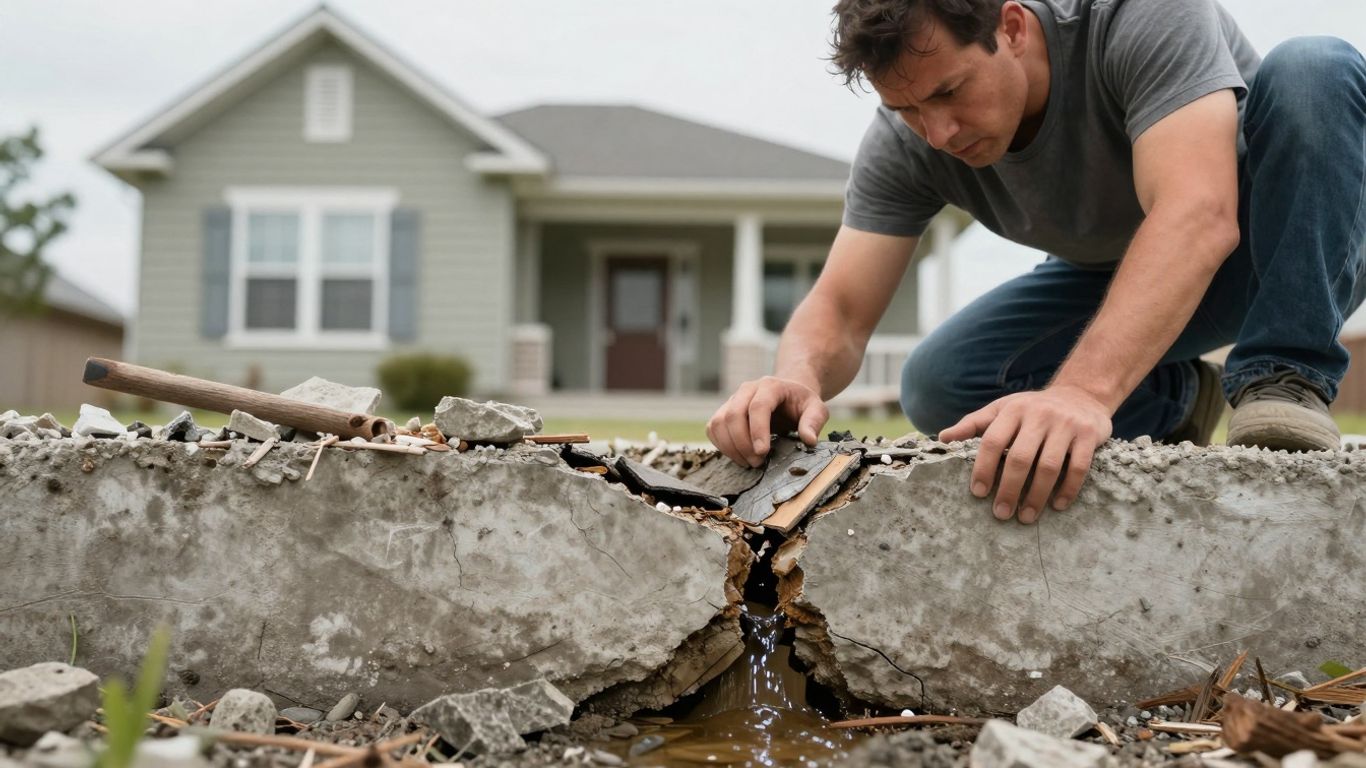
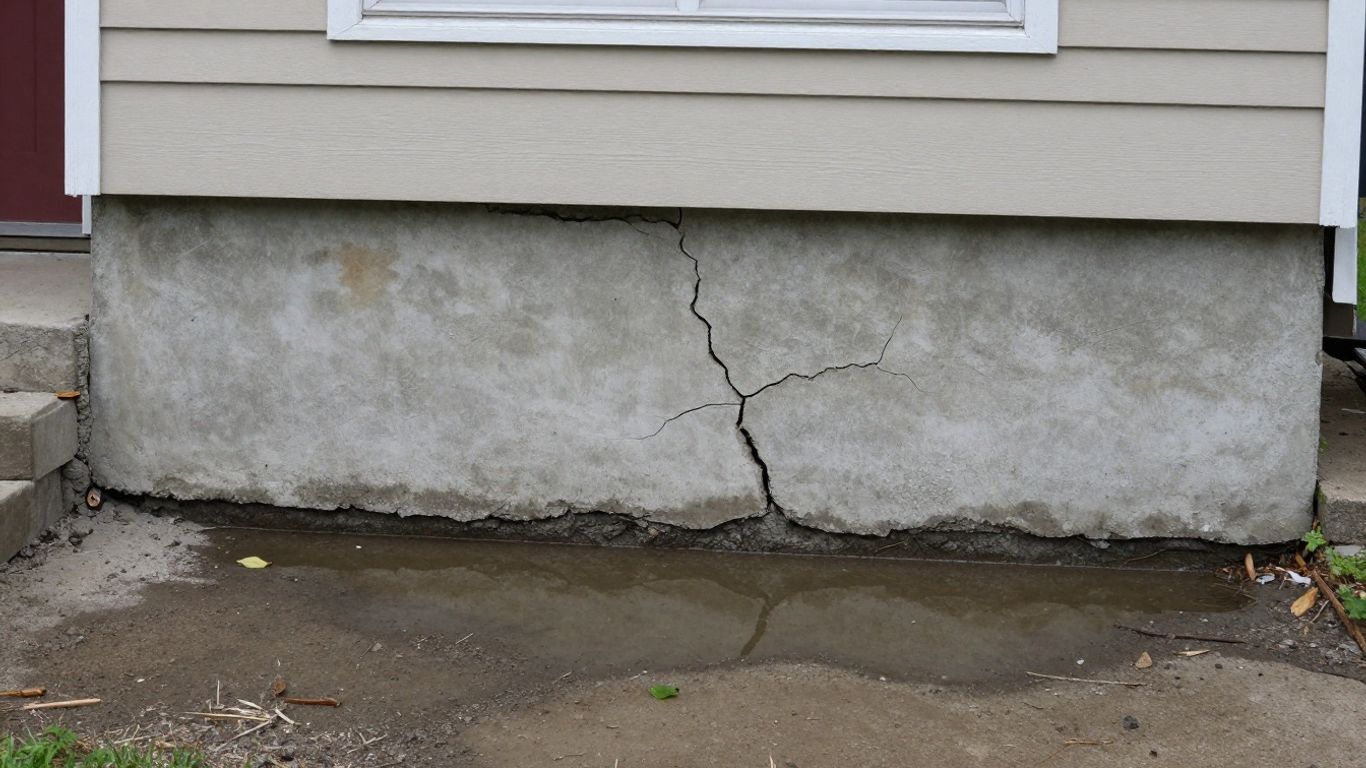
- Foundation Rotation: In some cases, the entire perimeter beam may rotate outward, visible at the ground level where the concrete slab meets the soil.
Interior Indicators
- Door and Window Functionality: Doors that suddenly stick, swing open on their own, or fail to latch are classic signs of a shifted frame.
- Sheetrock Cracks: Look for diagonal cracks originating from the corners of door frames or windows. Horizontal cracks near the ceiling can also indicate "heaving," where moisture causes the soil to push the slab upward.
- Floor Unevenness: Sloping floors or "high spots" in the center of a room often point to interior pier failure or plumbing leaks beneath the slab.
- Baseboard Gaps: If the floor pulls away from the baseboards, leaving a visible gap, the slab has likely dropped.
Primary Foundation Repair Methods Used in Lubbock
Technological advancements in 2026 have refined the methods used to stabilize West Texas homes. The choice of method depends on the soil depth, the weight of the structure, and the homeowner's budget.
Pressed Concrete Pilings
This is the most common method in Lubbock due to its cost-effectiveness. It involves driving pre-cast concrete cylinders (usually 6 inches in diameter and 12 inches long) into the ground using the weight of the house as leverage.
- Pros: Lower cost, relatively fast installation, and effective for many residential loads.
- Cons: These piers are "friction-based" and may shift if the soil moisture levels change significantly again.
Steel Piers
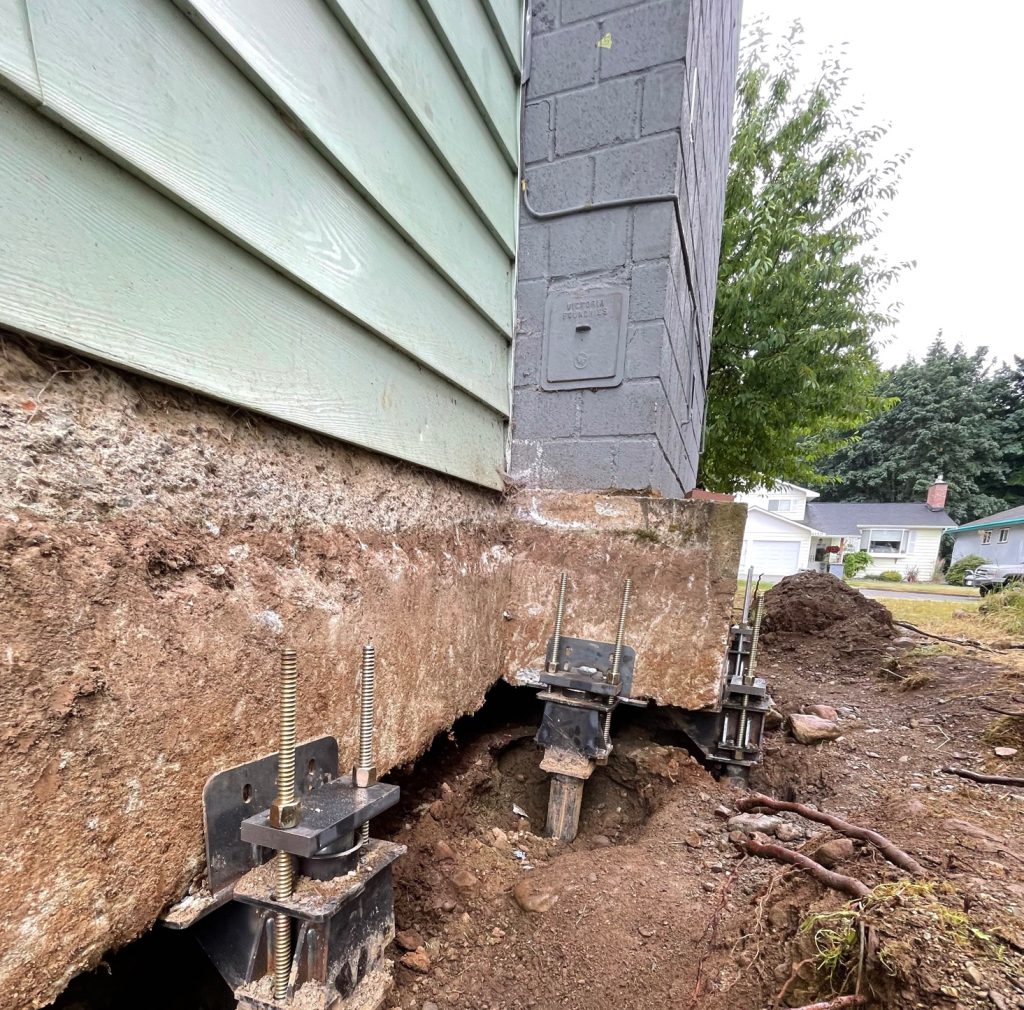
Steel piers are considered a more permanent, albeit more expensive, solution. These are heavy-duty steel tubes driven deep into the earth until they hit "bedrock" or a verified load-bearing stratum.
- Pros: They reach much greater depths than concrete, making them immune to surface soil moisture changes. They have a very high success rate for heavy or multi-story homes.
- Cons: Higher material costs and specialized hydraulic equipment requirements.
Helical Piers
Often used for lighter structures or in areas with specific soil tension requirements, helical piers feature screw-like blades that are rotated into the ground. They are excellent for preventing both settlement and "heave" (upward movement).
Polyurethane Foam Injection (Polyjacking)
For sinking porches, driveways, or interior garage floors, polyjacking is the preferred 2026 standard. A high-density foam is injected through small holes in the concrete. The chemical reaction causes the foam to expand, lifting the concrete and compacting the loose soil underneath.
The Cost of Foundation Repair in Lubbock (2026)
Pricing for foundation repair is rarely flat-rate; it is calculated based on the number of supports (piers) required and the depth of the installation.
| Repair Component | Estimated Cost (2026) | Notes |
|---|---|---|
| Pressed Concrete Pier | $450 – $650 per pier | Includes labor and materials. |
| Steel Pier | $900 – $1,300 per pier | Recommended for deeper stable soil requirements. |
| Polyurethane Injection | $2,500 – $5,500 | Variable based on the square footage of the void. |
| Engineering Report | $500 – $1,000 | Essential for independent verification of damage. |
| Hydrostatic Leak Test | $350 – $600 | Required to check for plumbing leaks post-lift. |
| Standard Perimeter Repair | $8,000 – $15,000 | Typical for a 1,500 sq. ft. ranch-style home. |
Note: These figures are estimates based on local Lubbock market trends in 2026 and can vary based on landscaping obstacles and accessibility.
The Role of Structural Engineers
In Texas, the foundation repair industry is not regulated by a specific state licensing board for "foundation contractors." Therefore, the Texas Board of Professional Engineers and Land Surveyors plays a vital role.
Before hiring a repair company, it is highly recommended to commission an independent Structural Engineer's Report. An engineer does not sell a repair service; their sole job is to provide an unbiased assessment of whether the foundation actually needs repair or if the movement is within "tolerable limits." Many Lubbock homeowners find that what looked like a $20,000 failure was simply minor cosmetic settling that could be managed through better drainage.
Preventative Maintenance for the West Texas Climate
Prevention is significantly cheaper than repair. Because Lubbock experiences extreme evaporation rates, homeowners must manage the "active zone" of the soil surrounding their foundation.
- Soaker Hose Systems: Installing soaker hoses 12 to 18 inches away from the foundation can help maintain consistent moisture levels. The goal is not to soak the ground but to prevent the clay from pulling away from the concrete during the summer.
- Proper Drainage: Ensure that gutters and downspouts discharge water at least 5 feet away from the foundation. In Lubbock, many homes suffer from "ponding" near the slab after a heavy thunderstorm, which leads to localized heaving.
- Root Barriers: Large trees, such as Elms or Oaks, can transpire hundreds of gallons of water a day. If these trees are too close to the home, their roots will dehydrate the soil under the slab, causing it to drop. Installing root barriers can mitigate this risk without removing the tree.
Choosing a Contractor: Verification and Warranties
When selecting a foundation repair company in Lubbock, the warranty is often the most important part of the contract. However, a warranty is only as good as the company’s longevity.
- Lifetime Transferable Warranties: Most reputable firms offer a warranty that stays with the house even if it is sold. Ensure the contract specifies what constitutes a "failure" (usually defined as movement exceeding 1 inch).
- Insurance and Bonding: Verify that the contractor carries general liability insurance and workers' compensation.
- Local Reputation: Check the Better Business Bureau (BBB) of West Texas for recent complaints or resolutions.
Frequently Asked Questions
Does homeowners insurance cover foundation repair in Lubbock? In most cases, no. Standard policies typically exclude "earth movement" or "settlement." However, if the foundation damage was caused by a "sudden and accidental" plumbing leak (such as a burst pipe under the slab), your insurance may cover the cost of accessing the leak and a portion of the repair. Check your specific policy for a "Foundation/Water Backup" rider.
How long does the average repair take? For a standard residential home in Lubbock, the actual pier installation usually takes 3 to 5 business days. If interior piers are required, the process may take longer as it involves cutting through the flooring and the slab inside the home.
Can I sell my house with foundation issues in Texas? Yes, but Texas law requires full disclosure of any known structural defects. Most buyers will struggle to get traditional financing (FHA/VA) for a home with active foundation failure, often forcing a price reduction or requiring the seller to complete repairs prior to closing.
Is it better to use concrete or steel piers in Lubbock? This depends on your specific location. In areas of Lubbock with very deep clay, steel piers are superior because they can reach the stable soil that concrete pilings might not. However, for many neighborhoods built on shallower caliche layers, concrete pilings provide sufficient support at a more accessible price point.
What is a hydrostatic test, and why do I need one? A hydrostatic test involves plugging the sewer lines and filling them with water to see if the level drops, indicating a leak. Foundation movement often breaks old cast-iron or PVC pipes. If you level the house but leave a leaking pipe underneath, the new water will quickly destabilize the new repairs.
Final Recommendation
If you suspect your Lubbock home has foundation issues, your first step should be a consultation with a third-party structural engineer. Avoid high-pressure sales tactics from repair companies until you have an objective plan of repair. Given the soil conditions of 2026, consistent moisture management remains the single most effective way to protect your investment and avoid the high costs of structural stabilization.
Image Gallery