Spectrum Pricing Strategy and Cost Breakdown in 2026
Spectrum pricing refers to the economic models and fee structures utilized by Charter Communications (operating as Spectrum) for internet, television, mobile, and home phone bundles. Navigating these costs requires understanding promot...
Spectrum pricing refers to the economic models and fee structures utilized by Charter Communications (operating as Spectrum) for internet, television, mobile, and home phone bundles. Navigating these costs requires understanding promotional periods, standard rates, equipment fees, and regional variations that impact the total monthly bill.
Contents
Understanding the Structure of Spectrum Service Plans
Spectrum organizes its service offerings primarily around standalone broadband connections and multi-product bundles, frequently marketed as "Spectrum One" or similar promotional packages. When evaluating current telecommunications expenses, consumers must look past initial introductory rates to grasp the long-term financial commitment.
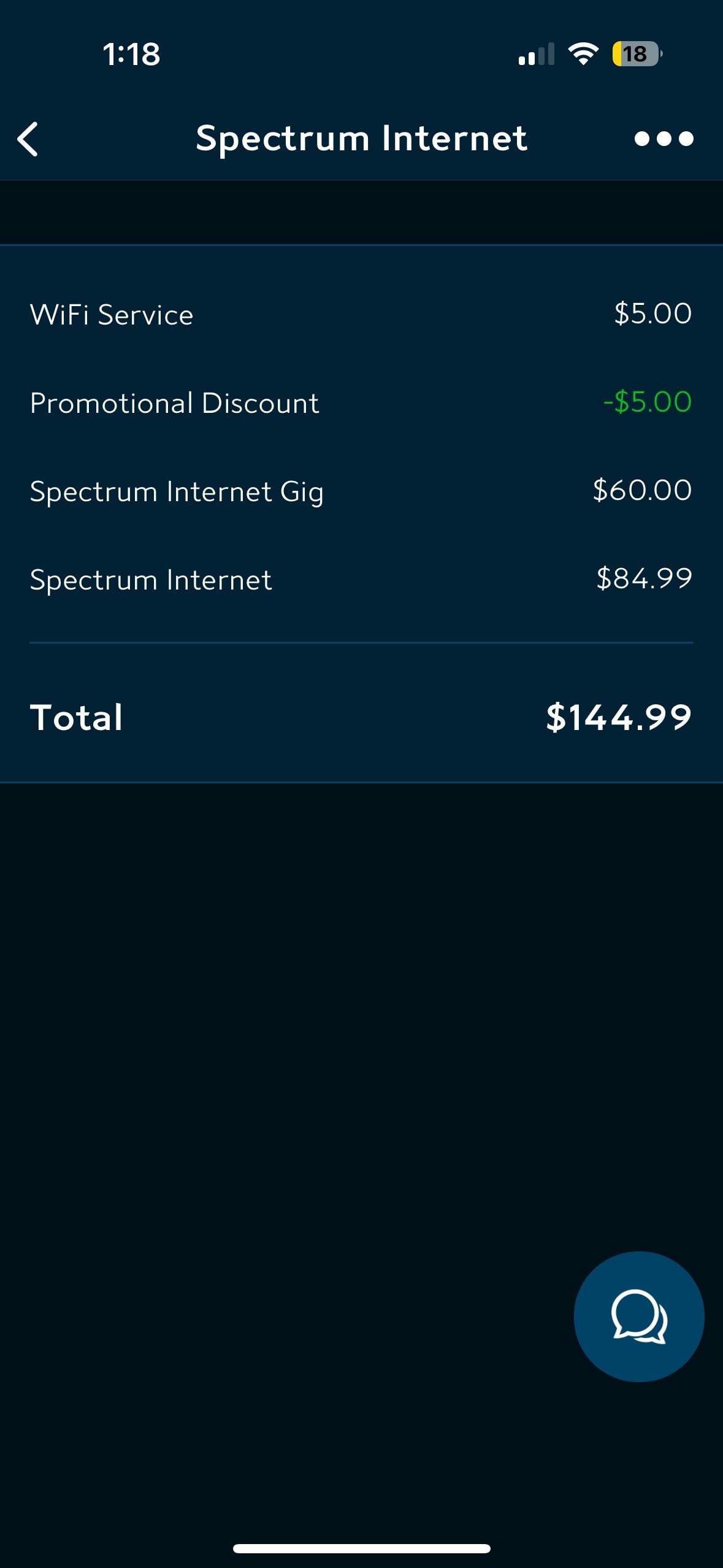
The underlying framework of telecommunications billing relies heavily on a 12-to-24-month promotional pricing model. During the initial phase, subscribers receive steep discounts designed to incentivize migration from competing fiber or cable providers. Once this promotional window lapses, accounts transition automatically to standard month-to-month pricing, which typically increases the monthly outlay significantly.
Beyond base service fees, modern pricing models account for data consumption tiers, upload and download symmetry limitations on legacy hybrid fiber-coaxial (HFC) networks, and the integration of mobile virtual network operator (MVNO) lines through Spectrum Mobile. Understanding these components prevents unexpected bill shock when introductory agreements expire.
Core Internet Tier Pricing and Speed Classifications
Broadband internet forms the backbone of Spectrum's service architecture. Service tiers are differentiated by downstream and upstream bandwidth capabilities, mapped against specific pricing brackets for both promotional and standard periods.
- Spectrum Internet (Base Tier): Designed for standard households with moderate streaming and browsing needs. Delivers download speeds starting at 300 Mbps, with promotional rates typically locked in for the first 12 to 24 months.
- Spectrum Internet Ultra: Tailored for heavy multi-user households, remote work environments, and moderate 4K streaming. Delivers download speeds up to 500 Mbps.
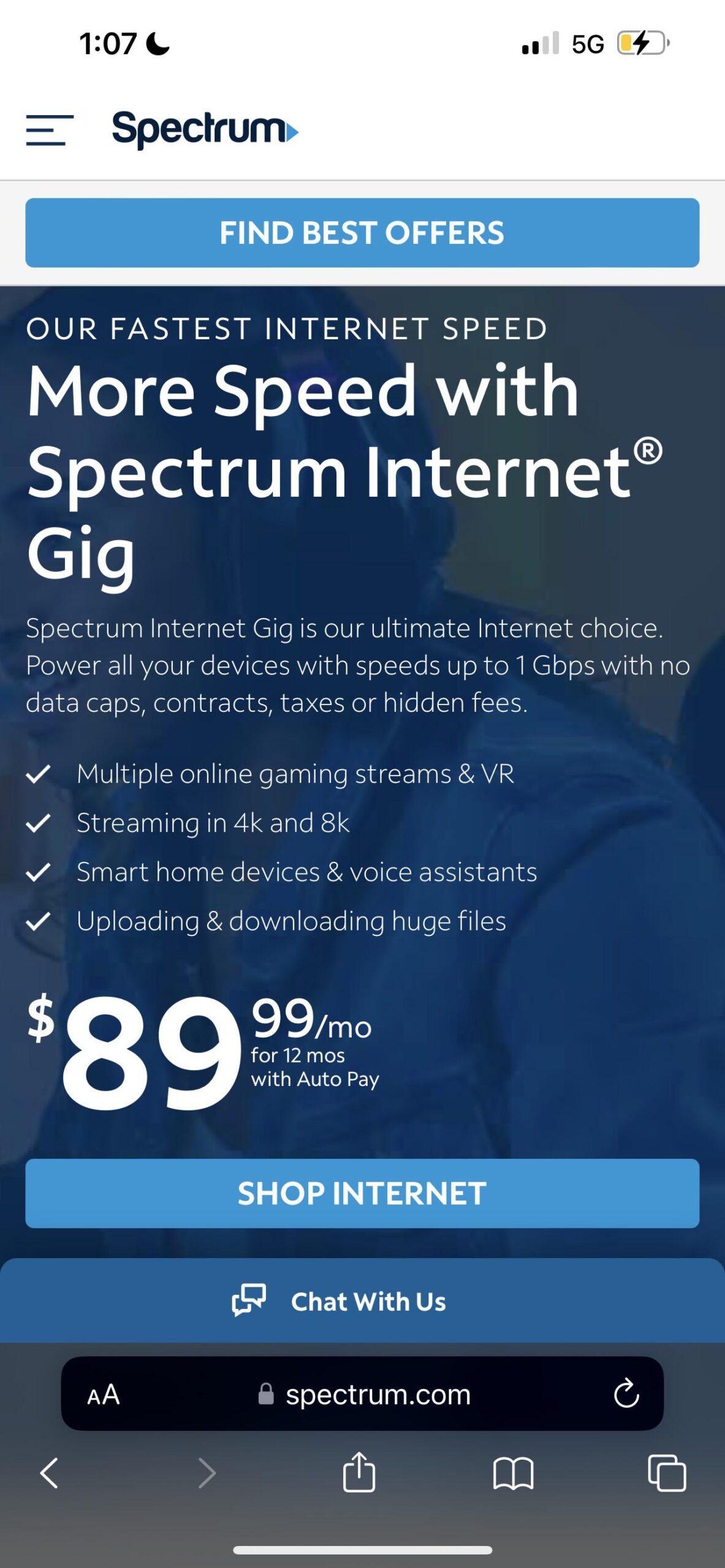
- Spectrum Internet Gig: The highest standard residential tier, providing download speeds up to 1 Gigabits per second, engineered for data-intensive applications, large file transfers, and smart home ecosystems.
Standard residential broadband pricing scales progressively with each tier. However, users must account for regional infrastructure differences. Areas upgraded with high-split architecture supporting symmetrical speeds may feature distinct pricing configurations compared to legacy plant areas.
Comprehensive Comparison of Spectrum Service Tiers and Costs
Evaluating television, internet, and mobile options requires a clear side-by-side analysis of typical introductory figures versus standard baseline rates.
| Service Tier / Product | Typical Promotional Rate (First 12-24 Months) | Standard Rate (Post-Promotion) | Included Equipment / Notes |
|---|---|---|---|
| Spectrum Internet (300 Mbps) | Competitively discounted introductory tier | Standard non-promotional monthly rate | Advanced WiFi router included; no data caps. |
| Spectrum Internet Ultra (500 Mbps) | Moderate introductory tier | Standard non-promotional monthly rate | Higher bandwidth for multi-device households. |
| Spectrum Internet Gig (1 Gbps) | Premium promotional tier | Standard non-promotional monthly rate | Maximum available residential speed tier. |
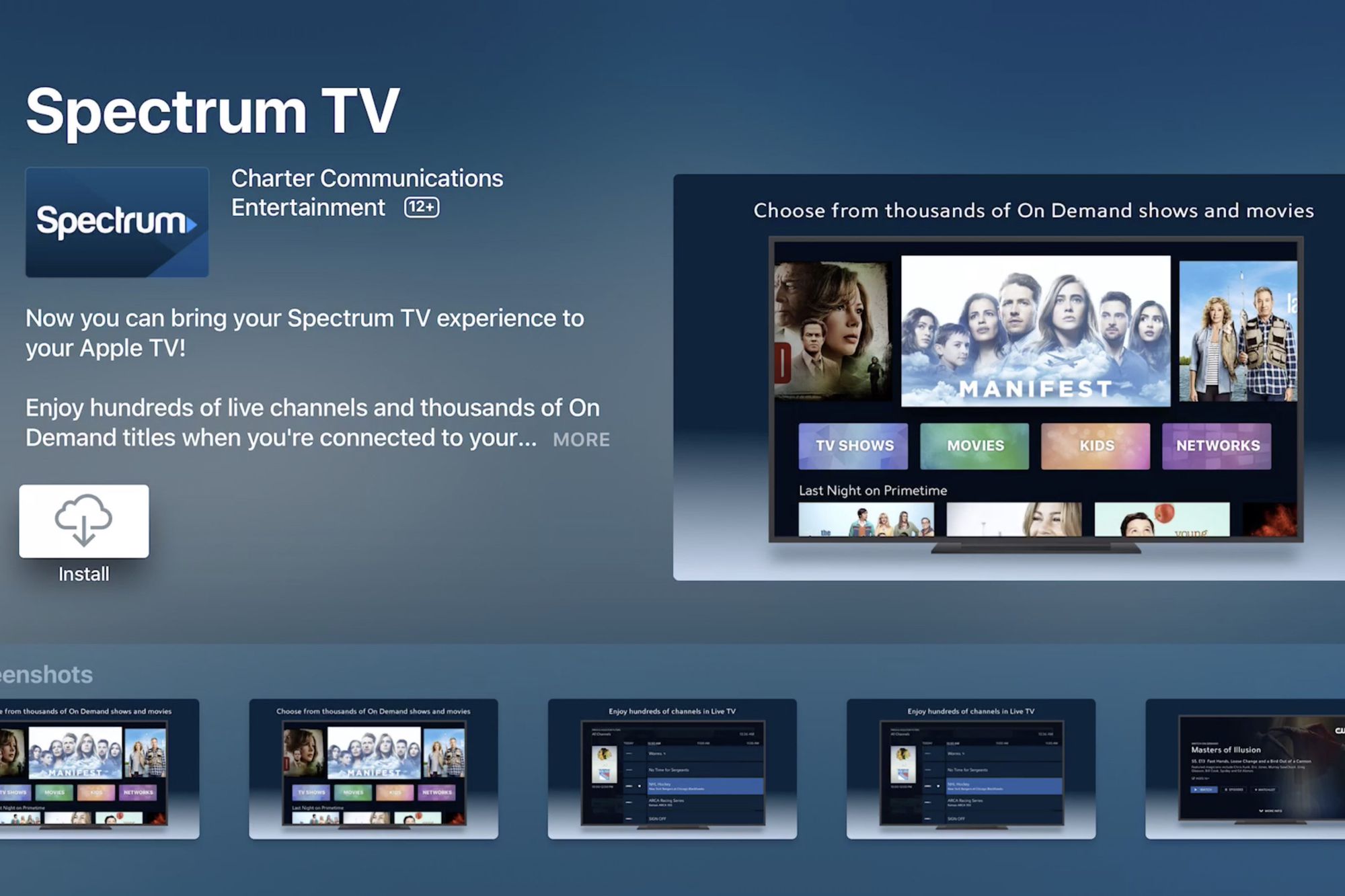
| Spectrum TV Select Plus | Bundled or promotional channel rate | Standard broadcast and cable rate | Requires Spectrum receiver or compatible smart TV app. |
| Spectrum Mobile (Unlimited) | Per-line introductory or multi-line discount | Standard per-line rate | Operates on major cellular networks with Wi-Fi offloading. |
Hidden Fees, Equipment Rentals, and Additional Surcharges
A comprehensive financial evaluation of cable and internet services must account for mandatory and optional line-item additions that alter the total cost of ownership.
Equipment and Wi-Fi Fees
Historically, cable providers charged separate monthly rental fees for cable modems and wireless routers. Spectrum includes an Advanced Home WiFi router with its standard internet service tiers, eliminating the recurring monthly equipment rental fee for the router. However, subscribers utilizing traditional set-top boxes, digital adapters, or CableCARDs for television services may still encounter monthly receiver fees per television terminal.
Broadcast TV Surcharges and Regional Sports Fees
Television plans carry non-negotiable pass-through costs. The Broadcast TV Surcharge covers the retransmission consent fees charged by local network affiliates, while the Regional Sports Fee covers the cost of distributing regional sports networks. These fees fluctuate periodically based on content licensing agreements and are added directly to standard television billing statements regardless of whether the subscriber watches sports or local broadcast channels.
Installation and Activation Charges
New service activations often incur a one-time professional installation fee or a self-installation activation charge. While self-installation kits minimize upfront costs, professional technician visits are billed to establish new line drops or configure complex whole-home networking configurations.
Strategies for Managing and Reducing Your Monthly Bill
Mitigating rising telecommunications costs requires proactive account management and a clear understanding of provider policies regarding promotional retention.
- Monitor Promotional Expiration Dates: Mark calendar dates for when introductory discounts end to anticipate price jumps before they appear on billing statements.
- Evaluate Bundle Efficiency: Calculate whether combining internet, television, and mobile services yields a net savings compared to utilizing standalone fiber or 5G home internet combined with streaming services.
- Contact Retention Departments: When standard rates take effect, contacting customer support to review available loyalty discounts or repackaging options can sometimes secure temporary rate adjustments.
- Audit Connected Devices and Tiers: Assess actual bandwidth consumption to determine if downsizing from a Gigabit tier to a standard 300 Mbps tier satisfies household requirements without sacrificing performance.
Frequently Asked Questions About Spectrum Pricing
Does Spectrum require annual service contracts for its pricing tiers?
No, Spectrum operates on a month-to-month service model without long-term binding service contracts for standard residential plans. Subscribers can cancel or modify services without early termination fees, though promotional pricing discounts are contingent upon maintaining active account status.
Are there data caps or overage charges on Spectrum internet plans?
Spectrum does not enforce hard data caps or overage fees on standard residential internet service tiers. Subscribers can utilize unlimited data without facing throttling or extra charges for heavy streaming or downloading.
Why did my monthly bill increase after the first year?
Monthly bills increase because introductory promotional discounts expire after 12 or 24 months, automatically transitioning the account to standard non-promotional baseline rates. Additionally, adjustments to broadcast TV surcharges or regional sports fees can cause minor fluctuations in total monthly costs.
Can I use my own modem and router to avoid fees?
Subscribers can use their own approved cable modems to connect to the network, provided the hardware meets DOCSIS 3.0 or DOCSIS 3.1 technical specifications. Because Spectrum includes the Advanced Home WiFi router without a monthly rental fee on standard internet plans, utilizing a personal router is optional rather than a direct cost-saving measure.
What is the most cost-effective way to get Spectrum service?
Opting for standalone internet combined with third-party streaming services or leveraging Spectrum Mobile bundle promotions typically provides the most predictable monthly expenditure. Avoiding legacy cable box rentals by utilizing streaming apps on smart TVs or streaming devices further minimizes monthly equipment overhead.
Evaluate your current household bandwidth consumption and review your billing statements today to determine if transitioning service tiers or contacting customer support can optimize your monthly telecommunications expenditures.
Image Gallery