Why You Should Pop That Pimple Carefully: A Guide to Safe Extraction and Risk Management
Popping a pimple without care can lead to permanent scarring, deep-tissue infections, and post-inflammatory hyperpigmentation. While dermatologists generally recommend against self-extraction, understanding the correct technique—focusi...
Popping a pimple without care can lead to permanent scarring, deep-tissue infections, and post-inflammatory hyperpigmentation. While dermatologists generally recommend against self-extraction, understanding the correct technique—focusing on sterilization and timing—is essential to minimize skin trauma and prevent bacteria from spreading into deeper dermal layers.
Contents
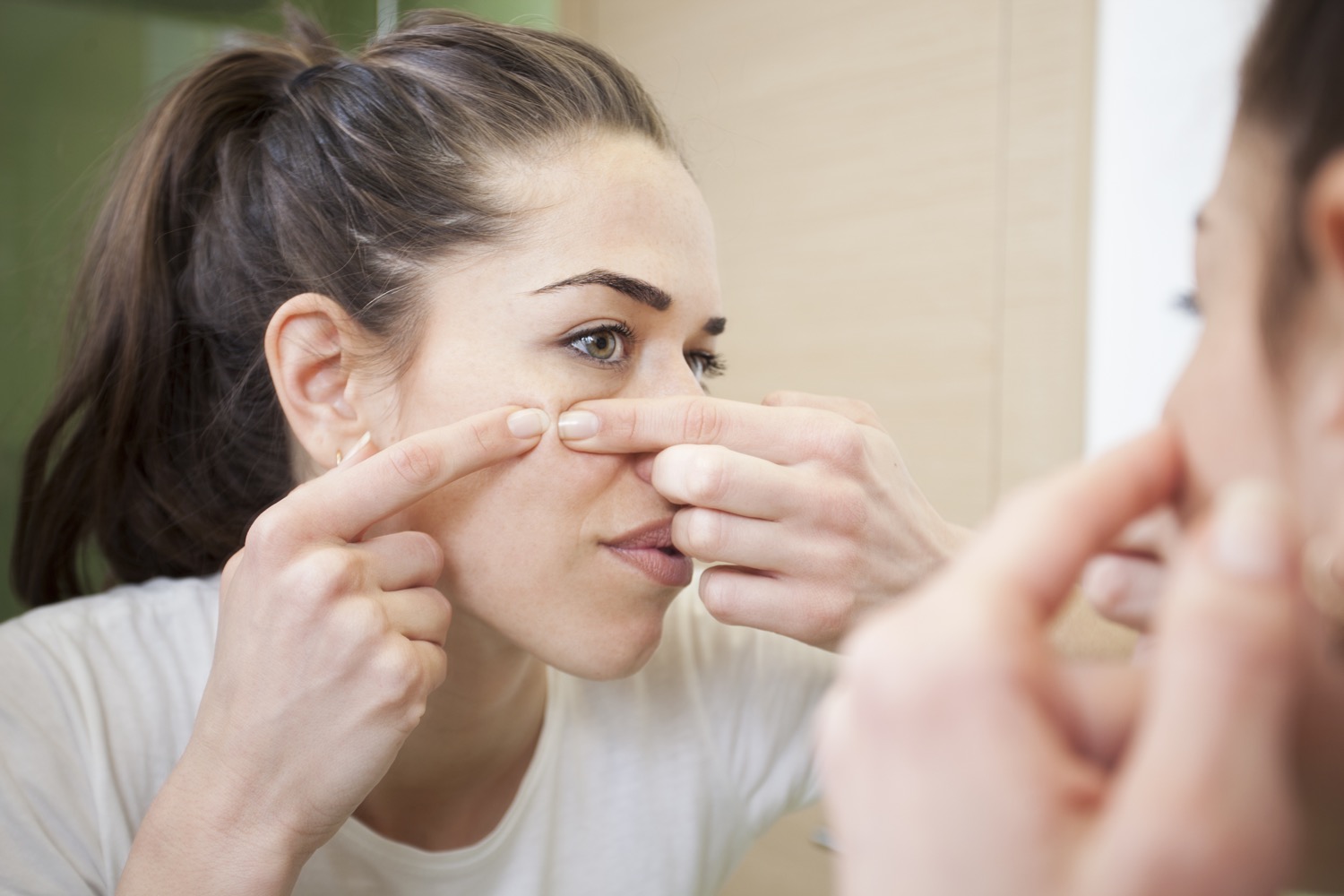
The urge to squeeze a blemish is a common human impulse, often driven by the desire for immediate cosmetic relief. However, the skin is a complex organ, and a pimple is more than just a surface-level nuisance; it is an active inflammatory site. As of 2026, clinical dermatology continues to emphasize skin barrier integrity as the primary defense against chronic acne and premature aging. When you "pop" a pimple carelessly, you are essentially creating a puncture wound in a compromised area of the skin.
This guide explores the biological risks of improper extraction, the specific types of acne that should never be touched, and the protocols you must follow if you choose to perform an extraction at home.
The Biological Anatomy of a Pimple
To understand why careful handling is necessary, one must understand what is happening beneath the surface. A blemish typically forms within the pilosebaceous unit, which consists of a hair follicle and a sebaceous (oil) gland. When sebum, dead skin cells, and Cutibacterium acnes bacteria become trapped, an inflammatory response is triggered.
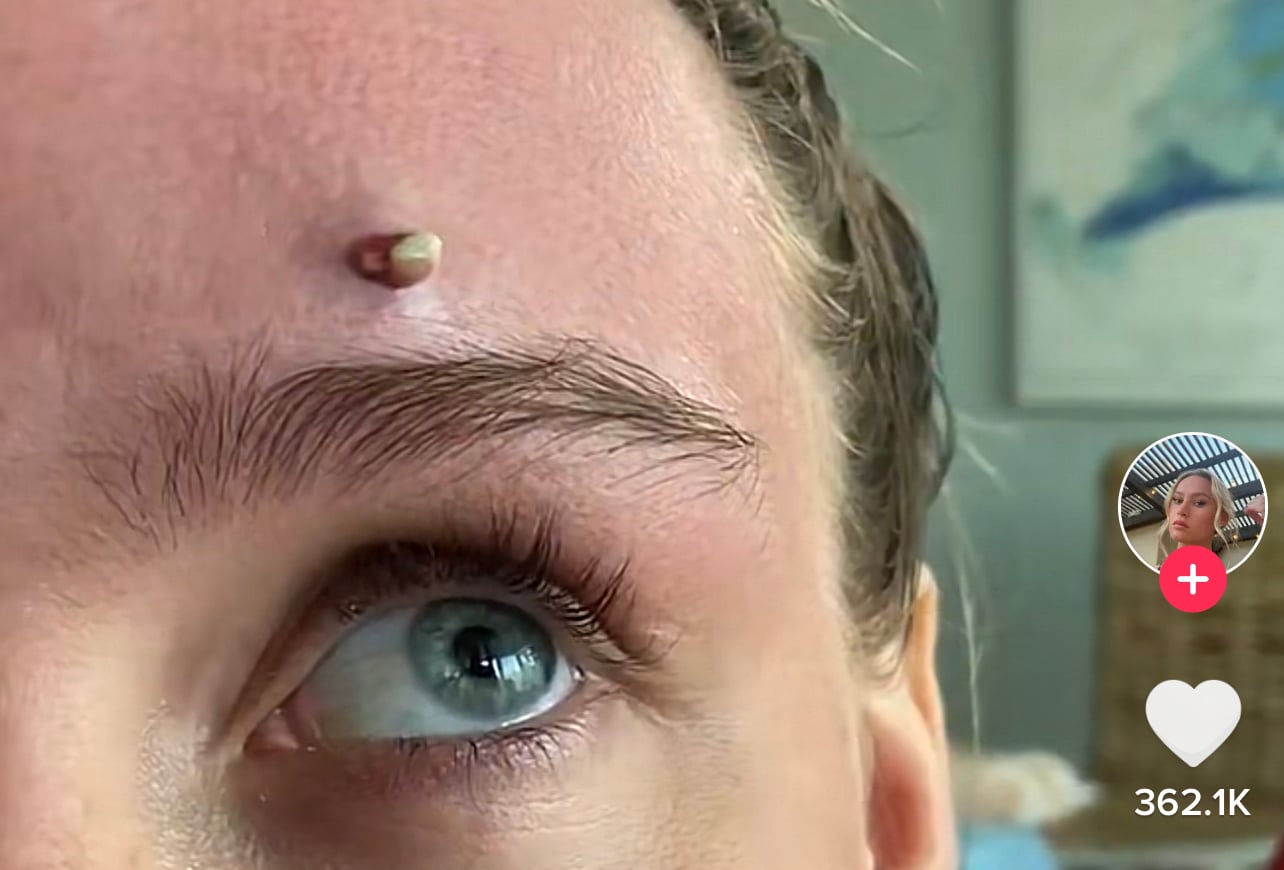
When a pimple reaches the "whitehead" stage, the pus—a mixture of white blood cells, cellular debris, and bacteria—is positioned near the surface of the epidermis. This is a controlled inflammatory pocket. When you apply pressure to this pocket carelessly, the force does not only go "up and out." A significant portion of the pressure goes "down and in." This can rupture the follicle wall, spilling bacteria and inflammatory contents into the deeper dermis. This internal rupture is what leads to the most severe forms of acne complications, including cystic nodules and permanent structural damage to the skin's collagen.
The Critical Risks of Careless Extraction
The consequences of an "aggressive" or "dirty" pop range from temporary redness to life-threatening infections. Understanding these risks is the first step in practicing skin safety.
1. Permanent Atrophic and Hypertrophic Scarring
When the skin is torn by fingernails or excessive pressure, the body’s healing response may be disrupted. Atrophic scars (depressions like "ice pick" or "boxcar" scars) occur when the skin cannot regenerate enough tissue to fill the void left by the infection. Conversely, hypertrophic scars occur when the body produces too much collagen, resulting in a raised bump. Unlike the pimple itself, these scars are often permanent and require expensive laser treatments or subcision to correct.
2. Post-Inflammatory Hyperpigmentation (PIH)
For many, the dark spot left behind is worse than the original pimple. Careless popping triggers melanocytes—the cells responsible for skin pigment—to produce excess melanin as part of the wound-healing process. This results in red, purple, or brown spots that can take months or even years to fade. Using "careful" methods reduces the total inflammatory load, thereby reducing the intensity of PIH.
3. The "Danger Triangle" of the Face
There is a specific anatomical region known as the "danger triangle" or "triangle of death," which extends from the bridge of the nose to the corners of the mouth. The veins in this area have a direct path to the cavernous sinus, a venous sinus located at the base of the brain. While extremely rare in 2026 due to modern hygiene, an untreated infection from a popped pimple in this area can theoretically lead to cavernous sinus thrombosis, a life-threatening condition involving blood clots or brain infections.
Determining Which Pimples are "Safe" to Pop
Not all blemishes are created equal. Identifying the type of acne you are dealing with is the most important prerequisite for any extraction attempt.
| Pimple Type | Appearance | Extraction Safety | Recommended Action |
|---|---|---|---|
| Whitehead (Pustule) | Visible white center, red border | Conditionally Safe | Wait for a "head," then extract with sterile tools. |
| Blackhead (Comedone) | Open pore with dark plug | Safe | Use gentle pressure or a salicylic acid dissolve. |
| Papule | Hard, red, painful bump | Unsafe | Apply warm compress; never squeeze. |
| Cyst/Nodule | Deep, large, painful, no head | Extremely Dangerous | See a dermatologist for a cortisone injection. |
| Blind Pimple | Felt under skin, not visible | Unsafe | Use a hydrocolloid patch to draw it to the surface. |
Why You Must Never Touch "Blind" Pimples
A "blind" pimple is a lesion that is deep within the dermis and has no visible "head" or connection to the surface. Attempting to pop these is an exercise in futility that results in massive inflammation. Because there is no exit path for the fluid, the pressure you apply will only damage the surrounding healthy tissue, often turning a small bump into a large, purple bruise or a recurring cyst.
The "Careful" Extraction Protocol (2026 Guidelines)
If you have a mature whitehead that is causing discomfort or significant cosmetic distress, follow these steps to minimize damage. This protocol focuses on medical-grade sterilization and mechanical precision.
Step 1: Sanitation and Preparation
Cleanse your hands with antibacterial soap for at least 30 seconds. Thoroughly wash your face with a gentle, pH-balanced cleanser to remove surface oils and environmental pollutants. Sterilize any tools—such as a professional comedone extractor or a thin lancet—with 70% isopropyl alcohol.
Step 2: The Warm Compress
Apply a clean, warm (not hot) washcloth to the area for 5 to 10 minutes. This serves two purposes: it softens the hardened sebum (the "plug") and increases blood flow to the area, which helps the skin’s natural immune response. A softened plug requires significantly less pressure to remove, which is the key to preventing scars.
Step 3: Gentle Extraction Technique
If using a lancet, gently prick the very top of the whitehead. The goal is to create a tiny "door" for the pus to exit. Do not use your fingernails, as they harbor bacteria and create a "shearing" force that tears the skin. Instead, use two sterile cotton swabs (Q-tips). Apply pressure down and then inward from the sides of the pimple.
The Golden Rule: If the contents do not come out with very light pressure, the pimple is not ready. Stop immediately.
Step 4: Knowing When to Stop
Once the white/yellow pus is removed, you may see a clear fluid or a tiny amount of blood. Stop here. Continuing to squeeze to get "everything" out will only damage the capillaries and lead to bruising and PIH.
Step 5: Post-Extraction Care
Cleanse the area again with a gentle antiseptic. In 2026, the gold standard for post-pop care is the hydrocolloid bandage. These "pimple patches" create a moist, sterile environment that sucks out remaining fluids and prevents you from touching or picking at the resulting scab. Avoid applying high-strength retinols or exfoliating acids (like glycolic acid) directly onto the open wound for at least 24 hours.
Alternatives to Extraction
In many cases, the "careful" choice is not to pop at all. Modern skincare technology in 2026 offers several highly effective alternatives:
- Salicylic Acid (BHA): Oil-soluble acid that penetrates the pore to dissolve the plug from the inside out.
- Benzoyl Peroxide: An antimicrobial agent that kills C. acnes bacteria and introduces oxygen into the pore, which bacteria cannot survive.
- Sulfur Spot Treatments: An "old-school" but effective method to dry out the surface of a pustule overnight.
- Micro-dart Patches: These patches contain tiny, dissolving needles made of hyaluronic acid and salicylic acid that deliver active ingredients directly into the heart of a developing blemish.
Professional Advice Limitation
This article is for informational purposes only and does not constitute medical advice, diagnosis, or treatment. Always seek the advice of a board-certified dermatologist or other qualified health provider with any questions regarding a medical condition. Never disregard professional medical advice or delay in seeking it because of something you have read here.
FAQ
Why does my pimple keep coming back in the same spot?
This usually happens because the entire "sac" or the deep-seated plug was not fully removed, or the follicle wall was damaged during a previous extraction, making it a "path of least resistance" for future clogs. If a blemish recurs more than three times in the exact same pore, it may be a sebaceous cyst that requires professional surgical excision.
Is it safe to use a sewing needle to pop a pimple?
It is not recommended. Sewing needles are often too thick and may not be truly sterile, even if held over a flame (which can create carbon deposits). If you must use a sharp tool, purchase a pack of sterile, single-use medical lancets designed for diabetic blood testing or skincare extractions.
How do I get rid of the red mark after popping?
The redness is caused by dilated blood vessels and inflammation. Use ingredients like niacinamide, centella asiatica (cica), or azelaic acid to calm the skin. Ensure you apply SPF 30 or higher every day; UV exposure darkens these marks and makes them last significantly longer.
Can popping a pimple cause a staph infection?
Yes. Staphylococcus aureus is a common bacterium found on the skin. If you create an open wound (by popping) and your hands or tools are not clean, the bacteria can enter the bloodstream or deeper tissue, leading to cellulitis or more severe systemic infections.
Professional Recommendations and Next Steps
The safest way to manage acne is through prevention and professional care. If you find yourself frequently needing to extract blemishes, consider the following actions:
- Consult a Professional: A dermatologist can perform "extractions" in a sterile environment using specialized tools that minimize trauma.
- Evaluate Your Routine: Look for non-comedogenic products and ensure you are double-cleansing if you wear makeup or heavy sunscreen.
- Invest in Quality Patches: Keep a supply of hydrocolloid patches on hand to manage the "urge" to pick while effectively treating the blemish.
Image Gallery