Why Installing Solar Panels on a Colorbond Roof Isn’t Always Simple
Installing solar panels on a Colorbond roof involves specific technical challenges related to the material's thermal properties, the risk of galvanic corrosion, and the integrity of the roofing fasteners. While Colorbond steel is a dur...
Installing solar panels on a Colorbond roof involves specific technical challenges related to the material's thermal properties, the risk of galvanic corrosion, and the integrity of the roofing fasteners. While Colorbond steel is a durable and popular choice for modern roofing, it requires specialized mounting hardware, precise weatherproofing techniques, and rigorous adherence to manufacturer installation guidelines to prevent leaks and structural degradation.
Contents
The Material Reality of Colorbond Roofing
Colorbond is a proprietary brand of prepainted, hot-dipped zinc-aluminium alloy coated steel. Unlike traditional terracotta or concrete tile roofs, which rely on heavy interlocking units, Colorbond is a lightweight, thin-gauge sheet metal. This presents a unique set of physics-based challenges for installers.
The primary concern is thermal expansion. Metal roofs expand and contract significantly more than tiles as they cycle through daily temperature fluctuations. A solar array—which consists of heavy aluminium rails and glass-faced modules—creates a "bridge" that can constrain this movement if not installed correctly. If the mounting points are rigid and the system does not account for the thermal movement of the steel sheets, the screw penetrations can elongate, eventually leading to water ingress or damage to the roof sheeting.
The Risk of Galvanic Corrosion
One of the most technically demanding aspects of installing solar on metal is the prevention of galvanic corrosion, also known as dissimilar metal corrosion. This occurs when two different metals are in electrical contact in the presence of an electrolyte, such as moisture or salt-laden air.
When a stainless steel fastener or an aluminium mounting bracket is placed in direct contact with a zinc-aluminium coated steel roof, a chemical reaction can accelerate the corrosion of the roof material. To mitigate this, professional installers use specific components:
- EPDM Rubber Seals: High-quality washers are mandatory to isolate the bracket from the roof surface.
- Non-Conductive Barriers: Ensuring that fasteners are coated or designed to prevent direct metal-on-metal contact.
- Compatibility Checks: Ensuring that all mounting hardware is rated for use with Zincalume or Colorbond substrates.
Structural Penetration and Weatherproofing
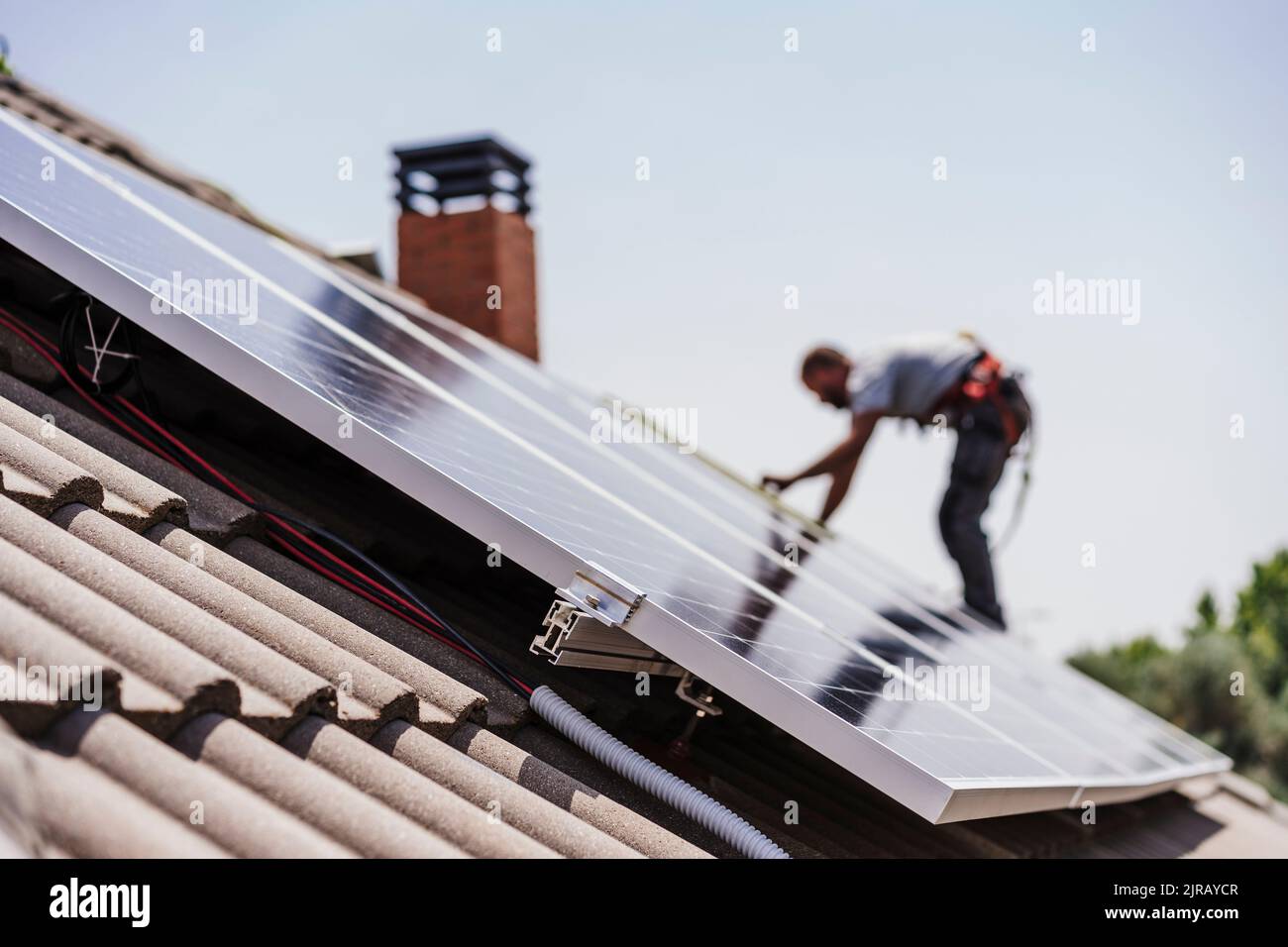
Every solar panel installed on a Colorbond roof requires the installer to drill multiple holes through the metal sheeting to reach the purlins (the structural members underneath) or to fasten directly into the steel deck. Each of these penetrations is a potential leak point.
Professional installers utilize specific "roofing screws" with bonded EPDM washers that expand to create a watertight seal. However, if the screw is over-tightened, the washer can deform or tear; if it is under-tightened, the seal will not be secure. Furthermore, because Colorbond is often fixed to steel battens, finding the precise center of the batten through the insulation and the roof sheet requires precision. Missing the batten leaves a hole in the roof that can be difficult to seal effectively, leading to internal water damage that may not be detected until the next significant rainfall event.
Comparing Installation Methods
The method chosen to secure the solar array significantly impacts the roof's long-term health. The following table outlines the most common approaches used in 2026.
| Method | Mechanism | Primary Advantage | Primary Risk |
|---|---|---|---|
| Purlin-fixed | Screws pass through the roof into the steel frame. | Maximum structural strength. | Higher risk of missed studs/leaks. |
| Batten-fixed | Anchors attach to steel or timber battens. | Easier to locate attachment points. | Limited load-bearing capacity. |
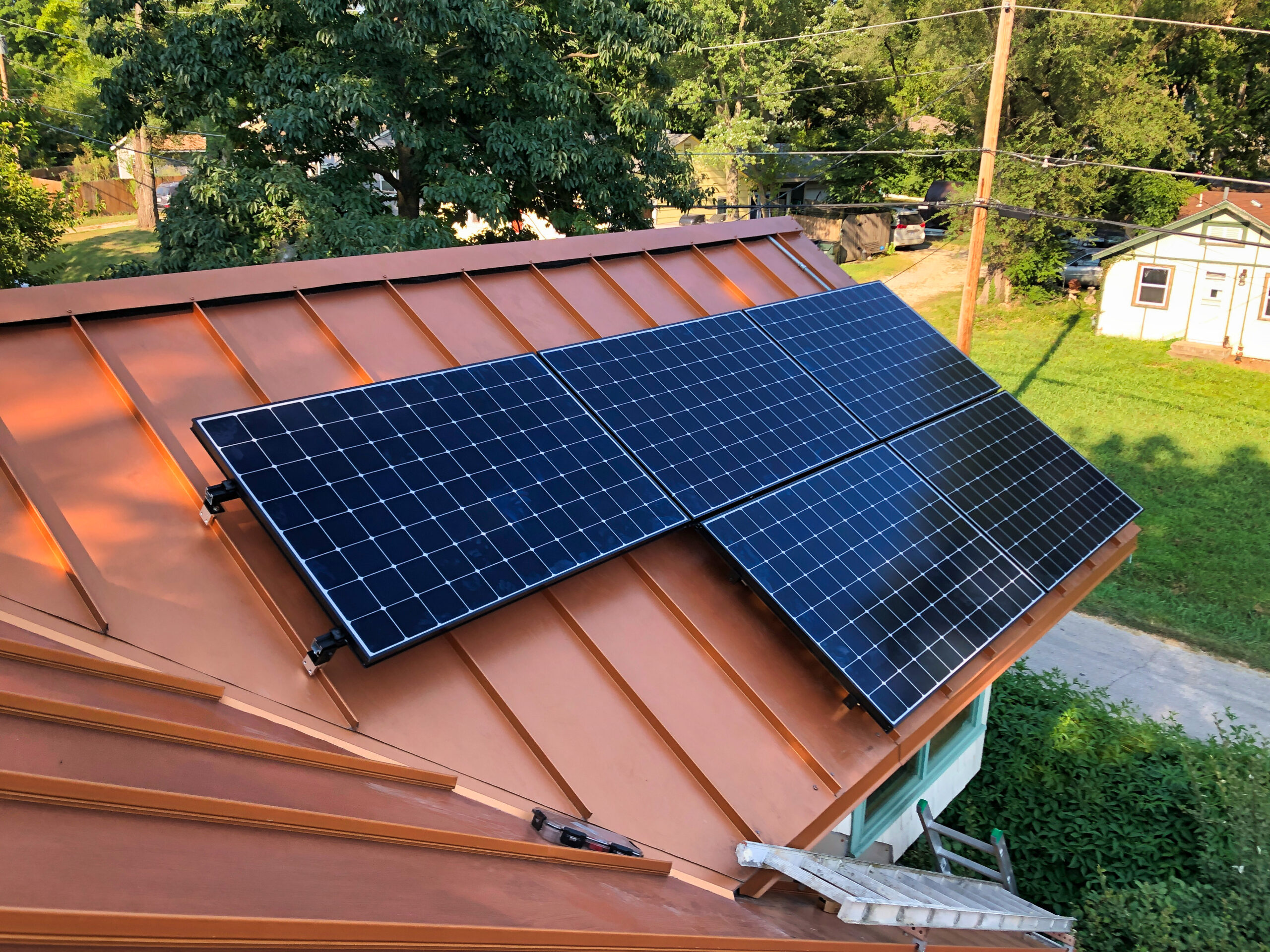
| Clamping Systems | Clips grip the standing seam of the metal. | No holes in the roof (non-penetrative). | Limited to specific roof profiles. |
The Impact of Roof Pitch and Profile
Colorbond comes in various profiles, such as Corrugated (Custom Orb), Trimdek, and Klip-Lok. The profile dictates where the mounting bracket must be placed. For instance, mounting on the "rib" of a sheet provides different structural support compared to mounting in the "pan" (the flat area).
Installing in the pan is generally discouraged because it is the primary water-carrying channel of the roof. If the sealant around a bolt in the pan fails, water will pool directly over the hole. Experienced installers prioritize rib-mounting where possible, as the height of the rib keeps the penetration above the normal water flow line. Additionally, the pitch of the roof dictates the safety equipment required; steep Colorbond roofs are notoriously slippery, especially if there is morning dew or dust buildup, necessitating professional height-safety systems that comply with local Work Health and Safety (WHS) regulations.
Managing System Loads and Warranties
A major consideration for homeowners is the interaction between solar installation and existing roof warranties. Bluescope, the manufacturer of Colorbond, provides specific guidelines regarding the maintenance and modification of their roofing products.
If an installer drills unnecessary holes, uses incompatible fasteners, or fails to clean up "swarf"—the tiny metal shavings created when drilling—the warranty can be voided. Swarf is particularly dangerous; if left on the roof, these iron filings will rust, creating small pit marks that eat into the Colorbond coating, leading to premature "tea staining" and degradation of the roof surface. A professional installation must include a thorough "de-swarfing" process, where all metal filings are brushed or vacuumed away immediately after the holes are drilled.
Frequently Asked Questions
1. Can solar panels cause my Colorbond roof to rust? If installed correctly, no. However, if the installer leaves metal shavings (swarf) on the roof after drilling, these particles will rust and corrode the protective coating of the Colorbond, leading to localized rusting. Always ensure your installer uses proper cleanup protocols.
2. Is it better to mount solar panels on the ribs or the pans of the roof? It is almost always better to mount on the ribs. The ribs are the high points of the roof profile, which minimizes the risk of water ingress if a seal begins to degrade over time.
3. Do I need to remove my solar panels to re-paint my roof? Yes. Because the panels are mounted directly to the roof structure, any major roofing work like painting or replacement will require a solar technician to decommission and remove the array, and then re-install it afterward.
4. How does the warranty of the roof affect my solar installation? Modifying a roof can impact the manufacturer's warranty. It is essential to use certified installers who follow the roofing manufacturer’s guidelines regarding fasteners and mounting methods to keep your existing building warranties intact.
5. Are non-penetrative mounting systems worth the extra cost? For roofs that support standing-seam mounting, non-penetrative systems are excellent because they eliminate the risk of leaks entirely. However, they are not compatible with all Colorbond profiles, so they are not always an option.
Final Recommendation
The success of a solar installation on a Colorbond roof relies heavily on the quality of the mounting hardware and the precision of the technician. Before proceeding, ask your solar provider to specify the type of mounting hardware they intend to use, confirm they have experience with your specific roof profile, and ensure their quote includes a guarantee against roof leaks and a commitment to removing all drilling debris. If you are unsure about the structural integrity of your roof, it is advisable to have a roof inspector verify the condition of the purlins before the solar mounting brackets are attached.
Image Gallery