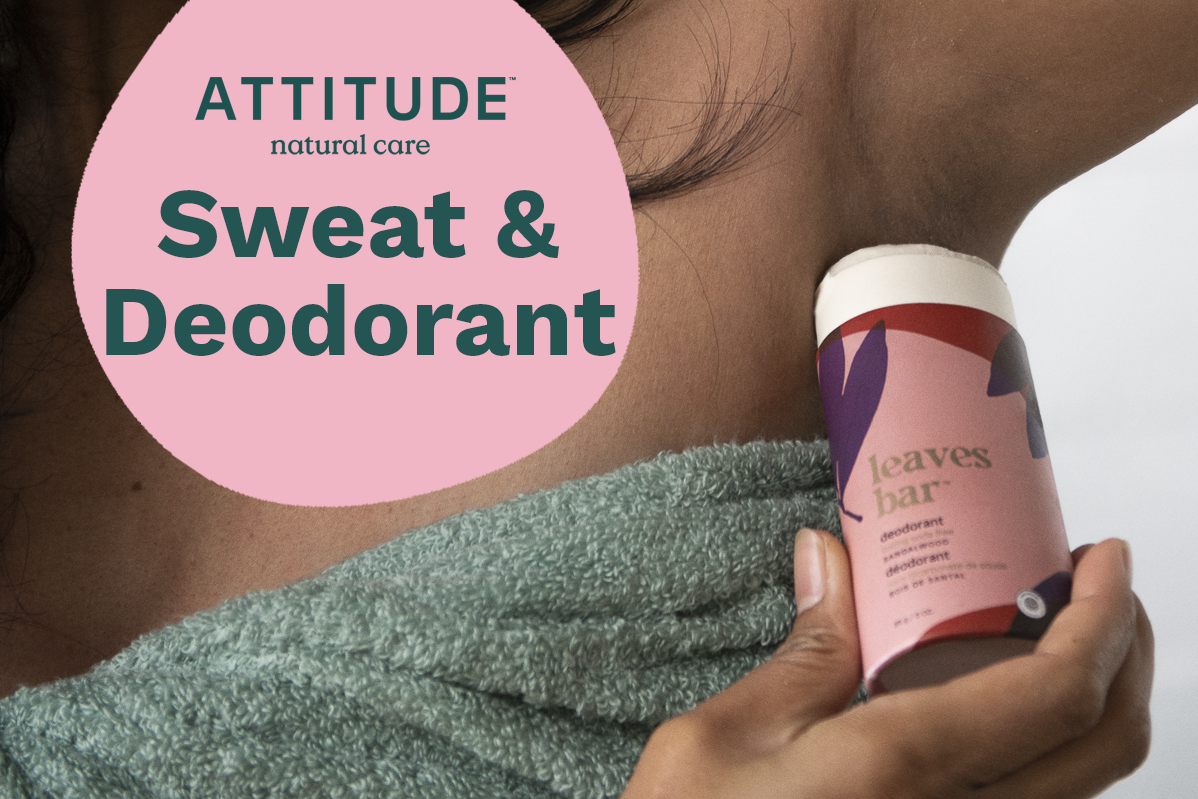
Why the Antiperspirant You Use Can Make You Sweat More
It may seem counterintuitive, but your antiperspirant can occasionally exacerbate sweating through a combination of chemical blockage, skin barrier irritation, and compensatory hyperhidrosis. While antiperspirants are designed to plug...
It may seem counterintuitive, but your antiperspirant can occasionally exacerbate sweating through a combination of chemical blockage, skin barrier irritation, and compensatory hyperhidrosis. While antiperspirants are designed to plug sweat ducts with aluminum salts, improper application, ingredient sensitivity, or underlying biological responses can lead to increased moisture production in adjacent or distal skin areas.
Contents
Understanding the Mechanism of Antiperspirants
To understand why antiperspirants sometimes fail—or worsen the condition—one must first look at how they function. Unlike deodorants, which are designed primarily to mask or neutralize odor using antimicrobial agents and fragrances, antiperspirants are classified by the U.S. Food and Drug Administration (FDA) as over-the-counter (OTC) drugs. They contain active ingredients, most commonly aluminum-based compounds such as aluminum chloride, aluminum zirconium tetrachlorohydrex glycine, or aluminum chlorohydrate.
When applied to the skin, these compounds dissolve in the moisture of your sweat or surface water. This creates a gelatinous plug that sits within the opening of the eccrine sweat gland duct. This temporary physical obstruction prevents sweat from reaching the surface of the skin. However, if the formulation is too harsh, or if the skin's natural microbiome is disrupted, the body may react by triggering an inflammatory response.
Factors Leading to Increased Sweating
If you feel as though your antiperspirant is causing more sweat, you are likely experiencing one of three common physiological or mechanical phenomena.
1. Compensatory Hyperhidrosis
The human body maintains homeostasis through a complex autonomic nervous system. When you artificially block sweat glands in a concentrated area, such as the underarms, the body may attempt to compensate by increasing sweat production elsewhere. While this is most commonly associated with surgical procedures like endoscopic thoracic sympathectomy, it can occur on a smaller, localized scale when a significant portion of an individual's primary sweat glands are blocked for extended periods.
2. Chemical Irritation and Inflammation
The skin is a living organ with a delicate acid mantle—a thin, slightly acidic film that protects the skin from pathogens and moisture loss. Many commercial antiperspirants are highly acidic to keep the aluminum salts stable. If you have sensitive skin, the constant application of these chemicals can cause micro-inflammation. When the skin becomes inflamed, it becomes warmer and more reactive, which in turn signals the eccrine glands to produce more moisture to cool the area, potentially offsetting the reduction in sweat.
3. Misapplication and Product Buildup
A frequent culprit in the cycle of "sweating more" is a misunderstanding of how the product should be applied. Applying antiperspirant to damp skin, or applying it throughout the day rather than at night, can render it ineffective. Furthermore, if you do not properly wash away the previous day's residue, the buildup of old antiperspirant, dead skin cells, and trapped bacteria can create a film that feels greasy or wet, which users often misidentify as fresh sweat.
Evaluating Your Product Choice
Not all antiperspirants are created equal. The concentration of aluminum salts, the delivery vehicle (aerosol, stick, roll-on, or gel), and the presence of additives all play a role in how your skin reacts.
| Product Type | Typical Active Ingredient | Best For | Potential Drawback |
|---|---|---|---|
| Aerosol | Aluminum Chlorohydrate | Quick drying, non-sticky | Can be irritating to lungs; often lower efficacy |
| Solid Stick | Aluminum Zirconium | High-strength sweat control | Can leave white residue and lead to buildup |
| Clinical Strength | High-conc. Aluminum Chloride | Excessive sweating (hyperhidrosis) | High risk of skin irritation and stinging |
| Roll-on/Liquid | Aluminum Chloride Hexahydrate | Overnight treatment | Requires precise application to avoid burning |
Troubleshooting Your Routine
If you suspect your product is backfiring, follow these steps to verify if a change in regimen resolves the issue:
- Switch to Nighttime Application: The most effective way to use an antiperspirant is at night on completely dry skin. This gives the aluminum salts enough time to form the physical plug within the sweat duct before you begin your day's activities.
- Verify Skin Health: If the skin in your underarm area is red, itchy, or peeling, stop use immediately. Use a gentle, fragrance-free moisturizer to restore the skin barrier. Resume use only once the irritation has fully subsided.
- Assess Ingredient Sensitivity: Some individuals react poorly to specific preservatives like parabens or added fragrances. Switching to a "hypoallergenic" or "sensitive skin" version that lacks these additives may stop the inflammatory response causing the excess moisture.
- Allow for a Transition Period: If you have been using a high-strength clinical product, your sweat glands may be hyper-reactive. Scaling back to a standard-strength product may actually help stabilize your skin's natural response.
When to Consult a Professional
If you are consistently experiencing excessive sweating—a condition known as hyperhidrosis—that does not respond to standard OTC antiperspirants, you should consult a board-certified dermatologist. In the United States, dermatologists can provide guidance on prescription-strength topical treatments, such as glycopyrronium tosylate wipes, or discuss medical procedures like iontophoresis or botulinum toxin injections. These are medically supervised interventions that target the root cause of overactive sweat glands rather than simply relying on surface-level pore blocking.
A dermatologist can also help differentiate between primary hyperhidrosis (a condition where you sweat more than necessary for cooling) and secondary hyperhidrosis (sweating caused by medication, metabolic issues, or other underlying health conditions). If you suddenly notice a dramatic increase in sweating, it is essential to rule out systemic issues such as hormonal imbalances or medication side effects before assuming the issue lies solely with your antiperspirant.
Frequently Asked Questions
Does applying antiperspirant more often make it work better? No. Over-application can actually lead to skin irritation and excessive buildup. The efficacy of an antiperspirant is determined by the depth of the plug formed in the duct, not the total amount of product applied to the surface. Stick to once-a-day or once-every-two-days application as directed by the product label.
Can natural deodorants cause me to sweat more? Natural deodorants typically do not contain aluminum salts, meaning they do not block sweat ducts. If you transition from an antiperspirant to a natural deodorant, you will notice "more" sweat because you are no longer artificially blocking the gland. This is a normal return to your body's natural baseline.
Why does my antiperspirant sting? Stinging is often a sign of a compromised skin barrier, frequently caused by applying the product to damp skin or skin that has been shaved recently. The acidic nature of the antiperspirant reacts with moisture to create hydrochloric acid, which causes the burning sensation.
Is it dangerous to block my sweat glands? For the vast majority of people, blocking sweat glands in the underarms is safe. The body has millions of eccrine sweat glands spread across the entire surface of the skin, meaning it can easily regulate temperature through other areas even if the underarms are blocked.
How do I safely remove product buildup? Use a gentle exfoliating scrub or a washcloth with a mild cleanser once a week to remove residue. Do not scrub aggressively, as this can break the skin barrier and lead to the very irritation you are trying to avoid.
Final Recommendation
If your current antiperspirant appears to be causing increased wetness, transition your application to the evening on clean, dry skin. Discontinue any product that causes persistent redness or itching, as inflammation often mimics or exacerbates sweat production. If symptoms persist after two weeks of using a gentle, fragrance-free product, seek professional dermatological advice to ensure there is no underlying clinical hyperhidrosis or medical condition requiring specialized care.
Image Gallery