Understanding Why the Sense of Taste Dulled: Causes, Medical Factors, and Solutions
When food suddenly loses its flavor, it is usually because our ability to smell has been compromised, as the tongue only detects basic tastes while the nasal passages process complex aromas. A diminished sense of taste can stem from no...
When food suddenly loses its flavor, it is usually because our ability to smell has been compromised, as the tongue only detects basic tastes while the nasal passages process complex aromas. A diminished sense of taste can stem from normal aging, upper respiratory infections, medications, dental issues, or underlying neurological and systemic health conditions that disrupt sensory receptors or nerve pathways.
Contents
The Complex Relationship Between Taste and Smell
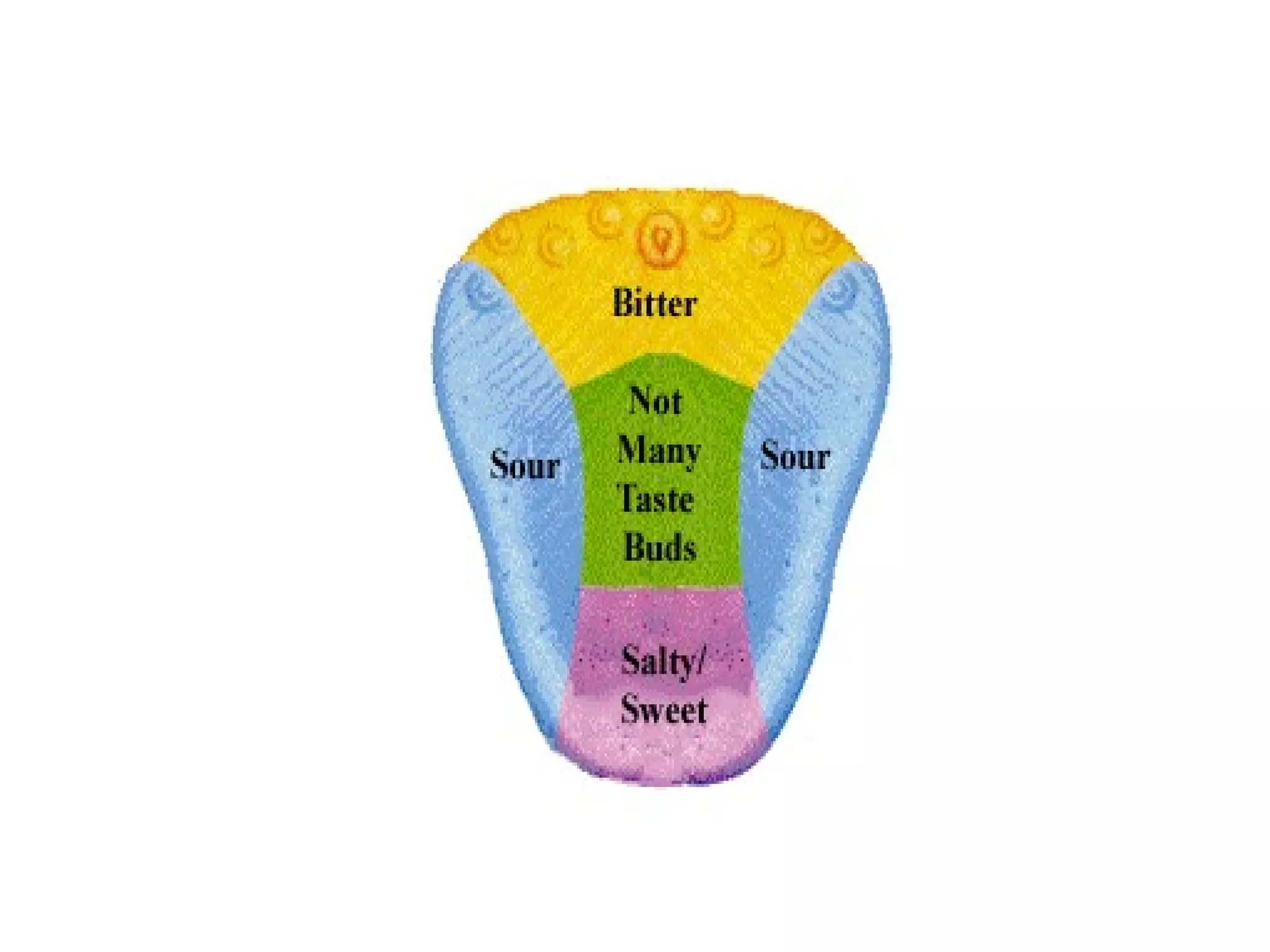
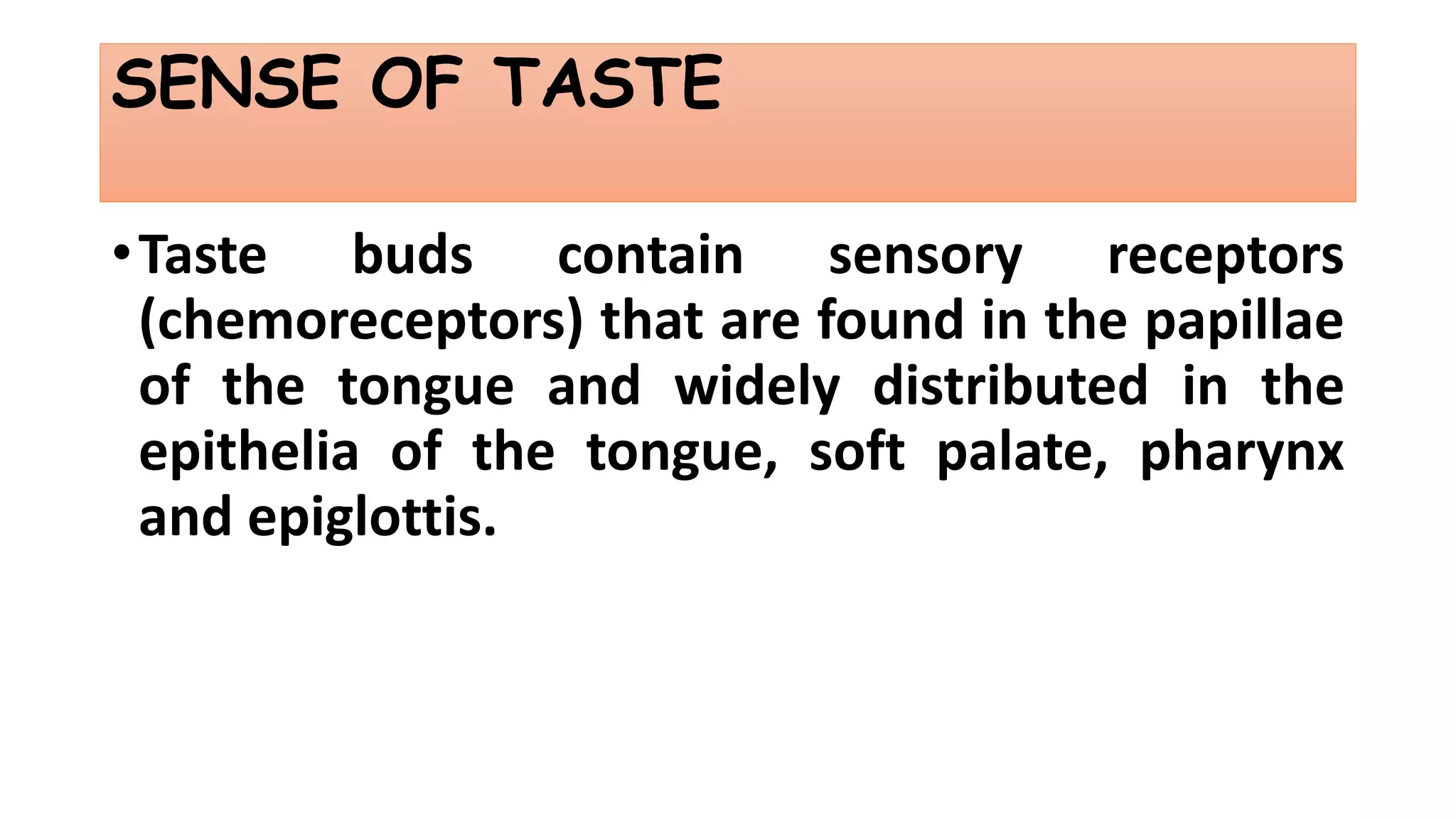
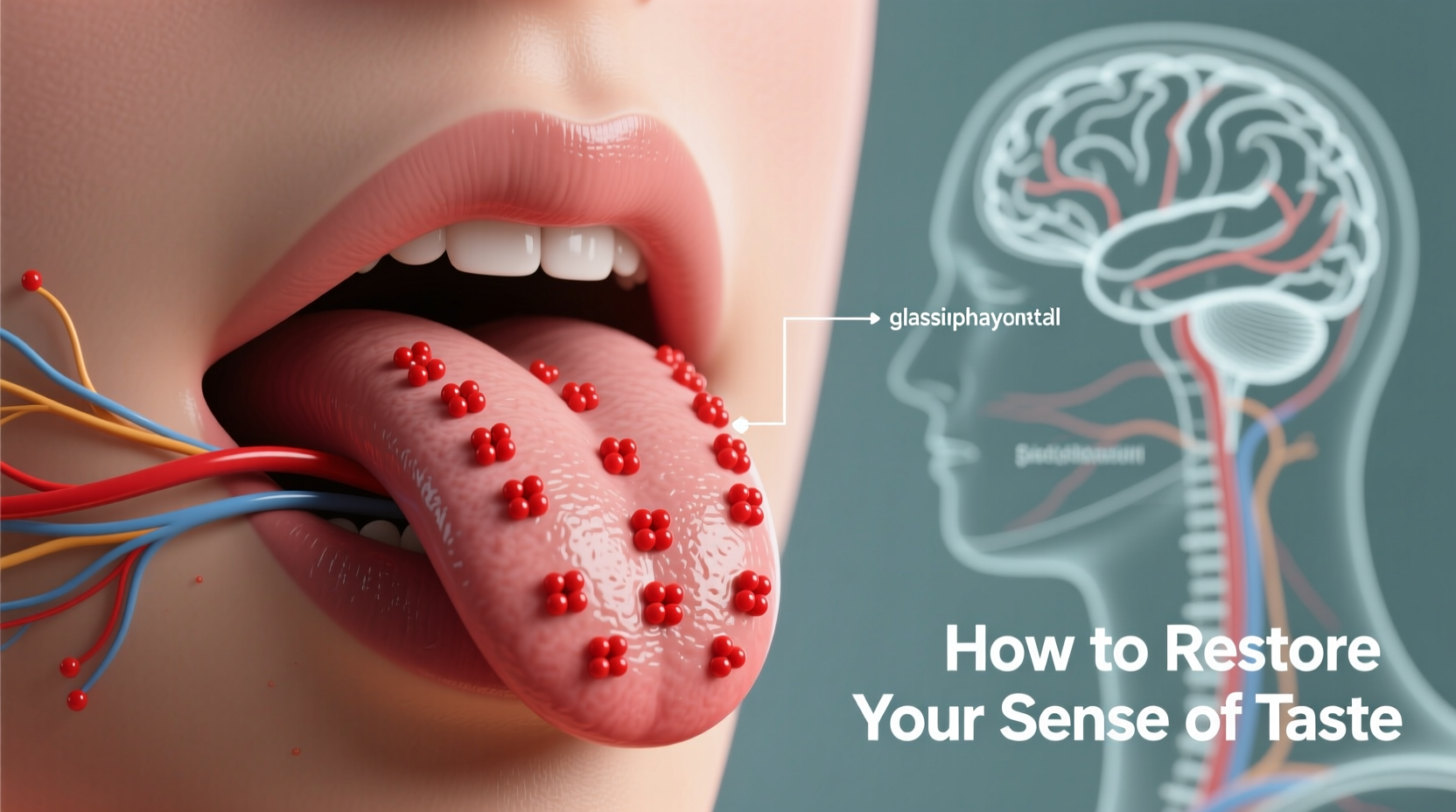
To understand why the sense of taste dulled, it is essential to first distinguish between true taste and flavor. The human tongue is biologically equipped with specialized receptor cells organized within taste buds. These receptors can only identify five basic gustatory modalities: sweet, salty, sour, bitter, and umami (savory). Every complex flavor experienced while eating—such as the difference between a strawberry and a raspberry, or the rich profile of a spiced stew—is actually perceived through retronasal olfaction.
When food is chewed, volatile molecules are released and travel upward from the back of the mouth into the nasal cavity, where they stimulate olfactory receptors. When this olfactory pathway is blocked or damaged, food tastes flat, bland, or completely devoid of character, even if the tongue's taste buds are functioning perfectly. Clinical evaluations of taste disorders (ageusia or hypogeusia) frequently reveal that the primary root cause lies within the nasal passages, sinuses, or cranial nerves responsible for smell.
Common Causes of a Dulled Sense of Taste
A sudden or gradual reduction in gustatory and olfactory perception can be triggered by a wide array of biological, environmental, and pharmacological factors. Identifying the exact category of disruption helps in determining the appropriate next steps for recovery.
1. Nasal and Sinus Obstructions
The most frequent culprit behind a diminished sense of taste is any condition that blocks airflow to the olfactory receptors in the upper nose. This includes common viral infections like the cold or influenza, acute and chronic sinusitis, nasal polyps, severe seasonal allergies (allergic rhinitis), and structural anomalies such as a deviated septum. When swelling or mucus prevents odor molecules from reaching the olfactory cleft, flavor perception drops dramatically.
2. Normal Aging (Presbyageusia)
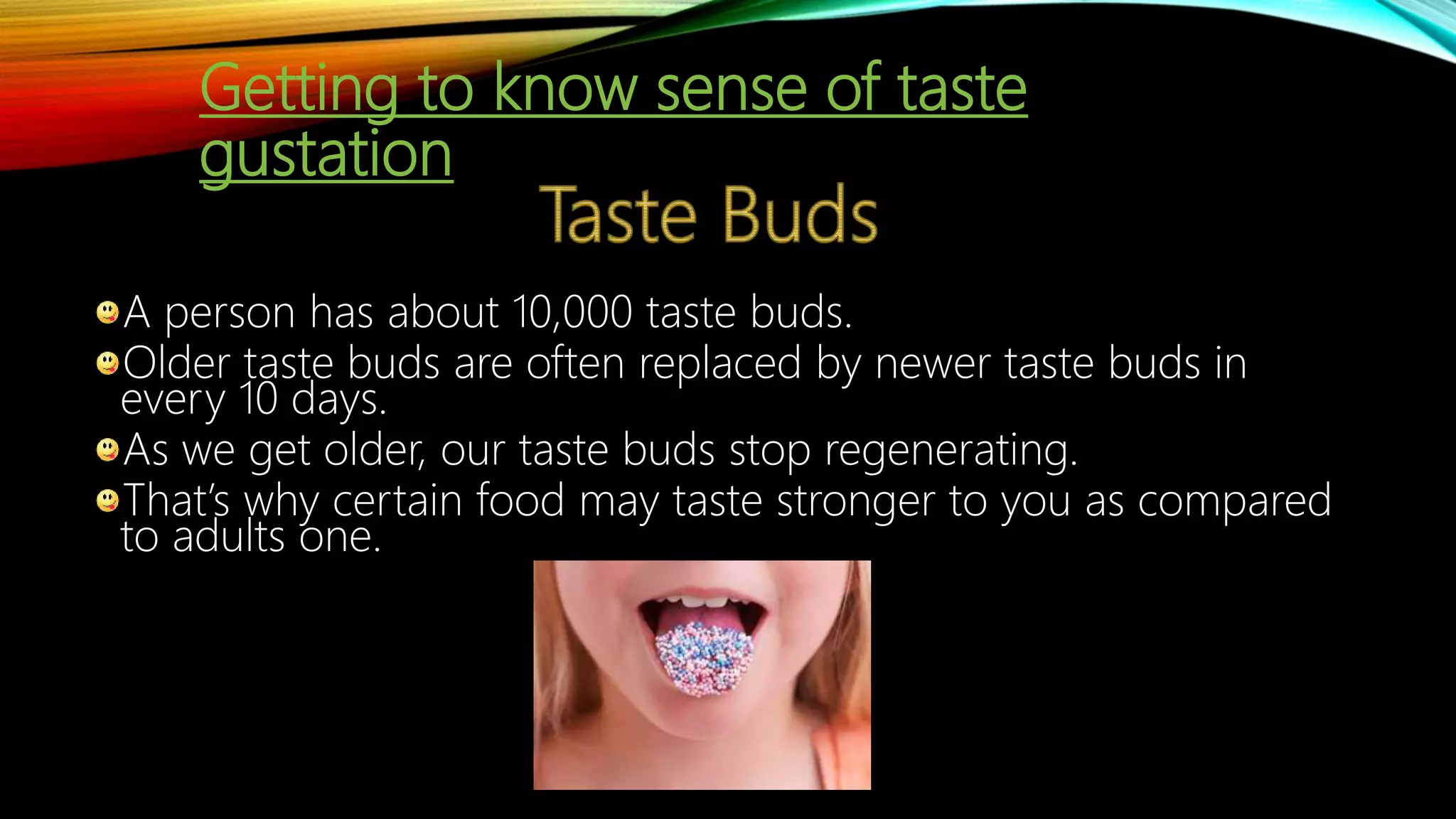
As people age, physiological changes naturally occur across all sensory systems. Around the age of 60, the regeneration rate of taste receptor cells begins to slow down, and the total number of functioning taste buds decreases. Furthermore, the brain's ability to process and interpret sensory signals from the mouth and nose diminishes over time. This age-related dulling, known medically as presbyageusia, is a gradual process that many older adults experience to varying degrees.
3. Medications and Pharmacological Side Effects
Hundreds of prescription and over-the-counter medications can alter taste perception, cause a metallic or bitter taste, or dull the senses entirely. Drugs known to affect taste include certain antibiotics (such as clarithromycin), cardiovascular medications (like ACE inhibitors and statins), chemotherapy agents, muscle relaxants, and antihistamines. These substances can interfere with the chemical receptors on the tongue, alter saliva production, or change the biochemical environment of the oral cavity.
4. Oral Health and Dental Factors
The physical condition of the mouth plays a direct role in how well taste receptors function. Poor oral hygiene, untreated dental cavities, periodontal (gum) disease, fungal infections like oral thrush (candidiasis), and ill-fitting dentures can all dampen the sense of taste. Additionally, chronic dry mouth (xerostomia)—often caused by Sjögren's syndrome, dehydration, or various medications—inhibits the dissolving of food molecules necessary to stimulate taste buds.
5. Neurological and Systemic Conditions
Because taste relies on complex neural pathways involving cranial nerves VII (facial), IX (glossopharyngeal), and X (vagus), any neurological disruption can impair taste. Conditions affecting the central nervous system, such as Bell's palsy, multiple sclerosis, Parkinson's disease, Alzheimer's disease, and stroke, can interfere with how the brain receives and processes taste signals. Systemic illnesses, including uncontrolled diabetes, thyroid disorders, and nutritional deficiencies (particularly zinc and vitamin B12), are also well-documented contributors.
Comparison of Common Factors Affecting Taste
| Category | Primary Mechanism | Onset Speed | Potential Reversibility | Common Diagnostic Indicator |
|---|---|---|---|---|
| Resuscitation / Sinus Blockage | Blocks olfactory access to scent molecules | Rapid (Hours to Days) | High (Once inflammation clears) | Accompanied by nasal congestion or pressure |
| Medication Side Effect | Alters oral chemistry or receptor sensitivity | Variable (Days to Weeks post-dose) | High (Upon medication adjustment) | Timing aligns with starting a new prescription |
| Presbyageusia (Aging) | Natural decline in taste bud regeneration | Gradual (Over years) | Low (Natural physiological aging) | Subtle decline starting around age 60 |
| Nutritional Deficiency | Impairs cellular turnover in taste receptors | Slow (Months) | High (With dietary correction or supplementation) | Associated dietary restrictions or fatigue |
| Oral Dryness (Xerostomia) | Prevents food molecules from dissolving | Variable | Moderate (Depending on underlying cause) | Sticky feeling in the mouth, difficulty swallowing |
Diagnostic Evaluation and Professional Guidance
Disclaimer: The following information is for educational purposes and should not replace professional medical advice, diagnosis, or treatment. Anyone experiencing a persistent, unexplained loss of taste or smell should consult a qualified healthcare provider or an ear, nose, and throat (ENT) specialist.
When a dulled sense of taste persists for more than a couple of weeks without an obvious cause like a common cold, a formal medical evaluation is recommended. An otolaryngologist (ENT doctor) or a neurologist will typically conduct a comprehensive examination to pinpoint the underlying issue.
- Medical History and Medication Review: The physician will review a patient's complete medication list, recent illnesses, dental history, and lifestyle factors.
- Physical and ENT Examination: The nasal passages, throat, and oral cavity are examined using specialized scopes to check for polyps, infection, inflammation, or dental decay.
- Sensory Testing: Formal scratch-and-sniff tests or chemical taste strips may be administered to quantify the exact degree of olfactory and gustatory loss.
- Laboratory and Imaging Studies: Blood tests may be ordered to check for nutritional deficiencies, thyroid function, or markers of systemic disease. In cases where neurological damage is suspected, brain imaging such as an MRI may be performed.
Practical Steps and Management Strategies
Addressing a dulled sense of taste depends entirely on the root cause identified during an evaluation. While some age-related changes cannot be reversed, many secondary causes can be successfully managed or resolved.
- Treat Underlying Infections: Clearing sinus infections with saline rinses, prescribed antibiotics, or targeted allergy medications often restores normal airflow and brings back flavor perception.
- Review Medications with a Physician: If a specific prescription drug is suspected, a doctor may adjust the dosage, recommend a different time of administration, or switch to an alternative medication with a different side-effect profile.
- Improve Oral Hygiene: Regular dental check-ups, professional cleanings, proper brushing and flossing, and addressing dry mouth with saliva substitutes or increased hydration can revitalize oral health.
- Address Nutritional Gaps: If blood work reveals a zinc or vitamin B12 deficiency, dietary adjustments or targeted supplementation under medical supervision can support the regeneration of taste receptor cells.
- Enhance Food Flavor and Texture: For individuals dealing with permanent or age-related taste reduction, culinary strategies can help stimulate appetite. Using aromatic herbs, spices, citrus juices, vinegars, and varying the physical texture of foods (crunchy, creamy, chewy) can compensate for diminished taste bud sensitivity.
Frequently Asked Questions
Can a vitamin deficiency cause your sense of taste to dull?
Yes. Deficiencies in specific micronutrients—most notably zinc and vitamin B12—are known to impair the normal turnover and function of taste receptor cells on the tongue. Restoring these nutrient levels through diet or supplementation under medical guidance can often improve taste sensitivity.
How do I know if my loss of taste is permanent?
Permanency depends heavily on the underlying cause. Temporary issues like viral infections or medication side effects typically resolve once the illness clears or the drug is changed. Conversely, age-related decline or permanent nerve damage from trauma or neurodegenerative conditions is more likely to be long-lasting or permanent.
Why do foods taste metallic when my sense of taste is altered?
A metallic taste, known medically as dysgeusia, is frequently triggered by certain medications, dental metals, vitamin deficiencies, or systemic conditions. It occurs when chemical signals in the mouth misfire or when residual metallic ions from drugs are secreted into saliva.
Can smoking or tobacco use dull my sense of taste?
Yes. Tobacco smoke contains thousands of chemical compounds that can damage taste buds, reduce blood flow to the oral cavity, and impair olfactory receptors in the nose, leading to a chronically dulled sense of taste and smell.
When should I see a doctor about changes in my taste?
You should consult a healthcare professional if your loss of taste develops suddenly without a clear cause, persists for more than two to three weeks, or is accompanied by other neurological symptoms such as facial weakness, vision changes, or difficulty swallowing.
Next Actions for Evaluation
If you or someone you care about is experiencing a persistent reduction in taste, start by reviewing any recent changes in medications, dental health, or upper respiratory symptoms. Schedule an appointment with your primary care physician or an otolaryngologist to rule out underlying medical conditions and secure an accurate diagnosis. Taking a proactive, structured approach ensures that any reversible causes are treated promptly while safely managing long-term sensory changes.
Image Gallery