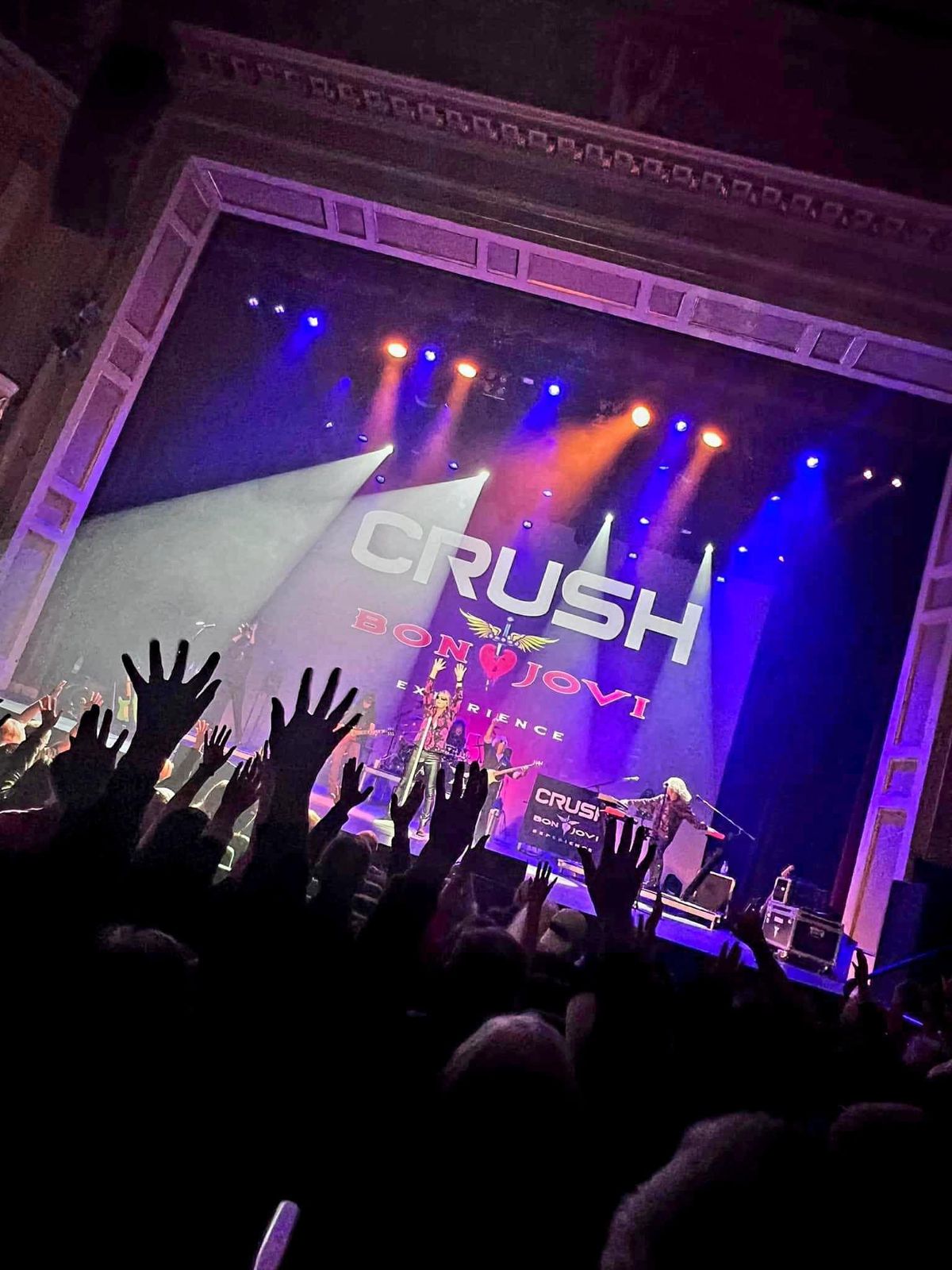
Understanding the Concert Crush Phenomenon on Campus: Dynamics, Risks, and Prevention
The concert crush phenomenon on campus refers to dangerous crowd surges and progressive crowd collapse events that occur during university-hosted live music performances. Driven by extreme crowd density rather than irrational panic, th...
The concert crush phenomenon on campus refers to dangerous crowd surges and progressive crowd collapse events that occur during university-hosted live music performances. Driven by extreme crowd density rather than irrational panic, these incidents generate immense physical pressure capable of causing compressional asphyxia. Preventing them requires rigorous crowd science, strategic venue design, dynamic monitoring, and clear safety protocols.
Contents
Deconstructing Crowd Dynamics: Crush vs. "Stampede"
Public reporting frequently mischaracterizes crowd safety incidents at concerts as "stampedes" or "boisterous student panic." In crowd safety science, experts such as Dr. G. Keith Still emphasize that panic is rarely the primary driver of crowd disasters. Instead, these events stem from physical crowd dynamics, fluid mechanics, and structural bottlenecking.
When crowd density exceeds critical thresholds, individual human control degrades. The physical behavior of a high-density crowd transitions from individual self-directed movement to dynamic fluid motion:
- Low to Moderate Density (Under 2 to 3 people per square meter): Individuals maintain free choice of speed and direction without physical contact with surrounding people.
- High Density (4 to 5 people per square meter): Free movement becomes restricted. Swings in movement occur as physical contact increases, and crowd members experience friction forces against one another.
- Critical Density (6 or more people per square meter): The crowd acts as a single continuous fluid mass. Shockwaves of physical force travel through the mass as people press forward, pushing individuals off their feet without their consent.
Crowd Density Thresholds & Dynamics: [ 1-2 people/m² ] --> Free movement, low collision risk [ 3-4 people/m² ] --> Restricted movement, personal space lost [ 5-6 people/m² ] --> Shockwaves form, high force transfer [ >6 people/m² ] --> Fluidic state, risk of progressive crowd collapse & asphyxia
When someone stumbles at critical density, the surrounding physical pressure prevents others from standing back up or holding their position. Nearby attendees fall over the collapsed individual, creating a chain reaction known as progressive crowd collapse.
The cause of injury and death in these scenarios is almost exclusively compressional asphyxia—where external physical pressure from surrounding bodies prevents the lungs from expanding—rather than blunt force trauma from trampling. Understanding this mechanical reality is essential for campus administrators, student organizers, and security personnel responsible for event safety.
Campus-Specific Risk Factors for Concert Crushes
University campuses host a unique mix of high-energy entertainment, variable architectural infrastructure, and high student attendance. Several operational and environmental conditions heighten the risk of crowd surges during campus concerts.
1. General Admission Pit Layouts and Free Seating
Many campus events use open lawn areas, outdoor quadrangles, or cleared gymnasium floors designated as General Admission (GA) standing room. Without physical floor partitioning or assigned seating zones, attendees naturally surge forward to get closer to the stage. This creates asymmetrical pressure, concentrating extreme density in the front-center pit area while outer zones remain sparsely populated.
2. Arrival Dynamics and Bottlenecking
Campus concerts often feature sudden arrival rushes. Students frequently gather in large social groups right before the headlining act begins, leading to concentrated entry surges at security checkpoints or venue gates. If ticketing scanning, bag checks, or wristband verifications stall at ingress gates, overcrowding rapidly spills out into surrounding walkways and narrow campus corridors.
3. Alcohol Consumption and Environmental Factors
Substance use on campus can delay an individual’s perception of rising physical pressure and reduce spatial awareness. Additionally, loud music, stage lighting effects, and bass vibrations mask auditory cries for help, making it difficult for security personnel and stage performers to recognize early signs of distress within the pit.
4. Informal Event Planning and Student Organization Oversight
Student-run programming boards or campus clubs frequently organize large-scale spring fests or homecoming concerts. While student leaders possess enthusiasm, they may lack formal training in crowd management, risk assessment, and capacity control. When security planning relies on informal headcounts rather than strict access metering, dangerous overcrowding can develop unmonitored.
Crowd Density States and Operational Response Standards
Effective safety management relies on real-time observation and swift intervention based on measurable crowd conditions. The table below outlines density benchmarks, physical indicators, and required operational actions for campus event organizers.
| Crowd Density (People/m²) | Physical Movement Dynamics | Perceived Risk Level | Required Operational Response | Campus Safety Protocol |
|---|---|---|---|---|
| 0.5 – 2.0 | Free walking speed; minimal physical contact between individuals. | Low | Standard ingress and ticket processing monitoring. | Maintain standard access points and keep perimeter clear. |
| 2.0 – 4.0 | Restricted walking speed; accidental touching; turning requires effort. | Moderate | Active monitoring of pit areas; deploy spotters to elevated posts. | Regulate entry speed at gates; prepare secondary overflow zones. |
| 4.0 – 5.0 | Minimal movement choice; involuntary contact; physical sway observed. | Elevated / Warning | Stop entry into pit; open perimeter relief gates; issue artist pause request if needed. | Halt ticket scanning; redirect arriving crowds to secondary locations. |
| 6.0+ | Shockwaves propagate; loss of breath control; progressive crowd collapse risk. | Critical / Emergency | Execute immediate show halt; initiate emergency extraction protocols; illuminate house lights. | Open emergency exit corridors; deploy dedicated pit rescue teams. |
Engineering and Operational Prevention Strategies
Preventing crowd crush requires structural preparation, technical controls, and structured coordination across university departments, including Campus Public Safety, Student Affairs, and external production teams.
[ STAGE ] ======================= <- Mojo / Pressure-Relief Barrier | PIT A | PIT B | <- Divided Standing Zones ======================= <- Secondary Barrier / Relief Corridor [ General Crowd Area ] <- Overflow / Lower Density Zone
Advanced Barrier Architecture and Zone Segmentation
Linear barrier fences across the front of a stage create dangerous pinch points. Modern venue design uses curved or T-shaped barrier setups—often called Mojo barriers—equipped with elevated step-stands for security extraction.
For large outdoor campus venues, event teams must segment the floor into discrete, metered zones separated by physical barricades and central relief corridors. Dividing a 5,000-person standing lawn into four distinct 1,250-person pens prevents force accumulation from transferring through the entire audience.
Access Control and Metered Ingress
Relying on overall venue capacity limits is insufficient for managing pit safety. Organizers must implement secondary wristbanding or electronic access counting for front-of-stage areas. Once a pit reaches its calculated safe capacity based on net usable floor space, access into that zone must close immediately regardless of total tickets sold.
Real-Time Crowd Science and Visual Monitoring
Campus security should deploy high-angle cameras and elevated spotter towers dedicated solely to crowd monitoring rather than watching the stage. Spotters look for key indicators of unsafe density, including:
- Substantial collective swaying or wave-like movements across the audience.
- Pockets of individuals looking upward or struggling to lift their heads.
- Absence of visible floor space between shoulders.
- Localized distress signals, such as crossed arms raised high above the head.
Integrated "Show Stop" Protocols
Universities must establish a unambiguous, pre-agreed Show Stop Protocol in performance contracts. The event safety officer, campus police chief, and stage manager must possess independent authority to pause or terminate a performance.
- Safety Pause Signal: House lights illuminate to 50%, music stops, and the artist or designated safety manager instructs the audience to take two full steps backward.
- Full Interruption: House lights illuminate completely, stage sound is muted, and security teams clear affected pit zones using pre-planned extraction corridors.
Organizations like the Event Safety Alliance publish guidance on establishing clear operational hierarchies and safety interlocks for live events.
Actionable Safety Guidance for Campus Concertgoers
Students and campus community members attending crowded music events should take proactive steps to maintain personal safety:
- Locate Exits Early: Upon entering an indoor arena or outdoor fenced quadrant, identify at least two exit routes. Primary entrances often experience heavy congestion during emergencies, making side or rear exits safer choices.
- Monitor Surroundings: If personal space shrinks to the point where your arms are pinned against your sides, you are in a high-risk zone. Begin moving outward immediately before density reaches critical levels.
- Adopt the Protective Stance: If caught in a surge, do not fight against the wave of movement. Stand with feet planted wide, knees slightly bent, and hold your arms up across your chest like a boxer. This creates a protective cage that safeguards your ribcage and maintains space for lung expansion.
- Move Diagonally Between Surges: Never move straight forward or attempt to turn directly back against incoming pressure. Wait for pauses between dynamic surges, then move diagonally toward the perimeter of the crowd where density is lower.
- Keep Your Feet: If someone falls next to you, attempt to pull them up immediately if safe. If you fall, roll onto your side in a fetal position to protect your head and internal organs, avoiding lying flat on your stomach or back.
INCOMING PRESSURE WAVE || || \/ [ Student / Boxer Stance ] (Arms up, wide stance) \ \ <-- Escape path: Move DIAGONALLY \ towards outer edges between waves \/ [ Low Density Outer Zone ]
Regulatory Compliance and Institutional Governance
Campus event governance requires adherence to national fire codes, occupational safety guidelines, and institutional liability standards.
University planning committees must consult the National Fire Protection Association (NFPA) 101 Life Safety Code, which governs assembly occupancies, minimum exit widths, clear egress corridors, and occupant loads. Under NFPA guidelines, net floor area calculations for standing-room assembly must allocate adequate square footage per occupant, accounting for temporary infrastructure such as sound mixing boards, lighting towers, and barrier offsets.
Furthermore, post-event safety reviews and hazard analyses should be documented for every campus event exceeding designated assembly thresholds. Integrating formal crowd management training for campus security officers and university staff reduces liability while protecting student safety.
Frequently Asked Questions
What is the primary difference between a crowd surge and a crowd crush?
A crowd surge occurs when a mass movement of people pushes forward, often triggered by excitement or a desire to get closer to a performer. A crowd crush is the result of extreme density caused by surges, where physical pressure builds up to levels that compress bodies, restrict breathing, and cause structural or human collapse.
Why do campus concerts face unique crowd management challenges?
Campus concerts often rely on multi-purpose outdoor spaces or gymnasiums that lack built-in crowd control infrastructure. Coupled with high student enthusiasm, general admission standing arrangements, rapid group arrival patterns, and student-led event planning, these factors increase the risk of unexpected overcrowding if formal crowd management protocols are omitted.
What should a performer do if they spot a crowd surge from the stage?
Performers should immediately pause the music, request that house lights be turned up, and instruct the audience in a calm, firm tone to step back. Performers should work closely with stage security and follow pre-established event interruption protocols to allow safety crews to access distressed attendees.
How can emergency medical teams navigate a densely packed campus pit?
Events must incorporate dedicated safety corridors—often styled as a center-aisle barrier from the stage to the mixing desk—that allow emergency medical services (EMS) and extraction teams to reach injured individuals quickly without attempting to force their way through the main crowd mass.
Are outdoor campus lawn concerts safer than indoor venue events?
Outdoor concerts offer open air, but they present distinct crowd safety risks. Without physical floor zoning and access control, open lawns permit uncontrolled crowd clustering near the stage. Unfenced boundaries can also make tracking overall crowd numbers difficult, leading to localized density exceeding safe assembly limits.
Recommended Next Steps for Campus Event Planning
To safeguard future campus performances, university administrative bodies, student activity boards, and risk management departments should institute the following operational steps:
- Conduct Dynamic Risk Assessments: Evaluate venue geometry, ingress bottlenecks, expected audience behavior, and floor layouts prior to selling or distributing tickets.
- Implement Floor Segmentation: Use Mojo barriers and metered zone division for any standing general admission event exceeding 1,000 attendees.
- Formalize Show-Stop Protocols: Define explicit authority lines and operational triggers in written agreements with artist management, campus police, and event staff.
- Train Event Personnel: Provide student staff and campus security with mandatory training on identifying crowd density markers, dynamic surge behavior, and emergency extraction procedures.
Image Gallery