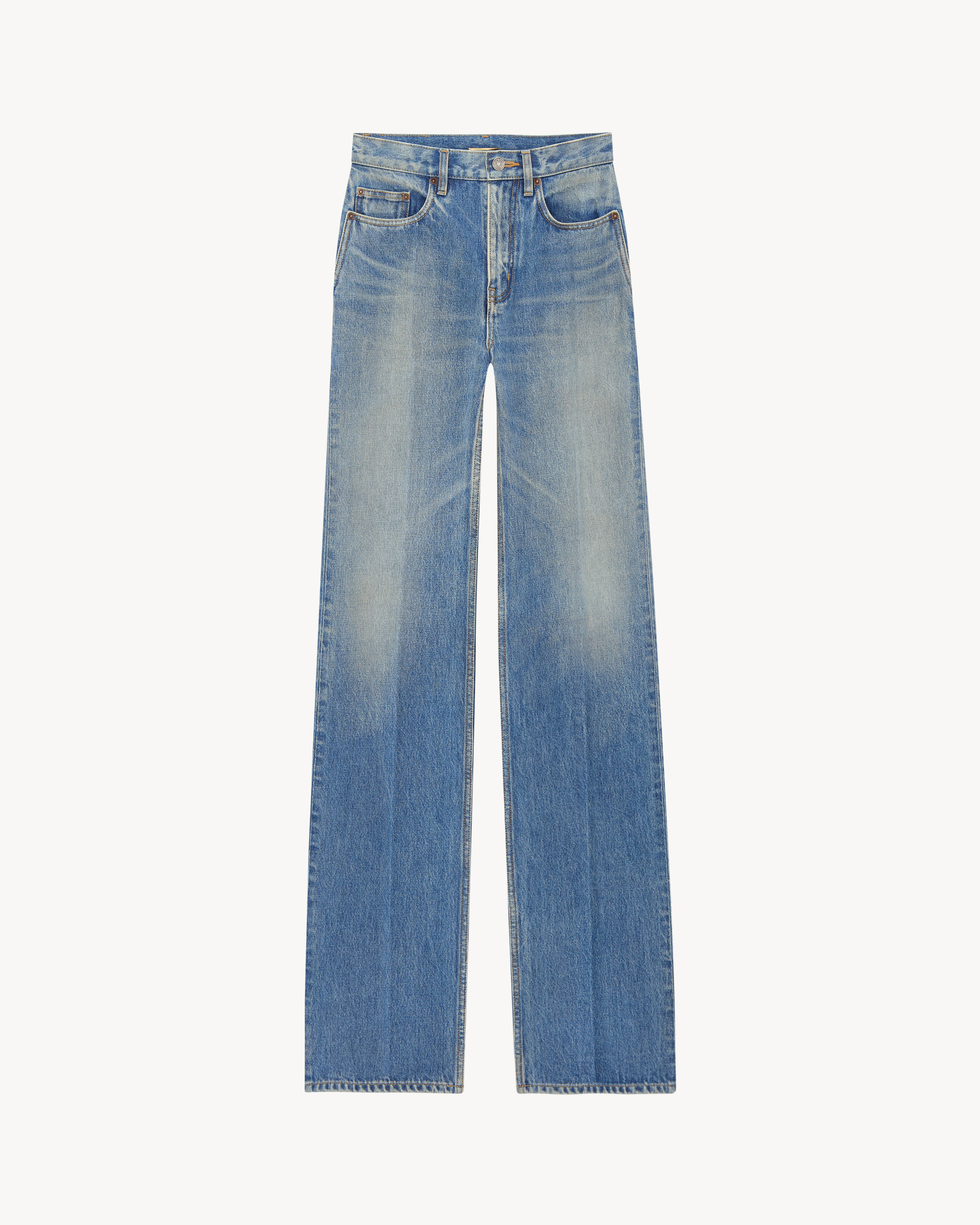
Understanding the Valuation and Business Scope of Yves Jeans
Determining the net worth associated with the "Yves Jeans" brand involves distinguishing between the legacy of high-fashion house nomenclature and the specific, often independent, garment manufacturers operating under similar trade nam...
Determining the net worth associated with the "Yves Jeans" brand involves distinguishing between the legacy of high-fashion house nomenclature and the specific, often independent, garment manufacturers operating under similar trade names. Because "Yves" is most famously associated with the Yves Saint Laurent (YSL) luxury empire, searches regarding "Yves Jeans" frequently conflate independent denim labels with the sub-lines of luxury conglomerates.
Contents
Clarifying the Identity of Yves Jeans
The primary point of confusion in the marketplace arises from the overlapping naming conventions in the fashion industry. To evaluate the net worth or economic impact of any entity operating under the name "Yves Jeans," one must first categorize whether the inquiry concerns an independent small-to-medium enterprise (SME) or a specific denim line produced under the umbrella of a luxury brand.
Historically, the luxury brand Yves Saint Laurent has featured denim products within its "Saint Laurent" collections. However, there is no standalone corporation or publicly traded entity known exclusively as "Yves Jeans" that functions as a distinct, multi-billion dollar conglomerate. If you are researching a specific independent denim manufacturer or boutique label, their net worth is typically private, as they are likely organized as a private limited company or a sole proprietorship. Private companies do not disclose financial statements, assets, or liabilities to the public, unlike their publicly traded counterparts.
Distinguishing Luxury Conglomerates from Private Labels
When analysts discuss the "net worth" of fashion brands, they are often referring to the market capitalization of the parent company. In the case of denim products carrying the "Yves" moniker, the most prominent association is with Kering, the luxury group that owns Saint Laurent.
For consumers and investors trying to assess the value of a specific denim label, it is vital to understand the difference between brand equity and corporate valuation. Brand equity is the commercial value that derives from consumer perception of the brand name, whereas net worth is a calculation of total assets minus total liabilities. For an independent clothing label, the net worth is often negligible in the context of the global fashion market, even if the brand possesses high localized value.
Factors Influencing the Financial Valuation of Denim Brands
If you are evaluating the financial standing of a modern fashion entity, regardless of its specific name, several key indicators dictate its fiscal health. These metrics are the industry standard for determining how much a company is truly worth:
- Gross Margin and Production Costs: Denim production involves significant overhead, including fabric sourcing (often raw denim from specialized mills), hardware, and labor. A brand’s profitability is defined by its ability to maintain a healthy margin between manufacturing costs and the final retail price.
- Inventory Turnover Ratio: Fashion is highly seasonal. A brand that cannot move its inventory efficiently will see its net worth tied up in stagnant assets (unsold clothing), which can quickly lead to insolvency.
- Intellectual Property (IP) and Trademark Assets: The legal right to a name like "Yves Jeans" is a form of intangible asset. Companies with strong trademark protections are often valued higher, as the name itself prevents competitors from entering the market with confusingly similar products.
- Distribution Channels: A brand selling exclusively through its own direct-to-consumer (DTC) website will have a different valuation profile than one relying on wholesale agreements with luxury department stores.
Comparative Landscape of Fashion Valuation
To understand where a specific denim brand sits in the financial hierarchy, it is useful to compare business models. The table below outlines how different types of clothing enterprises are valued:
| Business Model | Primary Asset Type | Valuation Complexity | Financial Disclosure |
|---|---|---|---|
| Luxury Conglomerate | Trademark, Real Estate, IP | High (Market Cap) | Publicly Reported |
| Mid-Market Apparel | Inventory, Logistics Network | Moderate (Revenue Multiple) | Often Private |
| Independent Boutique | Brand Reputation, Niche Talent | Low (Owner Equity) | Generally Not Disclosed |
| White-Label Manufacturer | Machinery, Factory Infrastructure | Low (Asset-Based) | Private |
Navigating Business Ownership and Private Equity
For those researching "Yves Jeans" to determine if it is an investment opportunity or a target for acquisition, the lack of public filings for small, independent firms means you must perform your own due diligence. In the United States and Europe, private entities are not required to publish their balance sheets unless they are seeking major external financing or have reached a specific size threshold that mandates audits.
If you are dealing with a company that claims a high valuation, look for verified evidence such as audited financial reports, proof of consistent year-over-year revenue growth, and an established history of regional or national distribution. Be wary of claims that cannot be substantiated by legal business registration filings through government databases.
Legal and Trademark Considerations
A common hurdle for brands using the "Yves" name is the potential for trademark infringement. Because "Yves Saint Laurent" is a protected and highly litigated trademark globally, any smaller company attempting to build a business under a similar name often faces legal challenges. These legal battles can severely impact the net worth of a smaller firm, as the cost of litigation can exceed the revenue generated by the sales of their denim products.
When investigating the viability of a firm, always search national trademark databases (such as the USPTO in the United States or the EUIPO in Europe). If a firm is currently embroiled in naming disputes, its net worth is essentially in flux, as its primary asset—the name—is under threat of cancellation.
Frequently Asked Questions
Is there a publicly traded company called Yves Jeans? No. There is no publicly traded entity under the specific name "Yves Jeans." Most denim products associated with the name "Yves" belong to the luxury house Saint Laurent, which is owned by the publicly traded conglomerate Kering.
How can I find the financial value of a private clothing brand? You generally cannot find this information unless the company publishes it voluntarily. Private companies protect their financial data to maintain a competitive advantage. You would need to engage a business valuation expert to analyze their internal ledgers during a potential acquisition.
What is the difference between brand value and net worth? Brand value is the perceived prestige or "goodwill" associated with a name, while net worth is the objective calculation of a company’s assets (cash, equipment, inventory) minus its liabilities (debts, loans, operational costs).
Are there legal risks for smaller brands using the name "Yves"? Yes. Large luxury houses aggressively protect their intellectual property. Using a name that is confusingly similar to an established global luxury brand often leads to "cease and desist" notices, which can force a company to rebrand, effectively destroying the equity they have built.
Why does my search for "Yves Jeans" lead to high-end luxury sites? Because the name "Yves" is strongly associated with the heritage brand Yves Saint Laurent, search engines prioritize these high-authority, high-traffic websites. This makes it difficult to find smaller, independent businesses that may share similar naming patterns.
Recommendation for Further Research
If you are attempting to determine the net worth of a specific entity for investment or legal purposes, do not rely on generic search engine results. Instead, access official government business registries in the jurisdiction where the company is headquartered. Request a certificate of good standing or look for filings that indicate the company’s size, ownership structure, and any active litigation. If the entity is a private company, recognize that its true financial position remains confidential, and exercise appropriate caution regarding any claims of immense value that are not supported by verified corporate disclosures.
Image Gallery