Best Wi-Fi in Denver for Home and Business in 2026: A Complete Guide
Finding the best Wi-Fi in Denver depends on whether you prioritize fiber-optic speeds, widespread availability, or specialized business-grade reliability. As of 2026, Quantum Fiber and Google Fiber lead for performance, while Xfinity r...
Finding the best Wi-Fi in Denver depends on whether you prioritize fiber-optic speeds, widespread availability, or specialized business-grade reliability. As of 2026, Quantum Fiber and Google Fiber lead for performance, while Xfinity remains the most accessible. Businesses generally benefit from Comcast Business or Lumen’s dedicated enterprise solutions for guaranteed uptime and scalability.
Contents
Denver’s digital infrastructure has seen massive investment over the last few years, transforming the Mile High City into a top-tier tech hub. Whether you are a remote professional in the Highlands, a small business owner in RiNo, or a large enterprise in the Denver Tech Center (DTC), the options for high-speed connectivity are more diverse than ever. However, the "best" service is not a one-size-fits-all solution; it is determined by your specific neighborhood, your bandwidth requirements, and your tolerance for latency.
The State of Denver’s Internet Infrastructure in 2026
By 2026, the transition from legacy copper-based cable to multi-gigabit fiber optics has reached a critical mass in Denver. The city’s geography—ranging from dense urban corridors to sprawling suburban foothills—presents unique challenges for signal distribution. Consequently, the market is divided into three primary technologies: Fiber-to-the-Home (FTTH), Hybrid Fiber-Coaxial (HFC) cable, and 5G Fixed Wireless Access (FWA).
Fiber optics is the gold standard for both residential and commercial users because it offers symmetrical speeds, meaning your upload speed is just as fast as your download speed. This is essential for modern business operations, such as cloud backups, video conferencing, and hosting large data sets. Cable remains a powerhouse for total coverage, particularly in older neighborhoods where digging for new fiber lines is still in progress. Meanwhile, 5G home and business internet have become viable alternatives for those in temporary spaces or areas where traditional wired installations are cost-prohibitive.
Top Residential Wi-Fi Providers in Denver
Quantum Fiber (by Lumen)
Quantum Fiber has emerged as a primary competitor for Denver residents seeking high-speed, no-contract internet. Using an entirely fiber-optic network, they offer speeds ranging from 500 Mbps to 8 Gbps in select high-density areas.
- Why it’s a top choice: Quantum Fiber does not impose data caps, which is a significant advantage for households with multiple 4K streaming devices, competitive gamers, or remote workers. Their 2026 pricing remains transparent, often including the cost of the Wi-Fi 7 hardware in the monthly subscription.
- Availability: Strongest in newer developments and renovated areas like Central Park and parts of Sloan's Lake.
Google Fiber
Google Fiber’s expansion into the Denver metro area, including Lakewood and surrounding suburbs, has provided much-needed competition. Known for its simplicity and reliability, Google Fiber offers 1 Gig, 2 Gig, 5 Gig, and even 8 Gig plans.
- Why it’s a top choice: The customer service rating for Google Fiber consistently outpaces legacy providers. The installation process is streamlined, and their use of high-end mesh Wi-Fi systems ensures that coverage extends to every corner of a multi-story Denver square-top or Victorian home.
- Availability: While expanding, it is still more localized compared to Xfinity. It is highly sought after in the south and west metro regions.
Xfinity (Comcast)
Xfinity is the incumbent giant in Denver, boasting the largest coverage map in the city. Their "10G Network" (a branding term for their advanced HFC and fiber hybrid) provides speeds up to 2 Gbps for most residential customers.
- Why it’s a top choice: Availability is almost guaranteed regardless of which Denver neighborhood you reside in. Xfinity also offers the most robust "bundle" options, combining mobile phone service, home security, and streaming packages, which can lower the total household utility spend.
- Availability: Near 100% across the Denver metro area.
Best Wi-Fi Solutions for Denver Businesses
Business connectivity requires more than just raw speed; it requires Service Level Agreements (SLAs) and dedicated support. In Denver’s competitive market, businesses must choose between standard "Business Class" cable and Dedicated Internet Access (DIA).
Comcast Business
Comcast Business dominates the small-to-medium business (SMB) sector in Denver. They provide specialized routers capable of handling high guest traffic (Guest Wi-Fi) while keeping internal company data on a secured, separate VLAN.
- Performance: They offer "Connection Pro," a 4G/5G backup system that automatically kicks in if the main line is cut, ensuring that point-of-sale (POS) systems never go offline. This is critical for Denver’s busy retail and restaurant scene in areas like Cherry Creek North.
Lumen (formerly CenturyLink)
For enterprises located in the Denver Tech Center or downtown, Lumen provides dedicated fiber lines. Unlike shared residential lines, a dedicated line means your bandwidth is not affected by the neighbors' usage patterns.
- Scalability: Lumen is ideal for businesses that anticipate rapid growth. Their infrastructure allows for quick upgrades from 10 Gbps to 100 Gbps, supporting data centers and large-scale software development firms that call Denver home.
Verizon and T-Mobile 5G Business Internet
For "pop-up" shops, construction trailers, or small offices in older buildings where wiring is difficult, 5G business internet has become a staple in 2026. It offers rapid deployment—often within 24 hours—and provides sufficient speeds for standard office tasks.
Technical Comparison of Denver Providers
The following table summarizes the key metrics for the leading providers in Denver as of 2026.
| Provider | Max Speed (2026) | Primary Technology | Best For | Contract Required |
|---|---|---|---|---|
| Quantum Fiber | 8 Gbps | Fiber Optic | Power users & Gamers | No |
| Google Fiber | 8 Gbps | Fiber Optic | Reliability & Service | No |
| Xfinity | 2 Gbps+ | HFC / Fiber | Bundling & Availability | Optional |
| Comcast Business | 1.2 Gbps+ | HFC / Fiber | Small Businesses / Retail | Yes |
| Lumen Enterprise | 100 Gbps | Dedicated Fiber | Large Corporations / Tech | Yes |
| Verizon 5G | 1 Gbps | Fixed Wireless | Flexibility / Low Cost | No |
Optimizing Your Wi-Fi Performance in Denver Homes
Even the best internet provider will underperform if your internal Wi-Fi network is poorly configured. Denver’s diverse architecture—from thick-walled 1920s brick bungalows in Wash Park to steel-framed modern lofts in LoDo—affects signal penetration differently.
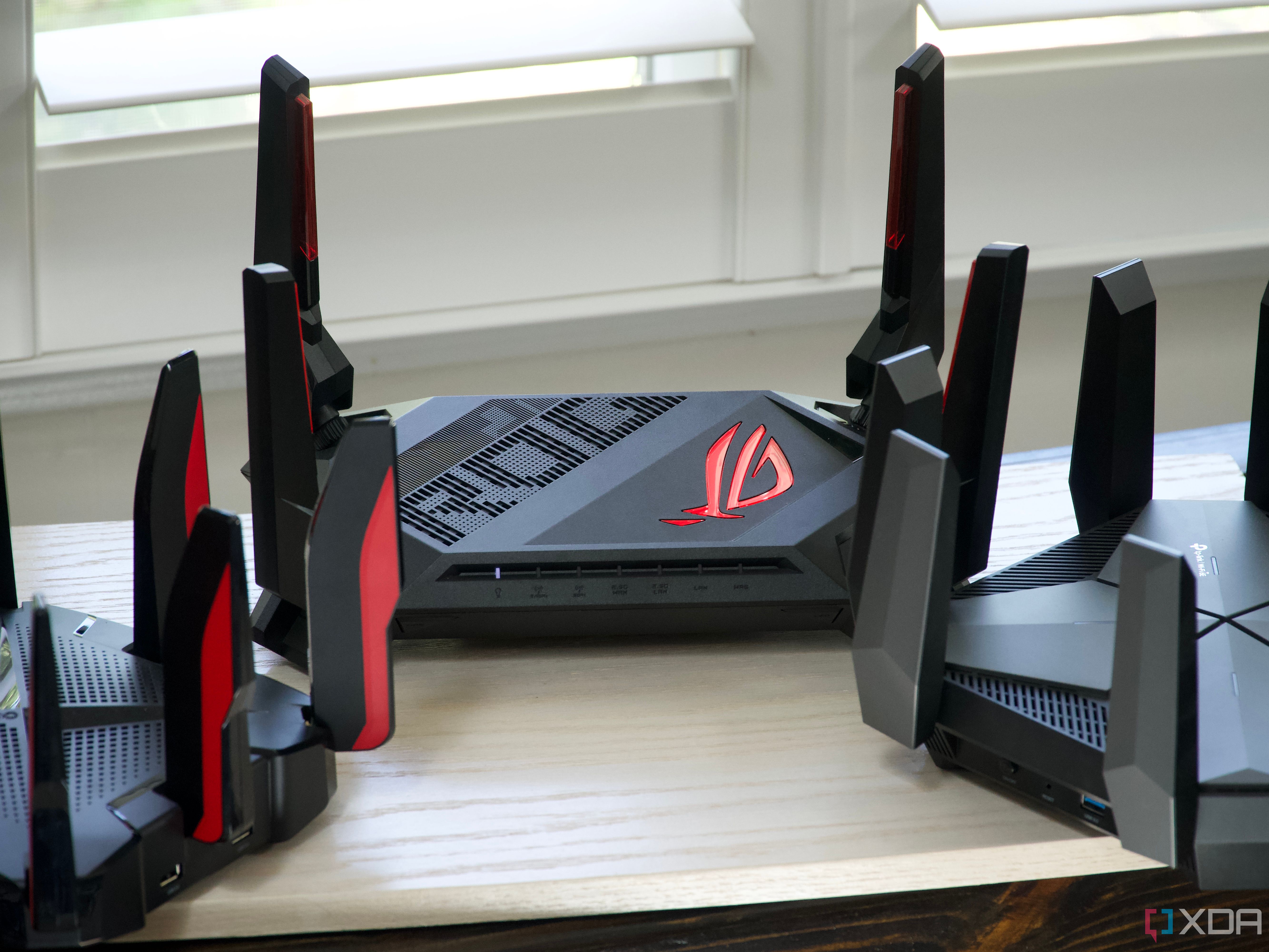
- Adopt Wi-Fi 7 Hardware: By 2026, Wi-Fi 7 (802.11be) is the standard for high-performance networking. It utilizes the 6GHz band to reduce interference, which is vital in high-density apartment complexes where dozens of competing Wi-Fi signals can cause "noise" and drops.
- Use Mesh Systems for Larger Footprints: For those living in large suburban homes in areas like Highlands Ranch or Arvada, a single router is rarely enough. A tri-band mesh system (like Eero, Orbi, or Google Nest) creates a "web" of coverage, eliminating dead zones in basements or upper-floor offices.
- Wired Backhaul for Home Offices: If your work involves heavy video editing or real-time data analysis, "wiring in" via Cat6a or Cat7 Ethernet cables remains the only way to achieve zero-latency performance. Many newer Denver builds now include Ethernet ports in every room by default.
Common Pitfalls and Troubleshooting
Many Denver residents complain about "slow Wi-Fi" when the issue is actually hardware-related or due to local congestion.
- Congestion in Multi-Family Units: In dense areas like Capitol Hill, Wi-Fi channels often overlap. Using a tool to analyze channel traffic and switching your router to a less-used frequency can instantly improve speeds.
- Legacy Equipment: If you are using a router from 2021, it likely cannot handle the 2026 speeds provided by fiber networks. Always ensure your modem and router are rated for at least the speed of your subscription plan.
- The "Denver Foothills" Effect: If you are on the outskirts of the metro area, such as near Red Rocks or Golden, physical obstructions like terrain can interfere with 5G signals. In these cases, a wired fiber connection or Starlink (satellite) may be the only consistent options.
Frequently Asked Questions
Which Denver neighborhood has the fastest internet?
Generally, neighborhoods with the newest infrastructure, such as Central Park (formerly Stapleton), the Highlands, and the Denver Tech Center, have the most consistent access to multi-gigabit fiber. However, Google Fiber and Quantum Fiber are aggressively expanding into older districts like Baker and Curtis Park.
Is 5G home internet a good replacement for cable in Denver?
5G home internet from T-Mobile or Verizon is excellent for moderate users who prioritize price and simplicity. However, for households with multiple heavy users or businesses requiring 99.9% uptime, fiber or cable is still recommended due to the lower latency and higher reliability of a physical wire.
What should Denver businesses look for in a Wi-Fi provider?
Businesses should prioritize Symmetrical Speeds and Service Level Agreements (SLAs). If your business relies on cloud-based software, ensure your provider offers a 4G/5G failover option so that your operations don't stop if a local utility line is damaged during Denver’s frequent road construction.
Are there data caps on Denver internet plans in 2026?
Most fiber providers, including Quantum and Google Fiber, do not have data caps. Xfinity often includes a data cap on its standard residential plans (typically around 1.2TB to 2TB) but offers an "Unlimited Data" add-on for a monthly fee or as part of their xFi Complete package.
How does weather affect Wi-Fi in Denver?
Traditional wired fiber and cable are largely unaffected by Denver’s snow and wind. However, satellite internet (like Starlink) and 5G Fixed Wireless can experience "rain fade" or signal degradation during heavy blizzards or severe thunderstorms.
Practical Recommendation
For the best residential experience in Denver, check the availability of Quantum Fiber or Google Fiber first. Their symmetrical speeds and lack of contracts make them the superior choice for the 2026 digital landscape. If fiber is not yet available in your specific block, Xfinity's higher-tier plans provide the most reliable alternative.
For Denver businesses, we recommend Comcast Business for retail and small offices due to their specialized support and backup systems. Large-scale enterprises or tech startups should seek Dedicated Internet Access (DIA) via Lumen to ensure they have unshared, guaranteed bandwidth for high-capacity operations.
Image Gallery