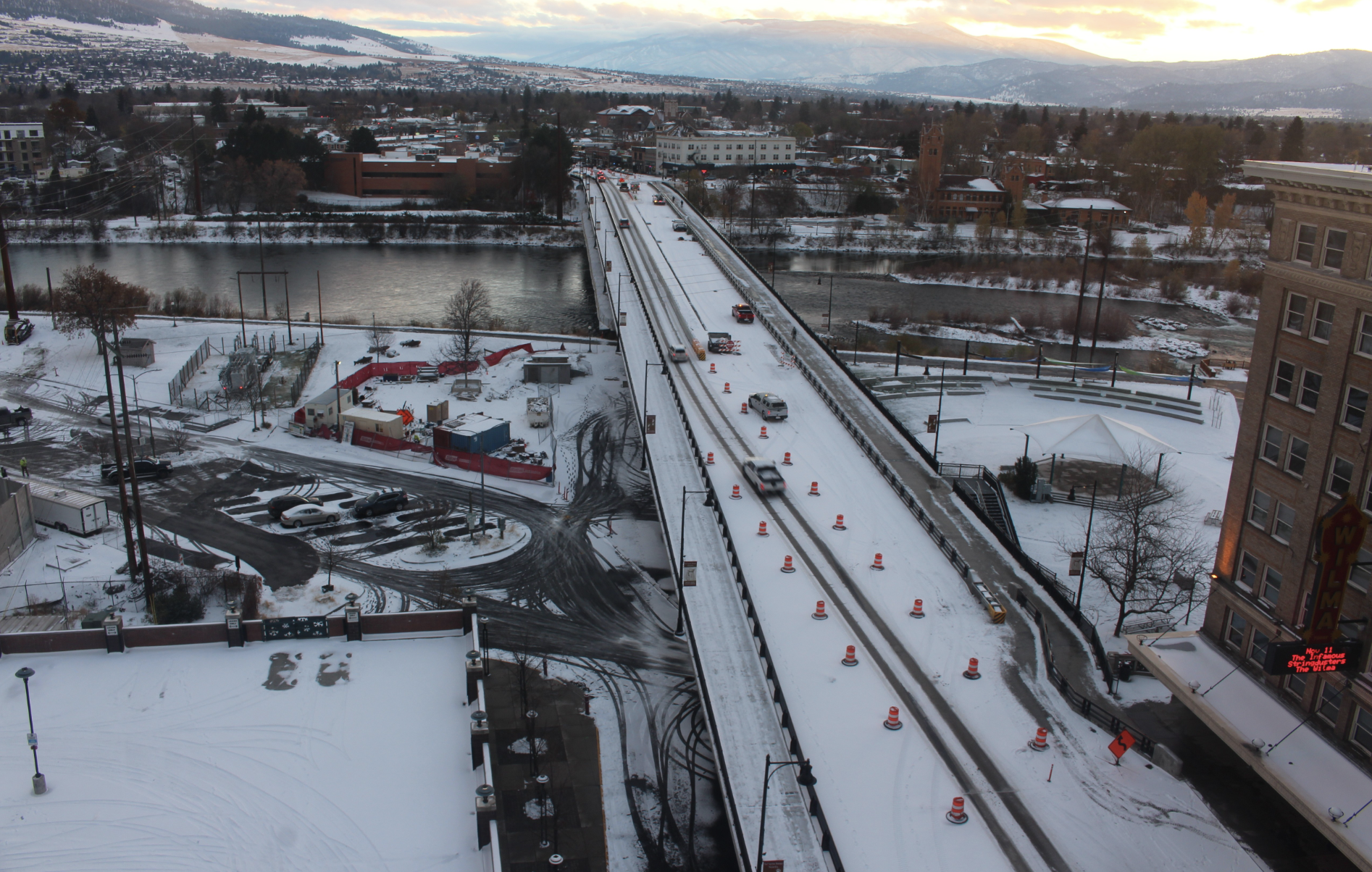
Montana Road Closures and Real-Time Traffic Conditions: 2026 Comprehensive Guide
Road closures in Montana are primarily managed by the Montana Department of Transportation (MDT) to ensure public safety during severe weather, seasonal transitions, and infrastructure upgrades. For the 2026 travel season, real-time da...
Road closures in Montana are primarily managed by the Montana Department of Transportation (MDT) to ensure public safety during severe weather, seasonal transitions, and infrastructure upgrades. For the 2026 travel season, real-time data is centralized through the MDT 511 system, providing critical updates on high-altitude passes, emergency weather shutdowns, and scheduled construction along major corridors like I-90, I-15, and US-2.
Contents
Navigating Montana’s Road Infrastructure and Oversight in 2026
Montana’s vast geography presents unique challenges for road maintenance and traveler safety. The state’s road network is overseen by several jurisdictions, including the Montana Department of Transportation (MDT), the National Park Service (NPS), and various county road departments. Understanding which agency manages a specific route is essential for obtaining accurate closure information.
The MDT maintains the majority of the state's interstate and primary highway systems. Their 2026 operational framework focuses on the "Vision Zero" initiative, aiming for zero deaths and zero serious injuries on Montana roads. This involves proactive road closures during high-risk weather events, such as ground blizzards or ice storms, to prevent multi-vehicle pileups.
In contrast, the National Park Service manages internal roads within Glacier National Park and Yellowstone National Park. While these roads are iconic, they are subject to different closure criteria than state highways, often remaining closed deep into the spring or early summer due to heavy snowpack and avalanche risks. For 2026, visitors must coordinate between MDT alerts for approach roads and NPS alerts for park-specific routes.
Real-Time Monitoring Tools for 2026 Road Conditions
To navigate Montana safely, travelers must utilize modern digital tools that provide live updates. The technical infrastructure supporting these tools has been enhanced for the 2026 season to provide higher-frequency data intervals.
The MDT 511 System and Mobile Integration
The 511 system remains the primary source of truth for Montana road closures. It integrates data from Road Weather Information Systems (RWIS) and snowplow telematics.
- 511 MT Mobile App: The 2026 version of the app includes augmented reality overlays for certain mountain passes and improved push notifications for specific route segments.
- MDT Interactive Map: This web-based tool allows users to toggle layers for road closures, construction zones, incidents, and weather warnings.
- Roadside Cameras: Montana has expanded its network of RWIS cameras. In 2026, travelers can view live high-definition feeds from critical spots like Lookout Pass, Homestake Pass, and Bozeman Pass to assess visual conditions before departing.
Variable Message Signs (VMS)
As you drive, keep a close watch on overhead Variable Message Signs. These signs are the first point of contact for emergency closures. If a "Road Closed Ahead" message appears on I-90, it is often due to an immediate safety hazard, such as a chemical spill or a severe accident, requiring an immediate detour or halt.
Common Types of Road Closures in Montana
Closures in Montana are categorized by their cause and expected duration. Understanding these categories helps in planning alternative routes and setting realistic travel expectations.
| Closure Type | Primary Cause | Typical Duration | Authority |
|---|---|---|---|
| Emergency Closure | Accidents, blizzards, or floods | 2 to 24 hours | MDT / MT Highway Patrol |
| Seasonal Closure | Winter snowpack on high passes | 6 to 8 months | NPS / MDT |
| Scheduled Construction | Paving, bridge repair, expansion | Hours to Weeks (intermittent) | MDT / Contractors |
| Weight Restricted | Spring thaw (frost heaves) | 4 to 8 weeks | MDT Maintenance |
| Local Access Only | Minor repairs or local flooding | Variable | County Road Dept |
Seasonal Pass Closures
Several famous Montana routes are "seasonal," meaning they are not plowed during the winter months. These routes are vital for 2026 tourism planning.
Going-to-the-Sun Road (Glacier National Park) This road typically requires months of plowing. In 2026, the anticipated full opening remains late June or early July, depending on the Big Drift snow levels. Closures usually begin at Logan Pass by mid-October.
Beartooth Highway (US-212) Often cited as one of the most beautiful drives in America, the Beartooth Highway reaches nearly 11,000 feet. It traditionally closes in early October and reopens for the Memorial Day weekend, though late-season 2026 snowstorms can trigger temporary closures at any time.
Skalkaho Pass (MT-38) This rugged pass connecting Hamilton and Philipsburg is not maintained for winter travel. It typically opens in late May and closes when the first heavy snows of November arrive.
2026 Major Construction and Infrastructure Projects
Montana’s short construction season means that summer travel often involves navigating work zones. For 2026, several high-priority projects are underway that may result in lane closures or total nighttime shutdowns.
I-90 Corridor Improvements
As the primary east-west artery, I-90 is seeing significant investment in 2026. Major bridge replacement projects near Missoula and Billings are expected to cause "zipper merges" and reduced speed limits. Travelers should prepare for 15-to-30-minute delays during peak hours.
US-93 North Expansion
The expansion of US-93 north of Kalispell continues into 2026. This project involves widening lanes to accommodate increased traffic volume toward Whitefish and Glacier National Park. While total road closures are rare, pilot car operations are frequent during the weekday work windows.
Bridge Preservation Program
MDT has accelerated its bridge preservation efforts for 2026. This includes deck pours and structural reinforcements on secondary highways. These projects often require one-way traffic controlled by temporary signals, which can cause minor delays but are essential for long-term safety.
Winter Driving and Emergency Protocols
The most dangerous road closures in Montana are those that occur suddenly during the winter. In 2026, Montana continues to experience extreme temperature swings that can create "black ice" in a matter of minutes.
Emergency Closure Criteria
The Montana Highway Patrol and MDT will close a road if any of the following conditions are met:
- Zero Visibility: Severe blowing snow makes it impossible for drivers to see more than a few feet.
- Ice Accumulation: Freezing rain creates a surface that even sanded plows cannot safely navigate.
- Avalanche Danger: High-angle slopes above highways like US-2 (near Essex) or US-191 (near Gallatin Canyon) pose a threat to moving vehicles.
The "Tire Chat" and Traction Laws
Montana does not have a universal "winter tire law" like some neighboring regions, but in 2026, MDT frequently issues "Traction Advisories" or "Chains Required" alerts for mountain passes.
- Level 1 Advisory: Standard winter tires or all-season tires with sufficient tread are recommended.
- Level 2 Advisory (Chains Required): Commercial vehicles must chain up; passenger vehicles must have 4WD/AWD or chains.
- Road Closed: Even with chains, the road is deemed impassable.
Commercial Trucking Restrictions and Logistical Impact
For the logistics industry, road closures in Montana are more than an inconvenience; they are a significant operational cost. In 2026, MDT has implemented stricter "Spring Thaw" weight restrictions on secondary highways.
During the spring, the frozen ground beneath the pavement thaws. If heavy trucks drive on these weakened roads, they can cause "frost heaves" and permanent structural damage. Commercial drivers must monitor the MDT Weight Postings map daily between March and May 2026 to ensure their loads are compliant with temporary 7-ton or 10-ton axle limits.
Failure to follow these restrictions results in heavy fines and potential damage to the vehicle. Many logistics companies operating in 2026 utilize specialized routing software that integrates directly with MDT’s restriction API to automatically reroute trucks around restricted zones.
Step-by-Step Guide: Planning Your 2026 Montana Route
To ensure a safe trip without being blindsided by road closures, follow this protocol before every long-distance drive across the Treasure State.
- Check the 511MT App: Open the app 15 minutes before departure to check for active closures or accidents on your specific route.
- Verify Pass Status: If your route involves crossing the Continental Divide (e.g., Macdonald Pass, Rogers Pass), check the RWIS camera feeds to see the actual road surface.
- Monitor the National Weather Service (NWS): Road closures often follow NWS "Winter Storm Warnings." If a warning is active for your destination, expect closures within 2-4 hours.
- Prepare an Emergency Kit: Due to the rural nature of Montana, a road closure could leave you stranded for several hours. Ensure you have blankets, water, food, and a full tank of fuel.
- Identify Alternative Routes: For major highways like I-90, know the secondary highway alternatives. However, be aware that during major storms, secondary roads are often in worse condition than the interstate.
Frequently Asked Questions
When does Logan Pass open in 2026?
The opening of Logan Pass on the Going-to-the-Sun Road is dependent on snow removal progress. For 2026, the National Park Service anticipates an opening in late June or early July. Travelers should monitor the Glacier National Park "Ploughing Status" page for weekly updates starting in April.
Is the Beartooth Highway open right now?
The Beartooth Highway (US-212) is a seasonal road. In 2026, it is scheduled to be open from late May (Memorial Day weekend) through early October. Outside of these months, the road is closed to all wheeled vehicles and is often used only by snowmobiles.
How do I find out if I-90 is closed near Bozeman?
The most reliable way to check I-90 status near Bozeman Pass is the MDT 511 map. This area is prone to sudden closures due to "ground blizzards" where high winds blow snow across the interstate, reducing visibility to zero even when it isn't snowing.
Does Montana have a "Chain Law" for passenger cars?
Montana can implement emergency traction requirements during severe storms. While not a permanent seasonal law, if "Chains Required" signs are active, passenger vehicles without 4WD or AWD must use chains to proceed, or they may be turned back by the Highway Patrol.
Why are there road closures in Montana during the summer?
Summer closures are almost exclusively due to construction or wildfires. With the 2026 infrastructure push, many routes are undergoing bridge or pavement rehabilitation. Additionally, forest fires can lead to temporary closures if smoke reduces visibility or fire crews need to use the road for staging.
What is the best way to bypass a closure on US-2?
US-2 is a major northern route with few direct parallels. If US-2 is closed between West Glacier and East Glacier, the primary detour often involves taking MT-200 to the south, which can add several hours to your trip. Always check for a "Thru-Traffic" advisory before committing to the detour.
Technical Maintenance of Road Safety in 2026
Montana continues to invest in innovative road maintenance technology to reduce the duration of closures. In 2026, MDT has deployed more "Liquid De-icing" systems which are applied to the road surface before a storm hits. This prevents the bond of snow to the pavement, making it easier for plows to clear the route and allowing roads to reopen faster after a major weather event.
Furthermore, 2026 marks the expansion of the "Incident Management Coordinator" program, where dedicated teams work with towing companies and emergency services to clear accidents on I-90 and I-15 more efficiently. By reducing the "clearance time" of an accident, MDT can reopen the highway sooner, minimizing the economic impact of the closure.
Traveling through Montana requires a blend of high-tech monitoring and old-fashioned preparedness. By staying informed through the MDT 511 system and understanding the seasonal rhythms of the mountain passes, you can navigate the 2026 season safely and efficiently.
Image Gallery