Comprehensive Guide to PSTA Bus Routes and Transit Navigation in 2026
Navigating the Pinellas Suncoast Transit Authority (PSTA) network requires understanding their current 2026 route architecture, which prioritizes core corridors and regional connectivity across Pinellas County. Riders can access real-t...
Navigating the Pinellas Suncoast Transit Authority (PSTA) network requires understanding their current 2026 route architecture, which prioritizes core corridors and regional connectivity across Pinellas County. Riders can access real-time tracking, fare payment via the Flamingo Fares system, and integrated trip planning tools through the official PSTA website and the Transit mobile application.
Contents
Understanding the PSTA Route Architecture
The PSTA network serves as the backbone of public transportation in Pinellas County, Florida. As of 2026, the system is organized into a hierarchy designed to maximize efficiency for daily commuters and visitors alike. Understanding this structure is essential for minimizing wait times and ensuring seamless transfers.
The network is primarily categorized by the frequency and nature of the service provided:
- Core Routes: These are high-frequency lines that typically run along major arterials like US 19, Central Avenue, and Ulmerton Road. These routes are designed to provide consistent service intervals, often every 15 to 30 minutes during peak hours.
- Local Routes: These lines serve residential and commercial zones, providing critical access to neighborhood hubs. While frequency may be lower than core corridors, they are vital for local mobility.
- SunRunner BRT: The Bus Rapid Transit line connecting downtown St. Petersburg to St. Pete Beach remains a flagship service, offering semi-exclusive lane usage and elevated station amenities.
- Express and Commuter Routes: These routes offer limited-stop service specifically designed to connect outlying areas with major employment centers, such as downtown St. Petersburg or Clearwater, primarily during peak morning and evening travel periods.
Utilizing Technology for Real-Time Route Planning
In 2026, the reliance on paper schedules has been largely superseded by digital transit intelligence. To navigate the PSTA system effectively, users must leverage current mobile infrastructure. The PSTA "Transit" app integration provides GPS-based arrival predictions, which are significantly more accurate than static timetables.
Operational Best Practices for Digital Navigation
Verify Real-Time Status Always check the live map before departing. PSTA integrates vehicle location data directly into third-party mapping services. If a bus shows a specific delay icon, the system has automatically adjusted the arrival estimate based on current traffic congestion.
Plan Using Multi-Modal Options When using the trip planner, ensure your settings account for walking distance preferences. The system will calculate the total time including the walk to the stop, the wait time, and the transit duration, providing the most efficient itinerary for your specific departure time.
Fare Payment Systems and Flamingo Fares
PSTA operates under the Flamingo Fares ecosystem, which is a regional payment standard across Tampa Bay transit agencies. This system eliminates the need for physical cash or paper tickets, allowing for a "tap-and-go" experience.
| Payment Method | Mechanism | Benefit |
|---|---|---|
| Flamingo Fares Card | NFC-enabled card | Secure, reusable, and reloadable balance. |
| Flamingo Fares App | Virtual wallet | Real-time balance tracking and auto-load options. |
| Contactless Credit/Debit | NFC terminal at boarding | Convenience for occasional riders without a pass. |
| Cash | On-board farebox | Valid but does not provide transfer discounts. |
Note: PSTA does not provide change for cash fares; riders must have exact change when boarding if not using a pre-loaded card or app.
Strategic Tips for Successful Transfers
Transfers are the most common point of failure for transit riders. To ensure a smooth journey across multiple PSTA lines, consider the following technical strategies:
- Buffer Times: Always aim for a 10-minute buffer when planning transfers. While the system aims for synchronization, traffic conditions on major corridors can disrupt scheduled arrivals.
- Stop Identification: Each PSTA bus stop features a unique ID number. Entering this ID into the PSTA text-messaging system or mobile app will return the next three scheduled arrivals for that specific location, bypassing route-level data.
- Connectivity to Regional Partners: PSTA works in conjunction with HART (Hillsborough Area Regional Transit) for cross-bay travel. When moving between counties, ensure your fare balance is sufficient for the regional fare structure, as inter-agency transfers may have different cost implications than intra-county trips.
Addressing Common Transit Challenges
Even with optimized routing, riders may encounter operational hurdles. Below are the standard solutions for the most frequent issues faced by PSTA passengers.
- Bus Full Capacity: During peak hours, buses may reach maximum occupancy. PSTA protocols mandate that drivers bypass stops if the vehicle is at capacity. If you are at a high-volume stop, try to travel during "shoulder" hours (e.g., 9:30 AM or 2:30 PM) to ensure boarding.
- Holiday Schedules: PSTA operates on a Sunday-level or modified schedule during federal holidays. Always confirm the specific date's schedule on the official PSTA website, as "Holiday" status is not synonymous with "Weekend" status for all routes.
- Accessibility Services: PSTA is fully ADA-compliant. All vehicles are equipped with wheelchair ramps and securement systems. If you require specialized assistance, PSTA’s Demand Response services provide point-to-point transit for eligible individuals, which must be registered in advance through the PSTA application portal.
Frequently Asked Questions
How can I track a PSTA bus in real-time? You can track buses using the official Transit app, which uses GPS data from the PSTA fleet to provide accurate arrival times. Alternatively, you can text the bus stop ID to the PSTA text-info number for instant arrival updates.
Does PSTA accept credit cards for fare payment? Yes, PSTA accepts contactless credit and debit cards directly on the farebox. This is part of the Flamingo Fares system, allowing you to pay for your ride without needing a dedicated transit card or cash.
Are pets allowed on PSTA buses? Small pets are permitted provided they are contained within a secure, fully enclosed pet carrier that remains under the passenger's seat or on their lap at all times. Service animals are permitted on all PSTA vehicles without a carrier.
How do I report a lost item on a PSTA bus? If you lose an item on a bus, contact the PSTA customer service center immediately with the route number, the time of your trip, and the bus number if possible. PSTA maintains a central lost-and-found repository for recovered items.
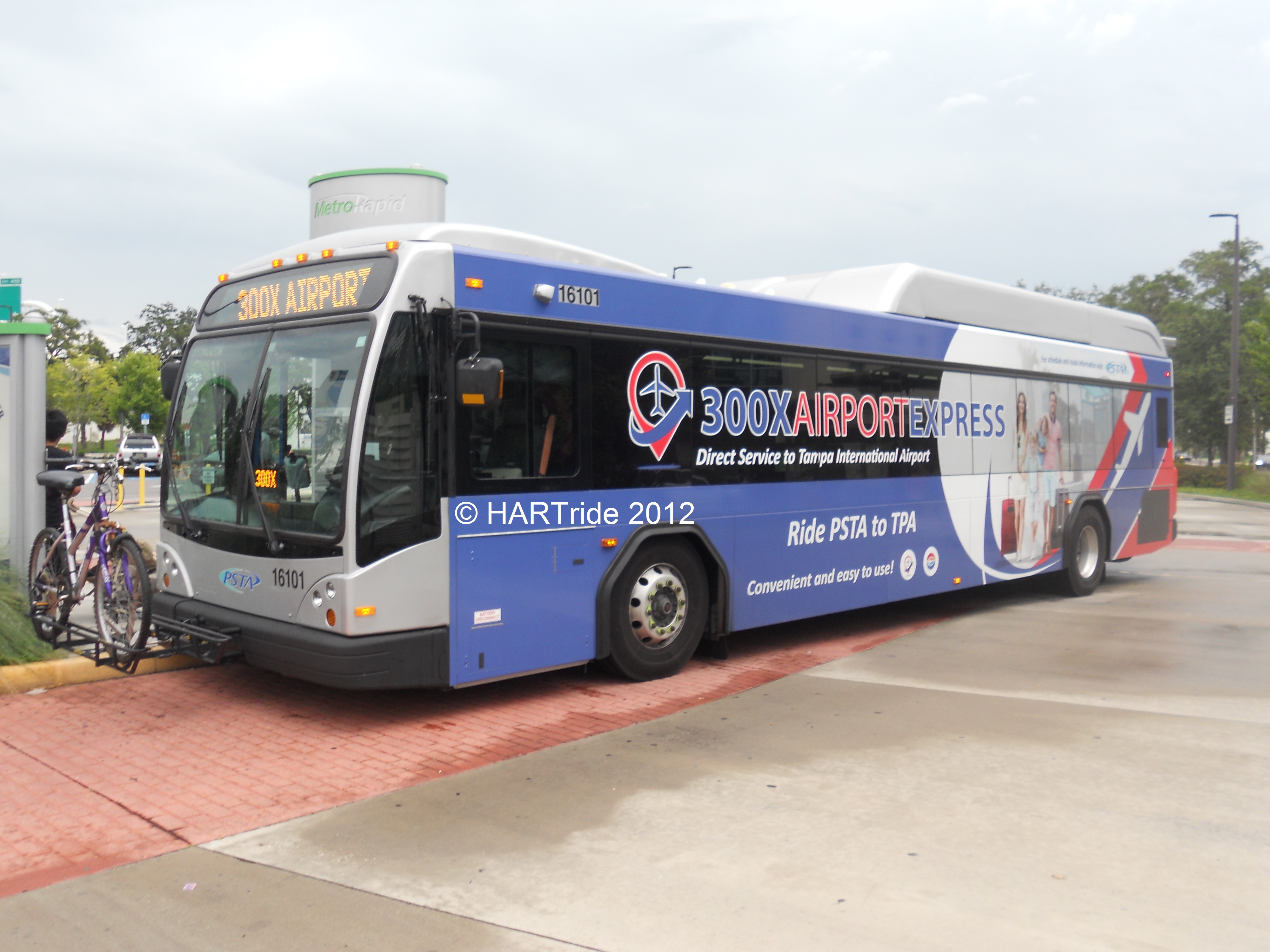
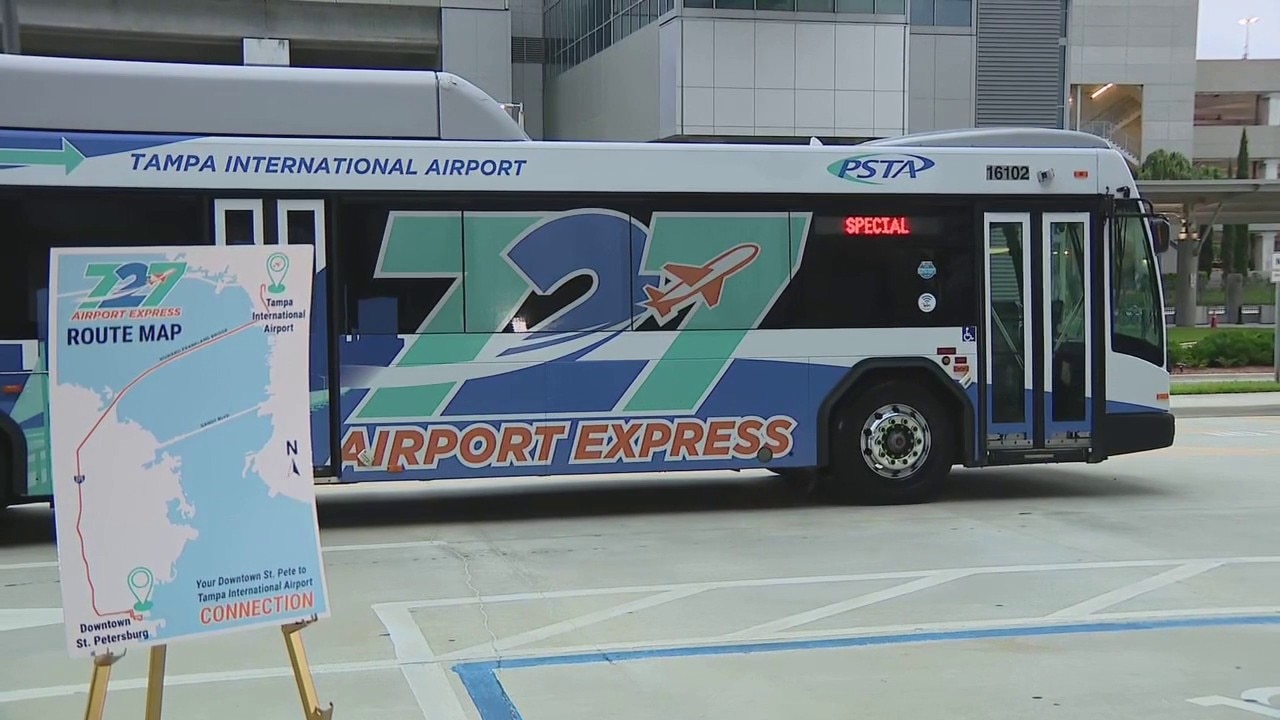
Does PSTA offer service to the Tampa International Airport? PSTA provides connectivity to regional transport hubs that facilitate travel to Tampa International Airport, though routes may require a transfer to a regional connection. Check the trip planner for the most current routing between your specific origin and the airport.
Final Recommendations for Riders
To maximize your efficiency when using PSTA bus routes, always keep your Flamingo Fares account topped up to prevent boarding delays. Regularly check the official PSTA "Service Alerts" page for 2026 service updates, as construction or road improvements often necessitate temporary route detours. For those commuting daily, utilizing the "Favorites" feature within the transit app will save time by pinning your most frequent stops and routes to your home screen, allowing for one-tap access to your daily transit status.
Image Gallery