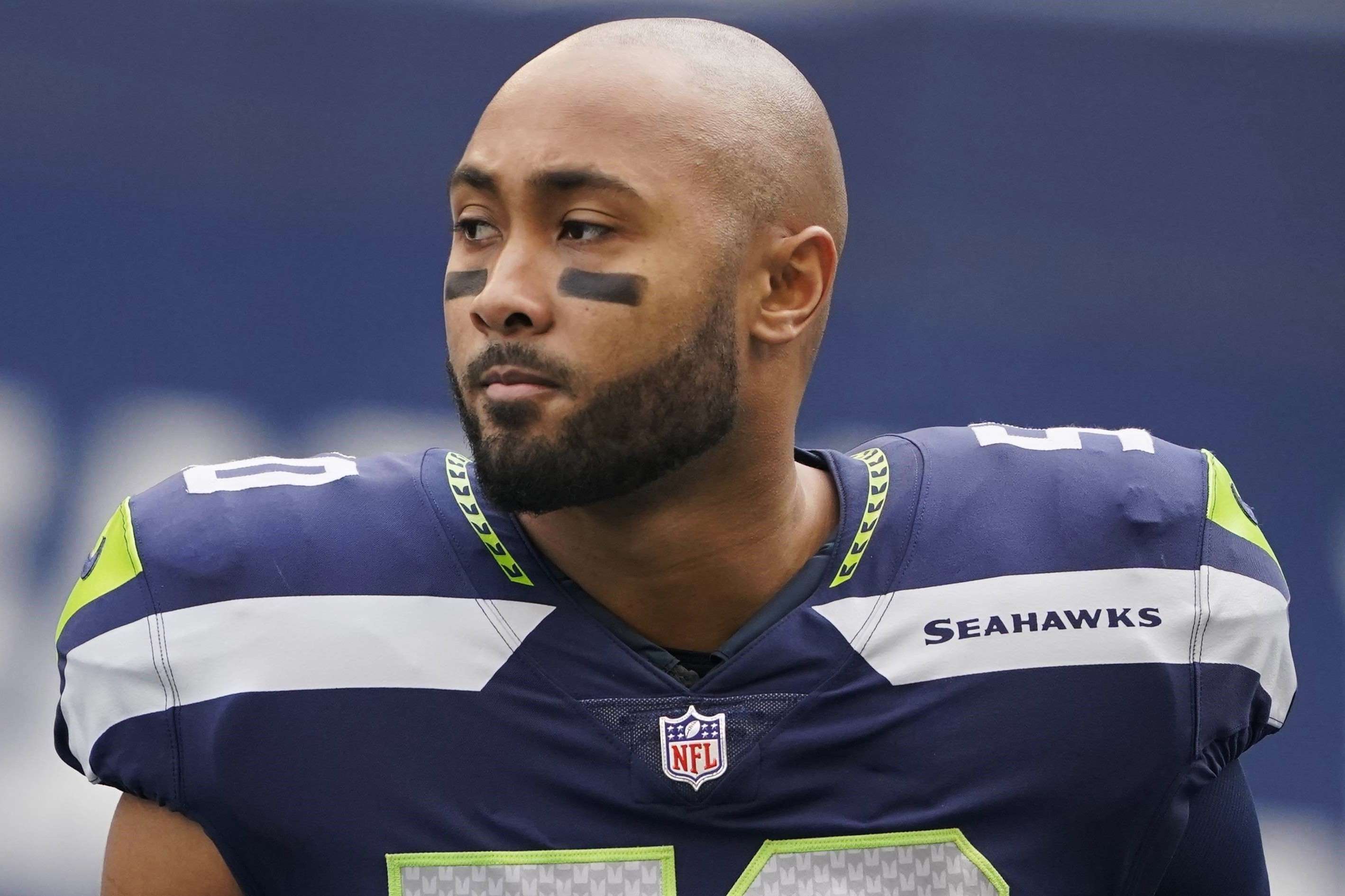
Analyzing the Financial Profile and Net Worth of K.J. Wright
The net worth of K.J. Wright, the distinguished former NFL linebacker, is estimated to fall within the range of $15 million to $20 million as of 2026. This figure is primarily derived from his extensive professional football career, lu...
The net worth of K.J. Wright, the distinguished former NFL linebacker, is estimated to fall within the range of $15 million to $20 million as of 2026. This figure is primarily derived from his extensive professional football career, lucrative endorsement deals, and his ongoing transition into media and business ventures following his retirement from active play.
Contents
The Foundation of Professional Earnings
K.J. Wright’s financial trajectory is rooted in his long and productive tenure in the National Football League (NFL). Drafted by the Seattle Seahawks in the fourth round of the 2011 NFL Draft, Wright spent the vast majority of his career as a staple of the team’s vaunted defense. His professional longevity—spanning over a decade—allowed him to accumulate significant career earnings through multiple contract cycles.
During his prime, Wright signed several notable extensions that reflected his value as a reliable, high-IQ linebacker and a critical component of the "Legion of Boom" era. In 2015, he signed a four-year, $27 million extension, followed by another multi-year deal in 2019 valued at $14 million. These figures, combined with his rookie contract and his final season with the Las Vegas Raiders, place his total career cash earnings in the neighborhood of $45 million to $50 million before taxes, agent fees, and living expenses.
Navigating the Economics of an NFL Career
Understanding an athlete’s net worth requires looking beyond gross contract totals. NFL contracts are subject to several financial realities that reduce the total "take-home" value:
- Taxation: Athletes in the NFL often pay taxes in multiple jurisdictions because they play games in various states. High-earning years are subject to the highest marginal tax brackets at both the federal and state levels.
- Agent Fees: Standard NFL agent fees typically hover around 3% of the player's compensation. Over a decade-long career, this represents a significant expenditure.
- Training and Maintenance: Elite athletes invest heavily in their own physical upkeep, including specialized training, nutritional programs, and personal recovery equipment, which are necessary to prolong their careers and maximize their earning windows.
- Retirement Planning: The NFL offers a pension and 401(k) program, which provides long-term stability. However, the bulk of an athlete's wealth is usually managed via personal investment vehicles.
Post-Retirement Ventures and Media Presence
Since officially retiring from the NFL in 2022 after signing a ceremonial one-day contract to retire as a Seahawk, Wright has successfully pivoted into the media landscape. In 2026, he remains a prominent voice in sports commentary. By leveraging his deep knowledge of defensive schemes and his intimate experience with the Seahawks organization, he has secured roles in broadcasting, podcasts, and digital media.
These media roles serve as a secondary income stream that supplements his investment portfolio. By maintaining a high profile, Wright continues to capitalize on his brand equity. Many former athletes find that their "second act" in media allows them to maintain a consistent cash flow that rivals their mid-level playing salaries, providing a hedge against the volatility of personal investments.
Asset Management and Financial Growth
While specific details regarding his private equity holdings or real estate portfolio are not publicly disclosed in regulatory filings, it is standard for players of Wright's tenure to diversify their wealth. Financial advisors for professional athletes typically steer clients toward a mix of conservative and growth-oriented assets, including:
- Real Estate: High-net-worth individuals often utilize residential and commercial real estate to hedge against inflation and generate passive rental income.
- Stocks and Bonds: Long-term index funds and diversified portfolios remain the primary vehicle for preserving wealth once the high-income years of an athlete’s professional career have concluded.
- Business Ownership: Many former players transition into franchise ownership or stake-holding in small-to-medium businesses.
Comparative Financial Context
To better understand the scale of K.J. Wright's net worth, it is helpful to place his earnings within the context of the linebacker position during his era.
| Career Phase | Strategic Financial Focus | Impact on Net Worth |
|---|---|---|
| Rookie Contract | Debt management and foundation building | Low impact; base-level accumulation |
| Peak Years | Wealth accumulation and aggressive saving | High impact; bulk of capital formation |
| Late Career | Tax optimization and diversification | Medium impact; protective strategies |
| Post-Retirement | Brand building and passive income | Steady growth; sustainability focus |
Frequently Asked Questions
How does K.J. Wright earn money in 2026? As of 2026, K.J. Wright earns income through media contracts, including commentary and digital media appearances. He also benefits from the dividends and returns generated by his investment portfolio, which was built during his years as an active professional athlete.
Is K.J. Wright’s net worth verified by official sources? No, an individual's exact net worth is private information. Estimates regarding K.J. Wright are based on aggregated data from public records, such as NFL contract disclosure reports from organizations like Spotrac and Over The Cap, alongside historical salary data and public reporting on his business ventures.
How much did K.J. Wright earn during his NFL career? Based on historical contract data, K.J. Wright earned approximately $45 million to $50 million in gross salary during his professional career in the NFL, which lasted from 2011 until 2022.
What is the difference between career earnings and net worth? Career earnings refer to the total gross salary paid by teams. Net worth accounts for taxes, agent fees, lifestyle spending, investment losses or gains, and current liabilities. Therefore, net worth is always significantly lower than total career earnings for professional athletes.
Does K.J. Wright have endorsements? Throughout his career, Wright maintained various endorsement partnerships. While these deals are rarely public in terms of specific dollar values, they provide a secondary layer of liquid income that contributes to his overall financial health.
What should fans know about the volatility of athlete wealth? The financial security of former NFL players is highly dependent on long-term planning and the management of liquid assets following retirement. Unlike traditional corporate roles, NFL income is heavily front-loaded, making disciplined post-retirement investment the most critical factor in long-term wealth retention.
Recommendations for Financial Literacy
For those looking to understand the financial management of high-earning professionals, it is important to emphasize that net worth is not a static number but a reflection of lifestyle discipline and asset allocation. K.J. Wright’s career provides a case study in how consistent performance and a professional, injury-managed tenure can yield significant long-term stability.
For individuals interested in learning more about professional athlete compensation, reviewing collective bargaining agreements (CBAs) provided by the NFL Players Association offers the most accurate insight into how revenue is shared, how pension systems operate, and the mandatory financial literacy training provided to active players.
Image Gallery