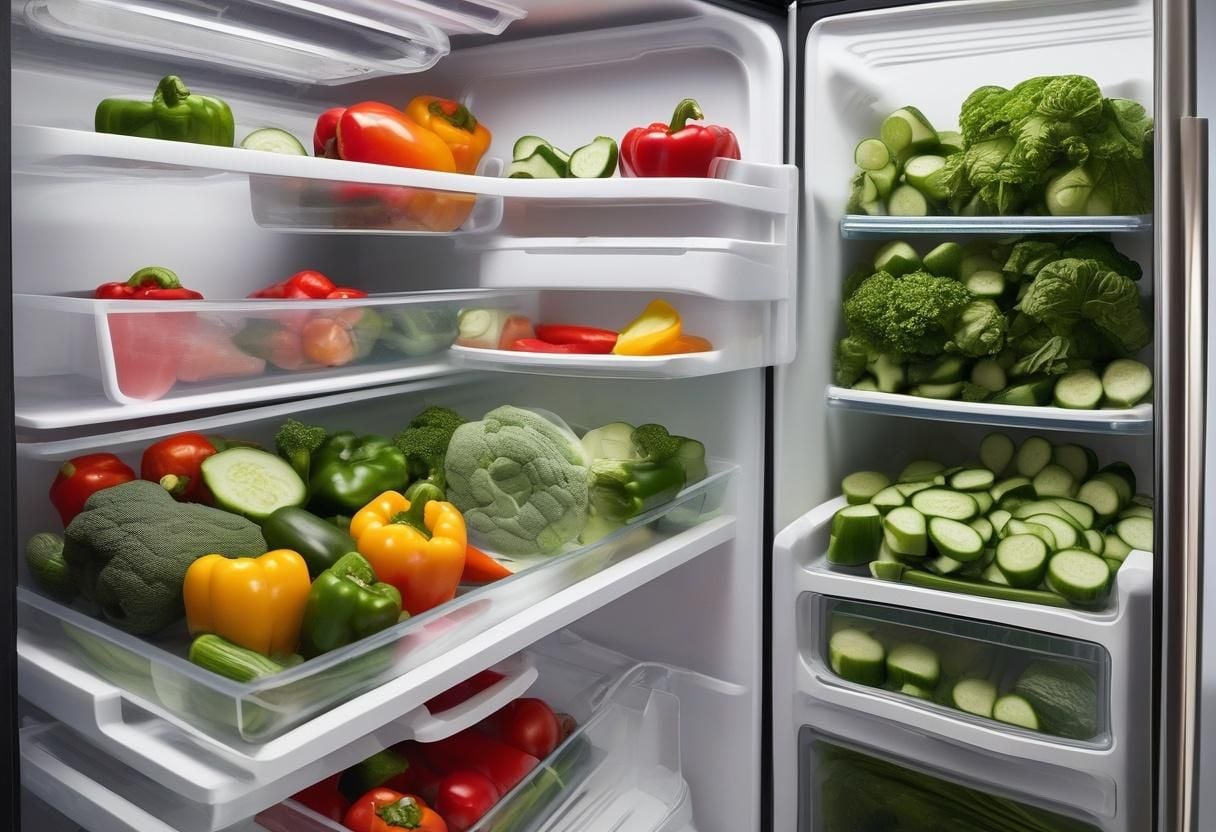
How Cooks Use Windows to Keep Food Fresh
Cooks use windows as a natural climate control system to manage temperature, airflow, and light exposure. By utilizing windowsills for ripening fruit, using cross-ventilation to remove ethylene gas, and employing "window boxes" for sea...
Cooks use windows as a natural climate control system to manage temperature, airflow, and light exposure. By utilizing windowsills for ripening fruit, using cross-ventilation to remove ethylene gas, and employing "window boxes" for seasonal cold storage, cooks can extend the shelf life of ingredients and maintain a sustainable, energy-efficient kitchen environment.
Contents
The kitchen window is more than just a source of natural light or a view of the outdoors; it is a functional tool that has been used for centuries to regulate the microclimate of the cooking space. In 2026, as energy costs and sustainability remain at the forefront of culinary practices, many professional and home cooks are returning to these "passive" methods of food preservation. Understanding the physics of airflow, the impact of solar radiation, and the biological needs of various produce allows a cook to turn a simple pane of glass into a sophisticated preservation asset.
The Science of Airflow and Temperature Regulation
One of the primary ways cooks utilize windows is through the manipulation of thermodynamics. In a standard kitchen, heat is generated by appliances, while moisture is released through boiling, steaming, and cleaning. Without proper regulation, this creates a stagnant, humid environment that accelerates the growth of mold and bacteria.
Managing Ethylene Gas through Ventilation
Many fruits and vegetables, such as apples, bananas, and tomatoes, release ethylene gas as they ripen. In a confined space like a pantry or a closed refrigerator drawer, this gas accumulates, causing surrounding produce to over-ripen and spoil prematurely. By placing certain items near an open window, or ensuring a kitchen has consistent cross-ventilation, cooks allow these gases to dissipate.
Effective ventilation involves more than just opening a single window. Cooks often use "cross-breeze" techniques, opening windows on opposite sides of the room to create a pressure differential. This constant exchange of air ensures that the air surrounding the food remains fresh and that the concentration of spoilage-inducing gases remains low. This is particularly vital for alliums like onions and garlic, which require dry, moving air to prevent the neck rot and molding that occur in stagnant, humid environments.
The Cooling Effect of Evaporation
Historically, and still in many traditional Mediterranean and Middle Eastern kitchens, windows are used to facilitate evaporative cooling. By hanging damp cloths near an open window or placing porous clay pots (like the zeer pot) on a breezy windowsill, cooks can lower the ambient temperature of the immediate area by several degrees. As the wind passes over the moisture, the energy required for evaporation is drawn from the air, creating a micro-zone of coolness that can keep leafy greens or herbs crisp even on a warm day.
The Window Box: A Seasonal "Passive" Refrigerator
In temperate and colder climates, the window has long served as a secondary refrigeration unit. Before the widespread adoption of electric refrigeration, "cold boxes" or "spence boxes" were commonly built into or attached to the exterior of kitchen windows.
Natural Cold Storage
During the autumn and winter months, the external temperature often hovers between 32°F and 40°F (0°C to 4°C), which is the ideal range for a refrigerator according to USDA food safety guidelines. Cooks use insulated window boxes to store hardy vegetables like root crops (carrots, potatoes, parsnips), cruciferous vegetables (cabbage, kale), and certain dairy products.
This method is not merely a relic of the past. In 2026, urban dwellers with limited kitchen space often utilize window-mounted storage to expand their "cool room" capacity. The key to success in this method is monitoring the thermal bridge—the point where the cold exterior meets the warm interior. A well-placed window box uses the window's glass as one side of the "fridge," allowing the cook to monitor the contents while keeping the cold air outside the main living space.
The "Pie Ledge" and Rapid Cooling
Windowsills are also used for the rapid cooling of baked goods. When a hot pie or loaf of bread is removed from the oven, it must cool to set its structure and prevent the crust from becoming soggy due to trapped steam. Placing these items on a window ledge—especially one with a slight breeze—accelerates the transition from "hot" to "room temperature," which is a critical phase for food safety. Rapid cooling through the "danger zone" (40°F to 140°F) prevents the proliferation of thermophilic bacteria.
Solar Energy: Using Light to Ripen and Preserve
The sun’s rays are a powerful tool for the cook, but they must be managed with precision. Windows act as filters and intensifiers for solar radiation, which can be both a benefit and a hazard for food freshness.
Ripening Climacteric Fruits
Many fruits are climacteric, meaning they continue to ripen after being harvested. Examples include tomatoes, stone fruits (peaches, plums), and avocados. These items often arrive from the market under-ripe and hard. Placing them on a sunny windowsill allows the warmth of the sun to activate the enzymes responsible for breaking down starches into sugars and softening the cellulose.
However, professional cooks know to monitor this closely. Direct UV light can also degrade certain nutrients, such as Vitamin C. Therefore, the "window technique" for ripening often involves placing the fruit in a spot that receives bright but indirect light, or using a sheer curtain to diffuse the intensity of the midday sun.
The Living Kitchen: Sills for Herbs
The freshest food is food that is still growing. Cooks use windowsills to maintain "living herbs" like basil, cilantro, mint, and parsley. While cut herbs in the refrigerator have a shelf life of perhaps five to seven days, a windowsill herb garden provides a perpetual harvest.
To maximize the freshness of these living plants, cooks must balance the photoperiod (hours of light) with the moisture levels. Windows facing south (in the Northern Hemisphere) provide the most consistent light, ensuring the plants do not become "leggy" or lose their essential oils, which are responsible for the flavor and aroma.
Technical Comparison of Window-Based Storage Methods
| Method | Best For | Primary Benefit | Key Constraint |
|---|---|---|---|
| Direct Windowsill | Tomatoes, stone fruits, avocados | Rapid ripening/Sugar development | Risk of UV degradation |
| Window Cold Box | Root vegetables, hard cheeses | Energy-free refrigeration | Dependent on external weather |
| Cross-Ventilation | Onions, garlic, squash | Moisture and ethylene removal | Requires dual-aspect windows |
| Indirect Light Sill | Living herbs (Basil, Mint) | Perpetual freshness/High aroma | Potential for soil-borne pests |
| The "Pie Ledge" | Freshly baked goods | Structure setting/Bacterial safety | High risk of external contaminants |
Risks and Limitations: Safety First
While windows offer numerous advantages, cooks must also be aware of the inherent risks. Environmental factors can quickly turn a preservation tool into a spoilage vector.
- Temperature Fluctuations: A windowsill can be 20 degrees warmer than the rest of the kitchen during the day and 10 degrees cooler at night. These swings can cause "sweating" in produce, where condensation forms on the surface of the food, leading to rapid bacterial growth.
- Pests and Contaminants: Open windows without screens are an invitation for insects, birds, and rodents. Furthermore, windows near busy roads may allow dust and pollutants to settle on uncovered food.
- Light Sensitivity (Photo-oxidation): Certain foods should never be stored near windows. Oils, fats, and light-colored bottles of wine are highly susceptible to photo-oxidation. When light hits these items, it triggers a chemical reaction that creates "off" flavors and rancidity. This is why olive oil is typically sold in dark glass and should be kept in a dark cupboard, far from the kitchen window.
Managing Humidity and Condensation
The area around a window is often the site of the greatest humidity variance in a kitchen. In winter, cold glass meets warm, moist air from cooking, causing condensation. If food is stored too close to these damp panes, it can develop surface mold.
Experienced cooks often use "breather bags"—perforated plastic or mesh—when placing items near windows. This allows for the benefits of the cooler air near the glass while protecting the food from direct contact with moisture. For those using the window to dry foods (such as sun-dried tomatoes or herbs), maintaining a humidity level below 60% is essential. If the window area is too humid, the food will rot rather than dry.
FAQ
Can I use my windowsill to thaw frozen meat?
No. You should never thaw meat on a windowsill. The surface of the meat will reach the "danger zone" (above 40°F) long before the center is thawed, allowing bacteria like Salmonella and E. coli to multiply rapidly. Thawing should always be done in the refrigerator, under cold running water, or in the microwave.
Why do my herbs wilt even though they are on the windowsill?
Wilting on a windowsill is often caused by "root scorch" or excessive transpiration. If the sun is too intense, the plant loses water through its leaves faster than it can drink from its roots. Try moving the herbs to a window with indirect light or using a sheer curtain during the hottest part of the day.
Is it safe to store eggs on a window ledge if it’s cold outside?
It is generally not recommended in the United States, where eggs are washed and refrigerated commercially, stripping them of their protective natural coating (the bloom). In regions where eggs are sold unwashed, they can be stored at cool room temperatures, but the fluctuating temperatures of a window ledge still make it a less-than-ideal spot compared to a consistent pantry.
Does light kill the nutrients in my vegetables?
Yes, prolonged exposure to direct sunlight can degrade light-sensitive vitamins, particularly riboflavin (B2) and Vitamin C. While the window is great for ripening, once a fruit or vegetable is ripe, it should be moved to a dark, cool place to preserve its nutritional profile.
How do I prevent pests if I open the window for ventilation?
The most effective method is the installation of fine-mesh screens. For those without screens, using "food tents" or mesh domes over items on the windowsill can provide a physical barrier against flies and other insects while still allowing for airflow.
Practical Recommendation
To effectively use your windows for food freshness, start by identifying the orientation of your kitchen. Use South-facing windows for a living herb garden or for ripening very green fruit. Use North-facing windows (which stay cooler and have more consistent light) for temporary storage of produce like potatoes or squash that prefer a stable, cool environment. Always ensure your windows have functional screens to prevent pest contamination, and invest in a small digital thermometer to monitor the actual temperature of your windowsill before committing to long-term food storage there.
Image Gallery