Why the Southern Diet Sparks Health Debate: Science, Culture, and Longevity
The Southern diet sparks health debate because it sits at the intersection of a rich, cherished cultural heritage and a documented history of disproportionately high rates of heart disease, stroke, and type 2 diabetes. While clinical s...
The Southern diet sparks health debate because it sits at the intersection of a rich, cherished cultural heritage and a documented history of disproportionately high rates of heart disease, stroke, and type 2 diabetes. While clinical studies consistently link this eating pattern to adverse cardiovascular outcomes, proponents argue that the "Southern diet" used in research often overlooks the region's traditional, vegetable-heavy agrarian roots in favor of modern, processed interpretations.
Contents
The Anatomy of the Southern Dietary Pattern
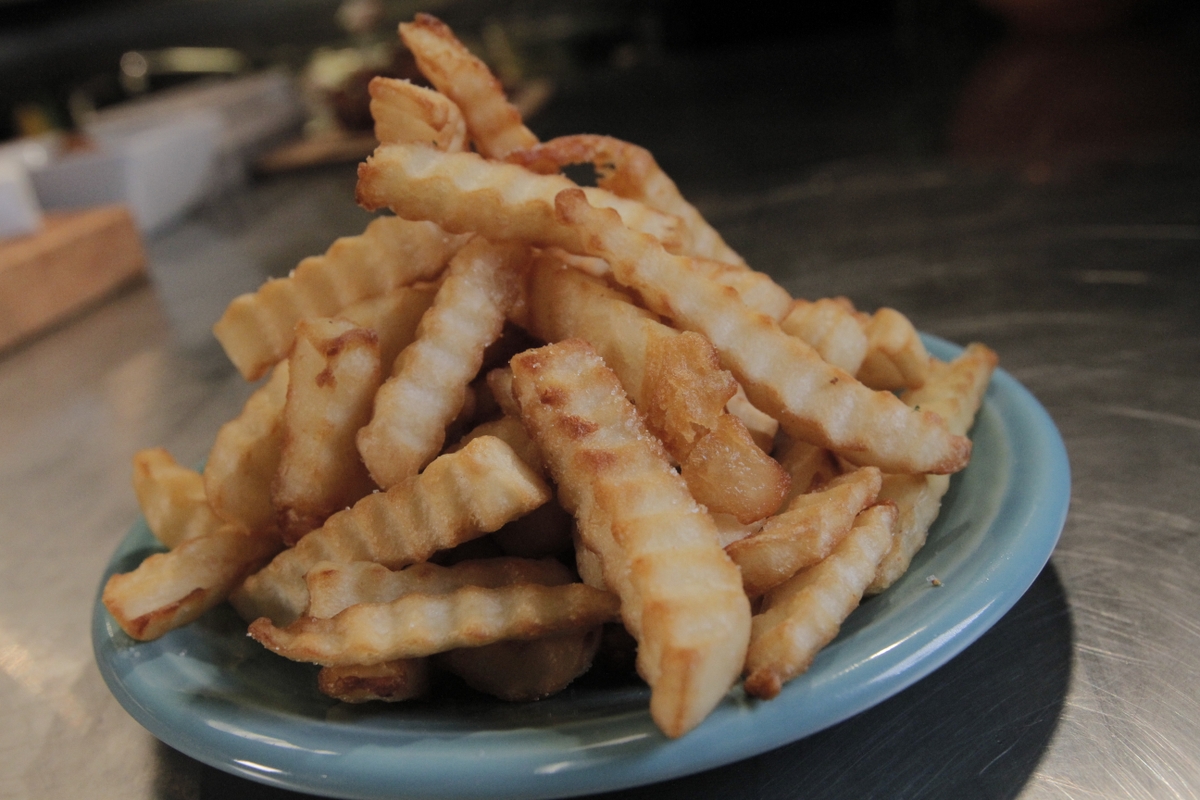
To understand the debate, one must first define what researchers mean by a "Southern diet." In clinical literature, particularly in large-scale longitudinal studies, this pattern is characterized by a high intake of fried foods, added fats (such as lard and butter), eggs, processed meats (like bacon, sausage, and ham), organ meats, and sugar-sweetened beverages.
This specific combination of ingredients is calorie-dense and often high in sodium, saturated fats, and refined sugars. However, culinary historians often point out a disconnect between this clinical definition and the historical reality of Southern cooking. Traditionally, the Southern table was dominated by the "pot liquor" of slow-cooked greens, field peas, sweet potatoes, and seasonal produce. The debate arises because the modern version of the diet—influenced by industrial food systems and fast-food accessibility—has largely replaced these nutrient-dense staples with deep-fried alternatives and shelf-stable processed goods.
The REGARDS Study: Scientific Foundation of the Debate
The primary catalyst for the health debate is the Reasons for Geographic and Racial Differences in Stroke (REGARDS) study, a massive research initiative funded by the National Institutes of Health (NIH). Researchers from the University of Alabama at Birmingham have tracked over 30,000 individuals for years to determine why people in the Southeastern United States have higher rates of stroke and heart disease than the rest of the country.
Data from the REGARDS study revealed that participants who most closely followed the "Southern" eating pattern had a 56% higher risk of experiencing an acute coronary heart disease event compared to those who followed it the least. Furthermore, the study identified a significant correlation between this diet and a 30% higher risk of stroke. These findings moved the conversation from anecdotal observation to clinical certainty, framing the Southern diet as a measurable public health risk.
Geographic Health Disparities and the "Stroke Belt"
The debate is inextricably linked to a region known as the "Stroke Belt," an area of the Southeastern United States where stroke mortality rates are significantly higher than the national average. As of 2026, healthcare providers in states like North Carolina, South Carolina, Georgia, Alabama, and Mississippi continue to grapple with these disparities.
The central question in the debate is whether the diet itself is the primary driver of these statistics or if it is a proxy for other systemic issues. Critics of the "diet-only" explanation argue that focusing solely on food ignores the "Southern lifestyle" variables, including lower rates of physical activity, higher smoking prevalence in certain sub-regions, and historical gaps in access to quality healthcare. However, when researchers control for these factors, the dietary pattern remains a persistent and independent risk factor for hypertension and kidney disease, keeping the nutritional debate at the forefront of regional health policy.
Cultural Identity vs. Clinical Outcomes
For many Southerners, the diet is more than a collection of nutrients; it is a vital part of cultural identity, family bonding, and history. This makes public health interventions particularly sensitive. Telling a community that their traditional "soul food" or "country cooking" is dangerous can be perceived as an attack on their heritage.
The debate often features a clash between nutritional reductionism (viewing food only as its chemical components) and cultural preservation. Health advocates are increasingly moving away from "don't eat this" messaging toward "how to adapt this." For example, substituting smoked turkey for fatback in collard greens or using air-frying techniques for chicken are seen as ways to bridge the gap between cultural satisfaction and clinical safety. The tension remains, however, because the "authentic" flavor profile of many Southern dishes relies heavily on the very fats and salts that clinical guidelines seek to minimize.
Socioeconomic Factors: Accessibility and Food Deserts
A critical but often overlooked layer of the Southern diet debate is the role of socioeconomic status. The Deep South has some of the highest poverty rates in the United States. In many rural and urban areas of the South, "food deserts"—areas with limited access to affordable, fresh, and nutritious food—are prevalent.
In these environments, the "Southern diet" as defined by researchers (processed meats and fried foods) is often the most affordable and accessible option. Highly processed foods are shelf-stable and calorie-efficient for families on a tight budget. Therefore, some experts argue that the debate shouldn't be about the diet's inherent "badness" but about the lack of choice. When the cheapest meal available is a fried chicken sandwich and a sweet tea, the resulting health outcomes are as much a result of economic policy as they are of personal or cultural preference.
The Historical Argument: Reclaiming the Traditional Southern Table
One of the most compelling voices in the modern debate is the movement to reclaim the "Traditional Southern" diet, which looks remarkably different from the "Southern pattern" used in medical studies. Historically, the Southern diet was an agrarian one, characterized by a heavy reliance on the "three sisters" of indigenous agriculture (corn, beans, and squash) along with a vast array of wild and cultivated greens.
| Feature | Modern Research "Southern Pattern" | Traditional/Agrarian Southern Diet |
|---|---|---|
| Primary Protein | Fried chicken, bacon, processed sausage | Small amounts of smoked meats for flavoring, beans, legumes, and game |
| Vegetable Role | Often fried (okra, green tomatoes) or heavily salted | Central focus: collards, turnips, sweet potatoes, field peas |
| Grains | Refined flour biscuits, sweetened cornbread | Stone-ground cornmeal, whole grains, rice |
| Beverages | High-sugar sweet tea, soda | Water, buttermilk, unsweetened tea |
| Fat Sources | Trans fats, heavy lard, commercial oils | Limited lard, vegetable fats, pot liquor |
By highlighting this distinction, proponents of the "Garden South" argue that the health debate is actually a critique of industrialized eating rather than Southern culture itself. If the region returned to its roots of high-fiber legumes and dark leafy greens, the "Southern diet" could theoretically transition from a health risk to a health asset.
Modifications for a Healthier Southern Plate
For those who wish to maintain their culinary heritage while mitigating the risks identified in studies like REGARDS, several evidence-based modifications are frequently recommended by dietitians in 2026. These changes focus on maintaining flavor profiles while significantly reducing the "offending" nutrients like sodium and saturated fats.
- Reimagining the Pot Liquor: Instead of using fatback or ham hocks to season greens, chefs use smoked paprika, liquid smoke, or small amounts of smoked turkey breast. This retains the smoky flavor without the high saturated fat content.
- The "Meat as a Condiment" Approach: In this model, meat is used sparingly for flavor rather than as the main course. This aligns more closely with historical Southern eating habits and reduces total calorie and fat intake.
- Sweet Tea Moderation: One of the largest contributors to the Southern diet's link to diabetes is the sheer volume of sugar in sweet tea. Reducing sugar content or using natural stevia-based sweeteners is a primary target for public health interventions.
- Oven-Frying and Air-Frying: These technologies allow for the texture of fried foods—a hallmark of the diet—with a fraction of the oil, reducing the intake of oxidized fats and total calories.
Frequently Asked Questions
Is the Southern diet the most unhealthy diet in America?
Clinical studies, such as the REGARDS study, have identified the "Southern dietary pattern" as having the highest correlation with stroke and heart disease among common American eating patterns. However, "unhealthy" is relative; the diet’s risks are primarily linked to its high sodium, sugar, and saturated fat content, which are also found in many standard American diets.
Why does the Southern diet include so many fried foods?
Historically, frying was a quick and efficient way to cook food in the hot Southern climate without heating up a kitchen for hours with an oven. It also provided necessary calories for labor-intensive agricultural work. Modern technology and a shift to sedentary lifestyles have made these high-calorie cooking methods less appropriate for the average person's energy needs.
Can you follow a Southern diet and still be healthy?
Yes, if the focus shifts back to the traditional "Garden South" style. This involves prioritizing legumes (black-eyed peas, butter beans), leafy greens (collards, kale), and tubers (sweet potatoes) while minimizing fried meats and sugary beverages.
What is the "Stroke Belt" exactly?
The Stroke Belt is a region in the Southeastern U.S. where the risk of stroke is significantly higher than in other parts of the country. This region includes states like Alabama, Arkansas, Georgia, Kentucky, Louisiana, Mississippi, North Carolina, South Carolina, Tennessee, and Virginia. The Southern diet is considered a major contributing factor to this geographic disparity.
Does the Southern diet cause type 2 diabetes?
Research indicates a strong association between the Southern dietary pattern and an increased risk of type 2 diabetes. This is largely attributed to the high consumption of sugar-sweetened beverages and fried foods, which can lead to obesity and insulin resistance.
Are there any health benefits to the Southern diet?
The traditional, non-industrialized Southern diet is high in fiber (from beans and greens) and vitamins A and C (from sweet potatoes and leafy vegetables). These components are highly beneficial for digestive health and immune function when not overshadowed by excessive salt and fat.
Recommended Action for 2026
If you are concerned about the health impacts of a Southern-style diet, the most effective step is to prioritize the "Garden South" over the "Fryer South." Continue to enjoy the traditional flavors of the region but aim to make vegetables—prepared with minimal added fats—at least 75% of your plate. Reducing the frequency of sugar-sweetened tea and fried meats can significantly lower your risk profile while still allowing you to celebrate the culinary heritage of the American South. For those with existing hypertension, consulting with a nutritionist familiar with Southern foodways can provide personalized strategies to reduce sodium without sacrificing taste.
Image Gallery