Understanding the Bill & Melinda Gates Foundation Net Worth and Financial Structure
When discussing the "Bill Gates foundation net worth," it is important to clarify that the organization—officially known as the Bill & Melinda Gates Foundation—does not possess a "net worth" in the same sense as an individual or a for-...
When discussing the "Bill Gates foundation net worth," it is important to clarify that the organization—officially known as the Bill & Melinda Gates Foundation—does not possess a "net worth" in the same sense as an individual or a for-profit corporation. Instead, the foundation maintains an endowment, which represents the total value of its assets, including investments in stocks, bonds, and cash, used to fund its global philanthropic operations. As of 2026, the foundation remains one of the world’s largest private charitable organizations, with an endowment consistently valued in the tens of billions of dollars, facilitating its mission to enhance healthcare and reduce extreme poverty worldwide.
Contents
The Distinction Between Personal Wealth and Foundation Endowment
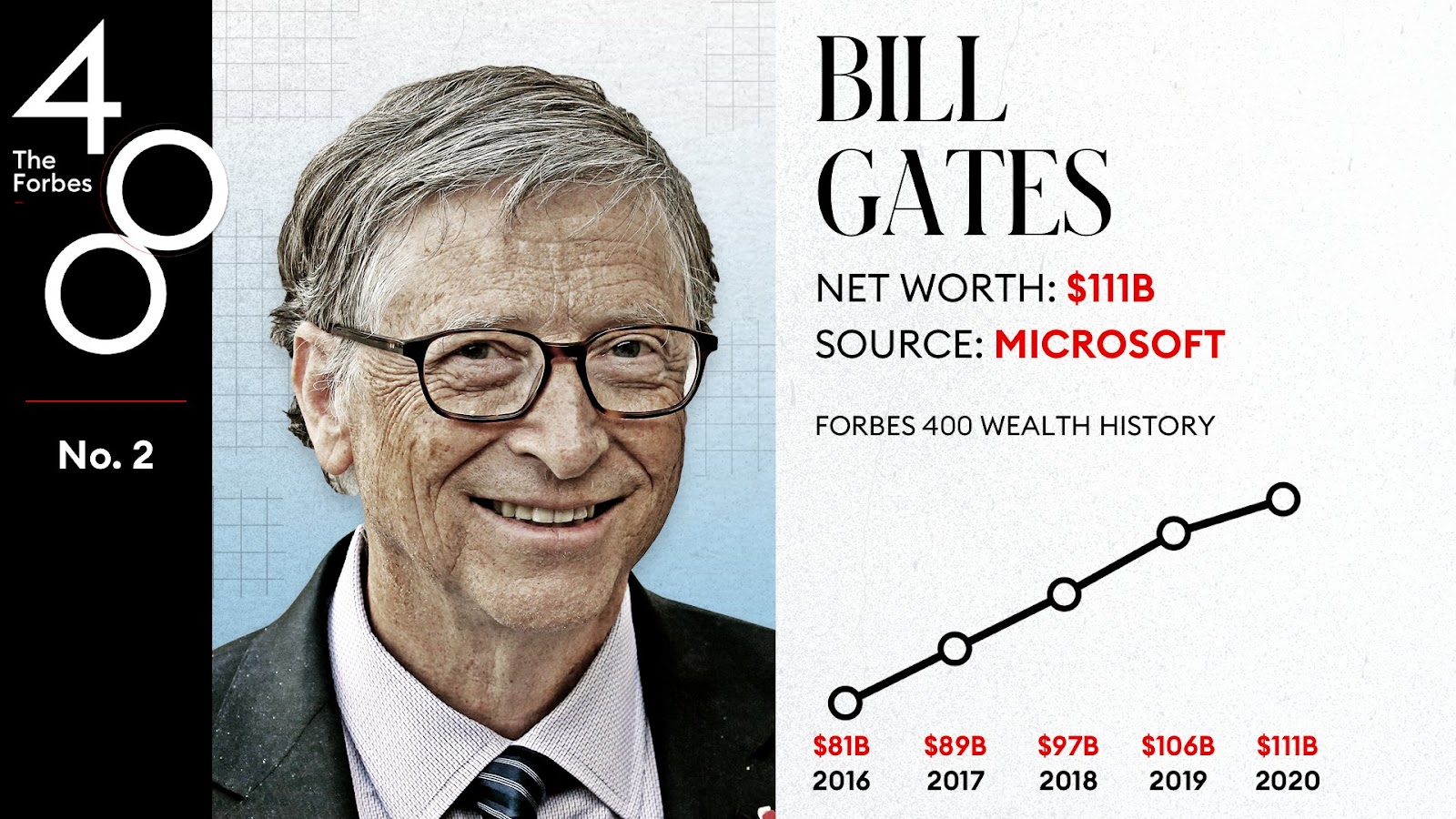
A frequent source of public confusion is the conflation of Bill Gates' personal net worth with the financial resources controlled by his foundation. Bill Gates’ personal wealth fluctuates based on his remaining holdings in Microsoft, his investment vehicle Cascade Investment, and other personal ventures. The Bill & Melinda Gates Foundation, by contrast, is a separate legal entity—a private foundation—governed by a board of trustees and operated under strict Internal Revenue Service (IRS) regulations.
The "net worth" of the foundation is essentially the current market value of its endowment. This endowment is not a static pool of money; it is a diversified investment portfolio designed to generate the capital necessary to sustain long-term grant-making activities. While the foundation receives significant contributions—most notably from Bill Gates, Melinda French Gates, and Warren Buffett—the growth and stability of its endowment are largely dependent on the performance of its global investment portfolio.
How the Foundation’s Endowment Functions
The foundation operates as a perpetual trust. Under U.S. federal law, private foundations are generally required to pay out a minimum of 5% of the average aggregate fair market value of their non-charitable assets annually. This ensures that the organization remains active in its charitable pursuits rather than simply accumulating wealth.
The endowment is managed by the Bill & Melinda Gates Foundation Trust. The trust is responsible for the investment assets, while the foundation’s internal staff manages the distribution of funds to various programs, such as global health, agricultural development, and education. This separation ensures that investment strategies remain focused on long-term growth and capital preservation, while the foundation’s leadership focuses on the efficacy of its programmatic interventions.
Key Drivers of Financial Scale
The foundation's financial capacity has been historically bolstered by two primary sources:
- Direct Contributions: Massive, multi-billion-dollar gifts from founders and partners, most notably the multi-decade pledge from Warren Buffett, which concluded its final phase of giving in the mid-2020s.
- Investment Returns: The endowment’s portfolio is broad, spanning various asset classes, including large equity holdings in technology, consumer goods, and infrastructure sectors. Because the foundation’s mission requires a high level of liquidity and long-term sustainability, its investment strategy is typically conservative enough to avoid excessive volatility while aggressive enough to beat inflation and provide annual grants.
Financial Oversight and Transparency
Because the Bill & Melinda Gates Foundation is a 501(c)(3) organization, it is subject to rigorous financial reporting standards. Each year, the foundation files a Form 990-PF with the IRS. This document provides a detailed look at the foundation's finances, including:
- Total assets at the beginning and end of the fiscal year.
- Total annual revenue from contributions and investments.
- Total expenditures, categorized by grant-making and operating expenses.
- Lists of major grantees and investment holdings.
These filings are public record, and the foundation maintains a commitment to transparency by publishing an annual report that summarizes its financial health and impact. Analysts and journalists use these documents to track the "net worth" of the foundation, though the figure changes daily based on global market fluctuations.
Comparative Perspective on Charitable Endowments
The following table provides a high-level view of how private foundations manage their financial resources to ensure long-term impact.
| Metric | Description | Purpose |
|---|---|---|
| Endowment | The total value of the foundation’s invested assets. | Provides the source of annual funding for grants. |
| Payout Requirement | Generally 5% of non-charitable assets per IRS rules. | Ensures foundations actively distribute funds. |
| Annual Grants | The capital distributed to non-profits and research entities. | Funds programs in global health, sanitation, and policy. |
| Operating Expenses | Administrative costs to run the foundation. | Covers personnel, logistics, and monitoring/evaluation. |
Challenges to Endowment Sustainability
Maintaining an endowment of this size carries inherent risks. Global economic downturns can significantly impact the market value of the foundation's holdings. Furthermore, inflation poses a long-term challenge; the foundation must ensure that its grant-making does not outpace the growth of its investments, or it would eventually face a depletion of its resources.
The foundation mitigates these risks through extreme diversification. By holding assets across different geographies and sectors, it seeks to protect itself from localized economic shocks. Furthermore, the board of trustees frequently reviews the investment policy statement to ensure it remains aligned with the foundation’s mission and the evolving economic landscape of 2026.
Frequently Asked Questions
Does the foundation lose money when the stock market drops? Yes, like any entity with a large investment portfolio, the foundation’s total asset value fluctuates with the stock market. However, because it is a long-term investor, it is generally structured to weather short-term volatility without disrupting current grant commitments.
Is Bill Gates the only donor to the foundation? While Bill Gates and Melinda French Gates are the primary donors, the foundation has received significant financial support from others, most notably Warren Buffett. The foundation is structured to accept and manage these substantial contributions as part of its unified endowment.
How much does the foundation spend annually? The foundation spends billions of dollars every year. The exact amount is determined by the size of the endowment and the strategic goals for that specific fiscal year, as dictated by the board’s approved budget and the IRS minimum distribution requirement.
Can the public influence how the foundation spends its money? The foundation is a private entity governed by its trustees. While it engages in significant stakeholder consultation and partners with governments and NGOs, it maintains independent control over its strategic objectives and spending decisions.
Is the foundation’s "net worth" the same as its annual budget? No. The "net worth" refers to the total value of its long-term assets (the endowment). The annual budget is the amount the foundation decides to spend in a single year, which is a portion of the total assets and investment returns.
Strategic Outlook
Looking toward the future, the foundation remains focused on systemic change rather than simple charity. Its financial strategy is built to ensure that even if the founders were to stop contributing entirely, the foundation would have the capacity to continue its operations for decades. For researchers and members of the public interested in the specific financial state of the organization, the most accurate information is always found in the foundation's latest tax filings or official annual reports rather than third-party estimations, which may rely on outdated market data.
For those interested in the impact of these financial resources, the foundation’s website provides comprehensive databases detailing every grant issued, allowing for a transparent audit of how these funds translate into real-world projects, such as vaccine development or improved crop yields in developing nations.
Image Gallery