The Enduring Impact of Roberto Clemente on Society and Humanitarianism
Roberto Clemente’s influence extends far beyond his historic achievements as a Major League Baseball Hall of Famer; he represents a profound legacy of humanitarianism, racial advocacy, and the professionalization of charitable relief....
Roberto Clemente’s influence extends far beyond his historic achievements as a Major League Baseball Hall of Famer; he represents a profound legacy of humanitarianism, racial advocacy, and the professionalization of charitable relief. His life—and his tragic death while delivering aid to earthquake victims in 1972—transformed the intersection of sports and social responsibility, establishing a blueprint for the modern athlete-activist that remains a reference point for professional sports leagues in 2026.
Contents
Athletic Excellence as a Platform for Change
Clemente’s entry into Major League Baseball in 1955 occurred during a period of deep segregation and institutional racial barriers in the United States. As a Afro-Latino player from Puerto Rico, he faced a dual struggle: the systemic racism directed at Black players and the cultural and linguistic prejudice experienced by Latin American immigrants.
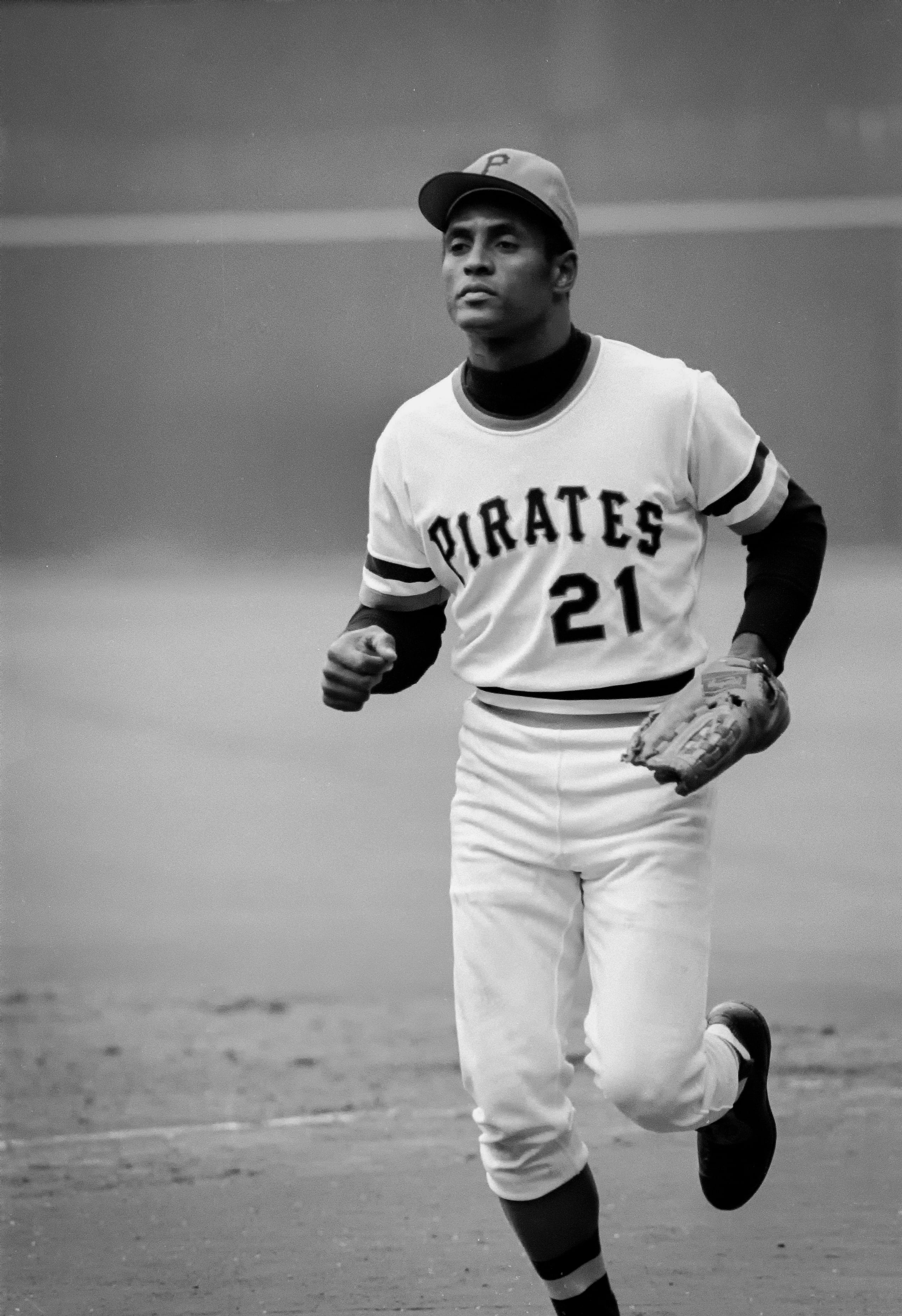
Despite these obstacles, his statistics remain legendary. Over 18 seasons with the Pittsburgh Pirates, he secured 3,000 hits, earned 12 Gold Glove Awards, and was named the 1966 National League Most Valuable Player. However, Clemente’s true societal impact was his refusal to be silenced by the media or sports management. He famously demanded respect for his identity, often correcting sports reporters who insisted on anglicizing his name from "Roberto" to "Bob." By asserting his cultural identity, he provided a public voice for Latin American athletes, challenging the status quo and asserting that their contributions to the game were equal to those of their domestic counterparts.
The Humanitarian Mandate: The 1972 Nicaragua Mission
The core of Clemente’s impact on society is anchored in his final act of service. In December 1972, a massive earthquake devastated Managua, Nicaragua. Having visited the country previously, Clemente was personally moved to organize relief efforts. He utilized his platform to collect food, clothing, and medical supplies from the public, spearheading a grassroots campaign that demonstrated the mobilizing power of a public figure.
His decision to personally accompany the relief flight on December 31, 1972, despite warnings about the aircraft’s mechanical condition and the pilot’s lack of experience, signaled a departure from symbolic philanthropy toward active, hands-on humanitarianism. The plane crashed shortly after takeoff from San Juan, Puerto Rico, claiming his life. This event fundamentally altered how professional sports organizations approached disaster relief. Following his death, the concept of the athlete as a moral agent became integrated into the culture of professional leagues, moving away from purely commercial endorsements toward community investment.
Measuring Institutional Influence
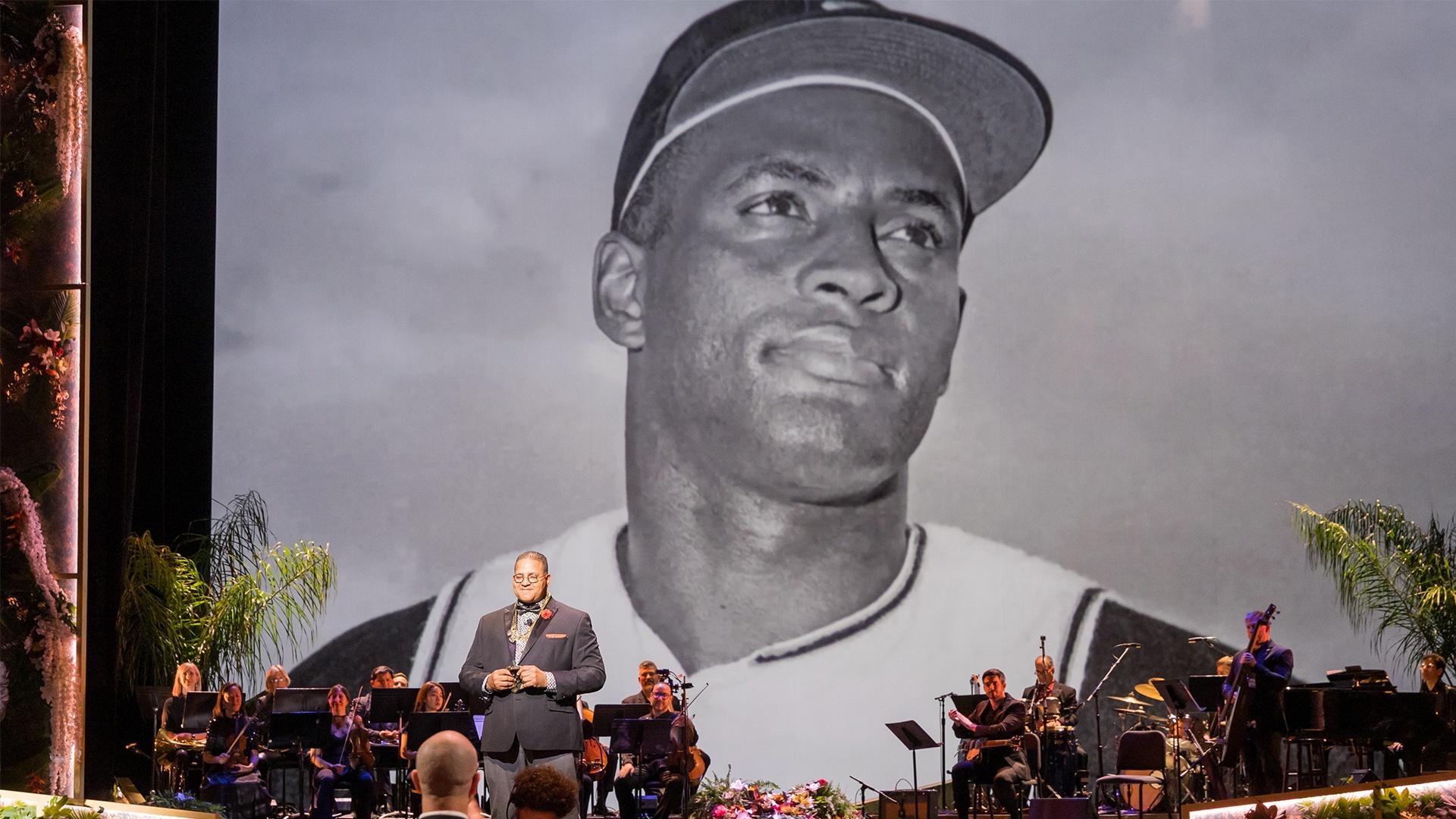
Clemente’s legacy is codified in the institutions that preserve his memory and incentivize social work. In 1973, Major League Baseball established the "Commissioner’s Award," which was subsequently renamed the Roberto Clemente Award. This honor is bestowed annually to the player who best represents the game of baseball through extraordinary character, community involvement, philanthropy, and positive contributions, both on and off the field.
Comparative Impact of Athlete-Humanitarians
| Feature | Roberto Clemente Model | Modern Athletic Philanthropy |
|---|---|---|
| Primary Driver | Direct personal intervention | Institutionalized foundations |
| Scope | Regional and disaster-focused | Global and systemic policy |
| Media Utilization | Public awareness campaigns | Digital and social media advocacy |
| Risk Exposure | High (Field/Personal involvement) | Low (Strategic partnerships) |
The table above illustrates the evolution of athlete-led humanitarianism. While modern athletes often rely on tax-exempt foundations and corporate partnerships to scale their impact, Clemente set the precedent for "Direct Action," where the individual’s physical presence and personal advocacy were the primary tools of change.
Advocacy for Minority Rights in Professional Sports
Beyond his charitable work, Clemente acted as an unofficial labor advocate for Latin American players. During the 1960s and 70s, many players from Latin America faced substandard living conditions, limited access to translation services, and discriminatory salary practices. Clemente frequently leveraged his status as a superstar to demand better treatment for his peers, effectively functioning as a bridge between the front office and the marginalized segments of the player workforce.
His advocacy created a standard for player unions, particularly as professional sports became increasingly internationalized. By the early 21st century, the structural reforms within Major League Baseball—such as formalized scouting protocols in the Caribbean and standardized international signing rules—can trace their origin to the awareness raised by Clemente regarding the exploitation of talent from the Global South.
Enduring Challenges and Modern Relevance
In 2026, the discussion surrounding Roberto Clemente’s impact often centers on the ethical expectations of public figures. The societal pressure on athletes to address social issues is a direct descendant of the path Clemente carved. However, this creates a complex environment where the lines between authentic activism and performative branding are frequently debated.
Critics and historians often point out that the "Clemente model" is difficult to replicate because it demanded total commitment from the athlete. While modern athletes enjoy higher salary protections and specialized media training, they are rarely afforded the same autonomy to execute independent, high-risk relief operations as Clemente did. His life serves as a constant reminder that systemic change requires more than just capital; it requires a willingness to challenge institutional failures directly.
Frequently Asked Questions
How did Roberto Clemente influence the treatment of Latin American athletes? Clemente fought against the anglicization of names and demanded equal media representation. His stature forced the baseball establishment to acknowledge the specific challenges faced by Spanish-speaking players, leading to better support systems in later decades.
What is the significance of the Roberto Clemente Award? It is the most prestigious individual humanitarian honor in baseball. It signifies that professional excellence is incomplete without a measurable commitment to social welfare, officially enshrining his values into the sport's annual operations.
Was Clemente’s humanitarian work restricted to Nicaragua? No. Throughout his career, he frequently organized baseball clinics and distributed sports equipment to underserved youth in Puerto Rico and across Latin America. His work in Managua was the culmination of a lifelong commitment to humanitarian service.
How does Clemente’s impact compare to modern "athlete-activists"? Clemente pioneered the role of the individual as an active relief organizer. While modern athletes often act as brand ambassadors for social causes, Clemente’s approach was defined by personal, physical presence and the assumption of operational risk.
Where can the public view the impact of his life today? His legacy is preserved at the National Baseball Hall of Fame in Cooperstown, New York, and through various monuments in Puerto Rico and Pittsburgh. The most active manifestation of his impact, however, remains the ongoing social work performed by the recipients of the Roberto Clemente Award.
Next Actions for Further Research
To fully understand the scope of Roberto Clemente's influence, researchers and enthusiasts are encouraged to review the following:
- Examine Primary Documentation: Consult the archives of the Pittsburgh Post-Gazette from early 1973 for firsthand accounts of the immediate aftermath of his death and the subsequent global outpouring of support.
- Review the Roberto Clemente Foundation: Analyze the current operational focus of the foundation, which provides insights into how his family and successors translate his values into modern community development programs.
- Evaluate League Policies: Research the current "International Prospect" guidelines within Major League Baseball to identify the specific regulations that were implemented to protect international players—regulations often inspired by the advocacy of players like Clemente.
Image Gallery