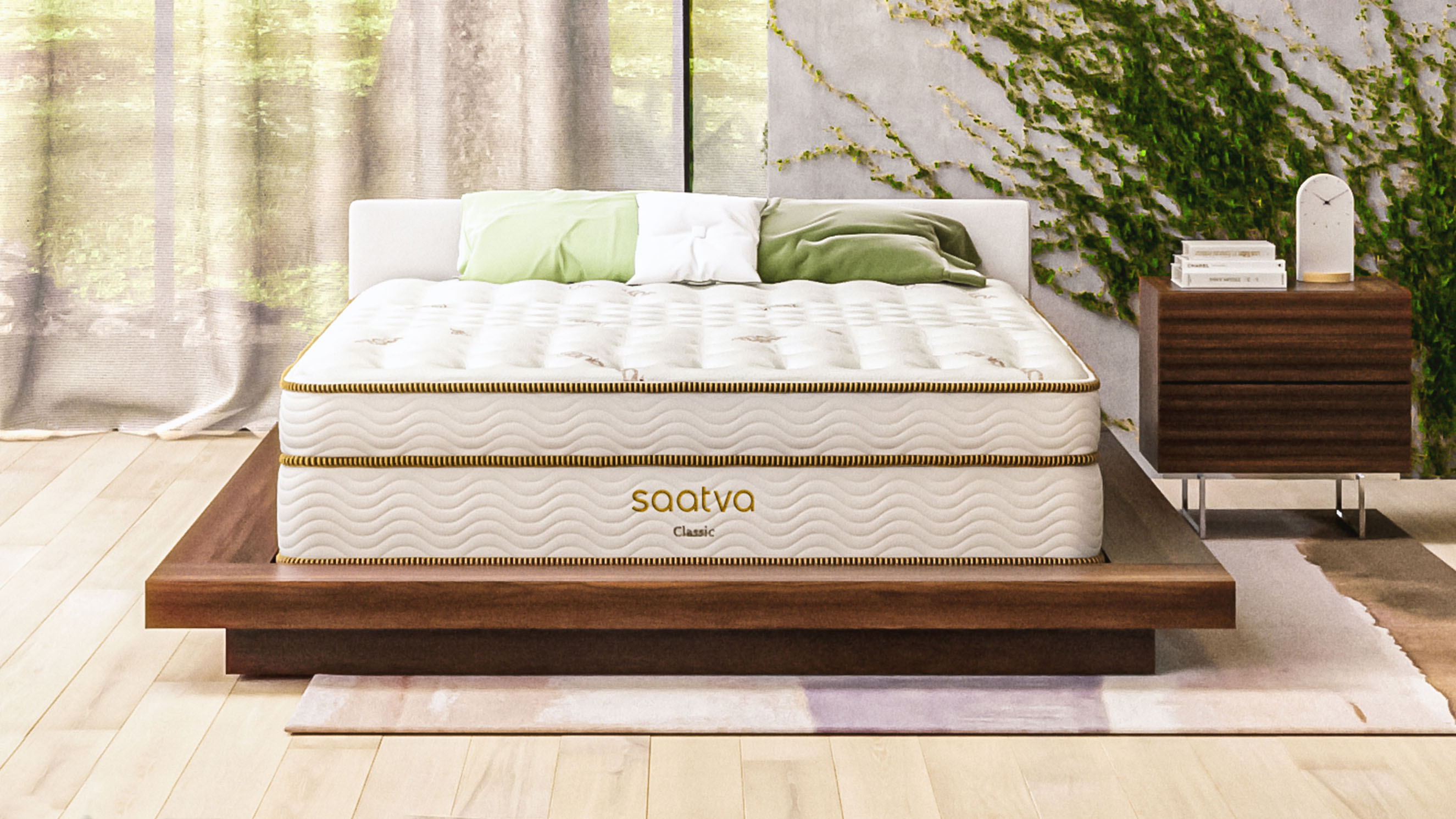
The Best Top Quality Mattress Brands for Your Sleep
Finding the best top quality mattress brands for your sleep requires looking beyond marketing claims and evaluating core construction materials, ergonomic support, and long-term durability. Investing in a high-quality sleep surface dir...
Finding the best top quality mattress brands for your sleep requires looking beyond marketing claims and evaluating core construction materials, ergonomic support, and long-term durability. Investing in a high-quality sleep surface directly influences spinal alignment, pressure relief, and overall physical recovery, making it essential to understand how different mattress types perform across various sleeping positions.
Contents
Understanding Mattress Quality and Construction
When evaluating top-tier mattress brands, construction quality serves as the primary differentiator between a standard retail model and a luxury sleep system. High-end manufacturers use high-density foams, individually wrapped pocketed coils, and certified organic materials designed to withstand years of compression without losing structural integrity.
A mattress's quality is typically measured by its coil count, foam density (measured in pounds per cubic foot), edge support reinforcement, and the certifications of its textiles—such as GOTS (Global Organic Textile Standard) or CertiPUR-US. Premium brands avoid low-density polyurethane foams that break down quickly, opting instead for natural latex, high-resilience polyfoam, or cooling-infused memory foams that maintain their supportive properties over a decade or more of nightly use.
Major Mattress Types and Their Structural Benefits
Different sleep styles—side, back, stomach, and combination sleepers—require distinct structural designs to maintain neutral spinal alignment. The market generally categorizes top-tier mattresses into four primary archetypes:
- Innerspring: Traditional steel coil support systems paired with pillow-tops or quilted euro-tops. Modern luxury innerspring beds feature multi-zone pocketed coils that contour independently to body weight.
- Memory Foam: Viscoelastic foam layers that mold closely to the body's contours, offering exceptional pressure relief for the hips and shoulders while absorbing motion transfer.
- Latex: Derived from rubber tree sap (Talalay or Dunlop processes), natural latex provides an elastic, buoyant feel with immediate response time and superior natural cooling airflow.
- Hybrid: A combination of a pocketed coil base layer with comfort layers made of memory foam, latex, or micro-coils, balancing contouring comfort with responsive bounce and robust edge support.
Comparative Overview of Leading Mattress Categories
| Mattress Type | Primary Material | Best Suited For | Key Advantages | Potential Drawbacks |
|---|---|---|---|---|
| Hybrid | Pocketed coils + Foam/Latex | Combination sleepers, most body types | Balanced contouring and bounce, excellent airflow | Can be heavy; price varies widely |
| Memory Foam | Viscoelastic polyurethane | Side sleepers, joint pain sufferers | Superior pressure relief, minimal motion transfer | Can trap heat unless infused with cooling gel |
| Natural Latex | Botanical rubber sap | Eco-conscious buyers, back sleepers | Durable, naturally cooling, responsive bounce | Heavy, firm initial feel, expensive |
| Innerspring | Steel wire coils + Quilted top | Traditionalists, stomach sleepers | Strong edge support, maximum airflow | Prone to motion transfer over time |
Key Performance Factors for Sleep Quality
Selecting a high-quality mattress involves analyzing specific performance metrics that dictate how well the bed will perform in real-world conditions over extended periods.
Pressure Relief and Spinal Alignment
A mattress must support the natural "S" curve of the spine while preventing excessive sinkage at heavy pressure points like the shoulders and hips. Insufficient pressure relief leads to tossing and turning, while inadequate support causes lower back strain.
Temperature Regulation
Heat retention is a common complaint with foam beds. Top-tier brands counteract this by incorporating open-cell foam structures, phase-change materials (PCM), copper or graphite infusions, or natural breathable wool and cotton covers to dissipate body heat throughout the night.
Motion Isolation
For couples, motion isolation prevents one person's movements from disturbing the other. Dense memory foam and pocketed coil systems excel in this category by absorbing kinetic energy locally rather than transferring it across the surface.
Evaluating Durability and Warranty Protections
A high-end mattress is a long-term investment, making brand policies regarding warranties, sleep trials, and return procedures critical evaluation points.
- Sleep Trials: Reputable manufacturers offer at least a 100-night trial period, allowing the body adequate time—typically 30 to 60 days—to adjust to a new support profile.
- Warranties: Industry standards for luxury mattresses include a 10-year non-prorated warranty covering structural defects, excessive body indentations (usually defined as depressions greater than 0.75 to 1.5 inches without weight applied), and coil failure.
- Certifications: Look for independent laboratory testing documentation. CertiPUR-US certification ensures foams are made without ozone depleters, heavy metals, or prohibited phthalates, while OEKO-TEX Standard 100 verifies that finished textile products are free from harmful chemical levels.
Frequently Asked Questions
How often should a high-quality mattress be replaced?
Even the best-performing luxury mattresses generally require replacement every 7 to 10 years. Over time, core support materials degrade, and accumulated dust mites, dead skin cells, and body oils reduce the hygienic and ergonomic integrity of the sleep surface, regardless of visible sagging.
Do I need a specific foundation or box spring for a luxury mattress?
Most modern hybrid, latex, and memory foam mattresses require a firm, flat, and supportive foundation, such as a slatted platform bed with slats spaced no more than 3 inches apart. Traditional box springs containing active coils can damage foam and hybrid cores by offering uneven support.
What firmness level is best for back pain?
Medium-firm to firm mattresses (typically rated 6 to 8 out of 10 on the firmness scale) are clinically recommended for most individuals with lower back pain. This firmness range prevents the hips from sinking too deeply, which maintains neutral spinal alignment throughout the night.
Are organic mattresses better than conventional foam mattresses?
Organic mattresses utilize certified organic cotton, wool, and natural latex, making them ideal for allergy sufferers or those seeking to minimize exposure to synthetic petrochemicals. While they offer exceptional durability and breathability, synthetic or hybrid models can sometimes provide deeper contouring pressure relief depending on personal preference.
How do I break in a new mattress?
New mattresses often feature dense foams and tight covers that require a break-in period of 30 days. Walking gently across the surface or simply sleeping on the bed daily helps soften the comfort layers naturally without voiding the manufacturer warranty.
Making Your Final Selection
Choosing the ideal mattress brand depends heavily on your primary sleeping position, body weight distribution, and personal preference for contouring versus responsive support. Prioritize brands that offer transparent material sourcing, generous sleep trials, and robust warranty protections. By aligning your physical requirements with the appropriate construction type, you can secure a restful sleep environment that supports long-term musculoskeletal health.
Image Gallery