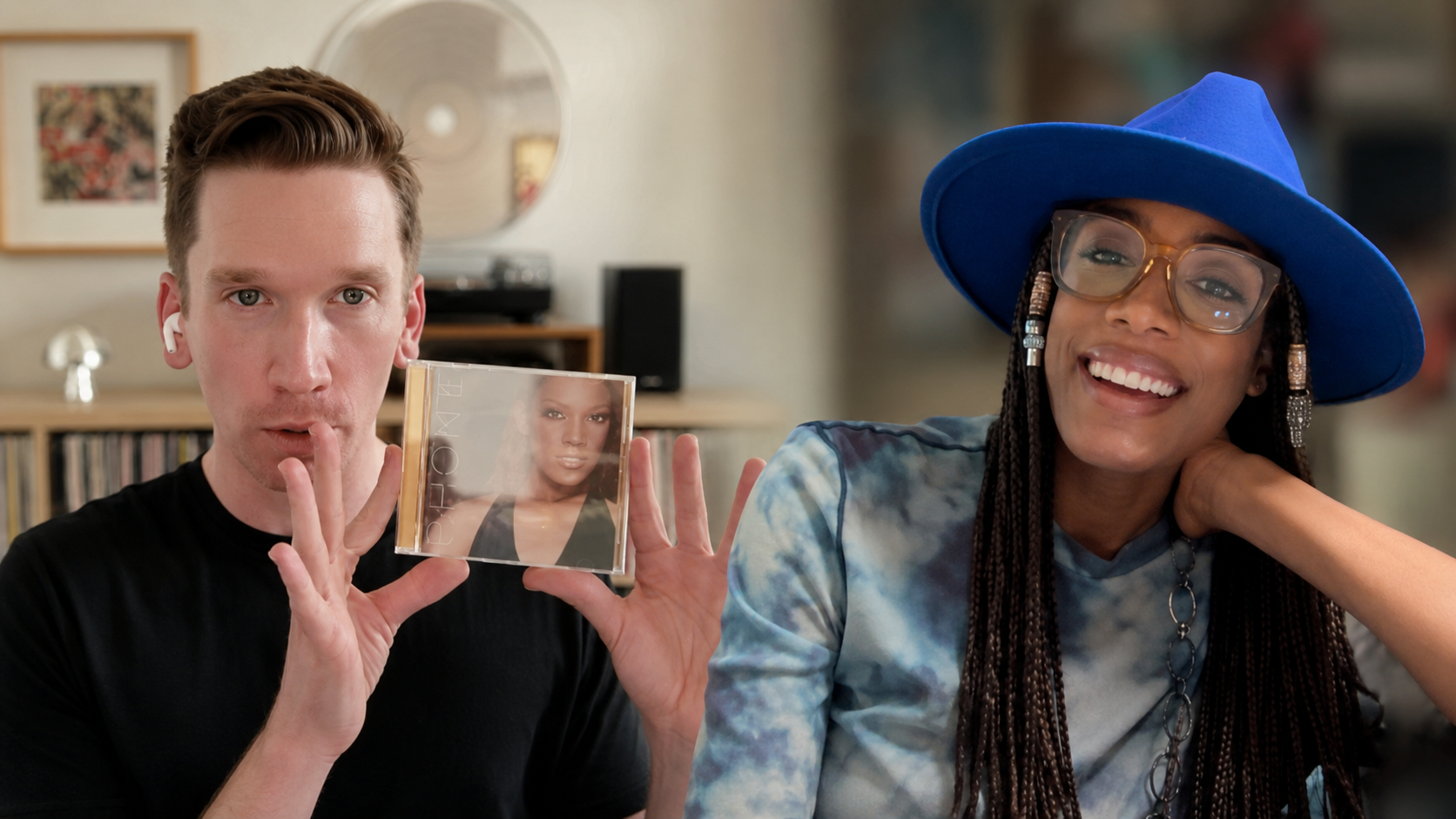
Rhona Bennett and Detroit’s Automotive Legacy: A Fusion of Culture and Industry
The connection between Rhona Bennett and Detroit’s automotive legacy represents the powerful intersection of cultural excellence and industrial innovation. While the "Motor City" is globally defined by its manufacturing prowess, its id...
The connection between Rhona Bennett and Detroit’s automotive legacy represents the powerful intersection of cultural excellence and industrial innovation. While the "Motor City" is globally defined by its manufacturing prowess, its identity is equally shaped by the soulful R&B and vocal precision that artists like Bennett embody. This synergy reflects a shared history of resilience, precision, and the relentless pursuit of "The American Dream."
Contents
The Historical Bedrock: Detroit’s Rise as the Global Auto Hub
To understand how a contemporary artist like Rhona Bennett aligns with the spirit of Detroit, one must first analyze the magnitude of the city’s automotive foundation. Starting in the early 20th century, Detroit became the epicenter of the global industrial revolution. The "Big Three"—General Motors (GM), Ford, and Chrysler—did more than just build cars; they established a blueprint for modern middle-class society and urban development.
Henry Ford’s introduction of the moving assembly line in 1913 changed the world’s economic landscape. It shifted the automobile from a luxury toy for the wealthy to a practical necessity for the common man. By 2026, we look back on these milestones as the "First Industrial Wave" of Detroit. This era required a specific type of grit and a commitment to quality—values that would eventually seep into the city's musical output. The precision required to build a Cadillac or a Mustang mirrored the vocal arrangements found in the Detroit-born Motown sound, which heavily influenced the R&B genre that Bennett would later dominate.
The "Arsenal of Democracy" and Industrial Resilience
During World War II, Detroit’s automotive legacy took on a global humanitarian role. The city was dubbed the "Arsenal of Democracy" as car plants were rapidly converted to produce tanks, planes, and munitions. This period solidified the city’s reputation for being able to pivot under pressure. This theme of reinvention is a core component of both Detroit’s history and the career of Rhona Bennett. Just as Detroit has had to reinvent itself through economic shifts and the 2026 transition to fully electric fleets, Bennett has evolved from a child star on The Mickey Mouse Club to a leading voice in En Vogue and a successful "Personal Power" coach.
The Cultural Engine: How Music Powered the Auto Image
The automotive industry in Detroit never existed in a vacuum. It was fueled by the Great Migration, which brought millions of African Americans from the South to the North for factory jobs. These workers brought with them a rich musical heritage that evolved into the Motown sound of the 1960s.
Music became the soundtrack of the assembly line. The rhythmic, repetitive nature of factory work influenced the backbeat of legendary soul records. By the time Rhona Bennett joined the iconic group En Vogue, she was inheriting a standard of excellence established by Detroit’s musical pioneers like Martha Reeves and the Vandellas or The Supremes. The "Automotive Legacy" of Detroit is, therefore, a dual legacy of steel and soul.
Rhona Bennett: A Modern Guardian of Excellence
Rhona Bennett, though born in Chicago, represents the pinnacle of the "Midwest Work Ethic." Her career, spanning over three decades, showcases the same durability as a vintage Detroit vehicle. As a member of En Vogue, she contributed to a legacy of vocal harmony that required "engine-like" synchronization.
In the context of 2026, Bennett’s role as an entertainer and empowerment speaker has often brought her into the orbit of Detroit’s corporate and cultural events. Whether performing at automotive galas or speaking at leadership summits in the city, she serves as a bridge between the legendary R&B era and the modern, revitalized Detroit. Her brand of "Personal Power" mirrors the city's current narrative of self-reliance and technological rebirth.
Comparing the Eras of Detroit’s Legacy
The following table illustrates the evolution of Detroit’s automotive and cultural identity from its peak in the mid-20th century to the current landscape of 2026.
| Feature | The Classic Era (1950s-1970s) | The Modern Era (2020-2026) |
|---|---|---|
| Primary Industry Focus | Internal Combustion Engines (ICE) | Electric Vehicles (EV) & Autonomous Tech |
| Economic Driver | Massive Assembly Line Labor | High-Tech Engineering & Software Design |
| Cultural Mirror | The Rise of Motown & Soul | R&B Evolution & Personal Branding |
| Key Architectural Symbol | The Packard Plant (Production) | Michigan Central Station (Innovation Hub) |
| Musical Synergy | Rhythmic "Factory" Beats | Empowerment, Digital Performance, & Legacy |
The Intersection of Soul and Steel: Modern Collaborations
In recent years, the automotive industry has recognized that its legacy is not just about the vehicles, but the people and the culture surrounding them. This has led to a surge in collaborations between high-end automotive brands and R&B icons. Rhona Bennett’s involvement in these spaces is not accidental; her image of "sophisticated power" aligns perfectly with the marketing goals of luxury automotive manufacturers.
As of 2026, Detroit has successfully repositioned itself as a leader in sustainable mobility. The reopening of historical landmarks like the Michigan Central Station as a tech campus has provided a backdrop for cultural performances that celebrate the city's history. Bennett’s performances in these venues highlight the "New Detroit"—a city that honors its blue-collar roots while embracing a high-tech, artistic future.
The Role of Personal Power in Industrial Recovery
One of the most interesting links between Rhona Bennett and Detroit is her work in the field of personal development. Detroit’s recovery from its 2013 bankruptcy is often cited as the greatest municipal "comeback" in American history. This narrative of overcoming adversity is central to Bennett’s "Personal Power" philosophy.
Her coaching programs emphasize:
- Resilience: The ability to withstand economic and personal downturns.
- Precision: Mastering one’s craft to the highest standard (vocal or mechanical).
- Legacy: Building something that outlasts the current generation.
These pillars are the same ones that Detroit’s automotive leaders—from the early pioneers to current CEOs—have used to steer the city back to global relevance.
The Technical Shift: Detroit’s 2026 Automotive Landscape
To fully appreciate the legacy, one must look at where the industry stands in 2026. The "Legacy" is no longer just about the past; it is about the transition.
- Electrification: Detroit’s Big Three have successfully transitioned over 50% of their lineups to electric power. This shift required a total overhaul of the manufacturing legacy, moving from mechanical expertise to chemical and software engineering.
- Connectivity: The 2026 model year is defined by "Software-Defined Vehicles" (SDVs). Cars are now mobile living rooms where entertainment—such as the music of artists like Bennett—is integrated via high-fidelity, AI-driven sound systems.
- Sustainability: The legacy now includes a commitment to carbon neutrality. Old factory sites have been transformed into green-energy manufacturing centers, preserving the historic architecture while updating the purpose.
Challenges and Future Outlook
Despite the successes, the fusion of Detroit’s automotive legacy and its cultural identity faces challenges. There is a constant tension between the desire to preserve history and the need for modern redevelopment. Similarly, the music industry continues to grapple with the digital shift, much like the auto industry grappled with the shift away from fossil fuels.
However, the presence of figures like Rhona Bennett ensures that the human element of Detroit’s story is never lost. As long as there are voices that celebrate the grind, the talent, and the history of the Midwest, the automotive legacy will remain more than just a collection of machines; it will remain a living, breathing culture.
FAQs About Rhona Bennett and Detroit’s Automotive Context
Is Rhona Bennett originally from Detroit? No, Rhona Bennett was born in Chicago, Illinois. However, her professional life and the legacy of the groups she has been a part of (notably En Vogue) are deeply intertwined with the R&B culture that Detroit’s Motown era pioneered. She frequently performs and engages in empowerment speaking within the Detroit metropolitan area.
How does En Vogue’s music relate to Detroit? En Vogue is often seen as the modern successor to the "girl group" template established in Detroit during the 1960s. Their emphasis on intricate vocal harmonies and sophisticated styling is a direct evolution of the standards set by Detroit-based groups like The Supremes.
What is the current state of Detroit's "Big Three" in 2026? As of 2026, GM, Ford, and Chrysler (Stellantis) have largely stabilized their EV production lines. They have moved past the initial "startup" phase of electrification and are now focused on scaling solid-state battery technology and autonomous driving features within their legacy brands.
Has Rhona Bennett participated in Detroit automotive events? Yes, Bennett and En Vogue have historically been sought after for high-profile corporate events, including those hosted by automotive manufacturers. These appearances celebrate the cultural synergy between the "Motor City" and the legends of R&B.
What is Rhona Bennett’s "Personal Power" coaching? It is a lifestyle and mindset program designed by Bennett to help individuals unlock their potential. In the context of Detroit, this message resonates with the city's narrative of resilience and the "comeback" spirit required to maintain an industrial legacy in a changing world.
Final Recommendation: Engaging with the Legacy
For those interested in the intersection of American industry and culture, visiting Detroit in 2026 offers a unique perspective. We recommend touring the newly renovated Michigan Central Station to see the future of automotive tech, followed by a visit to the Motown Museum (Hitsville U.S.A.) to understand the musical roots that artists like Rhona Bennett continue to uphold. Understanding Detroit requires appreciating both the machine and the melody; one cannot exist without the other in the "City of Champions."
Image Gallery