Minimalist Principles (M n M) in Home Design: A Comprehensive Guide
The term "M n M" in the context of interior architecture and home design is a common shorthand for "minimalism," referring to a design philosophy that prioritizes simplicity, functionality, and the intentional use of space. By reducing...
The term "M n M" in the context of interior architecture and home design is a common shorthand for "minimalism," referring to a design philosophy that prioritizes simplicity, functionality, and the intentional use of space. By reducing decorative excess and focusing on clean lines, neutral palettes, and high-quality materials, homeowners can create tranquil environments that emphasize the architectural structure of a room rather than the accumulation of objects.
Contents
Understanding the Minimalist Aesthetic
Minimalism is often misunderstood as merely a color palette of white and gray or the removal of all personal possessions. In professional design, however, minimalism is a strategic approach to spatial planning. It focuses on the "less is more" mantra, popularized in mid-century modernism, which seeks to clarify the purpose of every element within a home.
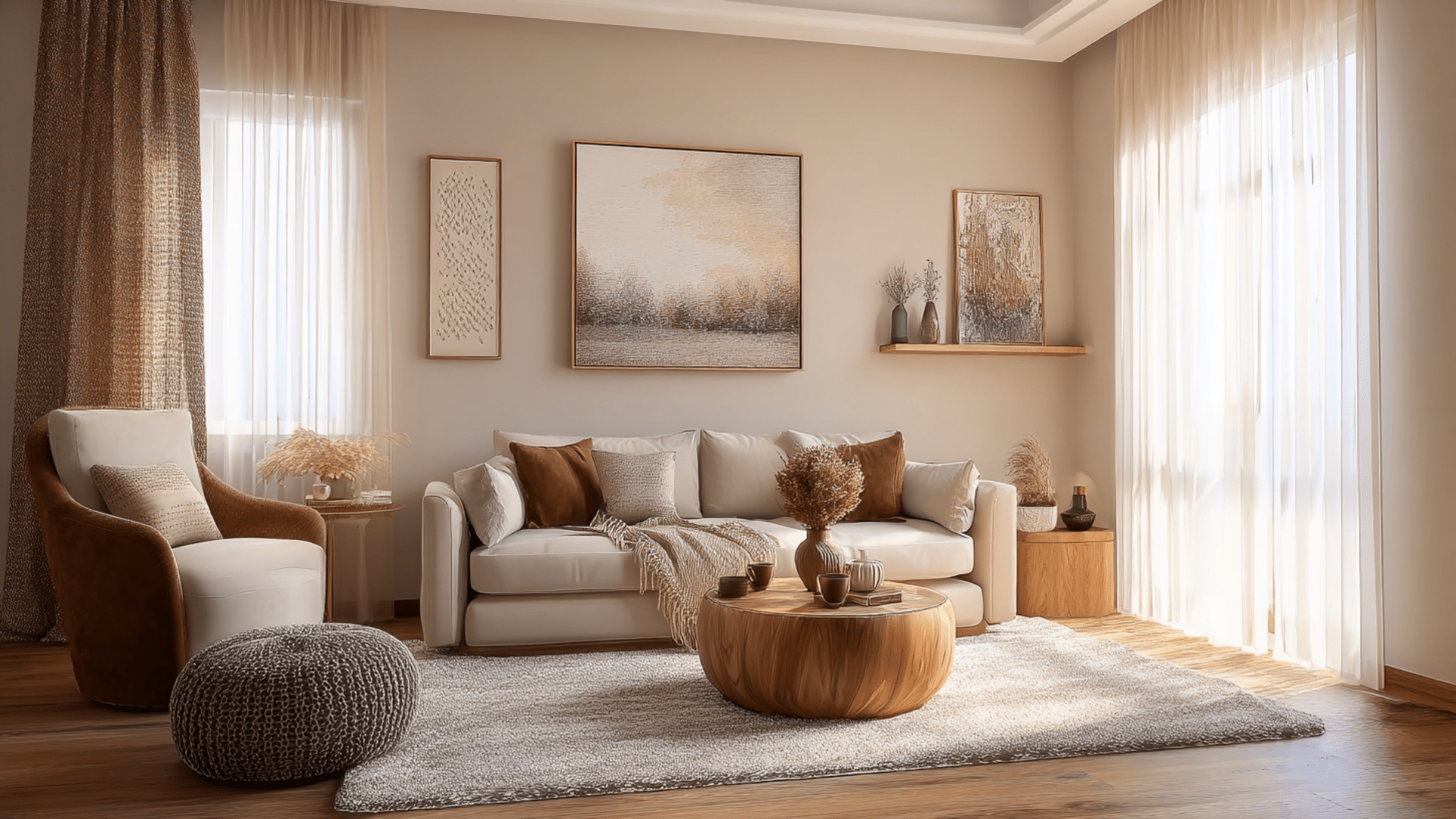
In 2026, the movement has evolved into "Warm Minimalism." While the traditional interpretation relied on stark, clinical coldness, current trends integrate natural textures—such as raw wood, stone, and woven textiles—to ensure that a minimalist space remains comfortable and inviting. The primary goal is to minimize visual noise, allowing the inhabitant to focus on the interplay of natural light and shadow against architectural forms.
Foundational Pillars of Minimalist Interior Design
To successfully implement this design philosophy, one must adhere to specific core principles. These are not rigid rules, but rather guidelines that help maintain the integrity of the aesthetic.
1. Strategic Decluttering
The first phase of any minimalist project is the elimination of non-essential items. This goes beyond cleaning; it involves an audit of what truly serves a purpose or provides genuine joy. In a minimalist home, every piece of furniture or decor must have a designated function. Storage solutions are typically hidden—built-in cabinetry that blends with the walls—to maintain uninterrupted visual planes.
2. The Power of Negative Space
Negative space, or "white space," is the empty area around objects. In minimalist design, this space is as important as the furniture itself. It allows the eyes to rest and highlights the silhouette of key design pieces. A common mistake is filling every corner of a room; minimalism requires the courage to leave walls blank or floor areas open, which creates a sense of luxury and breathing room.
3. Palette and Materiality
Minimalism favors a restrained color scheme. Most designers utilize a monochromatic base, often incorporating varying shades of a single hue to create depth. Because there is less "clutter" to distract the eye, textures become the primary decorative element. The grain of oak flooring, the veining in a marble countertop, or the weave of a linen sofa are amplified in a minimalist setting.
Comparative Analysis of Interior Design Philosophies
To clarify where "M n M" stands in relation to other popular design trends, the following table compares minimalism with other contemporary styles frequently encountered in 2026.
| Feature | Minimalism (M n M) | Maximalism | Industrial |
|---|---|---|---|
| Primary Focus | Function and clarity | Self-expression/Collections | Raw, exposed architecture |
| Color Palette | Monochromatic/Neutral | Bold, contrasting, layered | Greys, blacks, metal tones |
| Furniture | Multi-functional, streamlined | Eclectic, ornate, varied | Reclaimed, metal, wood |
| Space Usage | High negative space | Filled with personality | Open-plan, utilitarian |
Technical Considerations for Implementation
When transforming a home to align with these principles, technical execution is vital. One cannot achieve a truly minimalist look with poor quality craftsmanship, as every flaw becomes highly visible due to the lack of decorative distractions.
- Lighting Design: Layered lighting is critical. Recessed, flush-mount, or hidden LED strips are preferred over ornate chandeliers. The focus should be on how the light enhances the geometry of the room.
- Built-in Architecture: High-end minimalist design relies heavily on joinery. Floor-to-ceiling closets and wall-integrated desks ensure that utility items remain out of sight, which is the cornerstone of keeping a home looking "minimal."
- Scale and Proportion: Since the number of objects is limited, the scale of those objects matters immensely. One large, well-placed piece of art is far more effective than a "gallery wall" of small frames in a minimalist interior.
Common Pitfalls and Troubleshooting
A frequent issue for those attempting minimalism is the "starkness" problem, where a home feels unlivable or sterile. This usually occurs when the homeowner focuses too much on the removal of things rather than the curation of things.
If your space feels too cold:
- Introduce organic shapes. Minimalism often involves many straight lines; adding a circular table or a curved lounge chair can break up the monotony.
- Increase the tactile elements. Use rugs with a high pile or curtains made of thicker, warmer fabrics.
- Incorporate greenery. A single, well-chosen floor plant provides a living, organic contrast to the static structure of the home.
Frequently Asked Questions
Does "M n M" require me to live with almost nothing? No. Minimalist design is about intentionality rather than deprivation. It is not about how few items you own, but about ensuring that everything you do own serves a purpose or holds significant value, thereby reducing the stress of a crowded environment.
Is minimalism expensive to achieve? It can be, but not for the reason you might think. Because minimalism hides nothing, you cannot rely on low-quality furniture or "cheap" fixes to hide construction errors. However, you are buying fewer items overall, which can offset the cost of investing in higher-quality, durable furniture pieces that last longer.
Can I mix minimalism with other styles? Yes. "Scandi-Minimalism" or "Japandi" (a blend of Japanese and Scandinavian design) are highly popular hybrid styles. These allow for the structural simplicity of minimalism while layering in warmer woods and softer, more comfortable furniture.
What is the most important room to start with? The bedroom or the living area. These are the spaces where you spend the most time relaxing. By clearing these zones first, you immediately feel the psychological benefits of a cleaner, more organized environment, which provides the motivation to continue throughout the home.
Do I have to get rid of my books or art? Not at all. Minimalists often have vast collections of books or art. The difference is in the display. Instead of messy, overflowing shelves, a minimalist might use a single, unified color-coded library or a recessed shelving system that treats the books as a coherent design element rather than clutter.
Next Steps for Your Home Design Project
To begin transitioning your home, start with a "single-category" purge. Choose one area—such as a kitchen junk drawer or a bookshelf—and remove every item that does not serve a daily function or hold specific emotional significance. Once the physical clutter is reduced, assess the wall color and lighting. In many cases, simply painting a room a warm, consistent white and upgrading your lighting fixtures can move your home significantly closer to the "M n M" aesthetic without the need for a full-scale renovation. Remember that minimalism is an ongoing process of curation, not a final destination.
Image Gallery