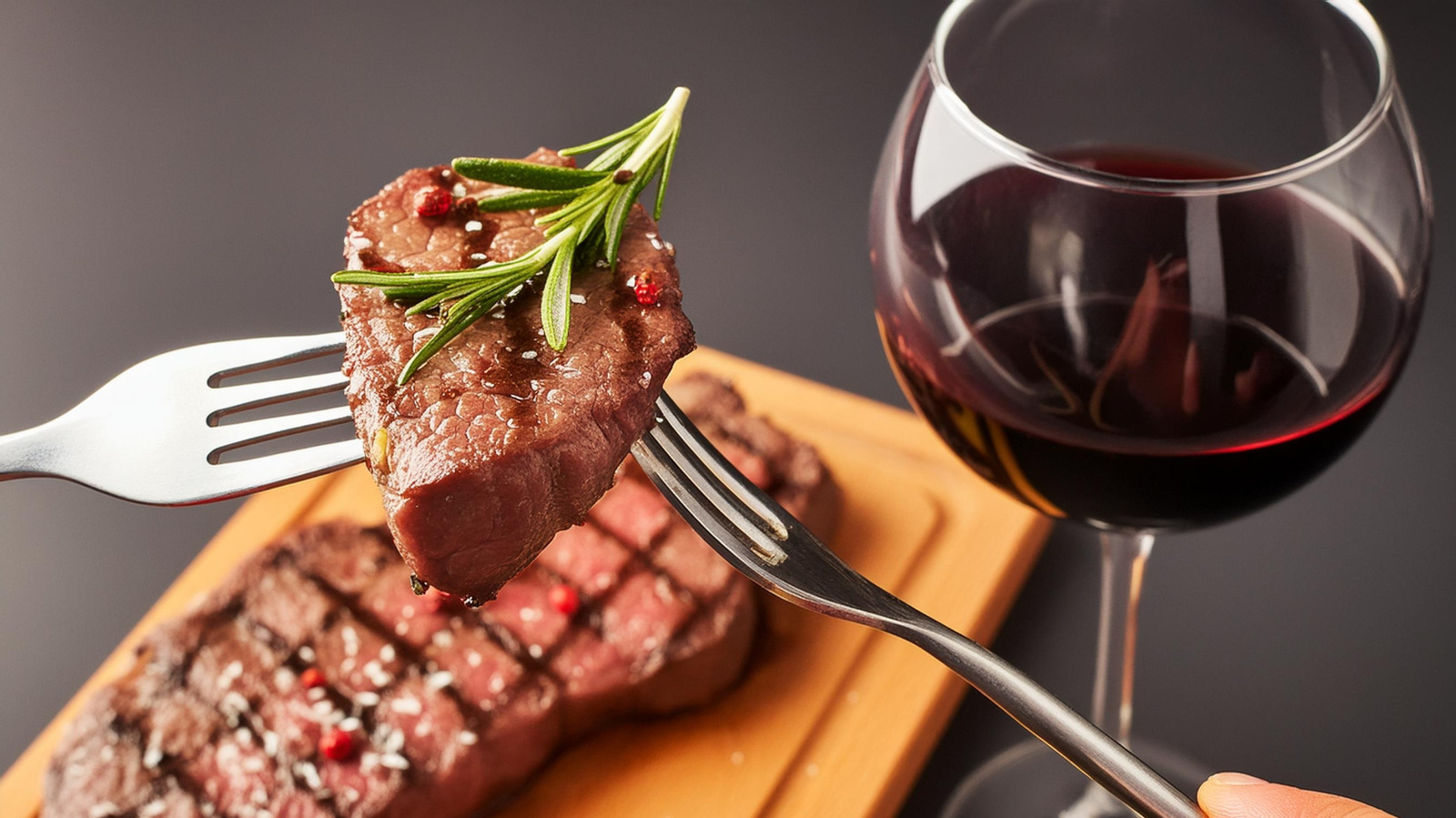
The Ultimate Guide to Selecting the Perfect Red Wine for Every Cut of Steak
The ideal red wine for steak is determined primarily by the cut’s fat content and the preparation method. High-fat cuts like Ribeye require bold, high-tannin wines like Cabernet Sauvignon or Barolo to cut through the richness. Converse...
The ideal red wine for steak is determined primarily by the cut’s fat content and the preparation method. High-fat cuts like Ribeye require bold, high-tannin wines like Cabernet Sauvignon or Barolo to cut through the richness. Conversely, leaner cuts like Filet Mignon pair best with lighter, more acidic reds such as Pinot Noir or Malbec.
Contents
Selecting the right wine for a steak dinner is a foundational skill in culinary arts and hospitality. In 2026, while viticulture techniques have evolved and new regions have gained prominence, the fundamental chemistry of food and wine pairing remains rooted in the interaction between tannins, fat, and protein. When done correctly, the wine enhances the savory "umami" of the beef, while the fat in the steak softens the astringency of the wine, creating a balanced sensory experience.
The Science of the Pairing: Tannins and Fat
To understand why certain red wines work better than others, one must look at the chemical interaction between grape polyphenols—specifically tannins—and animal proteins. Tannins are organic compounds found in grape skins, seeds, and stems. They are responsible for the "dry" or "puckering" sensation in the mouth after a sip of red wine.
When you eat a piece of steak, the fats and proteins coat your palate. A high-tannin wine, such as a Cabernet Sauvignon or a Nebbiolo, acts as a palate cleanser. The tannins bind to the proteins in the meat and the saliva, stripping away the fatty film from the tongue. This process refreshes the mouth, making the next bite of steak taste as vibrant as the first. This is why "big" wines are traditionally served with fatty steaks; without the fat to bind to, the tannins would feel overly harsh and bitter.
The Role of Acidity and Alcohol
Beyond tannins, acidity plays a crucial role. High acidity in wine (often found in Sangiovese or Northern Rhône Syrah) acts similarly to a squeeze of lemon on a piece of grilled meat. It cuts through heaviness and brightens the flavors of the dish. Alcohol content also matters; high-alcohol wines (14.5% ABV and above) can feel "hot" or overwhelming if paired with spicy seasonings, but they provide the body necessary to stand up to a thick-cut, charred New York Strip.
Pairing Wine by Specific Cuts of Steak
Not all steaks are created equal, and neither should their wine pairings be. The texture, flavor intensity, and fat marbling of the meat dictate the structure of the wine required.
1. Ribeye and Wagyu: The Rich and Fatty Cuts
The Ribeye is prized for its intense marbling and intramuscular fat. Because it is one of the richest cuts available, it requires a wine with significant structure and high tannins.
- Primary Choice: Cabernet Sauvignon. Whether from Napa Valley or Bordeaux (Left Bank), the high tannin profile is the perfect match for the Ribeye's fat.
- Alternative: Barolo or Barbaresco. These Italian wines made from the Nebbiolo grape have some of the highest tannin levels in the world, along with high acidity, making them exceptional for rich, marbled meats.
- For Wagyu: Since Wagyu has an even higher fat content and a more delicate texture, look for an aged Cabernet or a vintage Bordeaux. The softened tannins of an older wine won't overwhelm the buttery texture of the Wagyu, but the remaining structure will still provide the necessary balance.
2. Filet Mignon: The Lean and Delicate Cut
The Filet Mignon is lean, tender, and has a more subtle flavor than other cuts. A heavy, tannic wine will completely overpower this meat, making the steak taste metallic and the wine taste bitter.
- Primary Choice: Pinot Noir. Specifically, a more muscular Pinot Noir from the Côte de Nuits in Burgundy or a high-elevation Oregon vineyard. Its high acidity and red-fruit notes complement the delicacy of the filet.
- Alternative: Malbec. Argentinian Malbec is known for having "velvety" tannins. It provides enough body to feel like a classic steakhouse pairing without the aggressive grip of a Cabernet.
- Alternative: Merlot. A Right Bank Bordeaux (Pomerol or Saint-Émilion) offers a plush, fruit-forward profile that respects the tender texture of the filet.
3. New York Strip and T-Bone: The Balanced Cuts
These cuts offer a middle ground: they have plenty of beefy flavor and a decent amount of fat, but they are tighter-grained than a Ribeye.
- Primary Choice: Syrah/Shiraz. A Syrah from the Northern Rhône or a bold Shiraz from Australia's Barossa Valley offers notes of black pepper and smoke that beautifully mirror the charred crust of a strip steak.
- Alternative: Zinfandel. For those who prefer a fruitier, jammy profile, a California Zinfandel provides high alcohol and bold fruit that can stand up to the robust flavor of a T-Bone.
4. Sirloin and Flank Steak: The Lean, Savory Cuts
Sirloin and Flank steaks are often more fibrous and are frequently marinated or served with sauces.
- Primary Choice: Tempranillo. A Rioja Reserva provides an earthy, leathery quality that pairs excellently with the more "iron-like" flavor of leaner cuts.
- Alternative: Sangiovese. The primary grape of Chianti Classico, its high acidity makes it a natural partner for steaks seasoned with herbs or served with tomato-based components.
Comparison of Steak Cuts and Recommended Wine Profiles
The following table summarizes the relationship between meat characteristics and the ideal wine profile as of 2026.
| Steak Cut | Fat Content | Flavor Intensity | Recommended Wine | Key Characteristic |
|---|---|---|---|---|
| Ribeye | Very High | Bold / Rich | Cabernet Sauvignon | High Tannins to cut fat |
| Filet Mignon | Low | Subtle / Lean | Pinot Noir | High Acidity, low tannins |
| NY Strip | Moderate | Balanced | Syrah / Shiraz | Peppery notes match char |
| Sirloin | Low-Moderate | Earthy / Iron | Tempranillo | Savory, medium body |
| Flank Steak | Low | Gamey / Intense | Malbec | Smooth texture, dark fruit |
| Wagyu (A5) | Extremely High | Buttery / Delicate | Aged Bordeaux | Refined tannins for melt-in-mouth fat |
The Impact of Cooking Methods and Sauces
While the cut of meat is the primary driver, how you cook it and what you serve it with can shift the pairing requirement.
Grilling vs. Pan-Searing
- Grilling: High-heat grilling over charcoal or wood adds smoky, bitter carbon notes to the steak. This calls for a wine with some "oak" influence—wines aged in toasted barrels—as the vanillin and smoky notes in the wine will bridge the flavors of the meat. Syrah and Rioja are excellent here.
- Pan-Searing with Butter: This method adds a creamy, lactic richness. To counter this, you need a wine with slightly higher acidity to prevent the palate from feeling too heavy. A Chianti Classico or a Barbera works wonders.
The Sauce Factor
If you are using a heavy sauce, you must pair the wine to the sauce, not the meat.
- Béarnaise: This rich, buttery, tarragon-heavy sauce pairs surprisingly well with a very full-bodied, oaked Chardonnay (the exception to the red wine rule) or a light, acidic red like Beaujolais (Gamay).
- Peppercorn Sauce (Au Poivre): The spice of the pepper demands a wine that can handle heat. Reach for a Rhône Blend (GSM) or a bold Zinfandel.
- Chimichurri: The acidity and herb-forward nature of this sauce pair best with high-acid, herbaceous reds like Cabernet Franc or a Chilean Carménère.
Serving Logistics: Temperature and Aeration
To get the most out of a 2026 vintage or a well-cellared bottle, technical preparation is essential.
- Temperature: Never serve red wine at "room temperature" if your room is 72°F (22°C). For steak pairings, red wines should be served between 60°F and 65°F (15°C–18°C). If the wine is too warm, the alcohol will dominate the flavor; if it is too cold, the tannins will feel harsh and "wooden."
- Decanting: Young, tannic wines (less than 5-10 years old) benefit significantly from aeration. Pouring the wine into a decanter 30 to 60 minutes before serving allows oxygen to soften the tannins and "open up" the aromatic bouquet. This is particularly important for Cabernet Sauvignon and Nebbiolo.
- Glassware: Use a large-bowled "Bordeaux" glass for bold reds. The large surface area allows for better oxygenation and directs the wine to the back of the palate, where it can better interact with the savory flavors of the steak.
Frequently Asked Questions
Can I drink white wine with steak?
While red wine is the traditional choice due to tannins, you can pair white wine with steak if it has enough body and acidity. A heavily oaked, full-bodied Chardonnay can stand up to a buttery Filet Mignon. However, white wines generally lack the tannins required to effectively cleanse the palate after a fatty Ribeye.
Does the "doneness" of the steak affect the wine pairing?
Yes. A rare steak has more functional protein available to bind with tannins, making a young, aggressive Cabernet Sauvignon taste smoother. A well-done steak has denatured proteins and less moisture, meaning a highly tannic wine might feel too dry. For well-done steaks, choose a fruitier wine with softer tannins, like a Zinfandel or a Grenache.
Why does Malbec always seem to be recommended for steak?
Malbec, particularly from Mendoza, Argentina, became the "steak wine" largely due to the country's culture of asado (barbecue). Technically, Malbec works because it offers a "plum-like" fruitiness and moderate tannins that don't require years of aging to become drinkable, making it a reliable, versatile choice for many different cuts.
Should I match the price of the wine to the price of the steak?
Not necessarily, but intensity should match intensity. A high-end, complex Wagyu steak deserves a wine with equal complexity so that neither component feels "cheapened" by the other. However, a well-chosen $25 Malbec can often outperform a $100 Cabernet if the pairing logic (fat vs. tannin) is more sound.
Practical Recommendation for Your Next Steak Dinner
For a foolproof experience, start with a New York Strip cooked medium-rare and a bottle of Washington State or Napa Valley Cabernet Sauvignon. The balance of fat in the strip and the structured tannins of the Cabernet represent the "gold standard" of pairing. If you prefer a leaner cut like Filet, opt for an Oregon Pinot Noir. Always ensure you decant your red wine for at least 30 minutes and serve it slightly cool to the touch to ensure the flavors are perfectly expressed.
Image Gallery