Exploring the University of California, Santa Cruz: A Comprehensive Guide for 2026
The University of California, Santa Cruz (UCSC) is a premier public research university renowned for its distinctive residential college system, high-impact research, and its stunning 2,000-acre campus set within the redwood forests ov...
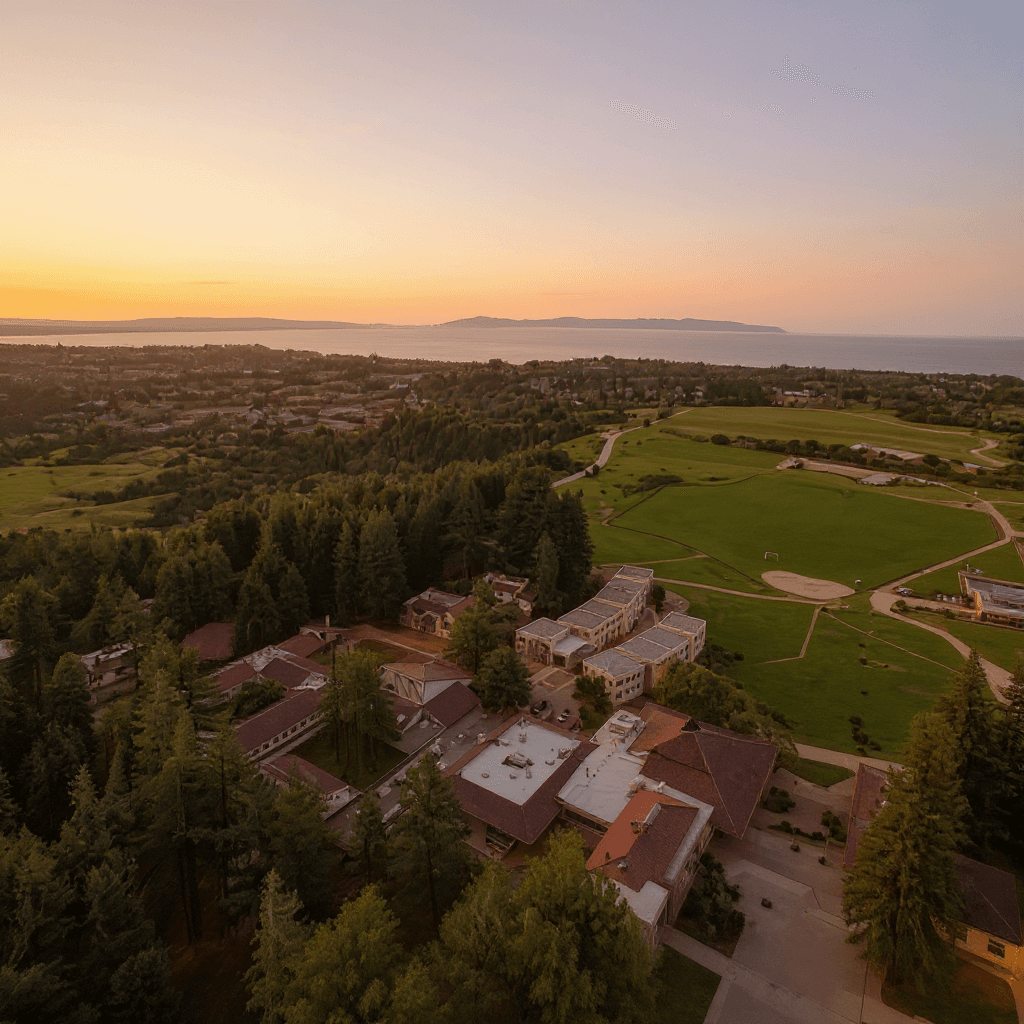
The University of California, Santa Cruz (UCSC) is a premier public research university renowned for its distinctive residential college system, high-impact research, and its stunning 2,000-acre campus set within the redwood forests overlooking Monterey Bay. It offers a rigorous academic environment that balances world-class scientific innovation with a deep commitment to social responsibility and environmental stewardship.
Contents
Institutional Identity and the 2026 Academic Landscape
Since its founding in 1965, the University of California, Santa Cruz has maintained a reputation as the "rebel" of the UC system, born from an experimental vision to combine the resources of a major research university with the intimacy of a small liberal arts college. In 2026, this identity remains robust, though it has evolved into a sophisticated global powerhouse. As a member of the Association of American Universities (AAU), UCSC is recognized among the top tier of research institutions in North America.
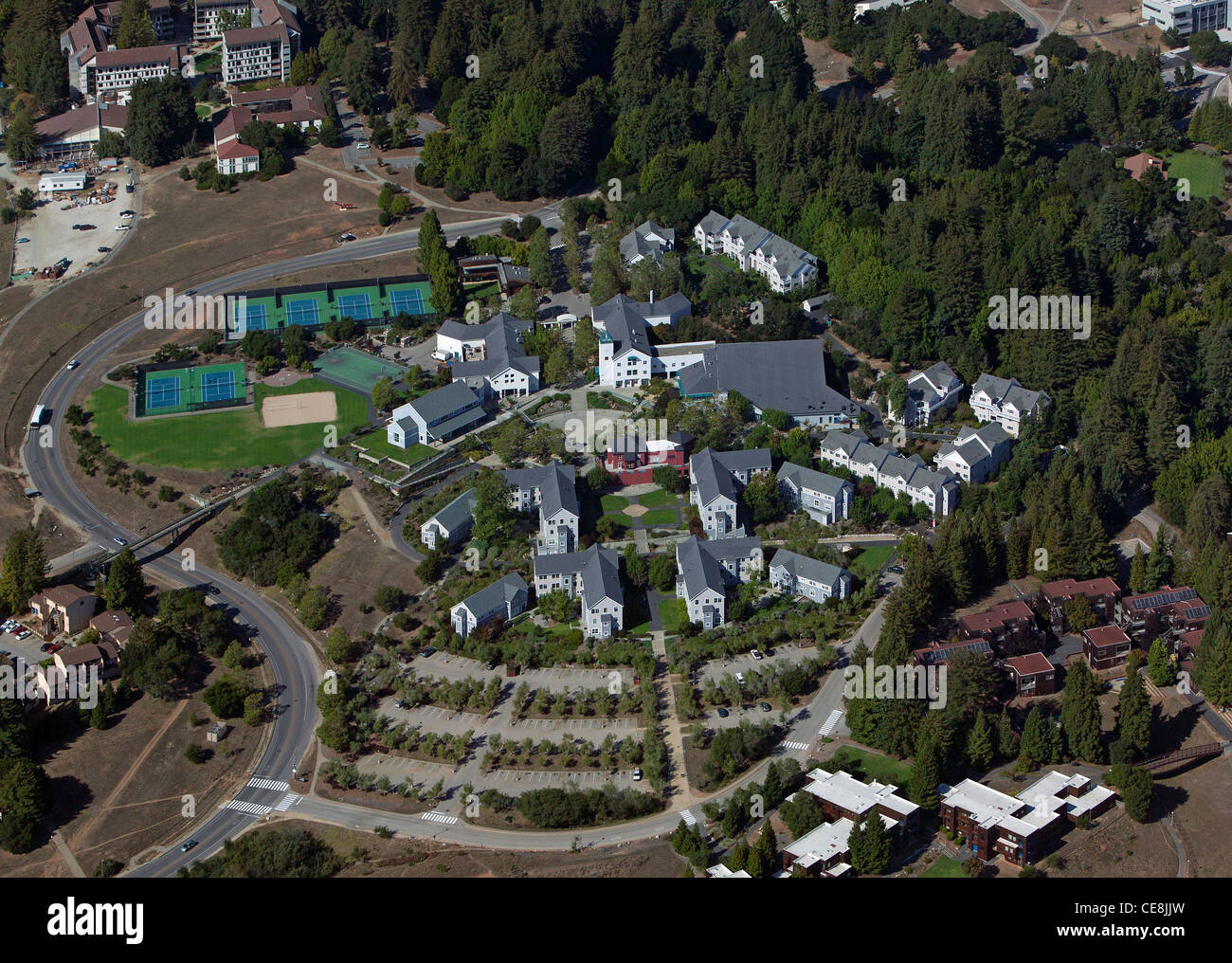
The campus is geographically unique, often described as a "city in the forest." This physical isolation from the traditional urban sprawl of Northern California fosters a tight-knit intellectual community. However, its proximity to Silicon Valley—just over the Santa Cruz Mountains—has allowed the university to become a vital pipeline for the technology, biotech, and engineering sectors. In 2026, the university continues to leverage this "mountain-to-valley" connection, providing students with unparalleled access to internships and collaborative research projects with industry leaders.
The Residential College System: A Distinctive Living-Learning Model
Perhaps the most defining feature of UCSC is its residential college system. Every undergraduate student, regardless of whether they live on or off-campus, is affiliated with one of the ten residential colleges. This system is designed to provide students with a smaller "home base" within the larger university structure, offering personalized advising, distinct core courses, and a unique social identity.
In 2026, the ten colleges continue to serve as the heart of student life:
- Cowell College: Known for its emphasis on the humanities and "The Pursuit of Truth in the Company of Friends."
- Stevenson College: Focuses on history and social sciences, with a strong emphasis on self and society.
- Crown College: Traditionally oriented toward science, technology, and innovation.
- Merrill College: Concentrates on global studies and cultural identity.
- Porter College: The hub for the arts, fostering a creative and experimental atmosphere.
- Kresge College: Known for its focus on environmental justice and community autonomy.
- Oakes College: Dedicated to social justice and supporting diverse communities.
- Rachel Carson College: Focuses on the environment and society (formerly College Eight).
- John R. Lewis College: Named in honor of the civil rights leader, focusing on social justice and community (formerly College Ten).
- College Nine: Emphasizes international and global perspectives.
This structure ensures that students are not just faces in a crowd of nearly 20,000. Each college has its own architectural style and community traditions, ranging from the classic Mediterranean look of Cowell to the Brutalist design of Kresge.
Academic Excellence and Signature Research Programs
UCSC is celebrated for its contributions to high-stakes scientific fields and the creative arts. In 2026, several departments stand out as global leaders, drawing significant federal funding and top-tier faculty.
Genomics and Bioinformatics
The UCSC Genomics Institute is a world leader in the field of precision medicine. Historically, UCSC researchers were responsible for the first working draft of the human genome and for making it available to the public via the UCSC Genome Browser. Today, this legacy continues through groundbreaking work in cancer genomics, pathogen tracking, and the ethics of genetic data.
Astronomy and Astrophysics
Taking advantage of its association with the Lick Observatory and the Keck Observatory in Hawaii, UCSC’s Department of Astronomy and Astrophysics is consistently ranked among the best in the nation. Students and faculty are at the forefront of exoplanet discovery, the study of dark energy, and the origins of the universe.
The Baskin School of Engineering
Located at the intersection of technology and social impact, the Baskin School of Engineering specializes in computer science, games and playable media, and biomolecular engineering. In 2026, the university’s Silicon Valley Campus in Santa Clara serves as a secondary hub for professional master's programs and collaborative tech ventures.
Environmental Studies and Marine Sciences
Given its location on the edge of the Monterey Bay National Marine Sanctuary, UCSC is a natural leader in marine biology and coastal science. The Seymour Marine Discovery Center and the Long Marine Laboratory provide students with hands-on experience in marine mammal research and ocean health monitoring.
Admissions Requirements and Enrollment Procedures for 2026
Gaining admission to the University of California, Santa Cruz is a competitive process. As of 2026, the university follows the system-wide UC policies, which emphasize a holistic review of each applicant.
Undergraduate Admissions
UCSC no longer considers SAT or ACT scores in its admission or scholarship decisions, maintaining a "test-free" policy. Instead, the admissions committee looks at:
- GPA Performance: Applicants must meet a minimum GPA (3.0 for CA residents, 3.4 for non-residents) in "A-G" subject requirements. However, the average admitted GPA for the 2026 cycle remains significantly higher, often exceeding 3.9 (weighted).
- Personal Insight Questions: Applicants must answer four out of eight prompts that highlight their leadership, creativity, and community involvement.
- Academic Rigor: Taking Honors, AP, or IB courses is highly encouraged to demonstrate readiness for university-level work.
Transfer Admissions
UCSC is a major destination for California community college students. Through the Transfer Admission Guarantee (TAG) program, students from participating colleges who meet specific GPA and course requirements are guaranteed admission into most majors.
| Requirement | Freshman Applicants | Transfer Applicants |
|---|---|---|
| Minimum GPA | 3.0 (Resident) / 3.4 (Non-resident) | 2.4 (Resident) / 2.8 (Non-resident) |
| Standardized Tests | Not considered (Test-Free) | Not considered |
| Application Period | Oct 1 – Nov 30 | Oct 1 – Nov 30 |
| Key Documents | Transcripts, Personal Insight Questions | Transcripts, Major Preparation |
Costs, Financial Aid, and the Tuition Stability Plan
Higher education costs are a significant factor for families in 2026. UCSC operates under the UC Tuition Stability Plan, which ensures that tuition and mandatory fees remain predictable for students throughout their four years of enrollment.
Estimated Costs for 2026-2027
For California residents, the estimated total cost of attendance (including tuition, room, board, and books) is approximately $42,000–$45,000 per year. For non-residents, this figure increases by roughly $34,000 due to Non-Resident Supplemental Tuition.
Financial Aid Opportunities
Over 60% of UCSC students receive some form of financial assistance. The Blue and Gold Opportunity Plan covers the full cost of tuition for California residents whose family income is below $80,000. Additionally, the university offers various merit-based and need-based scholarships, such as the Regents Scholarship.
Campus Life and Student Resources
Life at UCSC is defined by a culture of activism, environmentalism, and outdoor engagement. In 2026, the university continues to offer a vibrant extracurricular landscape.
- Student Organizations: There are over 200 registered student organizations, ranging from the Redwood Free Market (addressing food insecurity) to competitive robotics teams.
- Sustainability Initiatives: UCSC aims to be a zero-waste campus. Students are heavily involved in the Carbon Neutrality Initiative and campus-wide composting and solar energy projects.
- Recreation: The campus features extensive hiking and biking trails. The OPERS (Office of Physical Education, Recreation & Sports) offers everything from surfing lessons in the Pacific to backpacking trips in the Sierras.
- The Banana Slug Mascot: Sammy the Banana Slug remains one of the most beloved and unique mascots in college sports, symbolizing the university’s non-traditional and inclusive spirit.
Challenges and Considerations: Housing and Transportation
Prospective students should be aware of the logistical challenges associated with living in Santa Cruz. The city has one of the highest costs of living in California, and housing availability can be tight.
- On-Campus Housing: While freshmen and many transfer students are prioritized for on-campus housing, many upperclassmen must navigate the private rental market in the city of Santa Cruz.
- Transportation: To preserve the forest environment, UCSC restricts the number of parking permits available to students. Most students rely on the Santa Cruz Metro bus system and the campus shuttle system (the "Loop") to get around.
- Physical Accessibility: The campus is built on hilly terrain with significant elevation changes. While the university provides disability van services, navigating the forest paths requires physical stamina.
Frequently Asked Questions
Is UC Santa Cruz a "party school"?
While UCSC has a social scene like any major university, its reputation is more focused on academic rigor and social activism. The "party school" stereotype has largely been replaced by its standing as a top-tier research institution where students are deeply engaged in lab work, field research, and social justice projects.
How do "Narrative Evaluations" work in 2026?
Historically, UCSC was famous for narrative evaluations instead of letter grades. Today, letter grades are the standard for all students to ensure compatibility with graduate school applications and employer requirements. However, many professors still provide detailed written feedback to supplement the grade, maintaining the spirit of the original system.
What is the relationship between the campus and the city of Santa Cruz?
The relationship is complex. The university is a major employer and cultural driver for the city, but the growth of the student population often puts pressure on local housing and infrastructure. Students are encouraged to be mindful neighbors and participate in local community service.
Is UCSC safe, given its forest location?
The campus is generally very safe, but its unique geography requires specific precautions. The UCSC Police Department provides 24/7 patrol, and the university uses a "CruzAlert" system for emergencies. Students are advised to be aware of local wildlife, such as deer and mountain lions, and to use the "Safe Ride" programs at night.
What are the most popular majors at UCSC?
Computer Science, Psychology, Business Management Economics, and Molecular, Cell, and Developmental Biology are among the most popular and competitive majors. The university also sees high enrollment in Environmental Studies and Film & Digital Media.
Final Recommendation for Prospective Students
For students seeking an education that challenges the status quo while providing elite research opportunities, the University of California, Santa Cruz is an exceptional choice. To succeed at UCSC, students should be self-motivated, environmentally conscious, and comfortable in a decentralized college environment.
If you are planning to apply for the 2026-2027 academic year, prioritize your "Personal Insight Questions" and ensure your "A-G" requirements are not only met but exceeded in rigor. Visiting the campus—specifically taking a walking tour of the redwoods—is highly recommended to see if the unique physical and social atmosphere aligns with your personal learning style.
Image Gallery