Escape Room Locking Mechanisms in San Francisco: 2026 Technical Standards and Selection Guide
Selecting the appropriate locking mechanism for escape room facilities in San Francisco requires balancing immersive storytelling with strict compliance to the 2026 California Building Standards Code (Title 24) and local San Francisco...
Selecting the appropriate locking mechanism for escape room facilities in San Francisco requires balancing immersive storytelling with strict compliance to the 2026 California Building Standards Code (Title 24) and local San Francisco Fire Department (SFFD) life safety regulations. Owners must prioritize electromagnetic fail-safe locks integrated with fire alarm systems to ensure legal compliance and guest safety during emergency egress.
Contents
Navigating San Francisco Fire Marshal Regulations for Escape Rooms
The San Francisco Fire Department maintains rigorous oversight regarding occupant egress in specialized entertainment venues. Because escape rooms involve physical confinement—even if simulated—the mechanisms used to secure doors are subject to stringent review under California fire codes.
In 2026, the primary directive for facility operators in San Francisco is the requirement for "Fail-Safe" engineering. If power is lost or the facility fire alarm is triggered, every electronically controlled door must unlock automatically and instantaneously.
Mandatory Compliance Requirements
- Integrated Fire Alarm Interface: Locking systems must be hardwired into the building’s existing fire alarm panel.
- Mechanical Override: Even with electronic locks, doors must feature a physical, un-obstructed means of egress, such as a panic bar or a "push to exit" button that bypasses electronic control.
- Prohibited Hardware: Deadbolts or padlocks that require a key to exit from the inside are strictly prohibited under California law, regardless of the room’s theme.
- SFFD Inspection: All locking configurations must be approved during the Certificate of Occupancy inspection or subsequent annual fire safety audits.
Categories of Locking Mechanisms for Immersive Environments
Choosing the right hardware depends on the desired level of immersion versus the required technical durability. While traditional padlocks are common, advanced SF venues are shifting toward high-reliability electromagnetic and solenoid-based solutions.
Electromagnetic Locks (Maglocks)
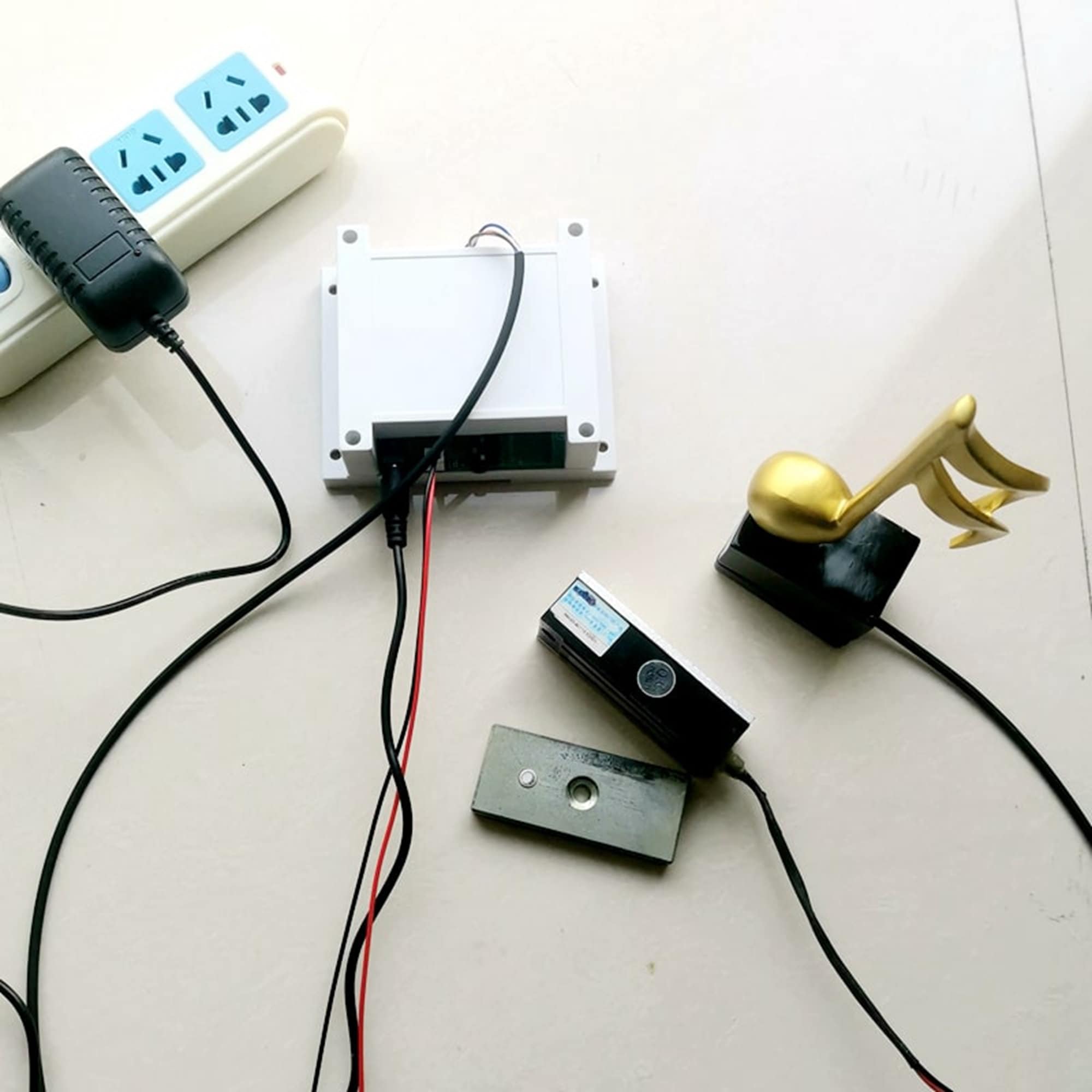
Maglocks are the gold standard for secure, code-compliant escape rooms. They function by using a powerful electromagnet attached to the door frame and an armature plate on the door. When energized, the door remains locked; when power is cut (by a puzzle solution or fire alarm), the magnetic bond breaks immediately.
Solenoid Bolts
Solenoids offer a "drop bolt" style of locking. They are often preferred for drawers, cabinets, or smaller props within an SF escape room. They are highly reliable for automation but must be sized appropriately to ensure they do not jam under slight pressure from a guest pulling on a door.
RFID and NFC Proximity Locks
For high-tech themes, RFID locks allow guests to "unlock" doors by placing an object (the "key") near a concealed sensor. These are often used as the final stage of a puzzle sequence. In 2026, these are usually integrated with a central PLC (Programmable Logic Controller) to manage logic flows and timing.
Comparative Analysis of Locking Hardware
The following table outlines the suitability of common mechanisms based on security, aesthetics, and regulatory alignment for San Francisco installations.
| Mechanism Type | Best Used For | Regulatory Risk | Ease of Integration |
|---|---|---|---|
| Fail-Safe Maglock | Primary Exit Doors | Low (If wired correctly) | High |
| Solenoid Drop Bolt | Small Props/Cabinets | Minimal | Moderate |
| RFID Proximity | Prop-based Puzzles | Minimal | High |
| Manual Combo Padlock | Low-Tech Prop Locks | Low (Non-egress only) | Very High |
| Standard Deadbolt | NEVER (Illegal for Egress) | Critical/High | N/A |
Integrating Logic Controls and PLCs
In 2026, the sophisticated escape room operator in San Francisco uses PLCs to manage the interaction between puzzles and locking mechanisms. A PLC allows for complex logic, such as ensuring that all three "power core" puzzles are solved before the "main airlock" door (the maglock) releases.
When designing these circuits, ensure that your power supply units (PSU) are rated for continuous duty. Common failures in escape room electronics often trace back to undersized power supplies that cause voltage drops, leading to erratic lock behavior. Always calculate the total amperage load of all locks in the room and ensure the PSU operates at no more than 80% of its rated capacity.
Troubleshooting Common Mechanical and Electrical Failures
Despite careful planning, mechanical fatigue and power issues occur. Operators should adopt a proactive maintenance schedule to prevent guest frustration and ensure continuous safety.
- Door Alignment Issues: Over time, doors can sag, causing the armature plate on a maglock to misalign with the magnet. This creates a "weak" lock that guests can easily pull open. Regularly check hinges and use shims if necessary to ensure the door face is flush against the magnet.
- Intermittent Connection: If a lock fails to trigger, check the wiring terminations. Avoid using low-quality wire nuts; use high-quality lever-actuated connectors or soldered joints within junction boxes to ensure long-term connectivity in high-traffic environments.
- Sensor Ghosting: In RFID-based locks, metallic surfaces near the antenna can interfere with the signal. Ensure that RFID readers are mounted behind non-metallic facades (e.g., wood, plastic, or acrylic) to prevent signal degradation.
Frequently Asked Questions
Are padlocks allowed in San Francisco escape rooms? Padlocks are allowed only for small, secondary containers or props that do not serve as an egress route. They must never be used on a door that provides exit from the room.
How do I ensure my maglocks are compliant with SFFD? You must install a supervised power supply that is tied to your fire alarm relay. When the alarm triggers, the relay must cut the power to the maglock circuit immediately, ensuring the door unlatches.
Do I need a permit for installing electronic locks in my SF facility? Yes, modifying the door hardware or fire safety systems of a commercial space in San Francisco generally requires a permit from the Department of Building Inspection (DBI) and sign-off from the SFFD Fire Marshal.
What is the best way to hide locking mechanisms while keeping them functional? The most effective way is to use "concealed" maglocks or solenoid bolts mounted inside the frame or behind decorative trim, ensuring the electromagnet face remains accessible for cleaning and alignment checks.
How often should I test my locking systems? In a high-turnover environment, perform a "safety cycle" test every morning before the first booking. This includes manually triggering the fire alarm bypass to ensure every egress door releases instantly and without resistance.
Professional Maintenance Recommendations
To maintain optimal operations throughout 2026 and beyond, prioritize modular components. Use standardized quick-disconnect plugs for all solenoids and sensors. This allows your floor staff to swap out a malfunctioning component in minutes during a transition between bookings, rather than requiring extensive on-site wiring repairs. Always maintain a backup inventory of your primary lock models to mitigate potential supply chain delays or manufacturer inventory changes.
If your facility is located in older San Francisco architecture—common in districts like SoMa or the Mission—ensure that your door frames are reinforced. Electronic locks rely on the integrity of the frame; if the wood is rotted or the frame is unstable, even the best maglock will fail to secure the room effectively. Engage with a licensed local contractor familiar with commercial life-safety hardware to audit your specific installation environment.
Image Gallery