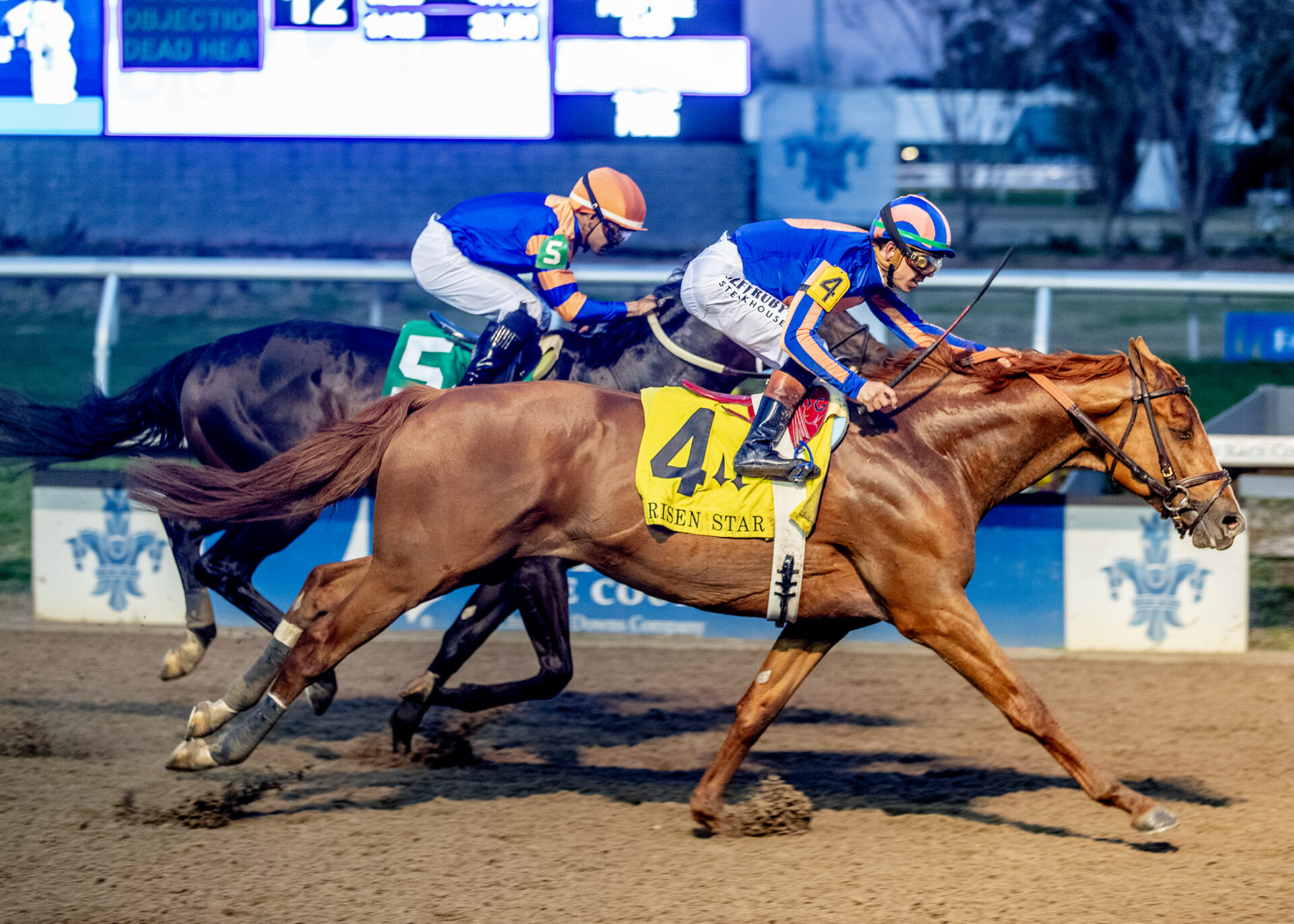
Understanding Derby Entries: A Comprehensive Guide for 2026 Racing Cycles
Derby entries refer to the official list of horses nominated, invited, or drawn to compete in a specific Thoroughbred horse racing event, most notably the Kentucky Derby or local regional derbies. These entries signify that a horse has...
Derby entries refer to the official list of horses nominated, invited, or drawn to compete in a specific Thoroughbred horse racing event, most notably the Kentucky Derby or local regional derbies. These entries signify that a horse has met the age, pedigree, and earnings prerequisites, and their connections have formally committed to the starting gate.
Contents
The Lifecycle of Derby Entry Qualifications
The process of securing a spot in a major Derby field is a rigorous, multi-month endeavor that balances performance metrics with regulatory oversight. In 2026, the Road to the Kentucky Derby series remains the primary vehicle for qualification, utilizing a structured points system to ensure the most consistent performers earn priority.
The qualification structure is divided into two primary phases:
- Prep Season: Early races held in late 2025 and early 2026 that offer limited points to winners, serving as a talent identification phase.
- Championship Series: High-stakes races throughout the spring of 2026 where the point values are significantly higher, effectively filtering the field to the top 20 qualifiers.
Horses are not guaranteed an entry simply by winning one race. They must earn enough points to rank within the top 20 on the official leaderboard. In the event of a tie in points, non-restricted stakes earnings are used as the primary tiebreaker.
Administrative and Regulatory Requirements for Nominations
Owners and trainers must navigate a complex landscape of administrative filings to ensure their horse is eligible for entry. Nominations are not automatic; they require formal submission and associated fees.
- Early Nomination Period: Usually closing in January, this allows owners to nominate a horse for a lower fee.
- Late Nomination Period: Allows for entry after the early deadline, typically at a significantly higher cost.
- Supplementation: In rare cases, a horse can be supplemented into the field at the time of entry for a substantial fee, often a percentage of the total purse.
Required Documentation and Status Checks
Before a horse can appear on the final entry list, it must pass several regulatory hurdles. These are strictly monitored by state racing commissions and the governing bodies of the respective tracks.
| Requirement | Description | Impact on Entry |
|---|---|---|
| Negative Coggins Test | Equine Infectious Anemia clearance | Mandatory for barn entry |
| Health Certificate | Official veterinarian examination | Required for transport to track |
| Registration Papers | Jockey Club digital tattoo/papers | Must be on file for eligibility |
| Medication Records | Compliance with HISA regulations | Failure leads to immediate disqualification |
Analyzing the 2026 Entry Draw Process
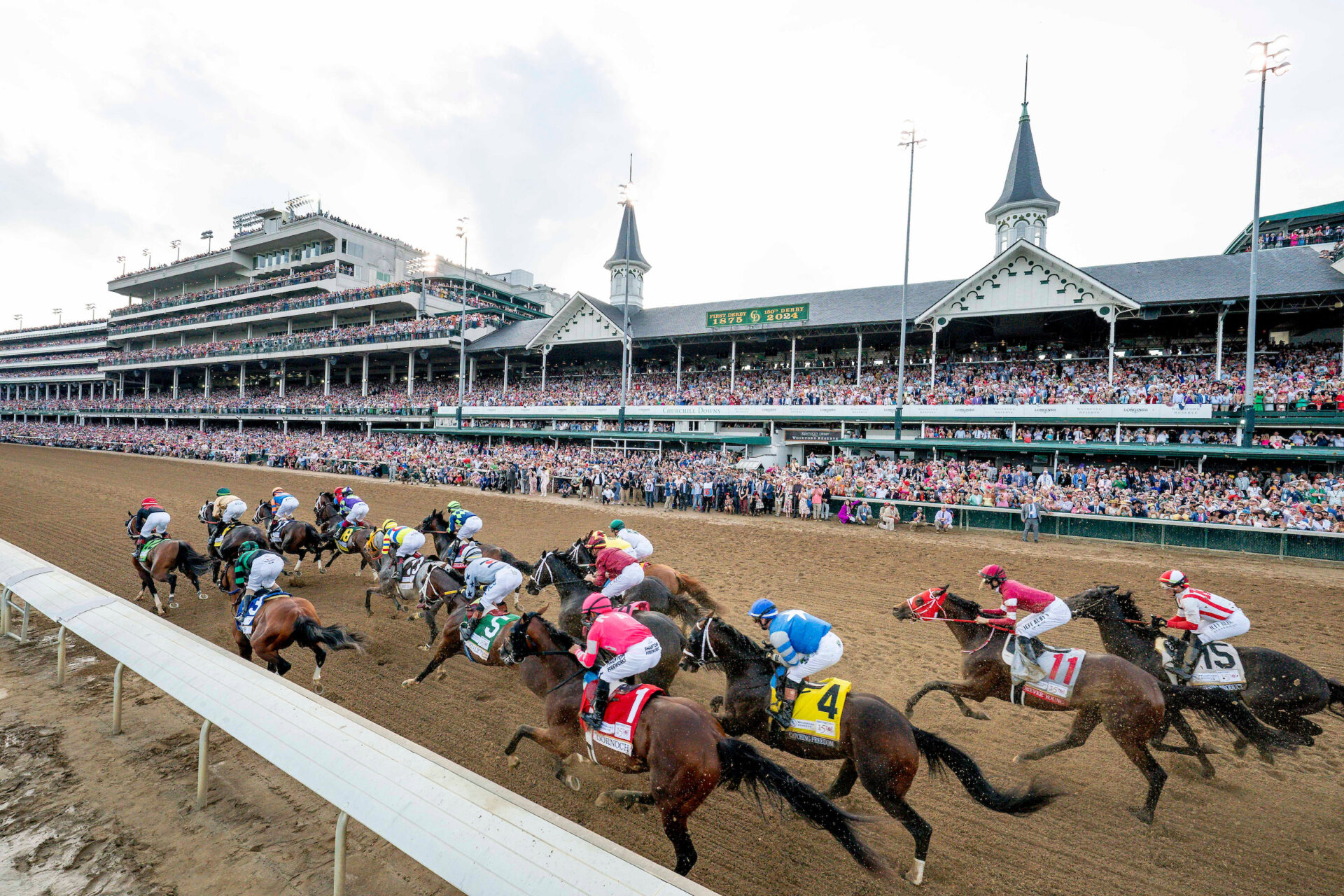
The "Draw" is the final, high-tension moment where the field is finalized and starting gate positions are assigned. In 2026, the draw follows a standardized procedure to ensure fairness and transparency for all stakeholders.
The draw typically occurs a few days before the race. A random process determines the order in which entries are pulled. The trainer or owner then selects an available stall from the starting gate. Tactical positioning is critical, as historical data shows that specific gates—often those in the middle of the pack—have provided a higher statistical probability of a clean trip compared to extreme inside or outside posts.
The Role of HISA and Modern Safety Standards
As of 2026, the Horseracing Integrity and Safety Authority (HISA) oversees all safety and integrity protocols across major United States racing jurisdictions. Derby entries are subject to intensified scrutiny under the Anti-Doping and Medication Control (ADMC) program.
Integrity Mandates for 2026
Veterinary Oversight: All horses entered in high-profile derbies undergo mandatory examinations by independent regulatory veterinarians. These exams occur 72, 48, and 24 hours prior to the race to detect sub-clinical lameness or physical fatigue.
Medication Transparency: Any therapeutic substance administered to a horse must be logged in a centralized, real-time database. Failure to comply with these record-keeping requirements results in the automatic scratching of the horse from the entry list regardless of qualification status.
Comparison of Entry Prerequisites by Event Tier
Not all derbies follow the same entry requirements. Smaller, local-circuit derbies may operate on invitation-only bases or local qualification standards, whereas Grade 1 events maintain universal strictness.
- Grade 1 Events: Require documented stakes wins and rigorous veterinary clearance.
- Allowance/Regional Derbies: Focus on local residency, specific age classes, and state-bred requirements.
- Maiden Derbies: Restricted to horses that have not won a race, often used for developing young Thoroughbreds.
Troubleshooting Common Entry Issues
Occasionally, an owner or trainer may face unexpected roadblocks that jeopardize their entry status. Understanding these common pitfalls can help in proactive management.
- Documentation Lapses: Often, registration papers are not properly transferred during a sale. Always verify the Jockey Club status immediately upon acquiring a horse.
- Point Calculation Errors: Discrepancies in earnings can occur due to race-day disqualifications or changes in purse distribution. Regularly audit the official leaderboard published by the racing office.
- HISA Non-Compliance: Even minor medication reporting delays can lead to immediate suspensions. Utilize dedicated compliance software or professional racing managers to maintain accurate records.
Frequently Asked Questions
What happens if a horse is entered but then scratched? If a horse is scratched after the official draw but before the race, that horse is removed from the field. In many races, an "also-eligible" list exists; if a spot opens up, the next horse on the list moves into the starting gate, provided they have met all veterinary requirements.
Can an international horse enter a US Derby? Yes, provided the horse meets the age and pedigree requirements and has earned enough points through qualifying international races or receives a special invitation based on their performance in group-level racing in their home country.
Why is there a separate fee for late nominations? The late nomination fee is designed to account for the risk and investment of connections who did not commit to the horse's potential earlier in the season. It serves as a financial deterrent against speculative entries that haven't proven their competitive capacity.
Are Derby entries public record? Yes, once the entry draw is complete, the list of horses, their jockeys, their assigned trainers, and their post positions are made public through the official racing office and major industry news outlets to facilitate wagering.
Do all states recognize the same health requirements for entries? While HISA has unified many safety standards, individual state commissions may have specific quarantine or movement requirements for horses traveling from out-of-state barns. Always consult the specific racing commission office in the jurisdiction of the event.
To ensure your horse is prepared for the upcoming 2026 racing season, consult your racing manager and review the current HISA compliance handbook to align your training and medication protocols with national standards. Proper preparation of entry documentation is the foundation of a successful campaign.
Image Gallery