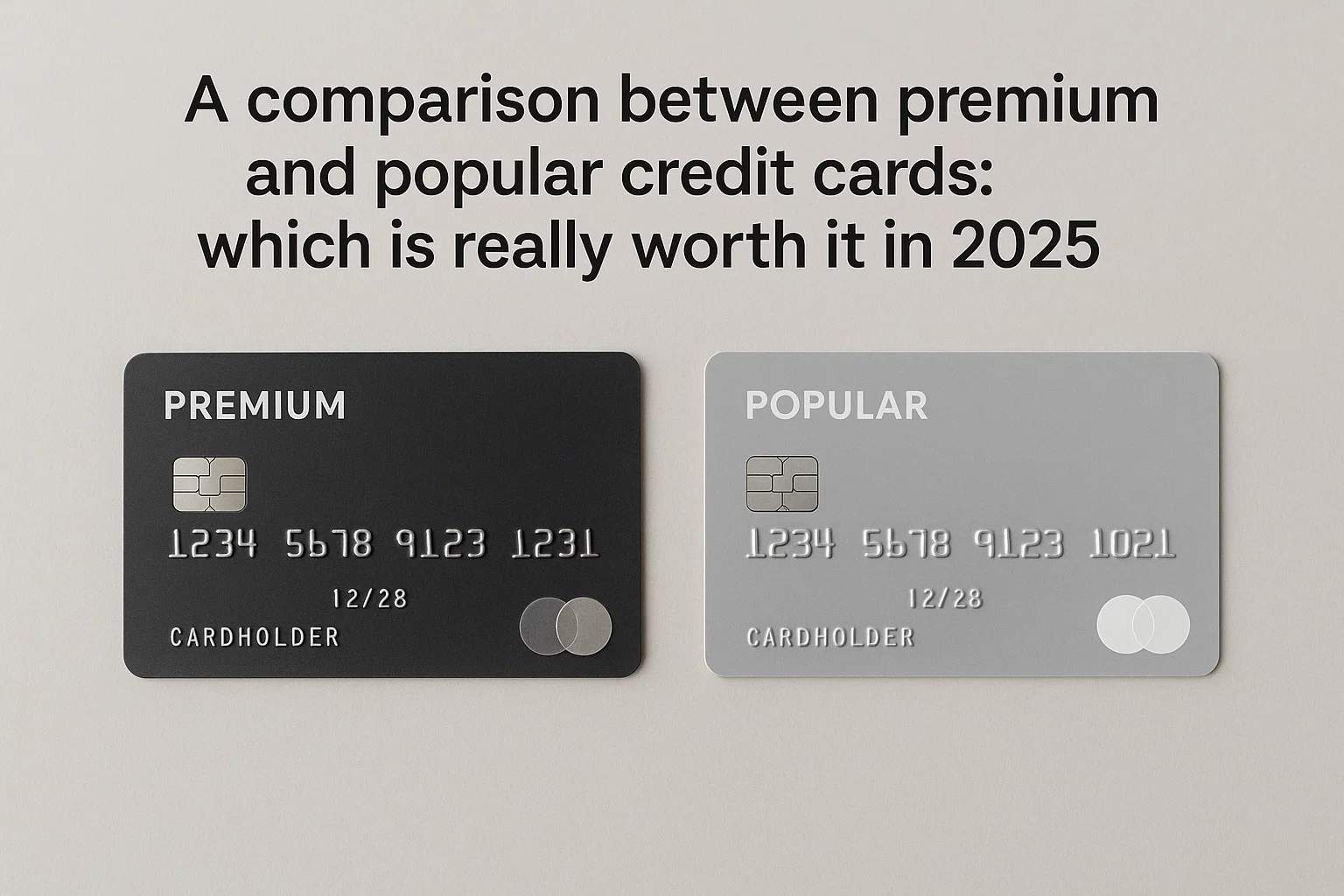
Why Fast Approval on Many Corporate Credit Cards Rarely Pays Off
Fast approval on corporate credit cards rarely pays off because providers typically offset rapid, automated underwriting with volatile credit limits, compressed repayment cycles, personal guarantee liabilities, and hidden transaction f...
Fast approval on corporate credit cards rarely pays off because providers typically offset rapid, automated underwriting with volatile credit limits, compressed repayment cycles, personal guarantee liabilities, and hidden transaction fees. Stacking multiple fast-approval cards fragments company spend, complicates accounting reconciliation, and fails to build institutional credit history, ultimately increasing borrowing costs and administrative friction.
Contents
The Illusion of Frictionless Corporate Lending
Fintech disruption transformed business credit origination by replacing weeks of institutional underwriting with algorithmic, near-instant decisions. Instead of submitting audited financial statements, tax returns, and debt service coverage calculations, corporate applicants can connect their primary operating accounts via Open Banking application programming interfaces (APIs) and secure approval within minutes.
While instant access to working capital appeals to early-stage founders and resource-constrained finance teams, rapid approvals introduce structural trade-offs. Automated underwriting relies on real-time bank account snapshots rather than long-term solvency assessments. To manage risk without deep human credit analysis, card issuers build structural limitations into the product architecture.
When organizations scale spending across multiple fast-approval cards to compensate for low limits or chasing introductory perks, these limitations compound. The short-term convenience of frictionless onboarding routinely gives way to cash-flow volatility, operational complexity, and uncompetitive financing terms.
1. Dynamic Underwriting and Unpredictable Credit Limits
Traditional commercial banks underwrite corporate lines of credit using trailing financial statements, debt-to-equity metrics, and verified revenue stability. This process yields a fixed credit facility that remains stable across monthly billing cycles, allowing finance teams to budget accurately.
Fast-approval corporate charge cards operate on dynamic underwriting algorithms. The issuer reads daily cash balances across linked accounts and continuously calculates available purchasing capacity. If your company maintains healthy cash reserves, your spending limit expands. However, if your cash position drops—due to payroll runs, seasonal inventory purchases, or capital expenditure investments—the algorithm automatically contracts your credit limit.
This dynamic mechanism creates acute vulnerability precisely when businesses need credit flexibility:
- Liquidity-Linked Reductions: A planned working capital outlay can trigger an automatic limit reduction mid-month, causing operational software or cloud infrastructure transactions to decline.
- Lack of Forward Visibility: Because dynamic limits recalculate on rolling 24- to 72-hour intervals, controllers cannot reliably forecast borrowing capacity three months in advance.
- Procyclical Credit Availability: Fast-approval issuers extend maximum credit when a company least needs it (peak liquidity) and restrict credit when liquidity tightens.
- Operating Cash Balance Drops
- Algorithmic Underwriting Re-evaluates Daily Risk
- Credit Limit Automatically Contracts
- Mission-Critical SaaS / Ad Vendor Cards Decline
2. Compressed Repayment Cycles That Inhibit Cash Flow
A primary operational function of institutional trade credit is extending the cash conversion cycle. A standard commercial corporate card offers net-30 payment terms with an additional 15- to 25-day grace period, yielding 30 to 55 days of interest-free float before settlement.
Fast-approval corporate cards rarely offer long payment windows. To offset the credit risk of unverified corporate financials, issuers shorten the settlement cycle using non-traditional structures:
- Daily Sweeps: The card balance automatically clears from the connected corporate checking account every business day, eliminating working capital float entirely.
- Weekly or Bi-Weekly Auto-Debits: The issuer draws balances automatically every seven to fourteen days, functioning as a modified debit card with software overlay rather than true revolving credit.
- Collateralized Pre-Funding: Some instant-issue platforms require businesses to deposit cash into a designated escrow account, granting credit equal only to the secured deposit.
Financing operations with compressed settlement cycles starves growth-stage businesses of operational float. While administrative processing remains high, the company receives none of the working capital advantages associated with standard corporate credit.
3. Hidden Costs, Unit Economics, and Foreign Exchange Spreads
Instant-issue business cards frequently market "zero annual fees" and high cashback percentages. However, card issuers remain commercial enterprises requiring defined yield on deployed assets. When revenue is not generated through annual maintenance fees or transparent interest charges, it is recouped through less visible avenues.
Sub-Optimal Foreign Exchange (FX) Margins
Many emerging enterprises maintain global vendor footprints, paying for software, manufacturing inputs, or overseas contractor payroll in foreign currencies. While traditional treasury solutions provide transparent interbank-plus pricing, instant corporate cards frequently levy foreign transaction markups between 1.5% and 3.0% embedded within the currency conversion spread.
Aggressive Cross-Selling and Embedded Financial Services
Issuers monetize customer transaction data by promoting integrated working capital loans, invoice factoring facilities, or high-APR merchant cash advances within their expense dashboards. The convenience of one-click financing masks effective annual percentage rates (APRs) that often exceed 25% to 40% when annualized.
Inflexible Redemption Economics
Headline rewards programs on fast-approval cards often carry stringent redemption restrictions. Points may only yield full cash value when redeemed against proprietary partner marketplaces, software subscriptions, or statement credits applied exclusively to future processing fees.
4. The Administrative Nightmare of Multi-Card Stacking
When a single fast-approval card fails to provide adequate credit, companies often apply for two, three, or four separate platforms. A finance team might deploy one card for digital advertising, another for travel, and a third for engineering software.
Stacking multiple fast-approval credit lines introduces severe administrative overhead that erodes operational efficiency.
| Operational Dimension | Single Commercial Bank Program | Multiple Fast-Approval Cards |
|---|---|---|
| Credit Underwriting | Audited financials, fixed facility | Dynamic, API balance monitoring |
| Cash Conversion Float | 30 to 55 days interest-free | Daily, weekly, or strict 30-day terms |
| ERP & Accounting Integration | Single, unified general ledger feed | Fragmented feeds, reconciliation mismatches |
| Credit History Growth | Commercial bureau reporting (Experian, D&B) | Often non-reporting or private ledger |
| Liability Structure | Pure corporate liability | Frequently requires personal guarantees |
| Administrative Workload | Single monthly audit and settlement | Multi-portal management, overlapping fees |
General Ledger Reconciliation Failures
Every card platform runs its own software environment, receipt-matching rules, and categorization taxonomy. Syncing three disparate card platforms into enterprise resource planning (ERP) systems like NetSuite, QuickBooks Online, or Sage Intacct creates data overlap. Transactions are misclassified, duplicate merchant accounts are created, and currency conversions mismatch, significantly lengthening the month-end close.
Fraud and Shadow Spending Exposure
Distributing multiple card lines across departments fragments governance. When purchasing managers hold cards across multiple fintech portals, internal spend visibility deteriorates. Recurring software subscriptions run unchecked across multiple programs, resulting in redundant SaaS spend and orphaned seats that go unnoticed for quarters.
5. Personal Guarantees and Failure to Build Commercial Credit
A major long-term disadvantage of fast-approval business cards involves organizational liability and credit profile development.
The Hidden Personal Guarantee
True corporate cards—such as commercial card programs issued by major financial institutions—operate under corporate liability. The entity itself is strictly liable for corporate debts, protecting the personal balance sheets of executives, founders, and directors. Qualification requires verified corporate revenues, positive operating cash flow, or substantial balance-sheet equity.
To provide instant approvals without verifying those metrics, fintech issuers routinely require the applicant to sign a Personal Guarantee (PG). Under a personal guarantee:
- The individual applicant’s personal credit score is checked via a hard credit inquiry.
- The individual remains personally liable if the enterprise defaults or enters insolvency.
- Corporate spending balances or unexpected defaults can damage the executive's personal credit standing.
The Commercial Bureau Reporting Deficit
Building business credit requires issuers to report repayment performance to dedicated commercial credit bureaus: Dun & Bradstreet, Experian Commercial, and Equifax Small Business.
Many fast-approval card providers operate on proprietary risk models and do not report positive repayment data to commercial credit bureaus. A business might spend millions of dollars and settle accounts flawlessly over several years, yet emerge with zero institutional credit file depth. When the organization eventually requires asset-backed equipment financing, commercial mortgages, or large-scale revolving credit lines, it must begin underwriting from scratch.
Strategic Alternatives: Moving to Tier-One Commercial Facilities
Instant-issue cards provide useful utility for seed-stage startups, micro-businesses, or isolated departmental trial spend. However, scaling organizations outgrow them quickly. Transitioning to a structured commercial banking program provides the financial infrastructure required for enterprise scale.
- Phase 1: Seed / Inception - Fast-Approval Fintech (Proof of Concept, Zero History)
- Phase 2: Growth / Expansion - Hybrid Dual-Card (Fintech Software + Commercial Bank Primary)
- Phase 3: Scale / Enterprise - Tier-1 Treasury Commercial Program (Pure Corporate Liability)
To transition away from fragmented, fast-approval card portfolios, finance leaders should take three structured steps:
- Consolidate Spend Data: Aggregate all vendor spend across disparate fast-approval portals. Identify true monthly spending volume, core vendor categories, and international currency requirements to establish your company's actual credit facility baseline.
- Prepare an Underwriting Package: Secure audited or verified trailing 24-month financial statements, debt schedules, accounts receivable aging reports, and cash-flow projections. Commercial banks require clean documentation to underwrite fixed, multi-million-dollar lines under corporate liability.
- Engage Treasury Management Providers: Solicit formal proposals for Commercial Card and Automated Clearing House (ACH) treasury management programs. Modern tier-one banks now offer spend-management software integrations that rival standalone fintech cards while delivering genuine net-30/45 payment float, institutional rewards, and corporate bureau reporting.
Frequently Asked Questions
What constitutes a "fast-approval" corporate credit card?
A fast-approval corporate card is a financing instrument that uses automated data integrations—such as connecting your corporate bank account via Open Banking—to verify cash balances and issue underwriting decisions in hours or minutes. They bypass traditional human credit committees, historical tax document reviews, and debt-service calculations, relying instead on algorithmic assessments of short-term cash flow.
Why do fast-approval cards adjust spending limits without warning?
Because underwriting is tied directly to real-time bank account balances, the underwriting algorithm recalculates default risk continuously. If your business experiences significant operating cash drawdowns—such as bi-weekly payroll or annual tax distributions—the system identifies an elevated risk profile and contracts your spending limit to protect the card issuer against default.
Do fast-approval business cards impact personal credit scores?
Yes, in many instances. If the card issuer requires a Personal Guarantee during the onboarding flow, the primary applicant assumes individual liability. Issuers may execute a hard credit inquiry on the applicant's personal file, and any enterprise default or extended delinquency can be transferred directly to personal consumer credit bureaus.
How does using multiple card providers complicate accounting?
Operating across multiple card providers fragments receipt capture, approval workflows, and general ledger chart-of-accounts mapping. Each provider exports data with different transaction formats, tax field schemas, and synchronization rules. This forces accounting teams to manually reconcile disparate data feeds, increasing the risk of duplicate vendor entries and prolonging the financial close.
When does a fast-approval corporate card make operational sense?
Fast-approval cards make sense for newly incorporated businesses with less than two years of operating history, companies lacking audited financial records, or projects needing immediate micro-lines for minor digital subscriptions. They should be treated as transitional stepping stones rather than long-term corporate financing tools.
Final Recommendation
Relying on multiple fast-approval corporate credit cards creates an illusion of working capital that often collapses under operational pressure. Instead of patching together dynamic credit limits that fluctuate alongside cash balances, prioritize establishing an institutional commercial card program.
Audit your current card stack, aggregate historical vendor spend, and initiate underwriting discussions with your primary treasury bank. Securing a structured commercial facility with fixed limits, pure corporate liability, and standard monthly float builds the long-term credit profile and operational stability your business requires.
Image Gallery