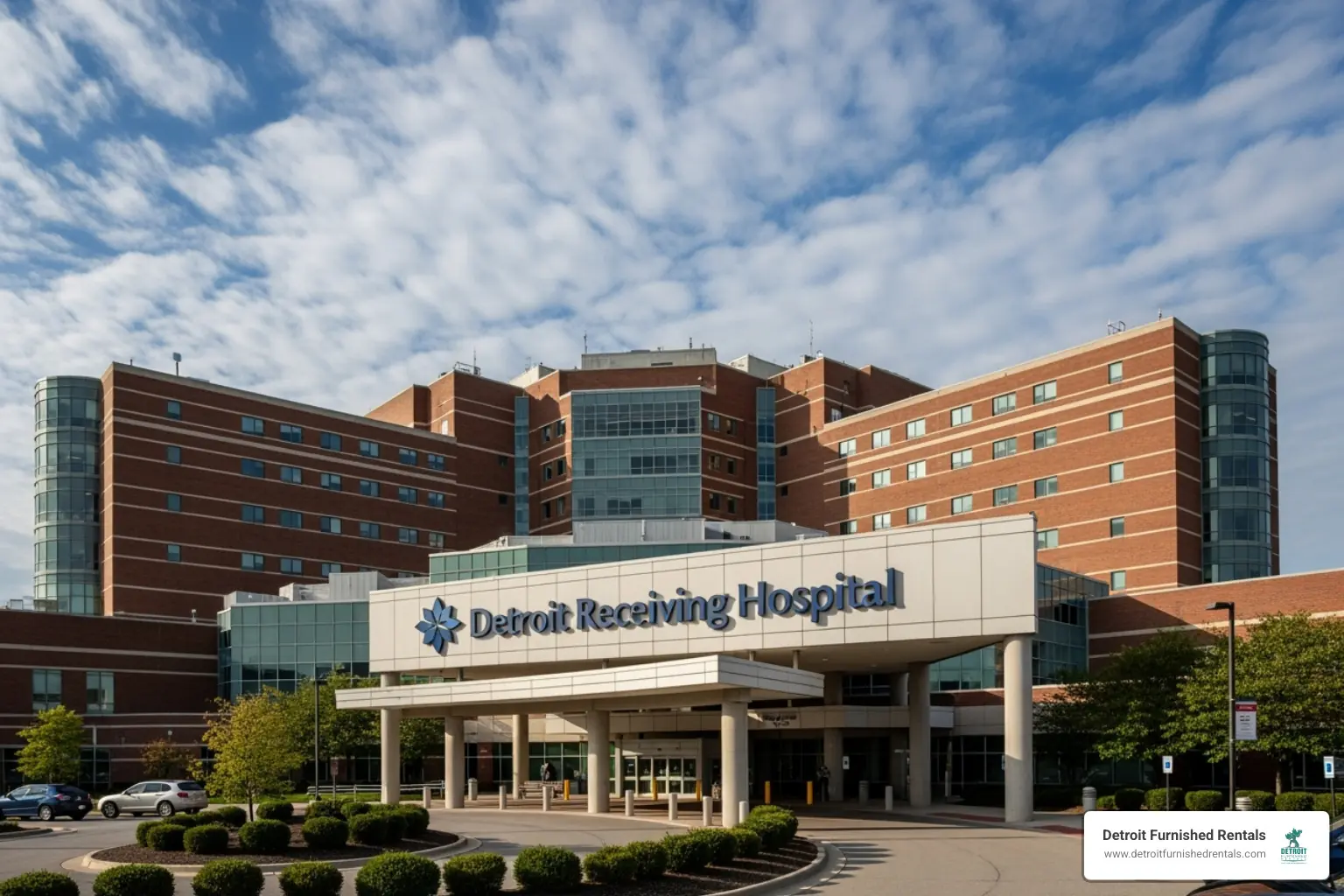
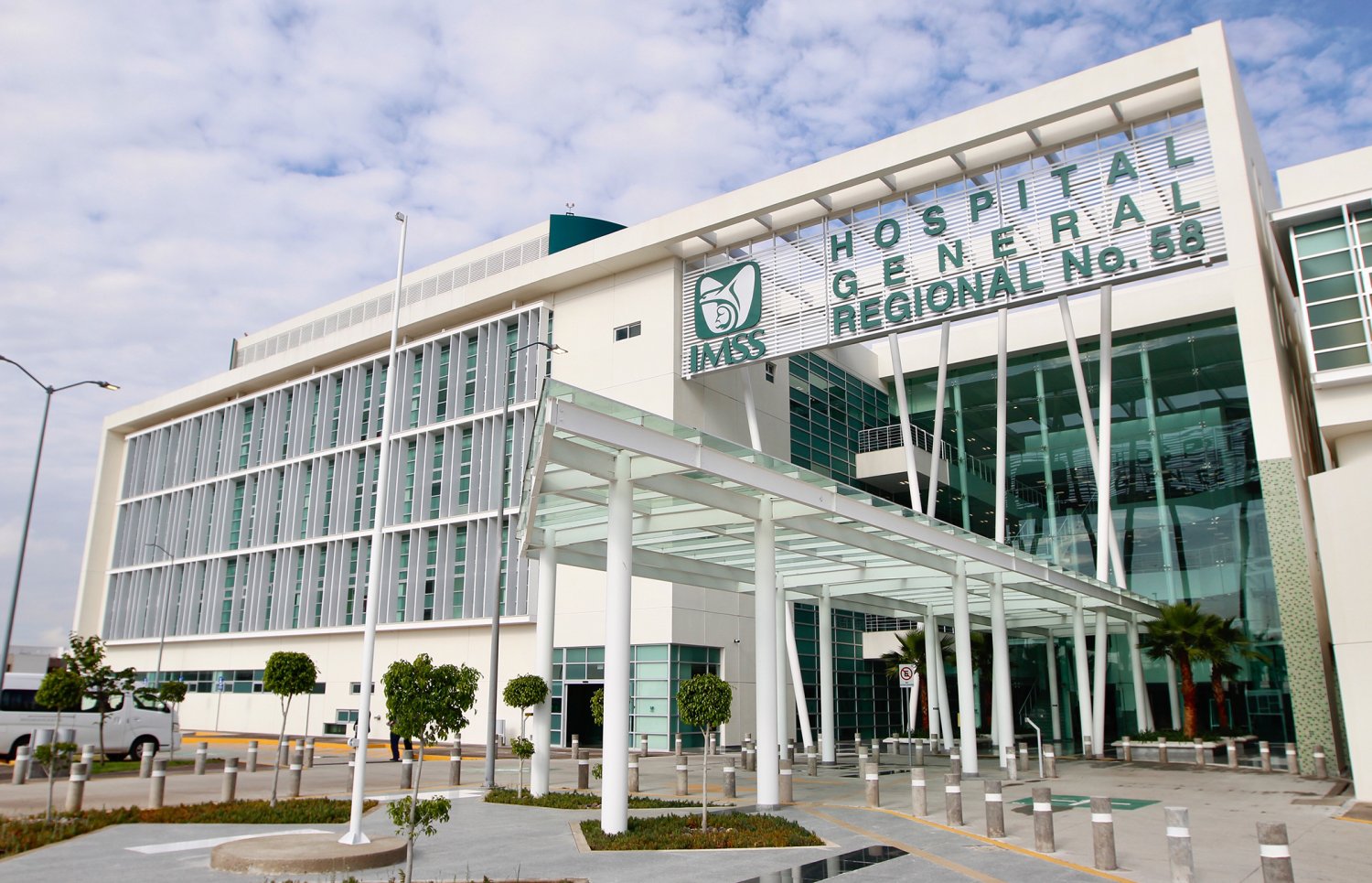
Why the Regional General Hospital Matters in Detroit: A Foundation of Public Health
The regional general hospital serves as the essential backbone of healthcare infrastructure in Detroit, functioning as a critical safety net that provides comprehensive emergency, diagnostic, and specialized care to a diverse urban pop...
The regional general hospital serves as the essential backbone of healthcare infrastructure in Detroit, functioning as a critical safety net that provides comprehensive emergency, diagnostic, and specialized care to a diverse urban population. By centralizing high-acuity services and fostering community health initiatives, these institutions ensure that residents have equitable access to life-saving treatment regardless of their socioeconomic status.
Contents
The Structural Importance of Regional Hospitals in Urban Centers
In a city as geographically and demographically complex as Detroit, the regional general hospital occupies a distinct place in the healthcare ecosystem. Unlike specialized boutique clinics or private surgical centers that often focus on elective procedures or specific patient demographics, the regional general hospital is mandated—often through public charter or mission-driven status—to treat every patient who walks through its doors. This commitment creates a reliable point of entry for the city’s most vulnerable populations.
The "regional" designation implies a scope that extends beyond neighborhood boundaries. These hospitals act as central nodes in a network of care, pulling in patients from across the metropolitan area for services that local urgent care centers cannot provide. This includes level-one trauma care, intensive care units (ICUs) equipped for complex multi-organ failure, and advanced diagnostic imaging. For a city like Detroit, where transportation barriers can hinder access to medical services, the existence of a high-capacity regional facility is not just a convenience—it is a public health necessity.
Emergency Response and Trauma Stabilization
Perhaps the most visible role of the regional general hospital is its function as a portal for emergency medicine. In urban emergency response systems, time is the primary determinant of survival for patients suffering from cardiac events, strokes, or traumatic injuries. Regional hospitals in Detroit maintain the constant readiness required to manage surges in emergency department volume.
These institutions operate as the primary destination for emergency medical services (EMS). By maintaining around-the-clock availability for surgical intervention and stabilizing treatment, these hospitals prevent preventable mortality. The technical depth required to maintain these services—ranging from the specialized staff of board-certified trauma surgeons to the diagnostic precision of on-site computed tomography (CT) and magnetic resonance imaging (MRI) units—represents a massive logistical and financial undertaking that smaller facilities simply cannot sustain.
Bridging the Gap in Health Equity
Detroit’s historical landscape of healthcare has been marked by significant disparities in health outcomes, often correlated with ZIP codes and income levels. The regional general hospital acts as an equalizer within this landscape. Because these facilities typically rely on a mix of funding sources, including federal reimbursement programs like Medicare and Medicaid, they are uniquely positioned to serve the uninsured and underinsured.
This mission-driven approach is critical to regional stability. When a community loses access to a central hospital, the burden shifts to emergency rooms in neighboring municipalities, often leading to overcrowding and delayed care. By maintaining the regional general hospital, Detroit protects the health of the entire urban grid. These institutions often serve as the primary teaching grounds for medical residents, which fosters a culture of innovation and research that benefits the local population through the introduction of new treatments and clinical protocols.
Table: Functional Distinctions in Healthcare Delivery
| Feature | Regional General Hospital | Specialized/Boutique Clinic |
|---|---|---|
| Primary Scope | Comprehensive, multi-specialty | Focused on single specialty |
| Emergency Access | 24/7/365 Emergency Department | Appointment-based or limited hours |
| Patient Population | Diverse, inclusive of all acuity levels | Often insurance- or procedure-selective |
| Trauma/Surgical Capability | High-level (Level 1/2/3 Trauma) | Minimal or none |
| Community Impact | Public health safety net | Individual patient care |
Integrating Community Health and Preventative Care
While the emergency department often captures the most attention, the long-term impact of the regional general hospital lies in its integration with community health programs. Many hospitals in the Detroit region have evolved beyond treating acute injuries to managing chronic conditions like diabetes, hypertension, and asthma, which are prevalent in urban environments.
Through outpatient clinics, health education workshops, and outreach programs, these hospitals work to manage patient health before it necessitates an expensive emergency visit. This proactive approach reduces the strain on the hospital’s financial and physical resources while improving the quality of life for the community. In 2026, the shift toward value-based care—where hospitals are incentivized to keep populations healthy rather than simply treating illness—has further solidified the role of the regional hospital as a partner in local public health policy.
Operational Challenges and Resource Management
Operating a large-scale hospital in an urban environment like Detroit involves significant technical and financial complexity. These facilities must balance the high fixed costs of maintaining diagnostic equipment, specialized labor, and physical infrastructure with the unpredictable nature of patient volume.
The maintenance of high-tech equipment, such as robotic surgical systems or specialized oncology units, requires constant investment in technical training and software updates. Furthermore, the hospital must adhere to strict regulatory compliance standards mandated by both state and federal agencies. This includes rigorous data security requirements for Electronic Health Records (EHR) and adherence to strict medical waste disposal and infection control protocols. Navigating these requirements while maintaining a fiscally responsible budget is the central operational challenge for the management teams of regional hospitals.
Frequently Asked Questions
1. What defines a "regional" hospital compared to a local facility? A regional hospital is characterized by its broad spectrum of services, including emergency, inpatient, and surgical care that caters to a wider geographic area. Local facilities usually provide primary care or urgent care, lacking the surgical suites and specialty departments found in a regional hub.
2. How does the regional hospital impact the local economy? Beyond healthcare, these hospitals are often among the largest employers in their respective districts. They sustain a wide array of jobs, from clinical staff and administrators to facilities management and security personnel, contributing significantly to the local tax base and secondary services.
3. Are there specific limitations to what these hospitals can provide? While broad, every hospital has operational limits based on its staffing, equipment, and specialty certifications. Some regional hospitals may transfer patients to specialized research centers or university hospitals for highly experimental procedures or rare, complex surgeries that exceed their routine capacity.
4. How do these hospitals ensure patient safety and data security? In 2026, hospitals are governed by stringent healthcare regulations concerning HIPAA compliance and patient privacy. They utilize encrypted digital health systems and implement regular audits to ensure that both clinical practices and administrative data handling meet established state and federal safety standards.
5. How can residents best utilize the services of their regional general hospital? Residents should utilize the hospital's primary care clinics for routine management and the emergency department only for acute, life-threatening conditions. Utilizing established patient portals allows for better communication with care teams and more efficient management of personal health records.
Conclusion and Next Actions
The regional general hospital remains an indispensable component of Detroit’s societal infrastructure. By providing a bridge between emergency stabilization and long-term health management, these institutions safeguard the well-being of the metropolitan population. For residents looking to engage with these resources, the first step is to establish a connection with a primary care clinic associated with your nearest regional hospital. This ensures you are already within the system, allowing for seamless transitions should you ever require higher-level diagnostic or emergency care. Review the official website of your local regional health system to identify available outpatient clinics and to register for patient portal access.
Image Gallery