Comprehensive Guide to the INTERPOL General Secretariat Headquarters in Lyon
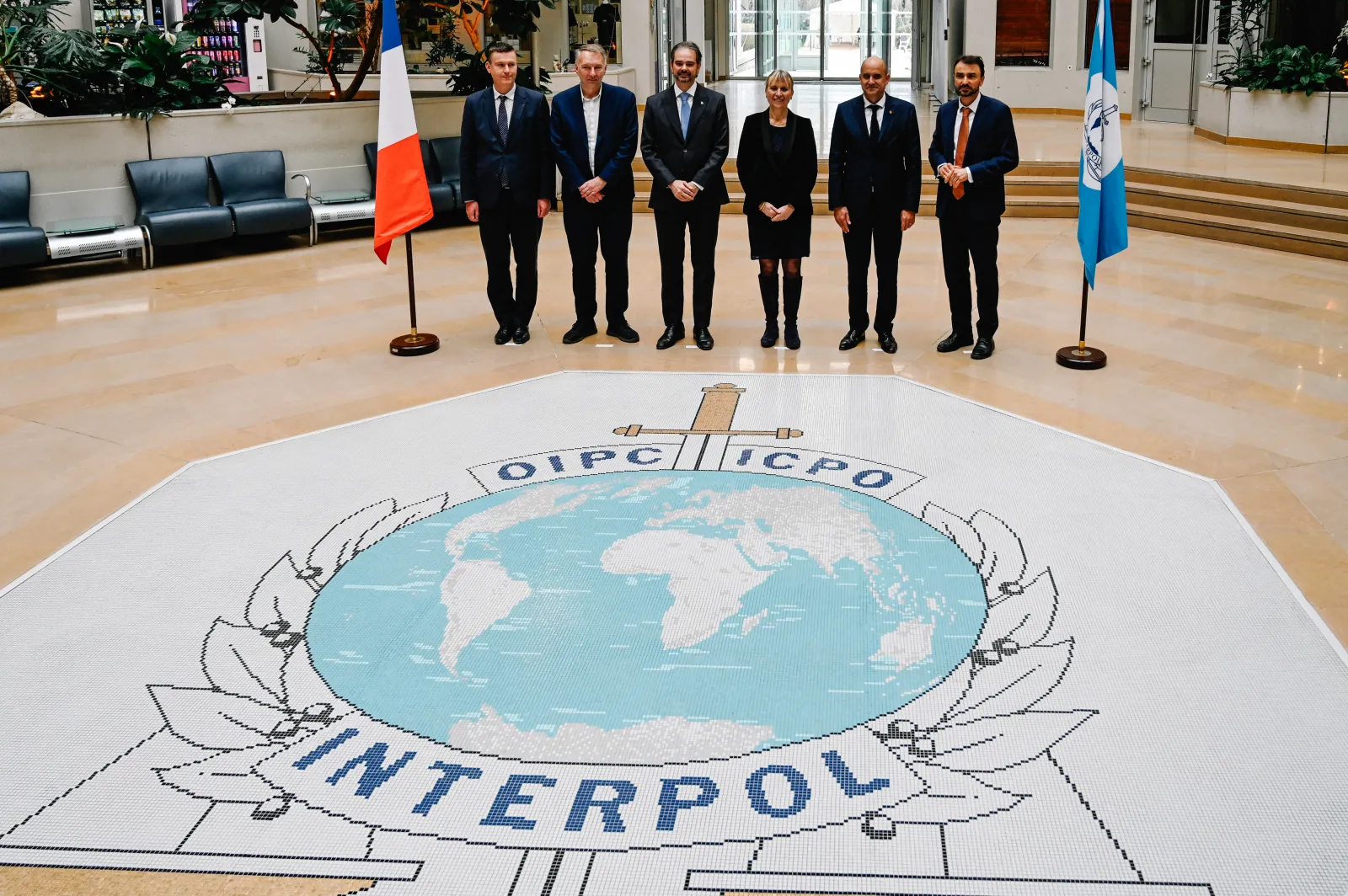
The General Secretariat of INTERPOL is headquartered in Lyon, France, specifically located within the Cité Internationale complex. Serving as the administrative and operational heart of the world's largest international police organiza...
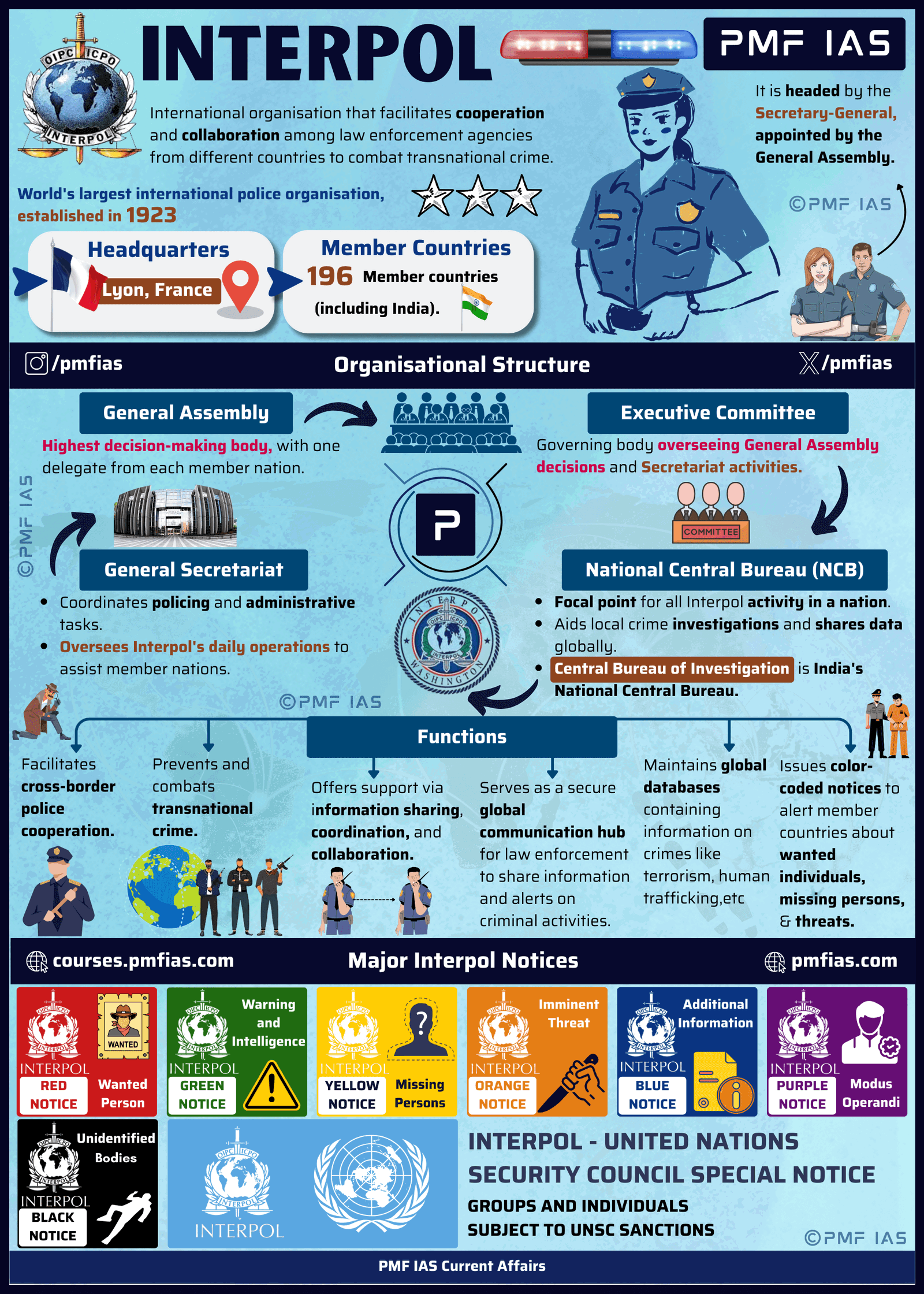
The General Secretariat of INTERPOL is headquartered in Lyon, France, specifically located within the Cité Internationale complex. Serving as the administrative and operational heart of the world's largest international police organization, this facility coordinates global law enforcement efforts across 196 member countries, managing critical criminal databases and providing 24/7 support for transnational investigations.
Contents
As of 2026, the INTERPOL General Secretariat remains the central hub for global security cooperation, functioning not as a frontline police force with arrest powers, but as a sophisticated information-sharing clearinghouse. Located at 200 Quai Charles de Gaulle, the headquarters oversees a massive infrastructure of data exchange, forensic support, and strategic training. While the organization maintains a significant Global Complex for Innovation (IGCI) in Singapore and several regional bureaus, the Lyon headquarters remains the primary seat of its governance and the office of the Secretary General.
The Strategic Significance of the Lyon Headquarters
Since its relocation from Saint-Cloud, Paris, in 1989, the Lyon headquarters has evolved into a high-tech fortress of international cooperation. Its presence in France is governed by a "Headquarters Agreement" with the French government, ensuring the organization’s independence and legal immunity necessary for impartial global policing.
In 2026, the Lyon site is more than just an office building; it is the physical manifestation of the I-24/7 global police communications system. This secure network allows National Central Bureaus (NCBs) in every member country to access INTERPOL’s databases in real-time. The headquarters houses the specialized units that manage these records, ranging from fingerprints and DNA profiles to stolen travel documents and child exploitation images.
Architectural and Local Context
The headquarters is situated in the 6th arrondissement of Lyon, nestled between the Rhône River and the Parc de la Tête d'Or. This location within the Cité Internationale—a district designed by architect Renzo Piano—places the organization in a hub of culture and commerce, alongside the Musée d'art contemporain de Lyon and various international convention centers.
Site Security and Accessibility
The INTERPOL General Secretariat is a high-security facility and is not open to the general public for tours or unscheduled visits. Access is strictly controlled and reserved for authorized law enforcement personnel, diplomatic delegations, and pre-approved educational groups. Security measures in 2026 include advanced biometric verification and multi-layered perimeter defense to protect the sensitive criminal data processed within.
Core Operational Functions at the General Secretariat
The activities within the Lyon headquarters are categorized into three primary crime programs: Counter-Terrorism, Cybercrime, and Organized and Emerging Crime. Each program utilizes the central resources of the headquarters to provide actionable intelligence to member states.
The Command and Coordination Centre (CCC)
Operating 24 hours a day, 365 days a year, the CCC is the "nerve center" of INTERPOL. It serves as the first point of contact for any member country facing a crisis or requiring urgent assistance. In 2026, the CCC utilizes advanced AI-driven monitoring systems to track global security threats and coordinate the deployment of Incident Response Teams (IRTs) to disaster zones or major crime scenes.
Management of International Notices
One of the most visible functions of the Lyon headquarters is the issuance and management of INTERPOL Notices. These are international requests for cooperation or alerts allowing police in member countries to share critical crime-related information.
- Red Notices: Requests to locate and provisionally arrest individuals pending extradition.
- Blue Notices: Issued to collect additional information about a person's identity, location, or activities in relation to a crime.
- Yellow Notices: Vital tools for locating missing persons, often minors, or identifying persons who are unable to identify themselves.
- Black Notices: Used to seek information on unidentified bodies.
- Green Notices: Provide warnings about persons who have committed criminal offenses and are likely to repeat them in other countries.
INTERPOL’s Global Infrastructure: A Comparative Overview
While Lyon is the primary headquarters, INTERPOL’s operational capacity is distributed globally. Understanding the difference between the General Secretariat, the IGCI, and the National Central Bureaus is crucial for comprehending how international law enforcement functions in 2026.
| Facility Type | Primary Location | Key Functions | Staffing Profile |
|---|---|---|---|
| General Secretariat (HQ) | Lyon, France | Global governance, Red Notices, 24/7 Command Centre, specialized crime units. | International civil servants and seconded police officers. |
| Global Complex for Innovation | Singapore | Cybercrime investigations, digital forensics, research and development, capacity building. | Tech specialists, cyber investigators, and academic researchers. |
| Regional Bureaus | Various (e.g., Nairobi, Bangkok) | Coordination of regional crime trends, localized training, and cross-border operations. | Regional law enforcement experts and liaison officers. |
| National Central Bureaus | 196 Member Countries | The single point of contact between national police and the INTERPOL network. | National law enforcement officials (e.g., FBI, INTERPOL Washington). |
Governance and Leadership in 2026
The headquarters is the seat of INTERPOL's leadership. The Secretary General, currently Valdecy Urquiza (serving his term through 2026), is the organization’s chief executive officer, responsible for the day-to-day operations of the General Secretariat. The President of INTERPOL, who is elected by the General Assembly, also maintains an office presence here, though their role is primarily to chair the Executive Committee and oversee the implementation of General Assembly decisions.
Legal and Oversight Framework
The Lyon headquarters also houses the Commission for the Control of INTERPOL’s Files (CCF). This is an independent, impartial body that ensures the processing of personal data at INTERPOL complies with the organization’s rules. The CCF plays a critical role in 2026 in maintaining the legitimacy of Red Notices, ensuring they are not used for political, military, religious, or racial purposes, in accordance with Article 3 of the INTERPOL Constitution.
Technological Evolution of the Headquarters
By 2026, the General Secretariat has undergone significant digital transformation to keep pace with modern criminal tactics. The integration of the "I-Core" program has modernized the organization’s data architecture, allowing for faster and more intuitive searches across its 19 databases.
Biometric Data and AI Integration
The headquarters manages one of the world's most extensive repositories of biometric data. This includes:
- Face Recognition: Automated systems that allow NCBs to match images of suspects against global databases.
- I-Familia: A pioneering database used to identify missing persons through international family DNA matching.
- Fingerprints and DNA: High-speed matching services that link crimes across borders that would otherwise remain unconnected.
Technological Standards
In 2026, the headquarters adheres to the ISO/IEC 27001 standard for information security management. This ensures that the massive influx of criminal data from 196 countries remains confidential, intact, and available only to authorized users. The data centers in Lyon utilize redundant power grids and advanced cooling systems to maintain a 99.99% uptime for the I-24/7 network.
Career and Training Opportunities at the HQ
The Lyon headquarters serves as a global center of excellence for law enforcement training. Through the INTERPOL Global Learning Centre (IGLC), the organization provides both in-person and digital training to police officers worldwide.
Professional Pathways
Employment at the Lyon headquarters is highly competitive and generally falls into two categories:
- Seconded Officers: Active-duty police officers from member countries who are "loaned" to INTERPOL for a period of 2-3 years.
- Contracted Staff: Experts in international law, IT, forensics, administration, and communications hired directly by the organization.
Internship Programs
For students and recent graduates, INTERPOL offers internship opportunities in Lyon. These programs provide exposure to international police cooperation and are often the first step toward a career in global security or international relations.
Frequently Asked Questions
Can I visit the INTERPOL headquarters in Lyon?
No, the INTERPOL General Secretariat is not open to the public or for tourism. It is a high-security international organization. While you can view the exterior of the building in the Cité Internationale, there are no public tours or visitor centers inside.
Does INTERPOL have its own police force based in Lyon?
INTERPOL does not have "special agents" who travel the world making arrests. All arrests and frontline police actions are carried out by the national police of the member countries. The staff in Lyon are analysts, technicians, and administrative experts who provide the data and coordination needed for those national police forces to do their jobs.
Why is the headquarters located in Lyon instead of Paris?
The headquarters moved from the Paris suburb of Saint-Cloud to Lyon in 1989. The move was part of a decentralization effort and was supported by the French government, which provided the land and modern facilities in Lyon to accommodate the organization’s rapid technological and administrative growth.
How do I contact the INTERPOL headquarters for a background check?
INTERPOL does not provide background checks or "certificates of good conduct" to individuals. These documents must be obtained through your local or national police authorities. If you believe there is data about you in INTERPOL’s files, you must contact the Commission for the Control of INTERPOL’s Files (CCF) following their specific legal procedures.
What is the role of the 2026 Secretary General in Lyon?
The Secretary General is responsible for implementing the decisions of the General Assembly and the Executive Committee. In 2026, this involves managing a budget of over 150 million euros and leading a diverse workforce of more than 1,000 employees from over 100 different countries, all while ensuring the neutrality of the organization's global operations.
Conclusion and Strategic Outlook
As the landscape of global crime becomes increasingly digital and borderless, the INTERPOL General Secretariat in Lyon remains a vital cornerstone of international security. By centralizing data, fostering cooperation, and providing a neutral platform for communication, the headquarters ensures that 196 member countries can work as one to protect their citizens. For law enforcement agencies and security researchers, understanding the functions and protocols of the Lyon headquarters is essential for navigating the complexities of 21st-century policing. For more information on official notices or to verify international alerts, individuals should always consult their National Central Bureau or the official INTERPOL website.
Image Gallery