Why the Ian Maxwell Ghislaine Brother Story Matters: Legacy, Loyalty, and the Law
Ian Maxwell’s role in his sister Ghislaine’s legal saga matters because it represents a rare, high-stakes collision between absolute familial loyalty and the global demand for accountability in the Jeffrey Epstein case. As the primary...
Ian Maxwell’s role in his sister Ghislaine’s legal saga matters because it represents a rare, high-stakes collision between absolute familial loyalty and the global demand for accountability in the Jeffrey Epstein case. As the primary public face of the Maxwell family's defense, Ian’s advocacy challenges judicial narratives and illuminates the enduring power dynamics of the Maxwell dynasty.
Contents
The story of Ian Maxwell and his sister Ghislaine is more than a simple tale of sibling support. It is a complex narrative involving international power, a disgraced media empire, and a calculated attempt to reshape public perception in the wake of one of the most notorious sex-trafficking scandals in modern history. By 2026, the dust from the initial trials has settled, yet the implications of Ian’s vocal defense continue to resonate in legal and sociological circles.
The Maxwell Dynasty: A Foundation of Defiance
To understand why Ian Maxwell’s advocacy matters, one must first understand the family from which he emerged. The Maxwells were not a typical wealthy family; they were a global power player led by their patriarch, Robert Maxwell. A media mogul and Member of Parliament, Robert Maxwell built an empire that collapsed into scandal and debt upon his mysterious death in 1991.
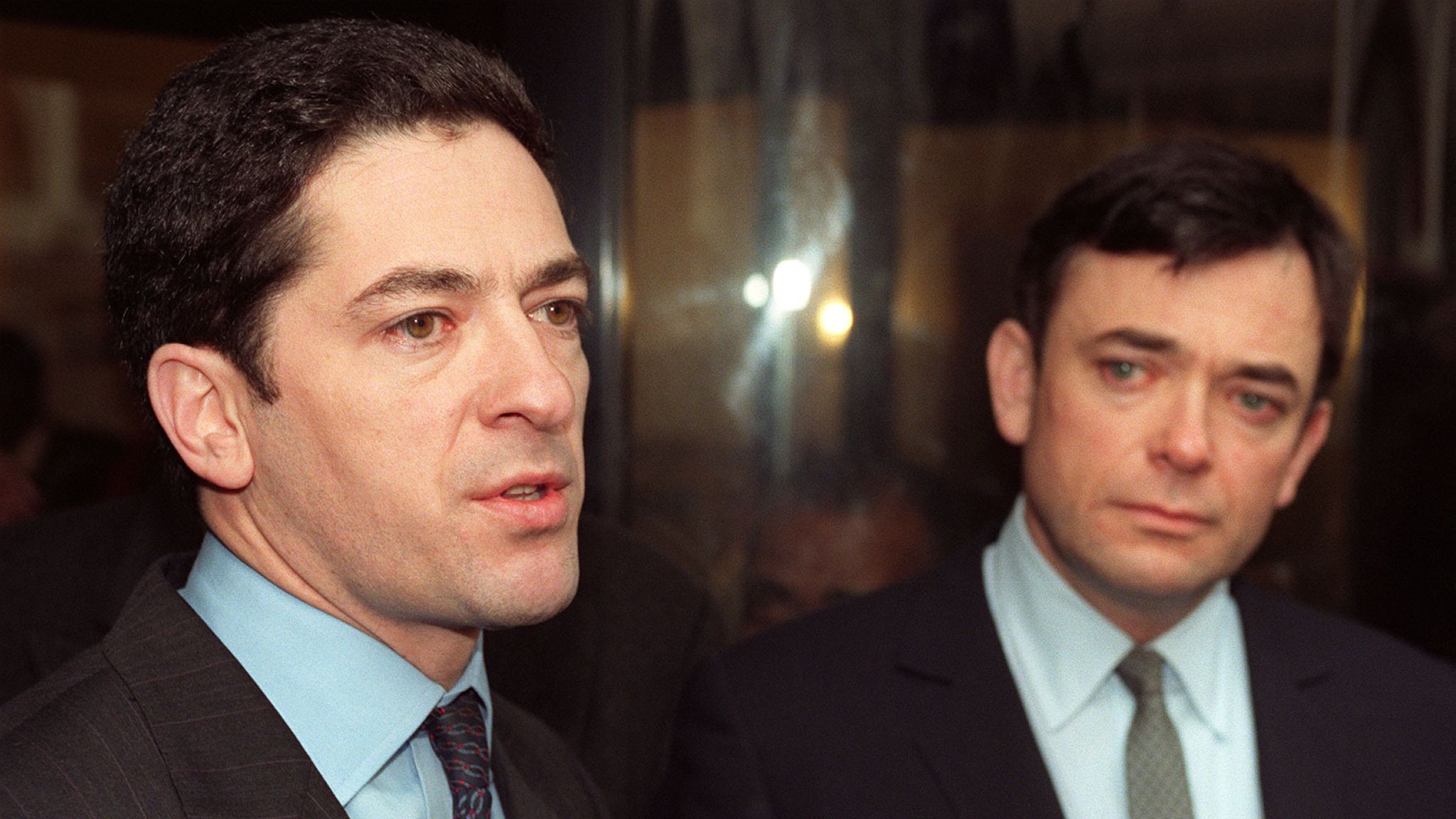
Ian and his brother Kevin were intimately involved in the fallout of their father's empire. They faced their own legal battles in the 1990s, eventually being acquitted of charges related to the misappropriation of pension funds. This shared history of legal jeopardy and public vilification forged a "bunker mentality." When Ghislaine Maxwell was arrested in July 2020, Ian did not see a defendant accused of heinous crimes; he saw a sister being subjected to the same "trial by media" that he believed had unfairly targeted his family decades earlier.
This historical context is vital. Ian’s defense of Ghislaine is rooted in a belief that the Maxwell name is perpetually under siege by institutional forces. By defending his sister, he is simultaneously defending the family legacy and his own history.
The "Maxwell Social" Campaign and Public Relations Strategy
One of the primary reasons the Ian Maxwell story remains significant is his sophisticated use of public relations to counter the legal narrative. Ian, alongside his brother Kevin, launched "Maxwell Social," a platform dedicated to providing "the facts" about Ghislaine’s case and her treatment in prison.
This was a strategic attempt to:
- Humanize the Defendant: Moving the focus from the allegations of sex trafficking to Ghislaine’s identity as a sister, friend, and woman.
- Highlight Prison Conditions: Ian was vocal about the conditions Ghislaine faced at the Metropolitan Detention Center (MDC) in Brooklyn, citing sleep deprivation and poor sanitation. This pivoted the conversation toward human rights and due process.
- Question Judicial Integrity: By framing the prosecution as a quest for a "scapegoat" in the absence of Jeffrey Epstein, Ian sought to cast doubt on the fairness of the American justice system.
This matters because it demonstrates how wealthy, well-connected individuals can utilize media platforms to create a competing narrative that persists alongside official court records. It forces a public debate on whether a defendant is receiving a fair trial or is being sacrificed to appease public anger.
Legal Advocacy and the Scapegoat Narrative
Ian Maxwell’s central argument—that Ghislaine was a "proxy" for Jeffrey Epstein—remains a cornerstone of the broader discourse surrounding the case. Following Epstein’s death in a Manhattan jail cell in 2019, the Southern District of New York (SDNY) faced immense pressure to deliver justice to the survivors.
Ian’s public commentary focused on the idea that the US government was overcompensating for its failure to prosecute Epstein. He argued that Ghislaine was being held to a standard of "guilt by association." From a legal standpoint, this story matters because it touches on the ethics of prosecution and the potential for "atmospheric" evidence—where the notoriety of a co-conspirator bleeds into the trial of the accused.
Even by 2026, legal scholars analyze Ian’s media strategy as a case study in how public advocacy can attempt to influence the "jury pool" of history, if not the actual jury in the box. His insistence that the government lacked direct evidence and relied on "tainted" witness testimony remains a point of contention in the ongoing academic review of the Maxwell trial.
Comparison of Maxwell Family Perspectives
While Ian was the most visible defender, the family was not a monolith. However, the core members remained remarkably united compared to other families embroiled in high-profile scandals.
| Family Member | Role/Stance | Primary Activity | Impact on Case Perception |
|---|---|---|---|
| Ian Maxwell | Lead Spokesperson | Media interviews, podcasts, "Maxwell Social" founder. | Provided a consistent counter-narrative to SDNY reports. |
| Kevin Maxwell | Strategic Advisor | Behind-the-scenes legal coordination and public statements. | Reinforced the image of a united family front. |
| Isabel Maxwell | Supportive Sister | Attended court proceedings, maintained social ties. | Softened the public image of Ghislaine as "isolated." |
| Robert Maxwell (Late) | Patriarchal Influence | Legacy of "bunker mentality" and media savvy. | Established the family's historical pattern of fighting authority. |
The Impact on Survivors and Public Accountability
The "Ian Maxwell story" is not without its critics, and their perspective is perhaps the most critical reason why this story matters. For the survivors of Jeffrey Epstein and Ghislaine Maxwell, Ian’s advocacy was often viewed as a form of secondary victimization or "gaslighting."
When Ian Maxwell questioned the credibility of the "victims" (a term he frequently contested, preferring "accusers"), he engaged in a tradition of defense that prioritizes family loyalty over the recognition of harm. This matters because it highlights the friction between the right to a robust defense and the dignity of survivors in the public square.
The persistence of the Maxwell family's defense serves as a reminder that in cases of systemic abuse involving high-society figures, the battle for truth continues long after the verdict. Ian’s refusal to concede his sister’s guilt, even after her conviction and the exhaustion of initial appeals, ensures that the case remains an open wound for many, preventing a sense of finality.
The Psychological Dimension: Why Sibling Loyalty Persists
The Ian Maxwell story provides a fascinating look into the psychology of extreme sibling loyalty. Psychologists often point to the "shared trauma" of the Maxwell children—growing up under a domineering and eventually disgraced father—as the glue that holds them together.
Ian’s dedication is a study in cognitive dissonance. For him to accept Ghislaine’s guilt would be to accept that the family structure he fought to preserve after 1991 was inherently flawed. This psychological necessity to believe in her innocence makes his story a compelling human drama that transcends the legal technicalities of the sex-trafficking charges. It asks the audience: How far would you go to protect your own, regardless of the evidence?
Long-Term Significance in the "Epstein Web"
Finally, Ian Maxwell’s story matters because it keeps the Jeffrey Epstein saga in the public consciousness. As long as Ian is speaking, the names of Epstein’s other associates—many of whom have never faced charges—remain part of the conversation.
Ian has occasionally pointed toward the lack of prosecution of other powerful men who were part of Epstein’s circle. While this is often a diversionary tactic for the defense, it accidentally serves the public interest by reminding the world that Ghislaine Maxwell did not operate in a vacuum. His advocacy keeps the pressure on the "system" to explain why she was the only one, besides Epstein, to face significant consequences.
Frequently Asked Questions
Why did Ian Maxwell create a website for Ghislaine?
Ian created the "Maxwell Social" platform to provide a direct channel for the family’s perspective, bypassing traditional media filters. He felt that mainstream reporting was biased and wanted a space to highlight what he called "legal irregularities" and the harsh conditions of his sister's pre-trial detention.
Has Ian Maxwell ever acknowledged the survivors' claims?
Generally, Ian Maxwell has maintained a stance of skepticism regarding the claims of the accusers. He has frequently pointed to the delayed reporting of the crimes and the financial compensation some survivors received from the Epstein Victims' Compensation Program as reasons to question their motives, a position that has been highly controversial.
What is Ian Maxwell's professional background?
Ian Maxwell is a former media executive who worked within his father's various companies, including Mirror Group Newspapers. His experience in the media industry likely contributed to his ability to manage a sophisticated PR campaign during Ghislaine's trial and subsequent appeals.
Did Ian Maxwell's advocacy help Ghislaine's legal case?
Legally, Ian's public statements had little impact on the outcome of the trial, as Ghislaine Maxwell was convicted on five of six counts. However, his advocacy was successful in keeping a counter-narrative alive in the media, which may have influenced public opinion and provided a basis for ongoing discussions about her treatment in prison and the fairness of her trial.
How does the Ian Maxwell story relate to Robert Maxwell?
The story is intrinsically linked to Robert Maxwell because the siblings' experience with their father's downfall shaped their distrust of the legal system and the media. Ian often draws parallels between the "persecution" of his father and the prosecution of his sister.
Final Perspective: Moving Beyond the Verdict
The significance of Ian Maxwell’s advocacy lies in its persistence. In 2026, the case of Ghislaine Maxwell is no longer just a criminal matter; it is a historical landmark. Ian’s role ensures that the narrative remains contested. For some, he is a loyal brother standing against a vengeful system; for others, he is the final architect of a family's denial.
His story forces us to grapple with uncomfortable questions about the limits of loyalty and the power of a well-funded narrative. As we continue to examine the Epstein era, Ian Maxwell’s voice remains a necessary, if controversial, part of the record, reminding us that the truth in such cases is often buried under layers of family history and institutional pride.
Image Gallery