What the COVID-19 Breakout Means: Assessing Long-Term Global Impacts in 2026
In 2026, the COVID-19 breakout is recognized as the definitive catalyst for the transition from a pandemic to a managed endemic state. It signifies a fundamental shift in global health surveillance, the permanent normalization of hybri...
In 2026, the COVID-19 breakout is recognized as the definitive catalyst for the transition from a pandemic to a managed endemic state. It signifies a fundamental shift in global health surveillance, the permanent normalization of hybrid labor models, and a total restructuring of international supply chains toward localized resilience.
Contents
Understanding what the COVID-19 breakout means requires a dual perspective: a look back at the historical disruption that began in late 2019 and an analysis of how those changes have solidified into the "new normal" of 2026. While the term "breakout" is often used interchangeably with "outbreak," in a technical sense, it refers to the initial rapid escalation of cases that overwhelmed global systems. Today, that event serves as a baseline for how modern societies manage biological risks, economic volatility, and technological integration.
The Evolution from Outbreak to Endemicity
The initial COVID-19 breakout meant the end of an era of reactive public health. Before 2020, global health systems primarily operated on a "detect and respond" model for localized threats. The 2019-2020 breakout proved that in a hyper-connected world, localized threats become global realities in a matter of weeks.
As of 2026, the "meaning" of the breakout has shifted toward endemic management. SARS-CoV-2 has not disappeared; instead, it has joined the ranks of other respiratory pathogens like influenza and RSV. However, the breakout taught us that seasonal surges require a sophisticated infrastructure. This includes wastewater surveillance, which is now a standard utility in most major metropolitan areas to track viral loads before they manifest in hospital admissions.
The breakout also redefined public health communication. In 2026, the emphasis has moved away from universal mandates toward individual risk assessment. Individuals now utilize real-time local data to decide on masking or social distancing, a direct result of the literacy gained during the early years of the pandemic.
Scientific Legacy: mRNA and Genomic Sequencing
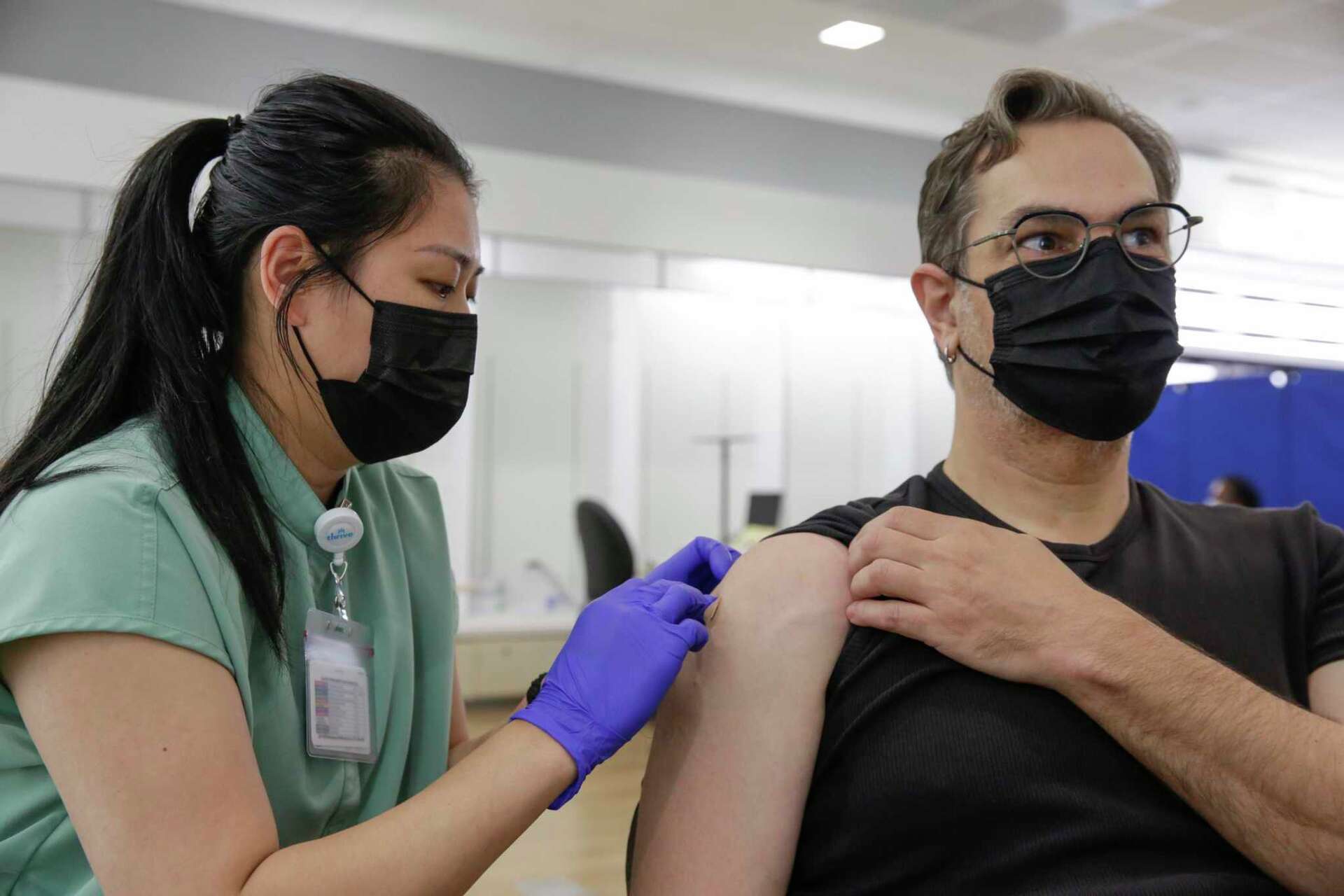
Perhaps the most significant technical meaning of the COVID-19 breakout is the acceleration of biotechnology. The urgent need for vaccines in 2020 compressed a decade of mRNA research into a single year.
In 2026, the legacy of that "breakout response" is visible across the medical field:
- mRNA Platforms: The technology used for COVID-19 vaccines is now being applied to cancer immunotherapies and universal flu vaccines.
- Genomic Surveillance: The global network established to track COVID-19 variants is now used to monitor everything from drug-resistant bacteria to emerging avian flu strains.
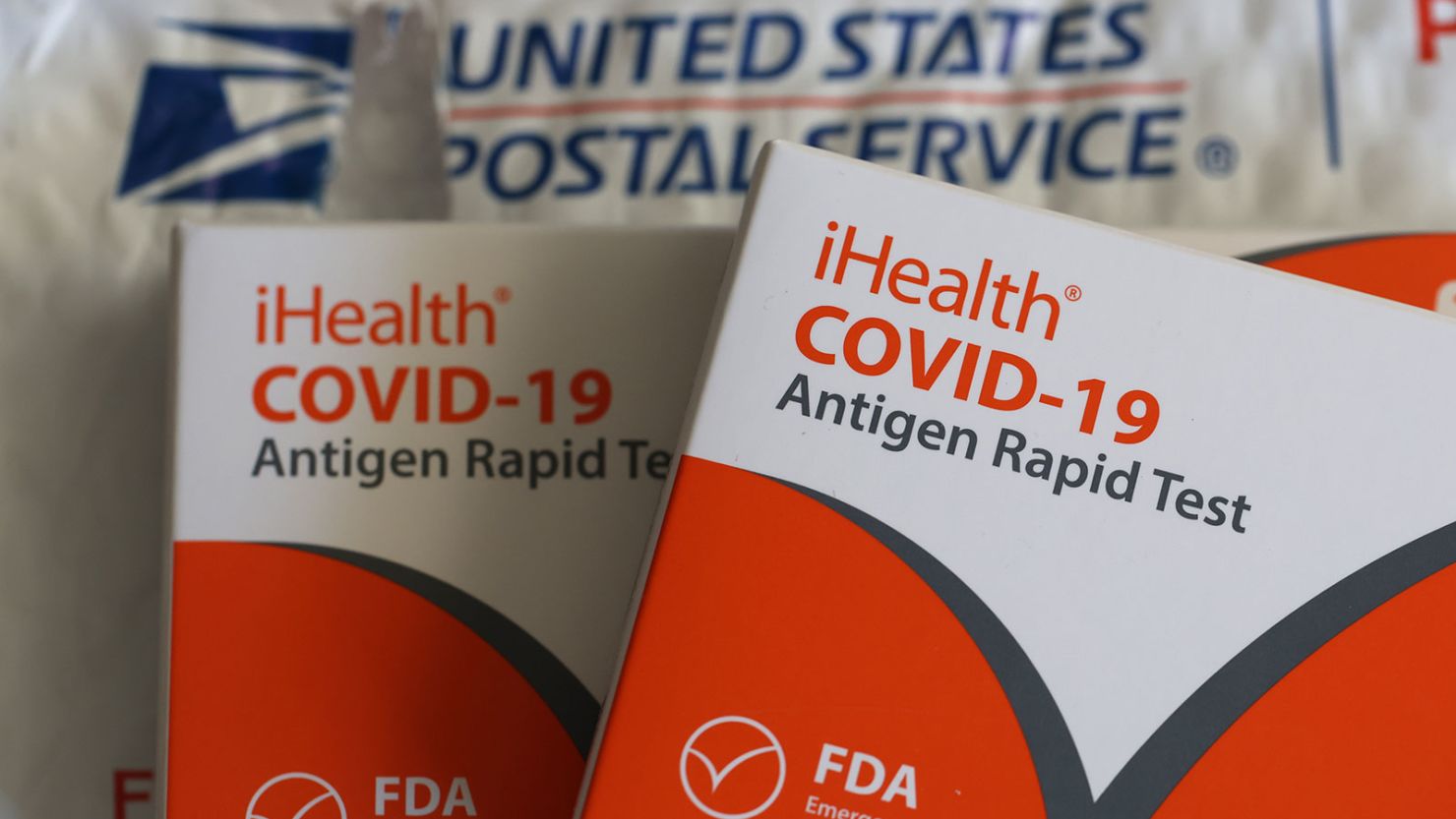
- Rapid Diagnostics: The normalization of at-home testing, which began as a necessity during the breakout, has transformed how we manage all infectious diseases, reducing the burden on primary care physicians.
According to the National Institutes of Health, these advancements have reduced the "discovery-to-deployment" timeline for new therapeutics by over 60% compared to pre-2020 benchmarks.
The Economic Meaning: Resilience Over Efficiency
For decades, the global economy was built on "just-in-time" manufacturing, which prioritized low costs and lean inventories. The COVID-19 breakout meant the sudden collapse of this model. In 2026, the economic meaning of the breakout is defined by "just-in-case" resilience.
Industries ranging from semiconductors to pharmaceuticals have shifted toward onshoring or "friend-shoring." This means manufacturing essential components closer to the point of consumption or within allied nations to prevent the total shutdowns seen in 2021 and 2022.
Furthermore, the breakout accelerated the "Digital Transformation." Businesses that survived the initial 2020-2022 period did so by adopting cloud-based operations. By 2026, these digital-first strategies are no longer competitive advantages; they are prerequisites for market entry. The economic breakout also highlighted the K-shaped recovery, where digital and tech sectors thrived while service-oriented industries faced long-term structural changes.
The Workplace Revolution: The 2026 Hybrid Norm
When the breakout forced millions into remote work, it initiated a social experiment that has permanently altered the labor market. In 2026, "what the breakout means" for the average professional is the decoupling of geography from employment.
The current labor landscape is characterized by:
- The Hybrid Standard: Most corporate roles now operate on a 2-3 day office week, with the remaining days spent remotely. This has led to a reimagining of office spaces as "collaboration hubs" rather than rows of cubicles.
- Urban Decentralization: The ability to work remotely has sustained the growth of secondary and tertiary cities, as workers seek lower costs of living without sacrificing career opportunities.
- Wellness Integration: Mental health and burnout, which reached a breaking point during the pandemic surges, are now central pillars of human resources policies.
Comparison of Pandemic Phases: 2020 vs. 2026
To understand the current status of the virus and its societal impact, it is helpful to compare the initial breakout phase with the 2026 endemic reality.
| Feature | Breakout Phase (2020–2022) | Endemic Phase (2026) |
|---|---|---|
| Primary Goal | Containment and Eradication | Mitigation and Stabilization |
| Vaccination | Mass emergency campaigns | Routine seasonal updates |
| Travel | Border closures and quarantines | Standardized health digital IDs (in some regions) |
| Healthcare | Overwhelmed ICUs/Elective delays | Integrated respiratory care units |
| Workplace | Emergency Remote Work | Permanent Hybrid/Flexible Models |
| Supply Chain | Critical shortages (PPE, chips) | Diversified and localized networks |
Social and Psychological Legacies
The COVID-19 breakout meant a collective trauma that redefined social interaction. In 2026, we see the long-term effects in the "loneliness epidemic" and the increased reliance on digital social platforms. Conversely, it also fostered a greater appreciation for essential workers and community support systems.
The breakout also solidified the importance of Long COVID research. As of 2026, post-viral syndromes are a major focus of clinical medicine, leading to breakthroughs in understanding chronic fatigue syndrome (ME/CFS) and other autoimmune responses. The breakout meant that millions of people living with chronic illness finally received the research funding and medical attention that had been lacking for decades.
Current Protocols and Troubleshooting for 2026
While the "breakout" is a historical event, localized surges still occur. Managing these in 2026 involves a specific set of actions:
- Verification of Immunity: Ensure your seasonal booster is up to date. Most 2026 formulations are bivalent, covering the most recent Omicron descendants and emerging lineages.
- Ventilation Standards: Verify that your workplace or school adheres to the 2024 updated MERV-13 filtration standards, which were a direct policy outcome of the breakout.
- Testing Protocol: Use high-sensitivity rapid antigen tests (RATs) at the first sign of symptoms. In 2026, these tests often include a secondary line for Influenza A/B.
- Travel Requirements: Check the World Health Organization dashboard for any localized "Hot Zone" advisories before international travel, though broad lockdowns are no longer practiced.
Frequently Asked Questions
Does "the covid breakout" mean we are still in a pandemic?
No. By 2026, the World Health Organization and national health agencies have reclassified COVID-19 as an endemic virus. This means that while the virus is constantly present in the population, it no longer causes the unpredictable, massive "breakouts" that overwhelm healthcare systems globally. The initial breakout was a transitionary period from a novel virus to a known pathogen.
What should I do if a new "breakout" occurs in my city?
In 2026, a localized breakout is managed with precision. Follow local health department guidance, which usually involves temporary indoor masking recommendations and increased testing. Because a large percentage of the population has "hybrid immunity" (from both vaccination and prior infection), these surges are significantly less lethal than those in 2020.
Has the 2020 breakout changed travel forever?
Yes, but largely in terms of infrastructure. The breakout led to the permanent installation of touchless technology in airports and improved air filtration in cabins. While vaccine passports are no longer required for most domestic travel, many international destinations still require digital proof of seasonal vaccination or a recent negative test.
What did the breakout mean for education?
The breakout meant a permanent shift toward "blended learning." In 2026, even primary schools have "digital snow days" where learning continues remotely during weather events or local health surges. It also exposed the digital divide, leading to significant 2025-2026 government subsidies for universal broadband in rural and underserved areas.
Is Long COVID still a concern in 2026?
Yes. The 2020 breakout meant that a significant portion of the population developed long-term symptoms. In 2026, Long COVID is treated as a specialized chronic condition. Research into its mechanisms has actually helped doctors treat other post-viral conditions, making it a major, though difficult, area of medical advancement.
Practical Recommendation
To navigate the post-breakout world of 2026, individuals should focus on health literacy and digital resilience. The breakout proved that information is as critical as medicine. Stay informed through reputable sources like the Centers for Disease Control and Prevention, maintain a flexible professional skill set that allows for remote work, and ensure your home is equipped with basic diagnostic tools. The breakout was a lesson in preparedness; 2026 is the era of applying those lessons to ensure long-term stability and health.
Image Gallery