Understanding Medicare Qualifications and Eligibility Requirements for 2026
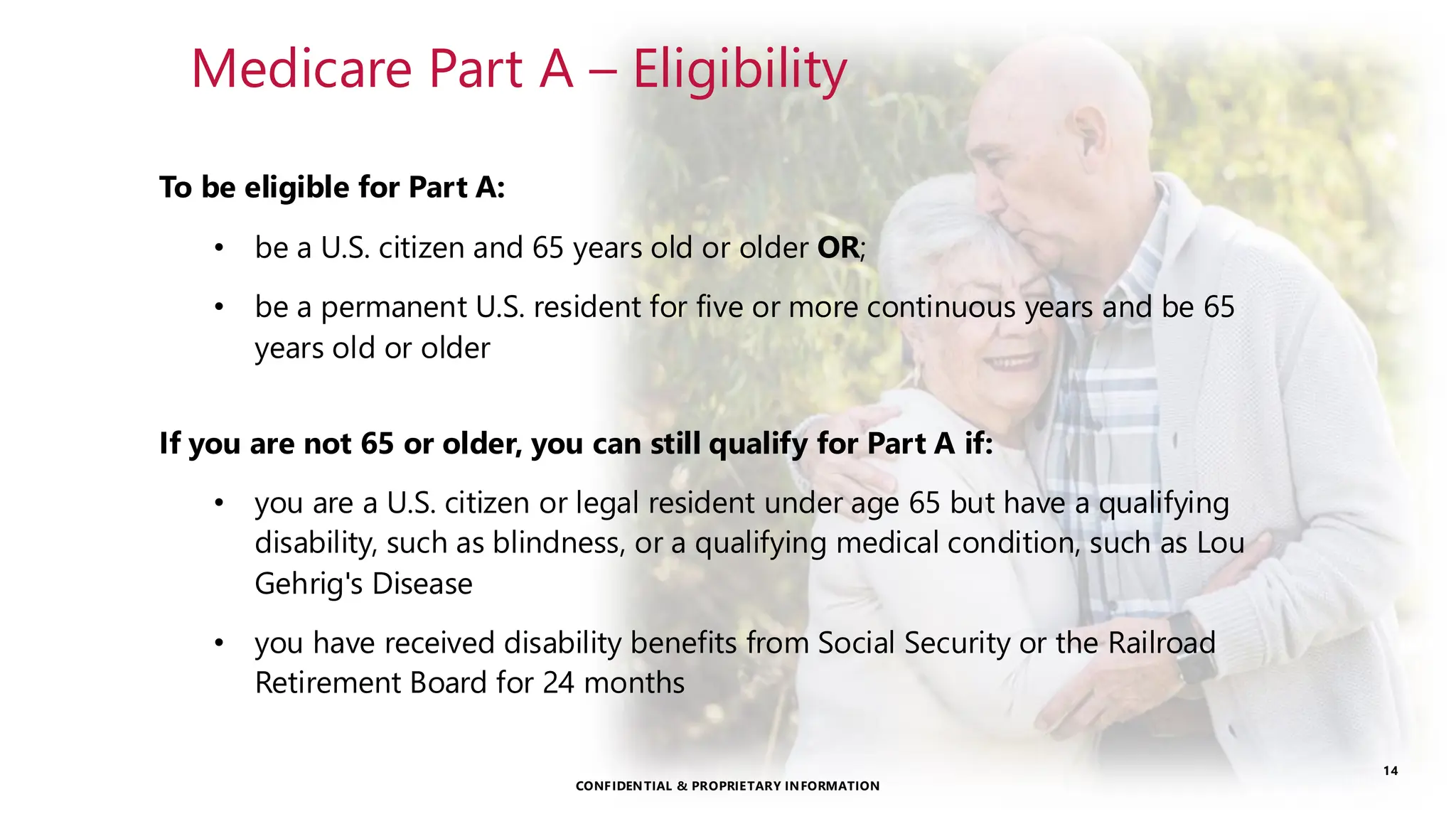
To qualify for Medicare in 2026, you must generally be age 65 or older and a U.S. citizen or permanent legal resident who has lived in the U.S. for at least five continuous years. Younger individuals may also qualify if they have recei...
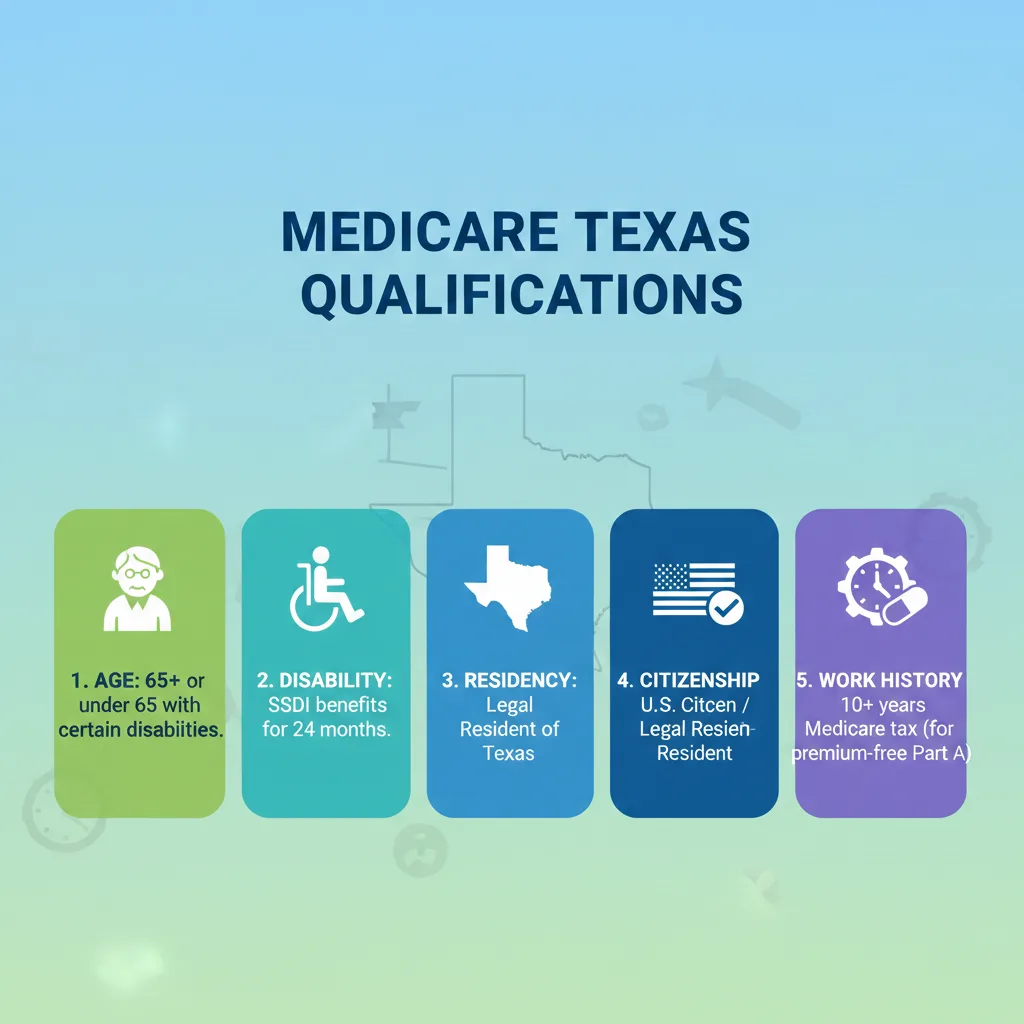
To qualify for Medicare in 2026, you must generally be age 65 or older and a U.S. citizen or permanent legal resident who has lived in the U.S. for at least five continuous years. Younger individuals may also qualify if they have received Social Security Disability Insurance (SSDI) for 24 months, have End-Stage Renal Disease (ESRD), or have Amyotrophic Lateral Sclerosis (ALS).
Contents
Core Eligibility Pathways for Medicare Enrollment
Medicare eligibility is fundamentally tied to work history and age, though specific health conditions create exceptions to these standard rules. The Social Security Administration (SSA) manages the enrollment process for those aging into the system. Understanding your pathway is the first step in ensuring coverage continuity as you approach 2026.
Standard Age-Based Eligibility If you are approaching your 65th birthday, you are eligible to enroll during your Initial Enrollment Period (IEP). This is a seven-month window that begins three months before the month you turn 65, includes your birth month, and ends three months after. Failure to enroll during this period—unless you have "creditable coverage" through an employer—may result in lifelong late enrollment penalties for Part B and Part D.
Disability-Based Eligibility The program extends coverage to individuals under 65 who meet specific medical and financial criteria:
- Social Security Disability Insurance (SSDI): You become eligible for Medicare automatically after receiving SSDI benefits for 24 months.
- End-Stage Renal Disease (ESRD): Individuals requiring regular dialysis or a kidney transplant may qualify for Medicare regardless of age, provided they meet specific work-history requirements or are a dependent of someone who does.
- Amyotrophic Lateral Sclerosis (ALS): Diagnosis of ALS provides immediate eligibility for Medicare benefits, bypassing the standard 24-month waiting period applied to other disabilities.
Financial and Administrative Prerequisites
Beyond age and health status, your citizenship and residency history dictate your enrollment rights. You must be a U.S. citizen or a permanent resident (Green Card holder) who has lived in the United States for at least five consecutive years immediately preceding the month of your application.
Legal Residency and Documentation To confirm your status, the Social Security Administration requires valid documentation. Permanent residents must demonstrate their residency status through official United States Citizenship and Immigration Services (USCIS) documents. Temporary visas, such as tourist or student visas, do not satisfy the legal residency requirement for Medicare participation.
Technical Comparison of Medicare Coverage Parts
When navigating your qualifications, it is essential to distinguish between the components of the Medicare program. Each part addresses a specific aspect of healthcare, and your eligibility for one may vary based on your plan choice.
| Medicare Part | Scope of Coverage | Primary Qualification Requirement |
|---|---|---|
| Part A | Hospital Insurance | Age 65+ or qualifying disability; 40 quarters of Medicare tax payment. |
| Part B | Medical Insurance | Mandatory monthly premium; age 65+ or qualifying disability. |
| Part C | Medicare Advantage | Must be enrolled in Part A and Part B; must live in the plan service area. |
| Part D | Prescription Drug Coverage | Must be enrolled in Part A or Part B; must live in the plan service area. |
The Impact of Work History on Part A Premiums
Most Americans qualify for premium-free Part A because they or their spouse worked and paid Medicare taxes for at least 40 calendar quarters (10 years). If you do not meet the 40-quarter threshold, you may still qualify for Part A by paying a monthly premium. In 2026, the specific premium amounts are subject to annual adjustments by the Centers for Medicare & Medicaid Services (CMS). Always verify your "earnings record" via your mySocialSecurity account to determine if you are eligible for premium-free status.
Enrollment Traps and How to Avoid Them
Many beneficiaries mistakenly believe that Medicare is automatic at 65. While it is for those already receiving Social Security retirement benefits, individuals who have delayed their retirement must proactively apply.
- The Employer Coverage Trap: If you continue working past 65 and have group health insurance, verify if your employer's plan is considered "creditable." If your plan has fewer than 20 employees, Medicare is often the primary payer, and failing to enroll can leave you with significant out-of-pocket costs if a health event occurs.
- COBRA Misconceptions: COBRA is not considered "creditable coverage" by the Social Security Administration for the purpose of avoiding Medicare Part B late enrollment penalties. If you are on COBRA, you must enroll in Medicare during your IEP to avoid lifetime surcharges.
- Special Enrollment Period (SEP): If you miss your IEP, you may qualify for an SEP if you were covered under a group health plan based on your own or a spouse's current employment. This allows you to sign up without penalty within eight months of losing that coverage.
Frequently Asked Questions (FAQ)
Can I get Medicare if I am a non-citizen? Yes, if you are a permanent legal resident who has lived in the United States for at least five continuous years. You must also meet the age or disability requirements for standard eligibility.
Do I have to pay for Medicare Part A if I didn't work for 10 years? You may be required to pay a monthly premium for Part A if you or your spouse did not pay enough Medicare taxes during your working years. You should consult the Social Security Administration to determine your specific premium obligation.
How does my spouse's work history affect my Medicare eligibility? If you do not have enough work credits to qualify for premium-free Part A on your own, you can qualify based on the work history of your current, former, or deceased spouse, provided you were married for at least one year.
Does Medicare Advantage replace my Original Medicare eligibility? No. Medicare Advantage (Part C) is an alternative way to receive your Medicare benefits, but you must remain enrolled in Part A and Part B to qualify for a Medicare Advantage plan.
What happens if I have an HSA and enroll in Medicare? Once you enroll in any part of Medicare, you can no longer contribute funds to a Health Savings Account (HSA). It is generally recommended to stop contributions at least six months before applying for Medicare to avoid tax complications.
Strategic Recommendations for Prospective Enrollees
If you are approaching age 65 or a qualifying disability milestone in 2026, audit your current insurance status immediately. Contact the Social Security Administration at least four months before your eligibility date to confirm your work credits. If you are currently employed, consult your Human Resources department to clarify how your employer coverage interacts with Medicare. For those managing chronic conditions like ESRD, work closely with your medical team to ensure that your facility is contracted with your intended Medicare Advantage plan, as network restrictions can significantly impact your access to care.
Image Gallery