The Complex Legacy of Elvis Presley and Colonel Tom Parker: A Partnership of Triumph and Control
The partnership between Elvis Presley and his manager, Colonel Tom Parker, lasted from 1955 until Presley’s death in 1977. While Parker transformed Elvis into a global icon and secured unprecedented financial deals, the relationship wa...
The partnership between Elvis Presley and his manager, Colonel Tom Parker, lasted from 1955 until Presley’s death in 1977. While Parker transformed Elvis into a global icon and secured unprecedented financial deals, the relationship was defined by a controversial 50% commission rate and Parker’s refusal to allow international touring due to his own status as an undocumented immigrant.
Contents
The Genesis of the "Snowman" and the Star
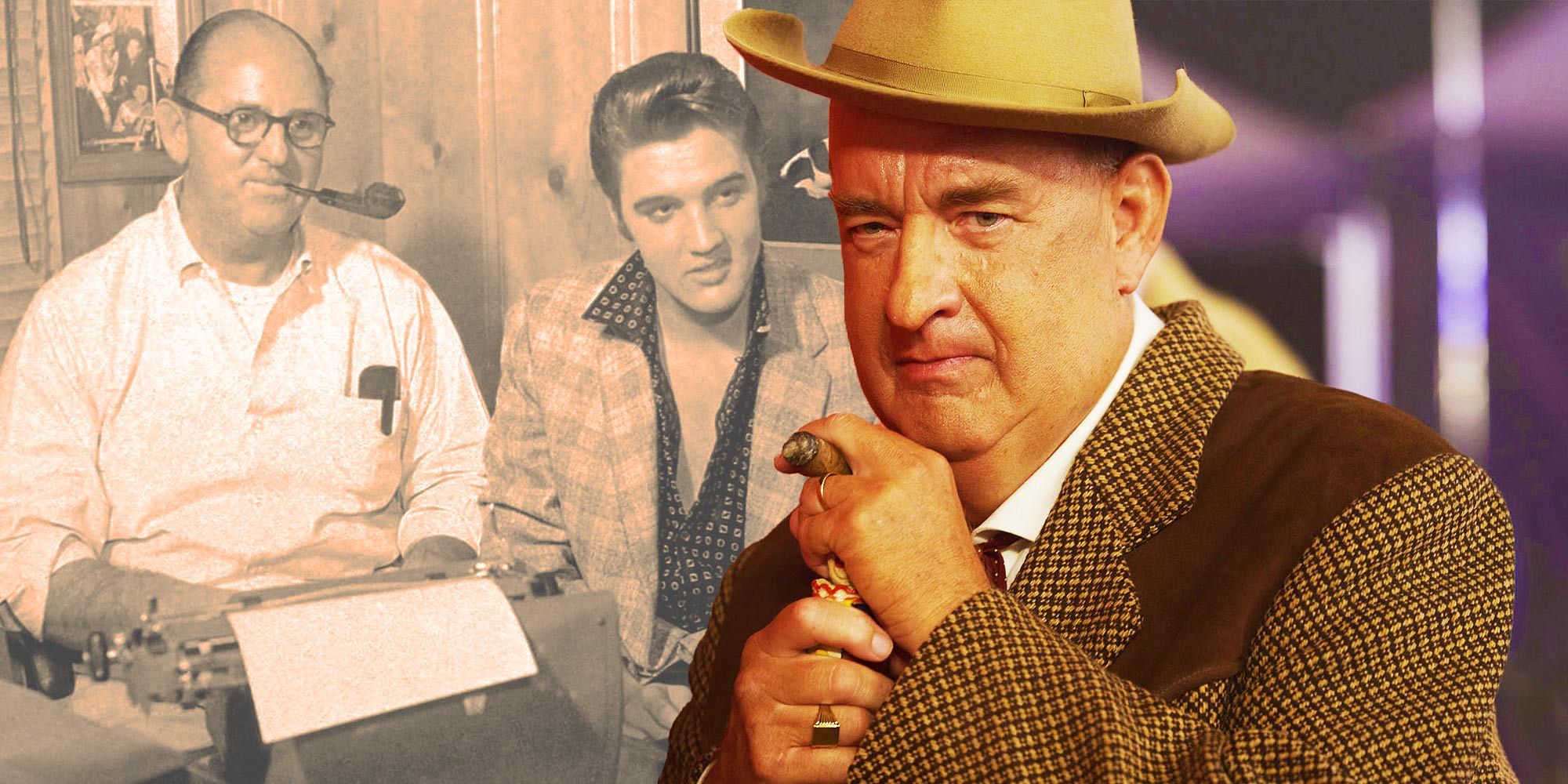
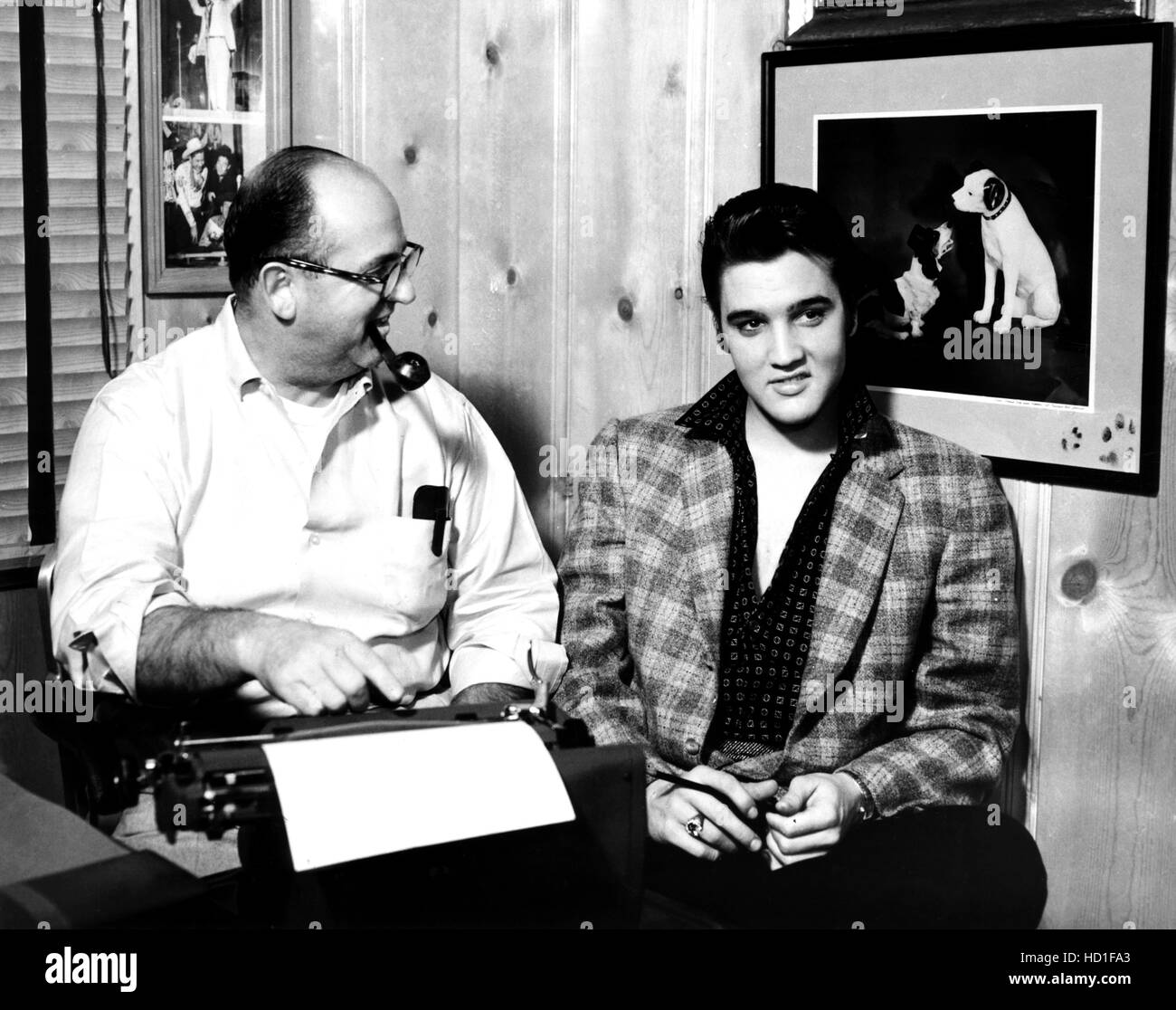
The professional union between Elvis Presley and Andreas Cornelis van Kuijk—better known by his self-invented moniker, Colonel Tom Parker—began in the mid-1950s. At the time, Elvis was a rising sensation on the Sun Records label under the management of Bob Neal. Parker, a former carnival promoter with a keen eye for "the sell," recognized that Elvis was not just a singer but a revolutionary cultural commodity.
In 1955, Parker began positioning himself as a "special advisor" before officially taking over management in 1956. His first major move was orchestrating the buyout of Elvis’s contract from Sun Records' Sam Phillips. The price was $35,000, a staggering sum for a new artist in 1955, plus a $5,000 signing bonus for Elvis. This move to RCA Victor provided the distribution and marketing muscle required to turn a regional "hillbilly cat" into a national phenomenon. Parker’s carnival background influenced his management style, often referred to as "The Snowman" technique—the art of keeping the mark happy while maximizing the take.
The Financial Mechanics of the 50/50 Split
Standard talent management fees in the mid-20th century typically ranged from 10% to 20%. However, the relationship between Elvis and the Colonel was fundamentally different. By 1967, Parker had negotiated a contract that entitled him to 50% of Elvis’s earnings across various revenue streams. This arrangement was justified by Parker under the guise that he and Elvis were equal partners in a joint venture, rather than a traditional manager-client relationship.
This structure became increasingly exploitative as the years progressed. Parker’s control extended to "Elvis Presley Enterprises," where he controlled merchandising rights. In a legendary display of marketing pragmatism, Parker even authorized the production of "I Hate Elvis" buttons to ensure he profited even from those who despised his client. By 2026, music historians and legal analysts continue to cite this contract as a cautionary tale of artist-manager power imbalances. The 50% cut, combined with Parker’s gambling debts in Las Vegas, often drove the manager to prioritize immediate cash-flow opportunities—such as grueling tour schedules and repetitive film roles—over Presley’s long-term artistic growth.
The Hollywood Years and the "Presley Formula"
Throughout the 1960s, Parker shifted Elvis’s career away from live performance and toward motion pictures. While the early films like King Creole showed Elvis’s potential as a serious actor, Parker quickly realized that formulaic musical comedies were more profitable and easier to produce. This gave rise to the "Elvis movie," characterized by thin plots, a dozen mediocre songs, and high box-office returns.
Parker’s strategy was to minimize risk and maximize the "Colonel’s" leverage. By signing multi-picture deals with studios like MGM and Paramount, Parker ensured a steady stream of income that required no touring expenses. However, this period led to significant artistic stagnation for Elvis. He felt trapped by the repetitive scripts and the lack of creative challenge. Parker’s refusal to let Elvis accept more prestigious roles—most notably the lead in the 1976 remake of A Star Is Born alongside Barbra Streisand—was a direct result of Parker’s insistence on top billing and an exorbitant salary that the production could not satisfy.
Why Elvis Never Toured Internationally
One of the most enduring mysteries of Elvis's career during his lifetime was his failure to perform outside of North America (with the exception of three shows in Canada in 1957). Given his global popularity, international tours in the UK, Europe, and Japan would have been incredibly lucrative. The reason for this restriction was not Elvis’s preference, but Parker’s secret.
Colonel Tom Parker was an undocumented immigrant. Born in the Netherlands as Andreas Cornelis van Kuijk, he had entered the United States illegally in his youth and never obtained legal residency or a U.S. passport. Had he traveled abroad with Elvis, he would have likely been denied re-entry into the United States. To protect his own status and maintain his total control over Elvis, Parker consistently turned down multimillion-dollar international offers, often citing "security concerns" or "inadequate venues" as excuses to his client.
Comparing Managerial Impact: Control vs. Growth
| Feature | Colonel Tom Parker's Approach | Standard Industry Impact (1950s-70s) |
|---|---|---|
| Management Fee | 25% to 50% (post-1967) | 10% to 20% |
| Creative Input | High control over song selection and film scripts | Usually limited to business and branding |
| Merchandising | Pioneered massive-scale artist branding | Minimal or outsourced to third parties |
| Touring Strategy | Strictly domestic (USA/Canada) to protect his legal status | Global reach to maximize international fanbases |
| Film Career | Prioritized high-volume, low-quality musical comedies | Focused on building a credible acting portfolio |
| Contract Loyalty | Lifelong exclusivity until Presley's death | Often involved periodic renegotiations or changes |
The 1968 Comeback and the Las Vegas Residency
By the late 1960s, Elvis’s relevance was waning in the face of the British Invasion and the psychedelic rock movement. Parker originally envisioned the 1968 NBC television special as a traditional Christmas show where Elvis would sing carols in a tuxedo. It was the director, Steve Binder, who pushed for the leather-clad, high-energy performance that became the "Comeback Special."
Following the success of the special, Parker negotiated a residency at the International Hotel in Las Vegas. While initially a massive success that restored Elvis’s status as a premier live performer, the residency eventually became a gilded cage. To settle his own mounting gambling debts at the Hilton (which bought the International), Parker reportedly committed Elvis to increasingly long and frequent engagements. This relentless schedule contributed to Elvis’s declining health and his reliance on prescription medication to manage the physical and mental toll of performing.
Post-1977 Legal Investigations and Legacy
Following Elvis’s death in August 1977, the true extent of Parker’s financial dealings came to light. In 1980, Judge Joseph Evans appointed attorney Blanchard Tual to investigate Parker’s management of the estate on behalf of a young Lisa Marie Presley. The investigation revealed that Parker had been "unethical" and "overreaching."
The court found that Parker had failed to register many of Elvis’s songs for royalties and had sold off the performer’s back catalog of master recordings to RCA for a fraction of their value in 1973. This settlement resulted in Parker being removed from any further involvement with the estate’s earnings. Despite the legal battles, Parker remained a polarizing figure until his death in 1997, with some viewing him as a marketing genius who built the King of Rock and Roll, and others as a parasitic figure who stifled a great artist for personal gain.
Frequently Asked Questions
Was Colonel Tom Parker actually a Colonel?
No, he was not a military colonel. The title was an honorary one bestowed upon him in 1948 by Governor Jimmie Davis of Louisiana. Parker had served in the U.S. Army in his youth but went AWOL and was eventually discharged following a mental breakdown. He used the honorary title to project an image of authority and Southern prestige.
Why did Elvis stay with Parker if the commission was so high?
Elvis was notoriously loyal and often avoided the business side of his career entirely. He viewed Parker as the man who had brought him out of poverty and made him a star. Additionally, Parker had fostered a sense of dependency, making Elvis believe that no other manager could handle the complexities of his "super-stardom."
Did the Colonel attend Elvis’s funeral?
Yes, Parker attended the funeral at Graceland, but his behavior was noted as unusually business-like. He notably wore a Hawaiian shirt and a baseball cap rather than traditional mourning attire and spent much of the time convincing Elvis’s father, Vernon Presley, to sign over control of various business interests to him immediately.
What happened to the 50% commission after Elvis died?
The 50% commission continued for several years after 1977 until the 1980 legal investigation initiated by the probate court. The resulting settlement in 1983 effectively ended Parker’s claim to half of the estate’s income and forced him to turn over his files on Elvis to the estate.
How did Parker’s gambling affect Elvis?
Parker was a heavy gambler, often losing millions of dollars at Las Vegas casinos. Historians believe his debts gave the casinos significant leverage over him, which he in turn used to force Elvis into repetitive residencies. This cycle ensured the casinos were paid, Parker’s debts were managed, and Elvis remained working despite his deteriorating health.
Recommendation for Further Study
For those interested in the complexities of artist management and entertainment law, the relationship between Elvis and Parker serves as the primary case study for "total control" management. To understand the full scope of their professional history, researchers should consult the detailed biographies by Peter Guralnick, particularly Last Train to Memphis and Careless Love, which provide the most factual, documented account of the partnership. Understanding this dynamic is essential for any modern artist seeking to balance commercial success with creative autonomy.
Image Gallery