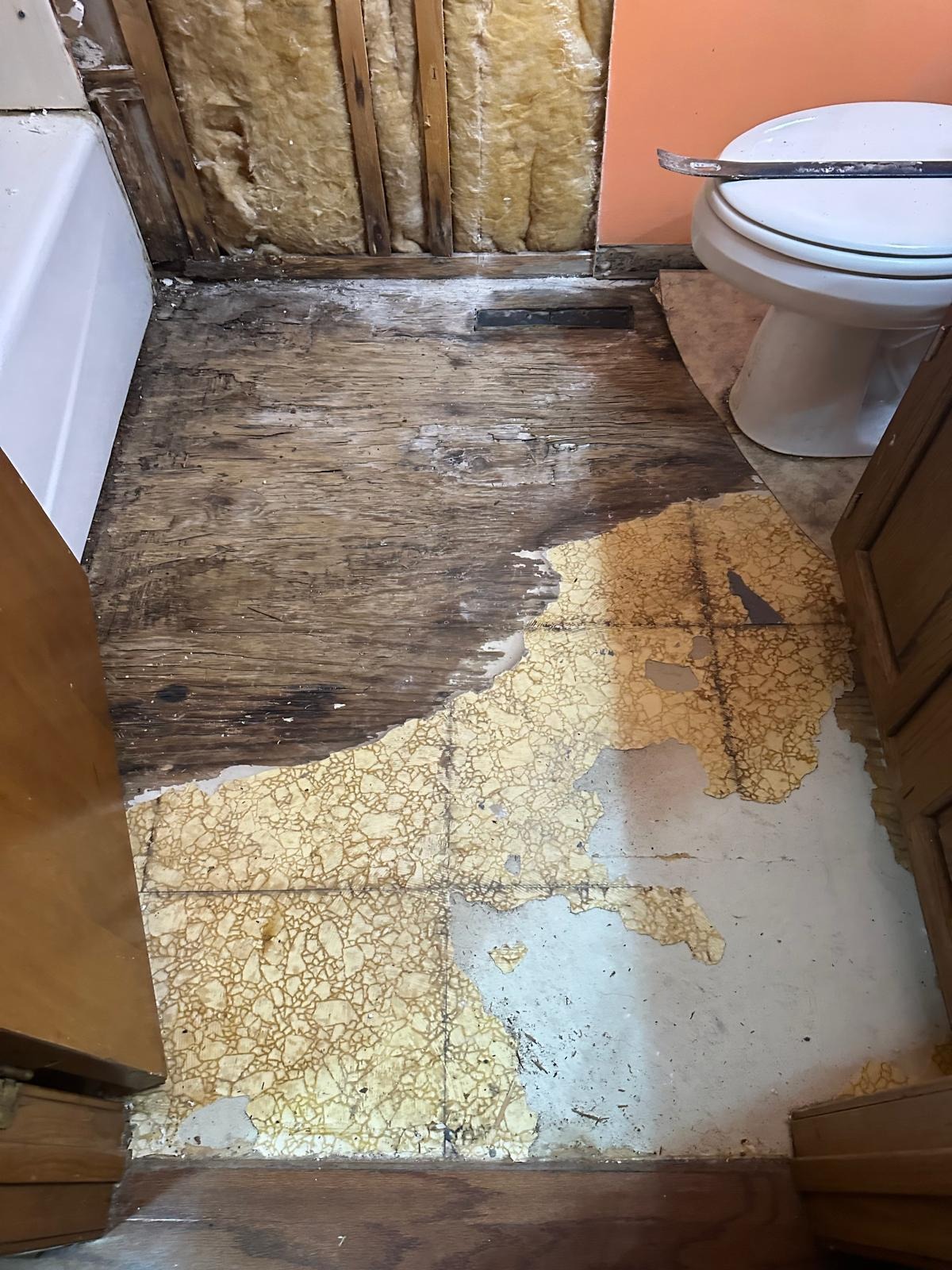
J and S Mold Remediation Smithtown: Current Practices and Ongoing Debates
J and S Mold Remediation in Smithtown operates within a complex regulatory and technical framework governing residential and commercial environmental safety. Providing mold remediation services in this region requires adherence to indu...
J and S Mold Remediation in Smithtown operates within a complex regulatory and technical framework governing residential and commercial environmental safety. Providing mold remediation services in this region requires adherence to industry-standard protocols—such as those defined by the IICRC S520—while navigating regional environmental factors and the evolving debate between containment-heavy strategies and newer, high-efficiency mechanical removal techniques.
Contents
Core Remediation Methodologies in Smithtown
Mold remediation is not merely the act of "killing" or "bleaching" mold. Professional services in Smithtown, including those provided by firms like J and S, must follow a systematic approach centered on moisture control and source removal. The primary objective is to return the indoor environment to a condition where mold spores are at levels comparable to the outdoor air.
The standard operational procedure involves several critical stages:
- Assessment and Testing: Before any physical intervention, professionals identify the moisture source. Without stopping the water intrusion—whether from a leaky Smithtown roof, basement flooding, or condensation in HVAC systems—remediation is temporary.
- Containment: To prevent the cross-contamination of unaffected areas of a building, technicians establish negative air pressure zones. This ensures that mold spores dislodged during cleaning are captured by HEPA-filtered air scrubbers rather than circulating through the home.
- HEPA Vacuuming and Cleaning: Porous materials that are heavily infested are typically removed and disposed of as construction debris. Non-porous materials are HEPA-vacuumed and treated with antimicrobial solutions specifically formulated for fungal growth.
The Debate Over Remediation Practices
As of 2026, the industry remains divided on several key practices that directly influence how remediation is conducted.
1. The "Kill vs. Remove" Dilemma
A long-standing debate exists regarding whether chemical biocides are necessary. Some traditionalist schools of thought advocate for the application of fungicides to "neutralize" remaining spores. However, many modern building scientists argue that "dead" mold remains an allergen and an irritant. Therefore, the current best-practice standard prioritizes mechanical removal (sanding, scraping, and HEPA vacuuming) over chemical treatment, arguing that if you remove the physical mass of the mold, you remove the hazard regardless of whether the spores are viable.
2. Encapsulation Strategies
Encapsulation involves applying a specialized sealant over surfaces—typically wooden framing—after the mold has been removed. Proponents argue this creates a moisture-resistant barrier that inhibits future colonization. Critics point out that if the underlying moisture issue is not perfectly resolved, encapsulation can trap moisture inside the wood, accelerating structural rot while masking the mold's growth from initial inspections.
3. Air Scrubbing Efficacy
There is ongoing discourse regarding the density and placement of air scrubbers. While industry guidelines require high air exchange rates, the debate persists about the trade-off between the noise and energy consumption of industrial-grade equipment versus the measurable improvement in indoor air quality (IAQ) tests conducted post-remediation.
Regional Considerations for Smithtown Properties
Properties in Smithtown face specific environmental challenges. The climate on Long Island, characterized by humid summers and fluctuating seasonal moisture, creates a prime environment for fungal growth, particularly in crawl spaces and basements.
Firms like J and S often find that Smithtown homes—many of which are older, residential structures—lack the modern vapor barriers required to isolate living spaces from the earth. Consequently, remediation in this area is rarely a standalone task; it is frequently linked to broader basement waterproofing projects and moisture control installations, such as high-capacity dehumidification systems.
Professional Standards and Certification
The remediation industry relies on voluntary yet rigorous certifications to establish credibility. Property owners seeking services in Smithtown should verify that their contractors adhere to the IICRC (Institute of Inspection, Cleaning and Restoration Certification) S520 Standard for Professional Mold Remediation.
| Practice | Primary Benefit | Potential Limitation |
|---|---|---|
| HEPA Vacuuming | Physically removes spores from surfaces. | Requires specialized equipment and training. |
| Biocide Application | Rapidly kills surface-level fungi. | Does not address the remaining protein allergens. |
| Encapsulation | Provides an aesthetic and moisture-resistant finish. | Can hide underlying water damage if done incorrectly. |
| Negative Air Pressure | Protects non-affected areas during work. | Increases the complexity and time required for setup. |
Navigating Professional Verification
When hiring for remediation services, property owners should ask specific technical questions to distinguish professional firms from general contractors.
- What documentation is provided post-remediation? A professional should provide a scope of work, a post-remediation verification (PRV) report, and, ideally, third-party air sampling results.
- Are you utilizing a third-party environmental hygienist? Using an independent party to verify that the mold has been successfully removed prevents a conflict of interest, as the party performing the cleaning should not be the same party clearing the job.
Common Misconceptions Regarding Mold Remediation
One common error among property owners is the reliance on bleach. While bleach is effective at whitening surfaces, it is generally ineffective at killing mold on porous materials like drywall or wood. The chlorine in bleach cannot penetrate the porous surface to reach the "roots" of the mold (the hyphae), often leaving the underlying colony intact while causing potential damage to the substrate itself. Furthermore, the high water content of bleach solutions may actually provide the moisture required for the mold to rebound.
Another misconception is that remediation can be effectively performed as a DIY project. While small, localized areas (less than 10 square feet) can often be managed by property owners with standard safety equipment (P100 respirators, gloves, and eye protection), larger infestations require professional containment protocols. Attempting to scrub large areas of mold without proper negative pressure containment will almost certainly result in the contamination of the entire HVAC system and adjacent rooms.
FAQ: Addressing Mold Remediation Concerns
Q: Do I need a professional if I only see a small amount of mold? A: If the total surface area of the mold is less than 10 square feet, the EPA suggests that you can likely manage the cleaning yourself. However, if the mold is inside your HVAC system or there is a history of significant water damage, professional assessment is recommended to ensure no hidden colonies exist.
Q: Why does the mold return after I clean it? A: Mold growth is a symptom of a moisture problem. If you only clean the surface but fail to address the plumbing leak, condensation issue, or high humidity, the mold will inevitably return because the environmental conditions remain optimal for fungal germination.
Q: Is testing necessary before and after remediation? A: While not always legally required in residential settings, third-party testing is highly recommended. Pre-testing helps define the scope of the project, and post-testing serves as verification that the professional has met the required standards for air quality.
Q: How long does the remediation process usually take? A: The timeline depends on the extent of the infestation. Simple projects might be completed in two to three days, while complex projects involving structural drying and the removal of large quantities of building materials can span several weeks.
Q: Does insurance cover mold remediation? A: Coverage varies significantly by policy. Most standard homeowners' insurance policies exclude mold remediation unless the mold is the direct result of a "covered peril," such as a sudden burst pipe. Slow leaks or maintenance-related moisture issues are generally excluded.
Next Steps for Property Owners
If you suspect a mold issue in your Smithtown property, the most critical next step is to initiate moisture mitigation. Do not attempt to paint over or "bleach" the mold, as this may mask the problem rather than solve it. Contact a qualified remediation firm to conduct a moisture inspection and provide a detailed scope of work. Always insist on third-party verification to ensure that the work performed meets safety standards and that your indoor air quality is restored.
Image Gallery