What Color Is the Negative on a Car Battery? Terminal Identification and Safety Guide
The negative terminal on a car battery is almost always black. In the standard automotive color-coding system, black signifies the negative (ground) connection, while red signifies the positive connection. To ensure accuracy, look for...
The negative terminal on a car battery is almost always black. In the standard automotive color-coding system, black signifies the negative (ground) connection, while red signifies the positive connection. To ensure accuracy, look for a minus sign (-) or the abbreviation "NEG" stamped into the lead near the terminal post.
Contents
Understanding the configuration of your vehicle's battery is more than a matter of simple observation; it is a fundamental safety requirement for anyone performing basic maintenance, such as jump-starting a dead battery or replacing an old unit. While the color-coding system is a global industry standard in 2026, relying solely on color can be risky due to aftermarket modifications, dirt, or cable replacements. This guide provides a comprehensive look at terminal identification, the physics behind the color coding, and the critical safety protocols required for modern automotive electrical systems.
The Standardized Color Coding System for Automotive Batteries
In the automotive industry, the convention of using black for negative and red for positive has been the baseline for decades. This standardization, maintained by organizations like the Battery Council International (BCI) and the Society of Automotive Engineers (SAE), ensures that technicians and consumers can identify electrical polarity across different vehicle makes and models.
Why Is Negative Black?
The choice of black for the negative terminal stems from general DC (Direct Current) electrical conventions. In a 12-volt automotive system, the negative terminal is "grounded" to the vehicle's chassis. Because the entire metal frame of the car acts as the return path for the electrical current, the negative side is considered the zero-potential or "common" side of the circuit. In many electrical contexts, black or green is used to represent ground or neutral paths.
Why Is Positive Red?
Red is universally recognized as a color for "hot" or "live" wires. The positive terminal carries the potential energy required to power the starter motor, ignition system, and electronic control units (ECUs). Using a bright, distinct color like red serves as a visual warning to handle this connection with care, as a direct short between the positive terminal and the vehicle’s grounded chassis can result in high-current sparking, fire, or battery explosion.
Beyond Color: Reliability in Identification Symbols
While colors are the most immediate visual cue, they are not the only—or even the most reliable—method for identifying battery terminals. Professional mechanics prioritize stamped markings over cable colors because cables can be replaced with non-standard parts, or the red plastic caps often found on positive terminals can be lost.
1. Stamped Symbols (+ and -)
Every automotive battery is required to have the polarity stamped directly into the lead casing or the plastic housing near the posts.
- The Minus Sign (-): This is the definitive mark for the negative terminal. It is usually recessed into the battery case.
- The Plus Sign (+): This indicates the positive terminal. It is often larger and more prominent than the minus sign.
2. Text Labels (NEG and POS)
Many battery manufacturers include textual abbreviations for added clarity.
- NEG: Short for Negative.
- POS: Short for Positive.
3. Physical Dimensions (Post Size)
A little-known fact for many car owners is that the physical size of the battery posts is different. To prevent the accidental cross-connection of cables, the positive post is slightly larger in diameter than the negative post.
- Positive Post Diameter: Approximately 17.5 mm (11/16 inch).
- Negative Post Diameter: Approximately 15.9 mm (5/8 inch).
This physical difference acts as a mechanical failsafe. If you attempt to put a negative cable clamp onto a positive post, it usually will not fit. Conversely, a positive clamp will be too loose on a negative post, alerting the user to an error.
The Importance of the "Negative Ground" System
Modern vehicles (manufactured from the mid-20th century to 2026) utilize a negative ground system. This means the negative terminal of the battery is connected directly to the engine block and the vehicle's metal frame via a heavy-gauge wire.
The Physics of Grounding
By using the chassis as a conductor, car manufacturers save miles of wiring. Instead of running two wires (positive and negative) to every lightbulb, sensor, and motor, they only need to run a single positive wire. The component then completes the circuit by touching the metal body of the car, which "drains" the electricity back to the negative terminal.
Safety Implications of Grounding
Understanding this system is why the order of operations matters during battery service. If you are using a metal wrench to loosen the negative terminal and the wrench accidentally touches the metal frame of the car, nothing happens. Both the wrench and the frame are at the same electrical potential (ground).
However, if you attempt to loosen the positive terminal first and your wrench touches any metal part of the engine or body, you create a direct short circuit. This can lead to a massive discharge of energy, potentially welding the wrench to the car, causing severe burns, or damaging the vehicle's sensitive computers.
Technical Comparison: Negative vs. Positive Terminals
| Feature | Negative Terminal (-) | Positive Terminal (+) |
|---|---|---|
| Primary Color | Black | Red |
| Standard Symbol | Minus Sign (-) | Plus Sign (+) |
| Abbreviation | NEG | POS |
| Post Diameter | 15.9 mm (Smaller) | 17.5 mm (Larger) |
| Connection Path | Vehicle Chassis / Ground | Starter / Fuse Box / Alternator |
| Removal Order | Disconnect First | Disconnect Second |
| Connection Order | Connect Last | Connect First |
Step-by-Step Guide: Safely Disconnecting a Car Battery
When it comes time to replace your battery or perform electrical repairs, following the correct sequence is non-negotiable.
1. Preparation
Ensure the engine is off and the key (or keyless fob) is away from the vehicle to prevent any automatic systems from drawing power. Wear safety glasses and gloves, as car batteries contain sulfuric acid and can emit flammable hydrogen gas.
2. Identify the Terminals
Locate the black (negative) and red (positive) terminals. Clear away any debris or corrosion using a wire brush if the symbols are obscured.
3. Loosen the Negative (Black) Terminal First
Using a 10mm wrench (the most common size for battery terminals), loosen the nut on the negative clamp. Once loose, wiggle the clamp and lift it off the post. Tuck it aside so it cannot accidentally spring back and touch the terminal. By removing the negative first, you "break" the ground connection to the entire car, making it safe to work on the positive side.
4. Loosen the Positive (Red) Terminal
Now that the ground is disconnected, you can safely remove the positive cable. Even if your wrench touches the car frame now, a circuit cannot be completed because the negative path to the battery is gone.
5. Installation
When installing a new battery, reverse the order. Connect the Positive (Red) cable first, then the Negative (Black) cable last. This minimizes the window of time where a stray tool could cause a short circuit.
Dealing with Obscured or Corroded Terminals
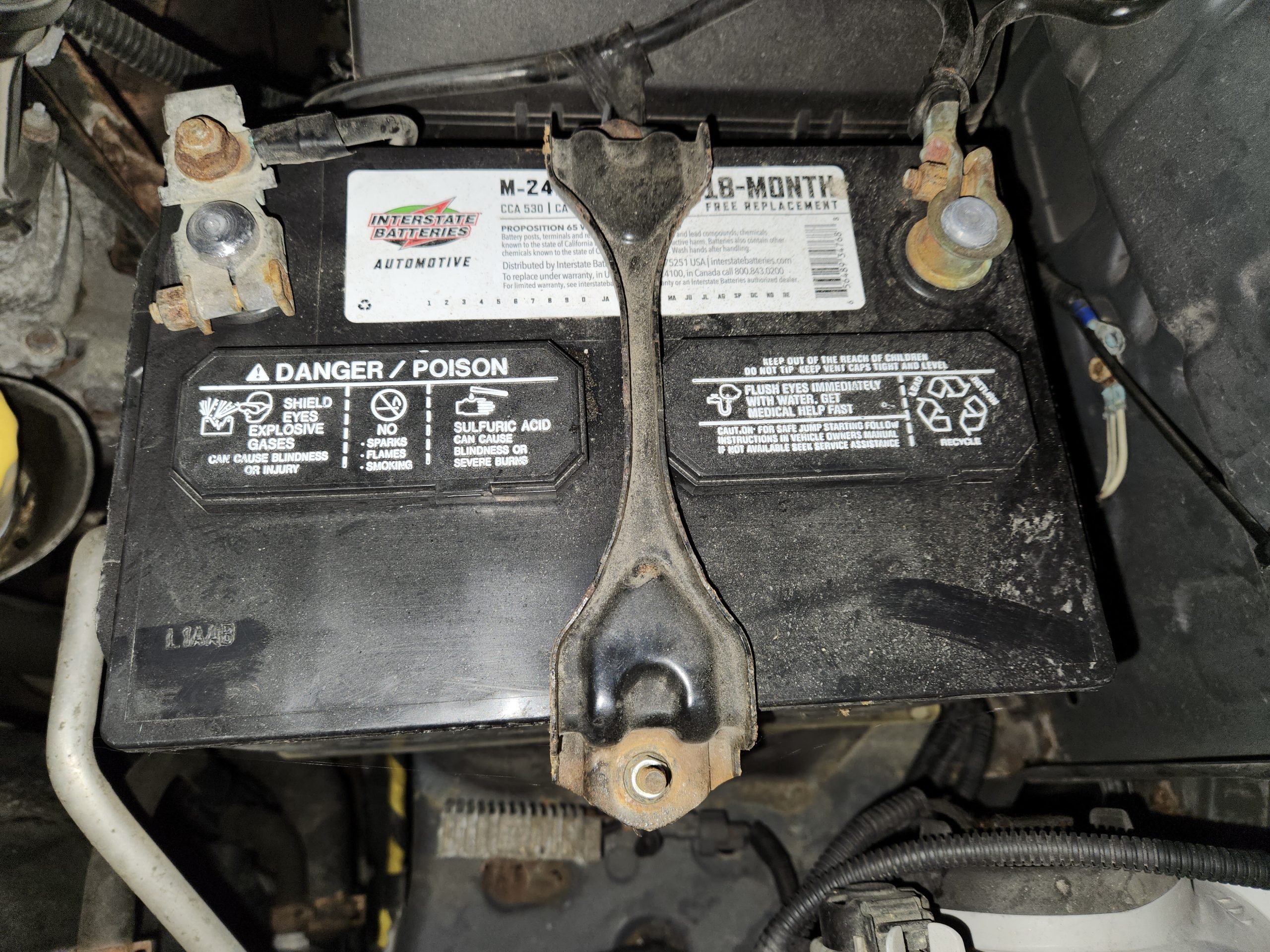
In older vehicles or those operated in harsh climates, terminals may be covered in a white, ashy substance. This is lead sulfate or copper sulfate corrosion, which can hide the colors and symbols.
- Cleaning: Use a mixture of baking soda and water to neutralize the acid and dissolve the corrosion. Once clean, the "NEG" or "-" markings should be visible.
- Cable Tracing: If the cable colors have faded to a dull gray, trace the wires. The cable that bolts directly to the vehicle's strut tower, engine block, or frame is the negative cable. The cable that leads into a covered fuse box or toward the starter motor is the positive cable.
Common Myths and Mistakes
Myth: All Cars Are Negative Ground
While standard for decades, some vintage British and agricultural vehicles used "positive ground" systems. If you are working on a classic car from the early 1950s or prior, verify the polarity before assuming black is negative. In 2026, this is almost exclusively a concern for collectors.
Mistake: Relying Solely on the Plastic Cap
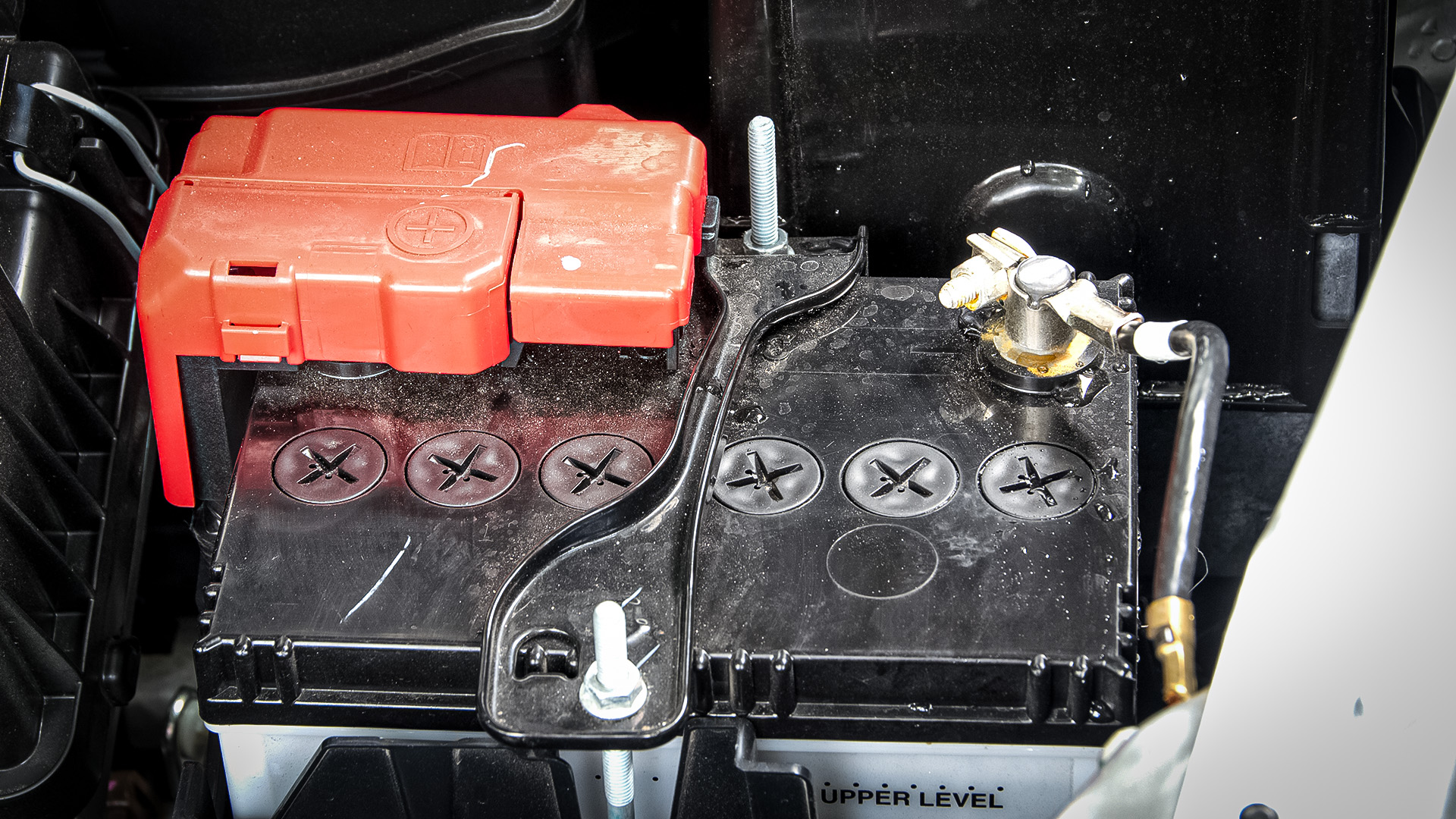
Many new batteries come with a red plastic cap over the positive terminal and a black or clear cap over the negative. Do not assume the battery is correctly oriented based on these caps alone, as they are often removed and replaced during shipping or testing. Always look for the stamped symbol on the lead post itself.
Mistake: Crossing Cables During a Jump Start
The most dangerous error is "reverse polarity"—connecting positive to negative when jumping a car. This can instantly blow "mega-fuses," destroy the alternator diodes, and fry the Engine Control Module (ECM). Always verify: Red to Red, Black to Ground (or Negative).
Frequently Asked Questions
What happens if I connect the negative cable to the positive terminal?
Connecting cables in reverse polarity causes a massive surge of current. In modern vehicles, this usually results in blown high-amperage fuses designed to protect the system. However, if those fuses fail to pop quickly enough, the heat can melt wire insulation, damage the alternator, or cause the battery to vent hazardous gases or explode.
Why is the negative cable sometimes connected to the car frame instead of the battery?
When jump-starting a car, it is a recommended safety practice to connect the final negative (black) jumper cable to a clean, unpainted metal part of the "dead" car’s engine block or frame rather than the negative battery post. This is because batteries can emit hydrogen gas; making the final connection away from the battery ensures that any small spark occurs far from the potential gas source.
Can the negative terminal be a color other than black?
While black is the global standard, some specialized or older aftermarket cables might be uncolored (plain lead/gray) or use a dark blue or green. In these rare cases, you must rely on the stamped "-" or "NEG" symbol on the battery casing to confirm polarity.
Is the negative terminal always the one that is grounded?
In virtually all modern vehicles produced in the last 70 years, the negative terminal is the ground. This "negative earth" system is the architecture upon which modern automotive electronics are built.
Why does the negative terminal often have more corrosion than the positive?
Actually, the type of corrosion often indicates the issue. Corrosion on the negative terminal is typically a sign of undercharging, while corrosion on the positive terminal can indicate overcharging. Both are caused by hydrogen gas leaking from the terminal seals and reacting with the lead and atmospheric moisture.
Expert Recommendation for 2026
As vehicle electronics become increasingly complex with the rise of mild-hybrid systems and advanced driver-assistance systems (ADAS), the electrical health of your battery is paramount. Always confirm the negative terminal identity by the stamped minus (-) sign rather than color alone. If you are replacing a battery, consider applying a terminal protector spray or a thin layer of dielectric grease after tightening the connections to prevent future corrosion and maintain a solid electrical ground.
Image Gallery