Why FileBound Matters for Modern Smart Homes: Document Automation in Smart Residential Ecosystems
As modern smart homes evolve into complex ecosystems of connected devices, customized automation logic, and multi-vendor hardware, managing warranties, commissioning records, tenant disclosures, and maintenance workflows becomes critic...
As modern smart homes evolve into complex ecosystems of connected devices, customized automation logic, and multi-vendor hardware, managing warranties, commissioning records, tenant disclosures, and maintenance workflows becomes critical. Upland FileBound provides centralized document capture, automated workflow routing, and digital record management, bridging the gap between physical smart home infrastructure and operational administration.
Contents
Understanding FileBound in the Smart Residential Context
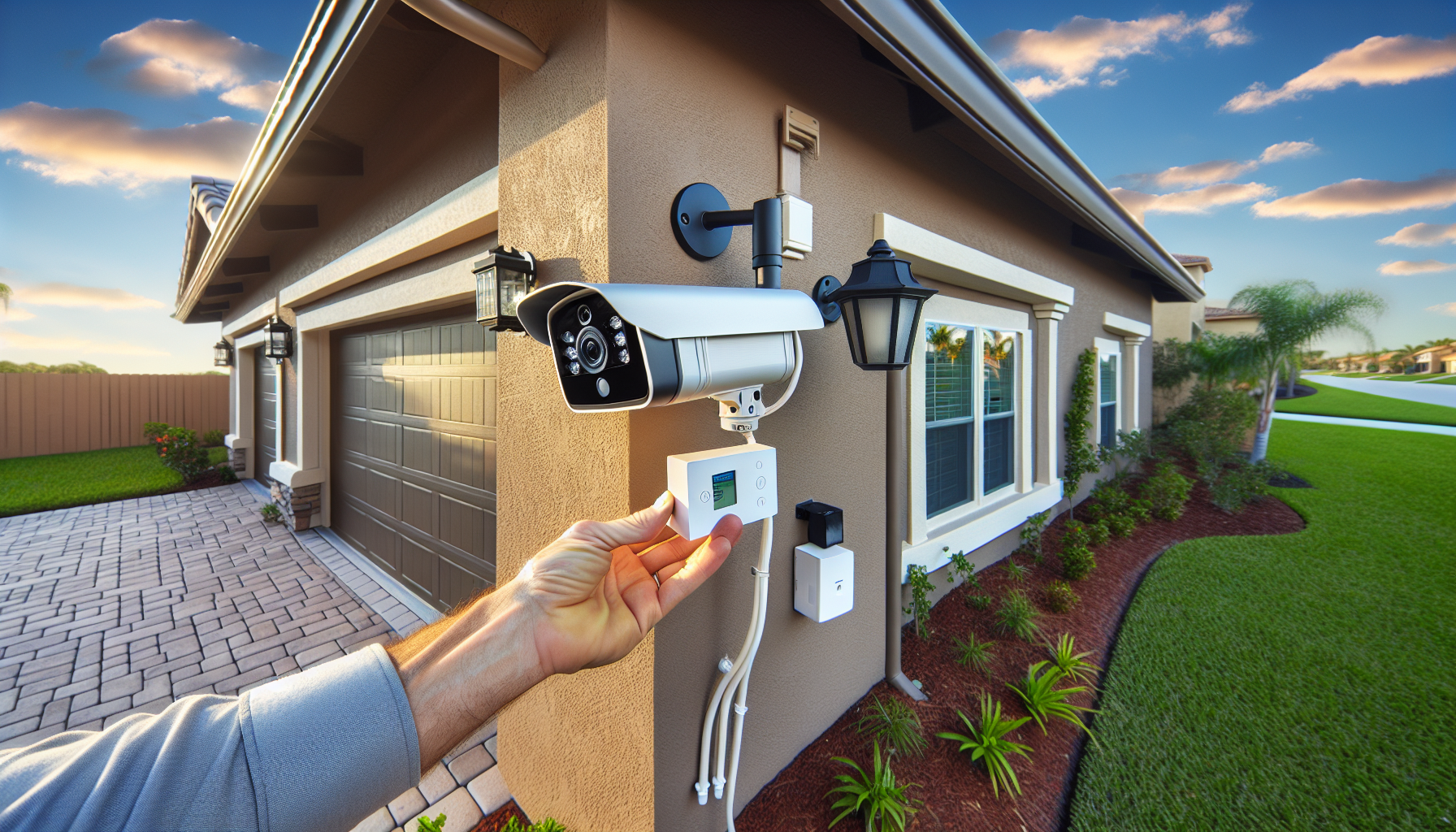
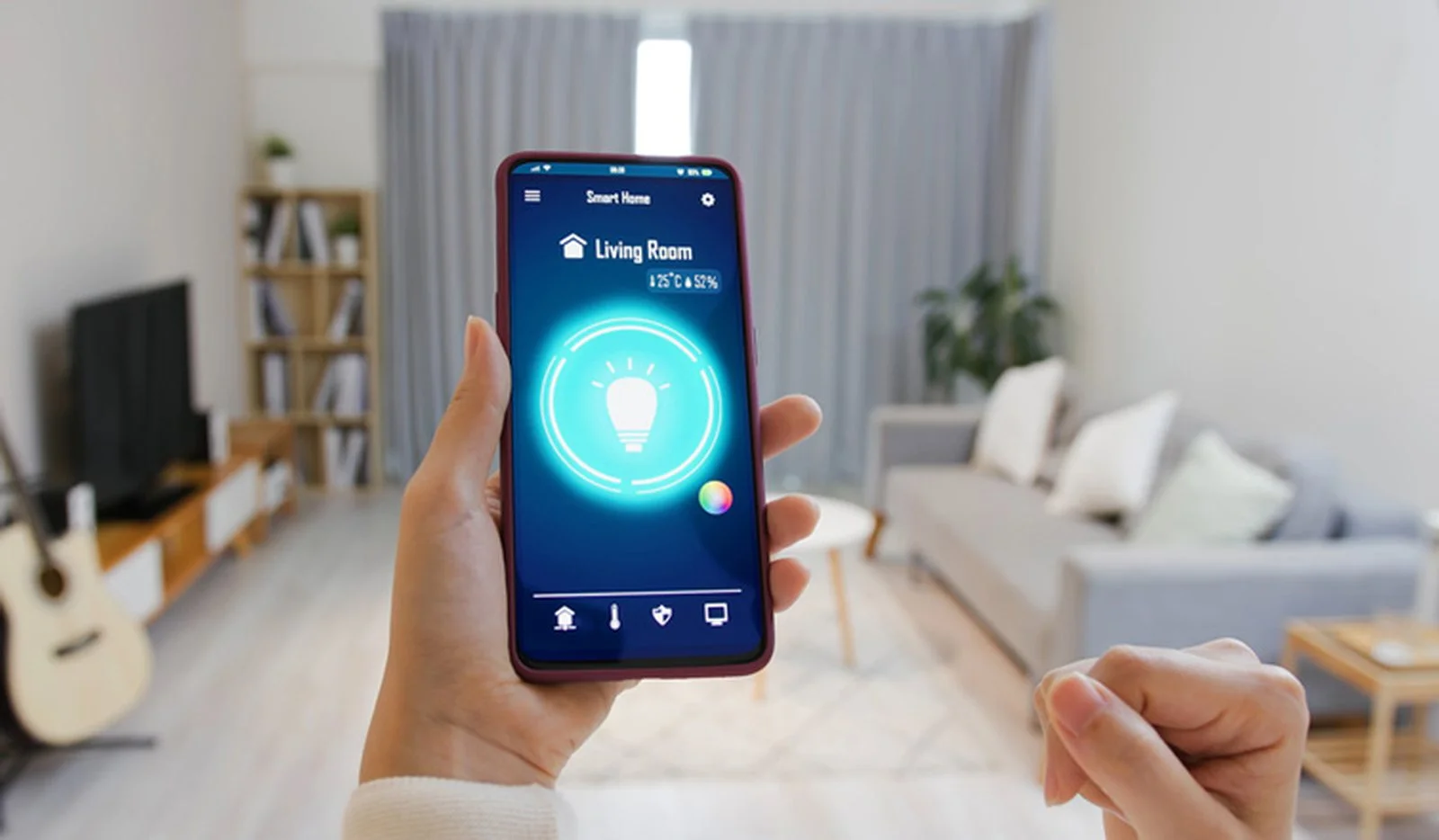
Modern smart homes are no longer defined merely by isolated voice-controlled speakers or standalone smart bulbs. In 2026, high-end custom residences, build-to-rent (BTR) communities, and multi-dwelling unit (MDU) smart apartments rely on sophisticated networks incorporating intelligent HVAC zoning, automated shading, distributed audiovisual systems, smart access control, water leak prevention networks, and energy management sub-panels.
As physical living spaces become increasingly software-defined, they generate a massive administrative tail. Every smart home installation involves extensive documentation: network topology maps, IP address assignments, device serial numbers, manufacturer warranties, software license agreements, installer commissioning reports, and ongoing maintenance schedules.
When documentation remains scattered across paper binders, email attachments, and field technicians' local drives, operational inefficiency escalates. A missing warranty document can cost thousands of dollars in unrecovered equipment replacements, while missing compliance records for smart life-safety hardware can complicate insurance claims.
This operational bottleneck is where FileBound—an enterprise document management and workflow automation platform developed by Upland Software—becomes essential. FileBound centralizes, indexes, and automates document-heavy processes associated with planning, installing, maintaining, and managing modern smart residential properties.
- PHYSICAL SMART HOME INFRASTRUCTURE
- (Smart Locks, HVAC, Water Shut-off, Energy Monitors, Security)
- FILEBOUND DOCUMENT & WORKFLOW AUTOMATION
- (OCR Capture, Warranty Tracking, E-Forms, Maintenance Alerts)
- OPERATIONAL STAKEHOLDERS
- (Property Managers, Integrators, Insurers, Estate Owners)
Core Functional Pillars: How FileBound Connects to Smart Home Operations
FileBound addresses the document and workflow challenges inherent in modern residential technology through four primary administrative capabilities:
1. Centralized Document Capture and Optical Character Recognition (OCR)
Smart home builds involve hardware from dozens of manufacturers. FileBound utilizes optical character recognition (OCR) and intelligent data capture to ingest physical and digital files—including equipment invoices, manufacturer spec sheets, wiring schematics, and warranty certificates. The system automatically extracts key metadata, such as model numbers, serial codes, purchase dates, and warranty expiration timelines, storing them in a searchable digital repository.
2. Automated Workflow Routing and Task Triggering
Document management alone does not solve operational bottlenecks; actionable automation is required. FileBound uses dynamic workflow rules to route tasks based on system events or timeline triggers. For example, when an annual maintenance audit for a smart HVAC compressor is due, FileBound can automatically generate a work ticket, attach the original installer commissioning report and warranty status, and assign the task to an authorized field contractor.
3. Secure Electronic Forms and Client Handoffs
During project completion or tenant turnover, custom integrators and property managers must capture signatures on user acceptance forms, smart home privacy disclosures, and operational liability waivers. FileBound replaces paper sign-offs with secure, mobile-friendly electronic forms (E-Forms). Field technicians or property agents can capture signatures on-site via tablets, automatically linking the signed agreement to the property's master file.
4. Compliance and Audit Trail Management
Insurance carriers increasingly offer premium discounts for properties equipped with verified smart mitigation systems, such as automatic main-water shutoff valves and monitored smoke/freeze sensors. However, claiming these discounts requires clear proof of installation and routine testing. FileBound maintains an unalterable audit trail of device inspection logs, maintenance sign-offs, and safety compliance certificates, ensuring evidence is instantly accessible during underwriting or claim verification.
Key Practical Applications Across Smart Home Sectors
The application of FileBound varies depending on who manages the smart residential technology. Its capabilities address specific operational challenges across three distinct industry segments:
Custom Smart Home Integrators (CEDIA Professionals)
Custom integration firms designing luxury automation systems face complex project management cycles. When handover occurs, clients require comprehensive system binders.
- Digital Handoff Binders: Integrators build dynamic, branded digital portfolios inside FileBound containing system schematics, control software licenses, network passwords, and device manuals.
- Service Level Agreement (SLA) Tracking: FileBound tracks recurring service contract renewals, notifying sales teams when system health check-ups or software upgrade cycles are due.
Multi-Family Housing (MDU) and Smart Apartment Operators
Property management companies managing hundreds of smart units equipped with keyless locks, smart thermostats, and leak detectors handle high volumes of resident turnover.
- Resident Access Disclosures: FileBound automates the distribution and digital signing of smart device usage policies, network safety terms, and digital key privacy agreements during lease execution.
- Vendor Work Order Integration: When hardware fails, service records and replacement receipts are scanned into FileBound, linking costs directly to specific unit serial numbers for streamlined asset lifecycle management.
Luxury Estate Managers and High-Net-Worth Homeowners
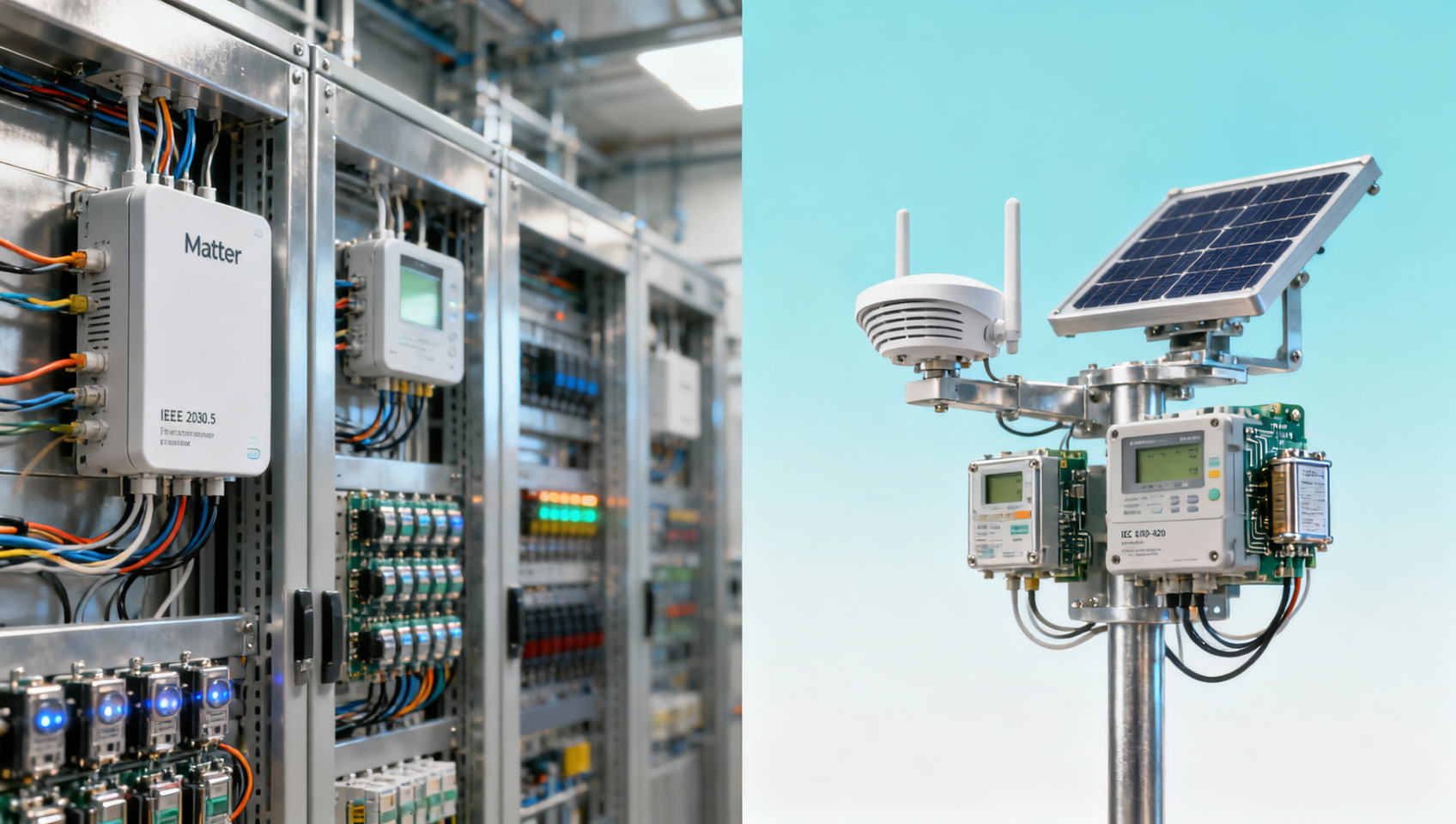
High-end smart estates feature institutional-grade infrastructure, including dedicated server racks, backup generators, and integrated solar microgrids.
- Transferrable Digital Twin Records: If an estate is sold, FileBound allows property managers to transfer a complete digital record repository—detailing every wire run, service log, and component warranty—to the buyer, preserving property valuation.
- Preventative Maintenance Verification: FileBound enforces schedules for specialized vendor service (e.g., automated pool control recalibration, security camera firmware updates), reducing unmanaged downtime.
Operational Comparison: Traditional vs. FileBound Automated Management
Implementing enterprise document automation transforms how smart residential records are handled across every operational phase:
| Operational Area | Traditional Ad-Hoc Approach | FileBound Automated Workflow | Operational Impact & Value |
|---|---|---|---|
| System Commissioning & Handover | Paper binders, loose PDFs emailed across multiple threads, mislaid IP tables. | Centralized cloud repository with OCR indexing by device, room, and network segment. | Cuts retrieval time by over 80%; eliminates lost documentation during ownership transfers. |
| Warranty & Lifecycle Tracking | Manual spreadsheet logging; missing receipts when hardware fails prematurely. | Automated data extraction from invoices with scheduled alert triggers prior to warranty expiration. | Maximizes warranty claims; reduces out-of-pocket replacement costs for hardware. |
| MDU Tenant Access & Disclosures | Physical paper forms signed at leasing office; manual filing in cabinet folders. | Mobile-optimized E-Forms integrated with onboarding workflows and property management systems. | Accelerates tenant move-in times; ensures 100% compliance for smart key usage disclosures. |
| Insurance & Safety Verification | Scrambling to gather historical inspection receipts after a water leak or safety incident. | Continuous audit trail linking device installation certificates and annual testing records. | Simplifies insurance premium discount audits and speeds up claim resolution. |
| Subcontractor Work Orders | Verbal requests, disparate messaging apps, lack of central task tracking. | Automated workflow assignment with embedded system schematics and requirement checklists. | Prevents missed service windows; standardizes service quality across third-party vendors. |
Technical Architecture, Security, and System Integration
Integrating FileBound into a smart home enterprise tech stack requires understanding its architectural flexibility and security protocols.
- FILEBOUND PLATFORM
- Access Control (RBAC)
- Data Encryption (AES-256 / TLS 1.3)
- RESTful API Gateway
- Automated Audit Logging
- Connected Systems:
- PROPERTY MANAGEMENT (Yardi, RealPage)
- FIELD SERVICE & CRM (Salesforce, Connect)
Deployment Models
FileBound is available as a cloud-hosted Software-as-a-Service (SaaS) platform or as an on-premises installation. For property management firms overseeing dispersed MDU portfolios, the SaaS model offers immediate remote access for field staff, property managers, and field technicians via secure web interfaces and native mobile apps.
Integration via RESTful APIs
FileBound features robust application programming interfaces (APIs) that enable integration with broader real estate technology (PropTech) software:
- Property Management Systems (PMS): Connects with platforms like Yardi, RealPage, or Entrata to automatically pull resident onboarding details and attach signed smart-home addendums to lease files.
- Field Service Management (FSM) & CRM Tools: Syncs with platforms like Salesforce, ServiceTitan, or ConnectWise used by smart home integrators, ensuring job site photos, commissioning checklists, and customer sign-offs automatically populate the central FileBound system.
Information Governance and Data Security
Smart home documentation often contains sensitive data, including home Wi-Fi credentials, internal security camera layout plans, access codes, and personal tenant information. FileBound protects this data through:
- Role-Based Access Control (RBAC): Restricts file visibility based on user roles. Field technicians see installation specs but cannot view resident personal data or financial invoices.
- Encryption Standards: Encrypts data both in transit (TLS 1.3) and at rest (AES-256 bit encryption).
- Privacy Compliance Support: Helps property operators maintain compliance with privacy regulations such as the European Union’s General Data Protection Regulation (GDPR) and the California Consumer Privacy Act (CCPA/CPRA) by automating document retention and secure deletion schedules.
Step-by-Step Implementation Guide for Smart Residential Operators
Organizations looking to structure their smart home documentation and workflow automation using FileBound should follow a structured deployment model:
- Step 1: Document Audit
- Step 2: Form Design
- Step 3: Workflow Rules
- Step 4: API Integration
- Step 5: Team Training
Step 1: Audit and Categorize Existing Documentation
Catalog all physical and digital documents generated during design, installation, handoff, and maintenance phases. Group records into logical index categories, such as:
- Property / Unit Identification Number
- Subsystem Category (Access Control, HVAC, Lighting, Networking, Security)
- Document Type (Warranty, Manual, Schematic, E-Form, Invoice, Inspection Log)
Step 2: Establish Standardized E-Forms and Metadata Schemes
Configure standard metadata fields in FileBound to ensure consistent indexing across all properties. Create digital E-Forms for recurring operational processes, such as:
- Smart Home Commissioning Sign-off Checklists
- Pre-Lease Smart Device Inspection Reports
- Resident Smart Access Waiver Forms
Step 3: Configure Automated Workflow Routing Rules
Define event triggers and routing paths within FileBound’s graphical workflow designer:
- Set automated notification triggers 60 days before warranty expirations.
- Configure work-order escalation pathways for unresolved critical infrastructure issues (e.g., smart water valve offline reports).
Step 4: Connect Integrations via API
Establish secure data pipelines between FileBound and existing operational software (PMS, CRM, FSM). Verify that document updates in field service software automatically push index data and attachments into FileBound without requiring double entry.
Step 5: Train Field Personnel and Administrative Teams
Provide targeted training for field installation technicians, property managers, and service administrators. Ensure technicians understand how to capture high-quality document images and record accurate metadata on mobile devices while on-site.
Limitations and Operational Considerations
While FileBound provides comprehensive enterprise document automation capabilities, organizations evaluating its deployment must consider specific operational realities:
- Initial Taxonomy Planning Overhead: FileBound’s effectiveness relies heavily on proper index taxonomy design. Disorganized metadata tagging during setup can lead to poor search performance and misrouted workflows.
- Enterprise Licensing Focus: FileBound is an enterprise platform tailored for businesses, property managers, multi-family developers, and custom integration firms. Individual self-do-it-yourself (DIY) smart home hobbyists managing a single private residence will find enterprise document management software cost-prohibitive and overly complex for personal use.
- Field Data Quality Control: Automated workflows depend on clean data capture. If field technicians upload blurry schematics or omit serial numbers, administrative intervention is still required to maintain record integrity.
Frequently Asked Questions
Is FileBound a smart home hub or IoT communication protocol?
No. FileBound is an enterprise document management and workflow automation software platform developed by Upland Software. It does not directly communicate with smart home hardware protocols like Matter, Zigbee, or Z-Wave. Instead, it manages the administrative, operational, compliance, and warranty documentation that supports physical smart home deployments.
How does FileBound assist multi-family (MDU) smart apartment developments?
FileBound automates high-volume operational workflows in MDU developments. It handles electronic signatures for resident smart device agreements, centralizes equipment warranties across hundreds of units, routes maintenance tickets to qualified vendors, and integrates seamlessly with enterprise property management systems like Yardi and RealPage.
Can custom AV and smart home integrators use FileBound for project handoffs?
Yes. Custom home automation integrators use FileBound to create digital system handoff binders. Rather than delivering physical paper folders, integrators provide clients with secure digital repositories containing system schematics, network configuration documentation, equipment manuals, and warranty details, while automating future service contract renewal reminders.
How does document automation in smart homes help reduce insurance costs?
Many insurance providers offer discounts for residential properties featuring monitored smart risk-mitigation systems, such as automated water shutoff valves and connected freeze sensors. FileBound maintains searchable, time-stamped logs of equipment installation certificates, maintenance sign-offs, and routine inspection records, providing clear proof of compliance required by underwriters.
What integration capabilities does FileBound support for smart home software?
FileBound offers comprehensive RESTful APIs, allowing it to exchange data with Customer Relationship Management (CRM) tools, Field Service Management (FSM) platforms, and Property Management Systems (PMS). This enables data to flow automatically between field operations and centralized record repositories.
Practical Recommendation and Next Steps
To maximize operational efficiency and protect the financial investments made in modern smart residential infrastructure, operators should transition away from manual, unorganized file storage systems toward automated document management platforms.
Recommended Action Plan:
- Assess Operational Scale: Evaluate the size of your smart property footprint. Custom integration firms, estate managers, and MDU operators managing multiple units will derive the highest ROI from enterprise document automation.
- Standardize Documentation Assets: Before software implementation, standardize your organization's smart home commissioning checklists, warranty logging criteria, and client sign-off forms.
- Engage an Implementation Specialist: Work with an authorized Upland FileBound partner or internal IT team to architect an indexing structure tailored specifically to your smart home hardware assets, property management platforms, and field service workflows.
Image Gallery