Clint Eastwood’s Legal Battle Against CBD Scams: The Full Story and Outcomes
Clint Eastwood has never endorsed, manufactured, or authorized any CBD products. The widely reported controversy involving his name stems from a series of successful lawsuits the actor filed against several companies that used his like...
Clint Eastwood has never endorsed, manufactured, or authorized any CBD products. The widely reported controversy involving his name stems from a series of successful lawsuits the actor filed against several companies that used his likeness and fabricated interviews to sell CBD oils. By 2022, Eastwood had secured millions in damages, effectively debunking all claims of his involvement in the industry.
Contents
The Genesis of the Clint Eastwood CBD Controversy
The controversy surrounding Clint Eastwood and CBD (cannabidiol) did not begin with a product launch, but rather with a sophisticated digital marketing scam. In 2020, various online platforms began hosting "fake news" articles that appeared to be legitimate journalism. These articles claimed that Eastwood was retiring from the film industry to pursue a career in the CBD business.
The fraudulent stories often included fabricated quotes from the Academy Award-winning director, claiming he had discovered a "miracle cure" for various ailments. Some even used manipulated images to make it appear as though he was appearing on talk shows like The Today Show or The Ellen DeGeneres Show to promote his supposed supplement line. These tactics were designed to leverage Eastwood’s reputation for integrity and longevity to trick consumers into purchasing high-priced CBD products from companies that had no actual affiliation with him.
For Eastwood, the issue was not merely about the unauthorized use of his face; it was an attack on a brand he had meticulously built over seven decades. The lawsuits he filed were a direct response to what his legal team described as "predatory" marketing tactics that misled the public and diluted his professional standing.
The Legal Strategy: Protecting a Legacy
When Clint Eastwood decided to fight back, he did not just target one company. He initiated multiple legal actions in the U.S. District Court for the Central District of California. His legal strategy focused on several key pillars of intellectual property and commercial law, which provide a roadmap for how celebrities protect their identities in the internet age.
The Right of Publicity
The primary legal claim in these cases was the violation of the Right of Publicity. In California, this right protects individuals from having their name, voice, signature, photograph, or likeness used for commercial purposes without their consent. Eastwood’s attorneys argued that the CBD companies were "stealing" his hard-earned reputation to sell products he would never endorse.
The Lanham Act and False Endorsement
Beyond state-level publicity rights, Eastwood utilized the Lanham Act, a federal statute that governs trademarks and unfair competition. Specifically, he sued for false endorsement. This claim requires proving that the defendant’s use of a mark (in this case, Eastwood’s name and image) is likely to cause confusion among consumers as to whether the person is affiliated with or sponsors the product.
Defamation and Trade Libel
Because the scammers claimed Eastwood was quitting the movie business—a claim that could negatively impact his ability to secure financing or insurance for future film projects—the lawsuits also touched upon the damage done to his professional reputation. By spreading lies about his retirement, the companies were not just selling oil; they were interfering with his primary career.
Detailed Breakdown of the Major Lawsuits
The legal fight was divided into two main fronts. The first targeted the companies creating the fake news stories, while the second focused on a more technical form of digital infringement: the use of hidden meta tags.
1. Eastwood v. Mediatonas UAB
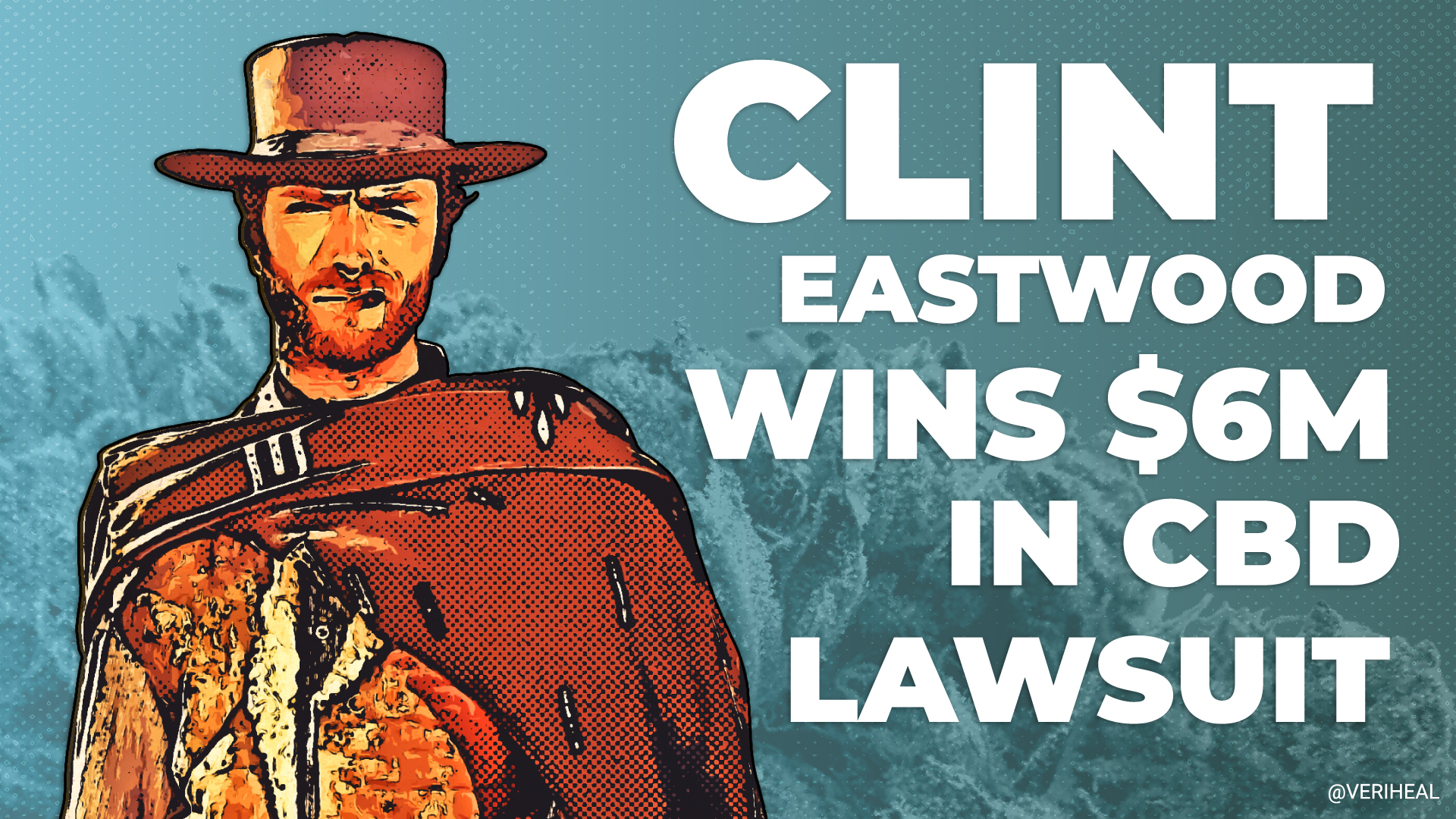
In this case, Eastwood sued a Lithuanian company, Mediatonas UAB, which was responsible for many of the fraudulent "news" sites. The company failed to respond to the lawsuit or appear in court. In October 2021, U.S. District Judge Cormac J. Carney handed down a $6.1 million default judgment in favor of Eastwood.
The judge noted that the damages were substantial because the defendants had willfully exploited Eastwood’s name for profit. While collecting money from a foreign entity can be difficult, the judgment served as a massive public declaration that Eastwood was in no way associated with these products.
2. Eastwood v. Norok Innovation Inc.
The second major victory came in July 2022. This lawsuit targeted companies that were using Eastwood's name in hidden meta tags. Meta tags are snippets of code used by search engines to index websites. By embedding "Clint Eastwood" and "Clint Eastwood CBD" into their website code, these companies ensured that whenever someone searched for the actor’s name, their CBD store would appear in the search results.
Judge Carney awarded Eastwood and his talent management company, Garrapata, $2 million in damages. The court found that this "invisible" use of his name was just as deceptive as a fake news article because it diverted search traffic away from legitimate sources and toward unauthorized products.
Comparison of Legal Outcomes and Claims
The following table summarizes the primary legal actions taken by Clint Eastwood regarding the CBD controversy.
| Case Target | Primary Legal Claim | Outcome/Award | Significance |
|---|---|---|---|
| Mediatonas UAB (Lithuania) | Right of Publicity & False Endorsement | $6.1 Million (Default Judgment) | Addressed the "fake news" and fabricated interview tactics. |
| Norok Innovation Inc. | Trademark Infringement (Meta Tags) | $2 Million | Proved that hidden SEO tactics qualify as unauthorized use of likeness. |
| Sera Labs, Inc. | Unauthorized Likeness Use | Settled (Undisclosed) | Involved companies that allegedly provided the products linked in ads. |
| Various "John Doe" Defendants | Defamation & Misappropriation | Ongoing/Dismissed | Targeted the broad network of affiliate marketers. |
The Technicality of SEO Exploitation
One of the most interesting aspects of the Clint Eastwood CBD fight was the focus on Search Engine Optimization (SEO). Most celebrity lawsuits focus on visible advertisements, but Eastwood’s legal team recognized that the harm was also occurring "under the hood" of the internet.
When a company uses a celebrity’s name in their meta tags without permission, they are essentially hijacking that celebrity’s search equity. For an actor like Eastwood, whose name is searched millions of times a year, this hijacked traffic can result in massive sales for scammers. The $2 million judgment against Norok Innovation was a landmark because it sent a clear message to digital marketers: using a celebrity's name in the backend code of a website is a punishable offense, even if the name never appears on the visible page.
Impact on the CBD Industry and Consumer Protection
The fallout from the Eastwood lawsuits had a chilling effect on the "gray market" of CBD advertising. Before these cases, many affiliate marketers believed they could operate with impunity by using foreign servers or obscure digital tactics.
Stricter Platform Regulations
Following the publicity of these lawsuits, major advertising platforms like Google and Meta (formerly Facebook) tightened their restrictions on CBD advertisements. They implemented more rigorous verification processes to ensure that celebrity endorsements were legitimate.
Consumer Awareness
The "Clint Eastwood CBD controversy" became a textbook example of celebrity endorsement scams. It taught consumers to be skeptical of:
- Articles claiming a celebrity is "quitting" their career to sell a supplement.
- Websites that look like major news outlets but have "strange" URLs.
- Testimonials that seem out of character for the celebrity in question.
How to Verify Legitimate CBD Products
Given the prevalence of scams highlighted by the Eastwood case, it is essential for consumers to know how to verify products. As of 2026, the industry has matured, but the following steps remain the gold standard for verification:
- Check for a COA (Certificate of Analysis): Legitimate CBD companies provide third-party lab results for every batch. This document verifies the levels of CBD, THC, and the absence of contaminants.
- Official Brand Channels: If a celebrity actually endorses a product, it will be mentioned on their official, verified social media accounts or their personal website.
- Search the "FDA Warning Letters": The U.S. Food and Drug Administration (FDA) frequently issues warnings to companies making false health claims or using deceptive marketing.
- Avoid "Free Trial" Offers: Many of the scams Eastwood sued were linked to "free trial" schemes that eventually charged consumers hundreds of dollars in recurring fees.
Frequently Asked Questions
Did Clint Eastwood ever actually use CBD?
There is no public record or evidence to suggest that Clint Eastwood uses or has ever used CBD. His legal team has stated repeatedly that he has no opinion on CBD products but objects to his name being used to sell them without his permission.
Is the "Clint Eastwood CBD" product still for sale?
Any product currently marketed as "Clint Eastwood CBD" is a scam. Following the 2021 and 2022 court rulings, most of these fraudulent sites were taken down, but new iterations occasionally pop up under different names.
How much money did Clint Eastwood actually receive?
While Eastwood was awarded over $8 million in total across various judgments, the actual amount collected is often less than the awarded amount, especially when dealing with foreign entities like Mediatonas UAB. However, the legal victories were primarily about setting a precedent and stopping the unauthorized use of his name.
Are other celebrities facing similar CBD scams?
Yes. Celebrities like Tom Hanks, Martha Stewart (who actually has a legitimate line), and David Attenborough have all been targets of similar "fake news" CBD scams. Eastwood's aggressive legal stance is often cited as the blueprint for how these public figures should respond.
What should I do if I bought CBD thinking it was Eastwood’s?
If you were misled by these advertisements, you should contact your credit card company to dispute the charges based on fraudulent marketing. You can also file a complaint with the Federal Trade Commission (FTC) to help them track and shut down these operations.
Final Guidance for Consumers and Marketers
The "Clint Eastwood CBD controversy" serves as a definitive case study in the intersection of celebrity rights and digital fraud. For consumers, the takeaway is clear: Clint Eastwood does not sell CBD. Any advertisement claiming otherwise is a fraudulent attempt to capitalize on his legendary status.
For digital marketers and businesses, the Eastwood judgments highlight the severe financial and legal risks of using celebrity likenesses or "invisible" SEO tactics without explicit, written consent. As we move through 2026, the legal framework protecting digital identity continues to strengthen, making such "get rich quick" schemes increasingly dangerous for those who attempt them. If you are looking for CBD products, stick to established brands that provide transparent lab testing and avoid any product that relies on sensationalist celebrity stories for its marketing.
Image Gallery