Elements and Traditions of the Earliest Juneteenth Celebrations
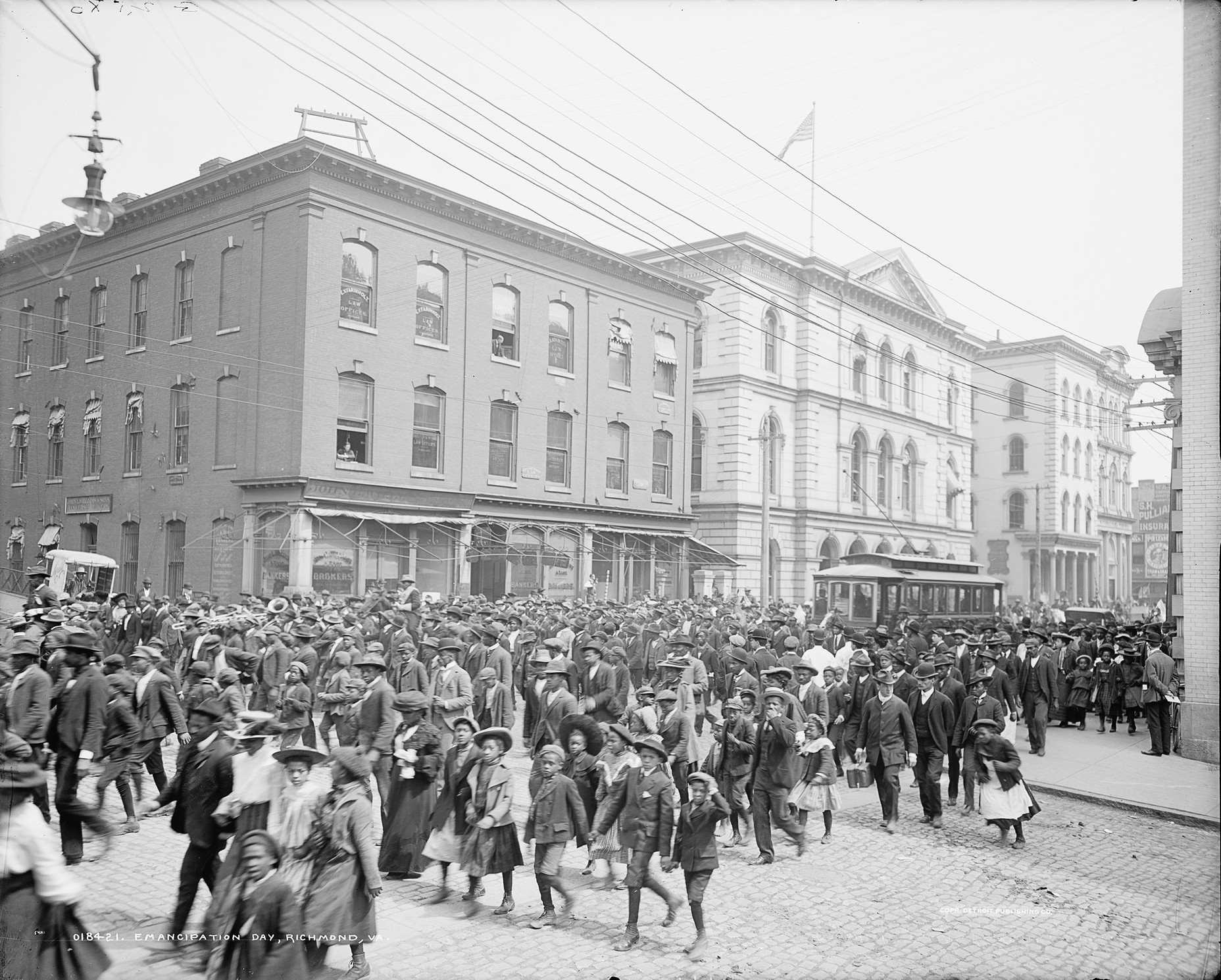
The earliest celebrations of Juneteenth, beginning in 1866, primarily featured religious services, public readings of the Emancipation Proclamation, and communal "Jubilee" feasts. These gatherings often included organized parades, spir...
The earliest celebrations of Juneteenth, beginning in 1866, primarily featured religious services, public readings of the Emancipation Proclamation, and communal "Jubilee" feasts. These gatherings often included organized parades, spirituals, and political rallies centered on voting rights and education, serving as both a joyful commemoration of freedom and a strategic assembly for community empowerment in the post-Civil War South.
Contents
The Genesis of Juneteenth: June 19, 1865
To understand what the earliest celebrations of Juneteenth included, one must first look at the event that necessitated them. Although President Abraham Lincoln issued the Emancipation Proclamation on January 1, 1863, its enforcement was contingent upon the advancement of Union troops. Texas, being the westernmost state of the Confederacy, saw little combat and became a final stronghold for enslavers who moved their "property" there to escape the Union Army.
It was not until June 19, 1865—two months after General Robert E. Lee’s surrender at Appomattox—that Union General Gordon Granger arrived in Galveston, Texas. He stood on the balcony of Ashton Villa and read General Order No. 3, which stated: "The people of Texas are informed that, in accordance with a proclamation from the Executive of the United States, all slaves are free."
The following year, in 1866, the first organized celebrations occurred. These were not merely parties; they were essential acts of resistance and identity-building for people who had been legally classified as chattel just months prior. As we look back from the perspective of 2026, these 19th-century traditions remain the bedrock of the modern federal holiday.
Core Religious and Spiritual Components
The earliest Juneteenth celebrations were deeply rooted in the Black church. For the formerly enslaved, the church was the only institution they fully controlled, making it the natural epicenter for "Jubilee" events.
Prayer Services and Hymnals
Early gatherings almost always began with a prayer of thanksgiving. These services were not quiet affairs; they featured "lining out" hymns and spirituals that had been sung in secret for generations. Songs like "Go Down Moses" and "Many Thousand Gone" took on new, literal meanings. The religious aspect served to frame emancipation as a providential delivery, akin to the Biblical Exodus, which provided a powerful moral framework for their new lives as citizens.
Public Readings of Foundational Texts
A central ritual in the late 1860s was the public reading of the Emancipation Proclamation and General Order No. 3. Since literacy had been a crime for enslaved people, these public readings were educational as well as ceremonial. Orators would dissect the language of the documents, explaining the legal rights now afforded to the community. This tradition ensured that even those who could not read understood the legal basis of their freedom.
The Symbolism of Food and the "Red" Tradition
One of the most enduring elements that the earliest celebrations of Juneteenth included was the consumption of red-colored foods and drinks. This tradition is steeped in both symbolism and West African heritage.
Red Drinks and Culinary Heritage
Historical accounts from the late 19th century frequently mention strawberry soda, hibiscus tea (derived from West African bissap), and red lemonade. The color red symbolizes the resilience and bloodshed of ancestors, as well as the spiritual power associated with the Yoruba and Kongo cultures. As commercial soda became more available in the late 1800s, red soda water became a staple of the Juneteenth experience.
Commingling and Barbecue
Early celebrations featured massive communal pits where whole hogs or cows were barbecued. This method of cooking allowed for the feeding of hundreds of people at once. Because many formerly enslaved people worked as sharecroppers, these celebrations were often the only time of the year they could afford to eat high-quality meat in such abundance. Side dishes included "prosperity" foods like black-eyed peas and collard greens, which carried their own cultural weight regarding luck and resilience.
Political Empowerment and Civic Education
Juneteenth was never solely about recreation; it was a highly political day. During the Reconstruction era (1865–1877), the holiday served as a platform for organizing the new Black electorate.
- Voter Registration Drives: Early celebrations often featured booths or designated areas where men (and later women) could learn about the voting process and register.
- Political Oratory: Prominent Black leaders would give speeches regarding the progress of civil rights legislation, such as the 13th, 14th, and 15th Amendments.
- Education Advocacy: Fundraising for schools was a common feature, as the community recognized that literacy was the most potent tool for maintaining freedom in a hostile Jim Crow environment.
The Purchase of Land: Creating Permanent Spaces
In the decades following the first 1866 celebration, Black communities faced increasing hostility from white Southerners who sought to ban Juneteenth celebrations in public parks. This led to one of the most significant developments in Juneteenth history: the purchase of private land.
In 1872, led by the Reverend Jack Yates, a group of formerly enslaved people raised $1,000 to purchase 10 acres of land in Houston, Texas. They named it Emancipation Park. This was a radical act of self-determination. It ensured that the community would always have a safe, legal place to celebrate their freedom without fear of harassment or eviction. Similar sites, such as Booker T. Washington Park in Mexia, Texas, were also established to provide a permanent home for these annual festivities.
Recreation, Sports, and Visual Identity
While the gravity of freedom was always present, the earliest celebrations of Juneteenth included a significant amount of joy and athletic competition.
Dress Codes and "Sunday Best"
During enslavement, laws often dictated what Black people could wear, frequently limiting them to coarse, discarded fabrics. In the early Juneteenth celebrations, participants made a point of wearing their finest clothes—top hats, silk dresses, and polished boots. This was a visual protest against the rags of the past and a public assertion of dignity and personhood.
Organized Sports and Games
By the 1880s and 1890s, Juneteenth celebrations had incorporated:
- Baseball Games: Local teams would compete in high-stakes matches that drew massive crowds.
- Rodeos and Horse Racing: Especially in Texas, Black cowboys displayed their skills in calf roping and racing, reflecting the significant role African Americans played in the Western frontier.
- Fishing and Prizefighting: These activities provided a rare break from the grueling physical labor of the agricultural cycle.
Comparison Table: Early vs. Modern Juneteenth Elements
| Feature | Earliest Celebrations (1866–1900) | Modern Celebrations (2026 Context) |
|---|---|---|
| Primary Location | Church grounds or private "Emancipation Parks" | Public parks, city centers, and corporate spaces |
| Key Documents | Emancipation Proclamation & General Order No. 3 | Juneteenth National Independence Day Act |
| Communication | Oral tradition and public oratory | Social media, live-streaming, and digital archives |
| Political Focus | Voter registration and basic literacy | Criminal justice reform and economic equity |
| Attire | Formal "Sunday Best" to signal dignity | "Juneteenth" branded apparel and African textiles |
| Main Beverage | Handmade hibiscus tea or strawberry soda | Commercial red sodas and craft cocktails |
Challenges and Suppression of Early Celebrations
It is a misconception that Juneteenth was always celebrated with ease. Following the end of Reconstruction in 1877, the rise of Jim Crow laws made these gatherings dangerous. Segregation laws often prohibited Black people from using municipal parks, and "vagrancy laws" were used to arrest Black men who were seen congregating in large groups.
Despite these hurdles, the celebrations persisted. If they couldn't gather in a park, they gathered in the "bottoms" (low-lying river areas) or on the grounds of Black-owned businesses. This persistence is why Juneteenth survived for over 150 years before finally becoming a federal holiday in 2021.
FAQs
Why is red food so significant in Juneteenth history?
The tradition of eating red food, such as red beans and rice or red cakes, and drinking red beverages stems from the West African cultures of the Yoruba and Kongo people. In these traditions, the color red is associated with strength, spiritual life force, and the blood of ancestors. During early celebrations, it also served as a vivid contrast to the drab conditions of enslavement.
How did the earliest Juneteenth celebrations spread outside of Texas?
The celebration spread primarily through the Great Migration. As Black Texans moved to cities like Chicago, Los Angeles, and Detroit for industrial jobs in the early 20th century, they brought their traditions with them. What began as a regional Texas event became a national symbol of Black liberation as families sought to maintain their cultural roots in new environments.
What was the significance of baseball in early celebrations?
Baseball was one of the most popular sports in the late 19th century. For the Black community, forming their own teams and playing on Juneteenth was an assertion of community organization and physical excellence. These games often served as the main attraction that drew people from neighboring counties together, facilitating social networking and information sharing.
Did the earliest celebrations include white participants?
Generally, no. In the late 19th-century South, segregation was strictly enforced by both law and social custom. While some white employers might have granted their Black workers the day off (often begrudgingly), the celebrations themselves were private, sacred spaces for the Black community to express their joy and political aspirations without external surveillance.
Was Juneteenth the only "Emancipation Day" celebrated?
No. Different regions celebrated on different dates based on when they received news of freedom. For example, Washington D.C. celebrates Emancipation Day on April 16. However, Juneteenth became the most prominent because of the large number of enslaved people in Texas and the subsequent migration of those families across the United States, which helped standardize the June 19th date.
Practical Recommendation for 2026
If you are planning to observe Juneteenth this year, consider grounding your activities in these historical roots. Beyond the modern festivities, take time to read the full text of General Order No. 3 or the 13th Amendment. Supporting Black-owned land initiatives or historical preservation societies helps ensure that the physical spaces—like the original Emancipation Parks—remain protected for future generations.
Image Gallery