North Carolina Public Offender Search: Official Guide to State Records and Registry Lookup
Performing a North Carolina public offender search requires accessing official state and local databases managed by the North Carolina Department of Adult Correction, the State Bureau of Investigation, and county Sheriff’s offices. The...
Performing a North Carolina public offender search requires accessing official state and local databases managed by the North Carolina Department of Adult Correction, the State Bureau of Investigation, and county Sheriff’s offices. These public records allow users to view inmate locations, probation or parole statuses, criminal convictions, and registered sex offender profiles across the state free of charge.
Contents
Legal Disclaimer and Record Access Notice Public record information obtained through state portals is subject to the North Carolina Public Records Law (N.C.G.S. Chapter 132). While public databases provide comprehensive criminal history details, information accessed for employment screening, tenant vetting, or credit checks must strictly comply with the federal Fair Credit Reporting Act.
Navigating the North Carolina Offender Information Framework
North Carolina maintains an open public records framework designed to ensure transparency across its criminal justice system. Information regarding individuals currently incarcerated, on probation, on parole, or registered under state oversight is distributed across several public records networks rather than a single repository.
Understanding which agency holds specific records saves time and ensures accurate results:
- State Prison and Supervision Records: Managed directly by the state correctional system for individuals sentenced to state prison or placed under community supervision (probation/parole).
- Sex Offender Registry: Maintained at the state level by criminal investigation agencies, with initial registration handled by county sheriffs.
- Pre-Trial and Local Detention Records: Managed individually by each of North Carolina's 100 county Sheriff's Offices for individuals awaiting trial or serving short misdemeanor sentences.
- Judicial Case Files: Maintained by the state court system, documenting active charges, court dates, disposition records, and judgment orders.
To conduct a thorough search, researchers often need to query multiple state databases depending on whether the individual is actively serving a sentence, under county detention, or subject to mandatory public disclosure statutes.
Official North Carolina Public Search Databases
1. NCDAC Offender Public Information Search (OPUS)
The primary tool for locating individuals convicted of crimes in North Carolina is the North Carolina Department of Adult Correction Offender Public Information Search engine. Formerly managed under the Department of Public Safety, the NCDAC operates an independent system fed by the Offender Population Unified System (OPUS).
This database contains real-time and historical records for:
- Active Inmates: Individuals currently serving time in state correctional institutions.
- Inactive Inmates: Formerly incarcerated individuals who completed their sentences.
- Probationers and Parolees: Individuals under community supervision monitored by Post-Release Supervision and Probation Officers.
- Absconders: Individuals who violated supervision terms and have outstanding warrants.
Search parameters on the NCDAC database allow queries by full legal name, NCDAC Offender Number (a unique 7-digit identifier), or SBI (State Bureau of Investigation) Number.
2. NC SBI Sex Offender and Public Protection Registry
The North Carolina State Bureau of Investigation maintains the state's official Sex Offender and Public Protection Registry pursuant to N.C.G.S. § 14-208.5. This database tracks individuals convicted of specific sex offenses or crimes against minors who reside, work, or attend school in North Carolina.
Key features of the registry search tool include:
- Radius and Location Searches: Search by street address, zip code, or county to locate registered offenders living within a designated distance (e.g., 1, 3, or 5 miles).
- Name and Alias Queries: Locate specific individuals using primary legal names or verified aliases.
- Automated Map Overlays: Visual mapping tools displaying registered residential addresses relative to public landmarks and schools.
3. County Sheriff Inmate Rosters
If an individual was recently arrested or is being held prior to trial, their details will not appear immediately in state prison databases. North Carolina’s 100 county Sheriff’s Offices operate independent county detention facilities.
Major metropolitan counties—such as Wake, Mecklenburg, Guilford, and Forsyth—maintain online inmate search portals. These tools update hourly or daily to detail recent bookings, bond amounts, mugshots, and scheduled court dates.
4. North Carolina eCourts Portal
The North Carolina Judicial Branch provides public access to civil and criminal court cases through the eCourts Portal (Enterprise Justice). This system allows users to search court dockets, track criminal case filings, review charges, and verify case dispositions across participating counties.
Key North Carolina Search Databases Compared
Selecting the correct database depends on the individual's current legal status and the specific records required. The table below outlines the primary features of each official search system.
| Database System | Managing Agency | Record Scope | Primary Search Fields | Data Update Frequency | Best Used For |
|---|---|---|---|---|---|
| NCDAC OPUS Portal | NC Department of Adult Correction | State prisoners, probationers, parolees, absconders | Name, NCDAC Number, SBI Number, Age Range | Real-Time / Daily Sync | Locating current state inmates and probation statuses |
| NC Sex Offender Registry | NC State Bureau of Investigation | Registered sex offenders and public protection list | Name, County, Zip Code, Address Radius | Real-Time upon Sheriff update | Checking neighborhood safety and mandatory registration records |
| NC eCourts Portal | NC Judicial Branch (AOC) | State court cases, active indictments, dispositions | Party Name, Case Number, Attorney, Court Location | Real-Time | Reviewing trial court records, case dispositions, and active charges |
| County Sheriff Rosters | Individual County Sheriff's Offices | Pre-trial detainees, local misdemeanor inmates | Offender Name, Booking Number, Date Range | Hourly to Daily | Finding recent arrests, active county jail bookings, and bond details |
Step-by-Step Guide: How to Perform an NC Offender Search
Step 1: Gather Identifying Details
Before initiating an online search, collect as much identifying information as possible to prevent cross-matching individuals with identical names:
- Full legal first, middle, and last name (including known suffixes).
- Date of birth or estimated age range.
- Approximate location or county where the offense or arrest occurred.
- Official identification numbers if known (NCDAC ID, SBI ID, or Case File Number).
Step 2: Query State Prison and Supervision Records
- Access the official NCDAC Offender Public Information Search portal.
- Input the offender's last name and first name into the designated fields.
- Select the appropriate search filter: All, Active Inmates, Inactive Offender, or Probationer/Parolee.
- Review the search results list. Click on the matching Offender ID to open the full profile.
- Review official details including current facility location, custody level, projected release date, conviction history, and active supervision terms.
Step 3: Conduct a County Jail Booking Search
If the individual does not appear in the state NCDAC system, they may be held in county custody:
- Identify the county where the arrest took place.
- Visit the official website of that county’s Sheriff’s Office.
- Navigate to the Inmate Search, Jail Roster, or Booking Log section.
- Enter the subject's name to view arrest details, mugshots, pending charges, and set bail/bond amounts.
Step 4: Cross-Reference via the NC Judicial eCourts System
To verify official court filings, charges, or case status:
- Access the North Carolina Judicial Branch eCourts Portal.
- Select Smart Search or search by Party Name.
- Select Criminal Case Records from the search filters.
- Review case dockets to view specific statutory violations, court dates, judge assignments, and final dispositions (convicted, dismissed, or acquitted).
Understanding North Carolina Offender Record Details & Terminology
Reading official public offender records requires familiarity with specific terms and data fields used by North Carolina state agencies.
- Typical NCDAC Record Display:
- Offender Name: DOE, JOHN ARTHUR
- NCDAC ID: 0123456
- Gender: Male
- Race: White
- Birth Date: 05/12/1984
- Offender Status: ACTIVE
- Custody Level: MEDIUM
- Current Location: WAKE CORRECTIONAL CENTER
- Primary Crime: BREAKING & ENTERING
- Sentence Date: 03/14/2023
- Projected Release: 11/04/2027
Essential Terminology Defined
- NCDAC Offender Number: A permanent 7-digit identification number assigned to an individual upon entry into the state correctional system. It remains identical across past and future convictions.
- SBI Number: A unique identification number assigned by the State Bureau of Investigation that links an individual to their statewide fingerprint card archive.
- Custody Classification: Indicates the security level of the facility where an inmate is housed:
- Minimum: Low security; offenders are close to release or assigned to work release programs.
- Medium: Standard security featuring armed perimeters and monitored movement.
- Close/Maximum: High-level security housing for high-risk offenders or long-term sentences.
- Projected Release Date: The calculated date an inmate is expected to complete their custodial sentence based on statutory guidelines, sentence length, and earned time credits.
- Post-Release Supervision: The structured period of community supervision served by an offender after being released from a state prison facility.
- Absconder Status: Indicates that an individual under probation, parole, or post-release supervision has ceased reporting to their assigned officer and their current location is unknown to law enforcement.
Legal Considerations, FCRA Rules, and Expungements
The Fair Credit Reporting Act (FCRA) Compliance
While public record information made available by state agencies can be viewed by anyone, using this data for legal background checks is strictly regulated. Under the federal Fair Credit Reporting Act (15 U.S.C. § 1681 et seq.):
Notice on Commercial Background Checks Unofficial public search results obtained directly from government lookups cannot be legally used as the sole basis for denying employment, housing, credit, or commercial insurance. Commercial screening services must qualify as Consumer Reporting Agencies (CRAs) and adhere to strict accuracy, notification, and dispute resolution guidelines.
Expungements and Record Sealing under North Carolina Law
Under North Carolina law (N.C.G.S. § 15A-145), individuals who satisfy statutory requirements can petition the court for an order of expungement.
Key aspects of NC expungement law include:
- Dismissed Charges and Acquittals: Charges that resulted in a dismissal or a finding of "not guilty" are eligible for expungement without limit in most circumstances.
- Non-Violent Misdemeanors and Felonies: Eligible non-violent offenses can be expunged after a statutory waiting period (generally 5 to 10 years following completion of sentence and supervision), provided the applicant has no subsequent convictions.
- Removal from Public Databases: Once an expungement order is granted by a court clerk, state agencies—including the NCDAC, SBI, and Judicial Branch—must remove the record from public portals. Information that has been expunged is legally considered never to have occurred.
Victim Services and Automated Notification Systems
North Carolina offers free automated notification tools to keep crime victims, family members, and the public informed about changes in an offender's custody status.
North Carolina SAVAN (Statewide Automated Victim Assistance and Notification)
NC SAVAN is an automated system that connects directly to state prison and county jail records. It operates in partnership with the national VINE (Victim Information and Notification Everyday) network.
Benefits of registering with NC SAVAN:
- Real-Time Alerts: Receive immediate phone calls, text messages, or email notifications if an offender is released, transferred, escapes, or dies.
- Court Date Tracking: Alerts regarding upcoming court hearings, parole eligibility reviews, or probation status modifications.
- Anonymous Registration: Victims and concerned citizens can register confidentially without notifying the offender.
To register for alerts on a specific individual, users can access the official NC SAVAN/VINE portal using the offender's full name or NCDAC number.
Frequently Asked Questions (FAQ)
How can I look up an inmate currently in a North Carolina state prison?
You can search for an inmate using the North Carolina Department of Adult Correction (NCDAC) Offender Public Information Search portal. Enter the person's legal first and last name or their 7-digit NCDAC number to view their current housing facility, custody level, projected release date, and conviction details.
What is the difference between an NCDAC search and a county Sheriff's search?
The NCDAC search tracks individuals sentenced to state prison or placed under state probation and parole supervision. A county Sheriff’s search displays pre-trial detainees, individuals awaiting court hearings, or short-term inmates housed in local county detention facilities.
Are mugshots included in North Carolina public offender records?
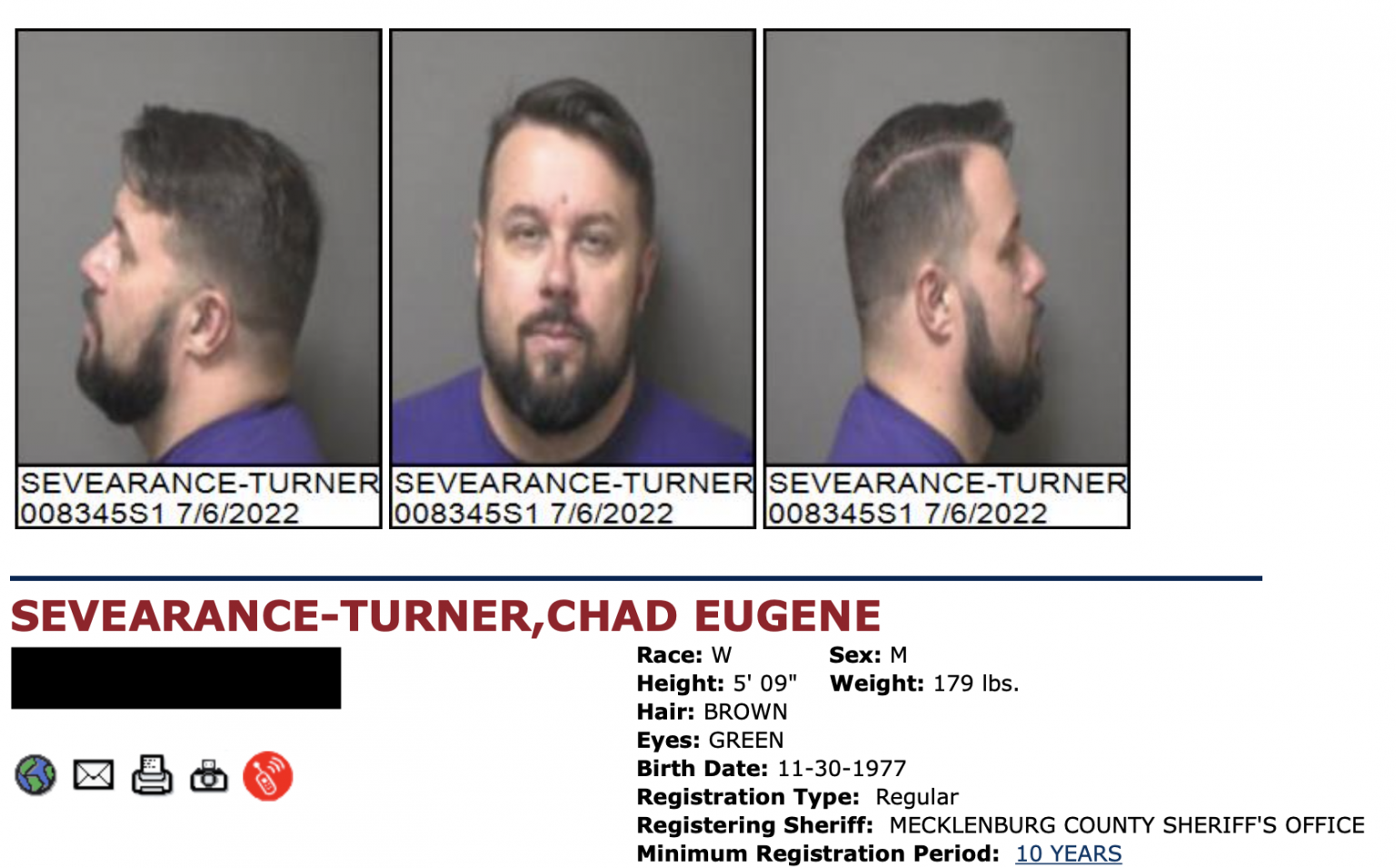
Yes, mugshots are generally part of the public record in North Carolina. The NCDAC database includes inmate profile photographs, and most county Sheriff's web portals display booking photos alongside active charge details.
Why can't I find someone who was recently arrested in North Carolina?
If an arrest occurred within the last few hours, the individual's records may not yet be indexed in county booking databases. If they are held in a county jail awaiting trial, they will not appear in the state-level NCDAC database until they are convicted and sentenced to state custody.
How do I check if a registered sex offender lives near me in North Carolina?
Visit the official NC State Bureau of Investigation (SBI) Sex Offender and Public Protection Registry website. Use the "Search by Location" feature, enter your street address or zip code, and specify a radius (e.g., 1 to 5 miles) to display interactive maps and listings of registered offenders.
Can I use a public offender search to screen prospective employees or tenants?
No, using free public lookup portals directly for background screening is not compliant with the Fair Credit Reporting Act (FCRA). Employment and housing background checks must be conducted through a compliant Consumer Reporting Agency (CRA) that provides proper disclosure, authorization, and dispute mechanisms.
Using Official Resources Responsibly
When conducting a North Carolina public offender search, relying directly on primary state government databases ensures the highest level of accuracy and data currency. Third-party record aggregators often display outdated information, misattribute historical records, or charge fees for data that government agencies provide free of charge.
For official inquiries, court records, or victim assistance services, always consult the primary agencies: the North Carolina Department of Adult Correction, the NC State Bureau of Investigation, the North Carolina Judicial Branch, or your local County Sheriff's Office.
Image Gallery