Understanding Internet Chicks: Navigating Digital Persona Trends and Online Identity in 2026
The term "internet chicks" refers to the evolving archetypes of female digital creators, influencers, and personas that have dominated social media landscapes throughout the 2020s. In 2026, this concept encompasses professional content...
The term "internet chicks" refers to the evolving archetypes of female digital creators, influencers, and personas that have dominated social media landscapes throughout the 2020s. In 2026, this concept encompasses professional content production, aesthetic-driven branding, and the strategic use of parasocial engagement to build sustainable digital businesses across platforms like Instagram, TikTok, and emerging decentralized creator networks.
Contents
Evolution of the Digital Creator Archetype
The digital landscape has shifted from the spontaneous, amateur blogging era of the early 2010s to a highly sophisticated, data-driven industry. By 2026, the term "internet chicks" describes a demographic of creators who leverage advanced algorithmic optimization and high-production value to maintain relevance. This is no longer merely about self-expression but about managing a multifaceted personal brand that functions similarly to a media corporation.
The primary shift in 2026 involves the integration of AI-assisted content creation. Creators now utilize specialized tools for post-production editing, automated scheduling, and deep-data analytics to understand viewer retention patterns. This technical evolution means that successful digital personalities are often as skilled in data science and digital marketing as they are in creative fields.
Structural Requirements for Sustainable Creator Branding
To maintain a professional digital presence in the current market, creators must adhere to specific operational standards. These standards ensure that content remains discoverable and compliant with platform policies, which have become increasingly strict regarding transparency and disclosure in 2026.
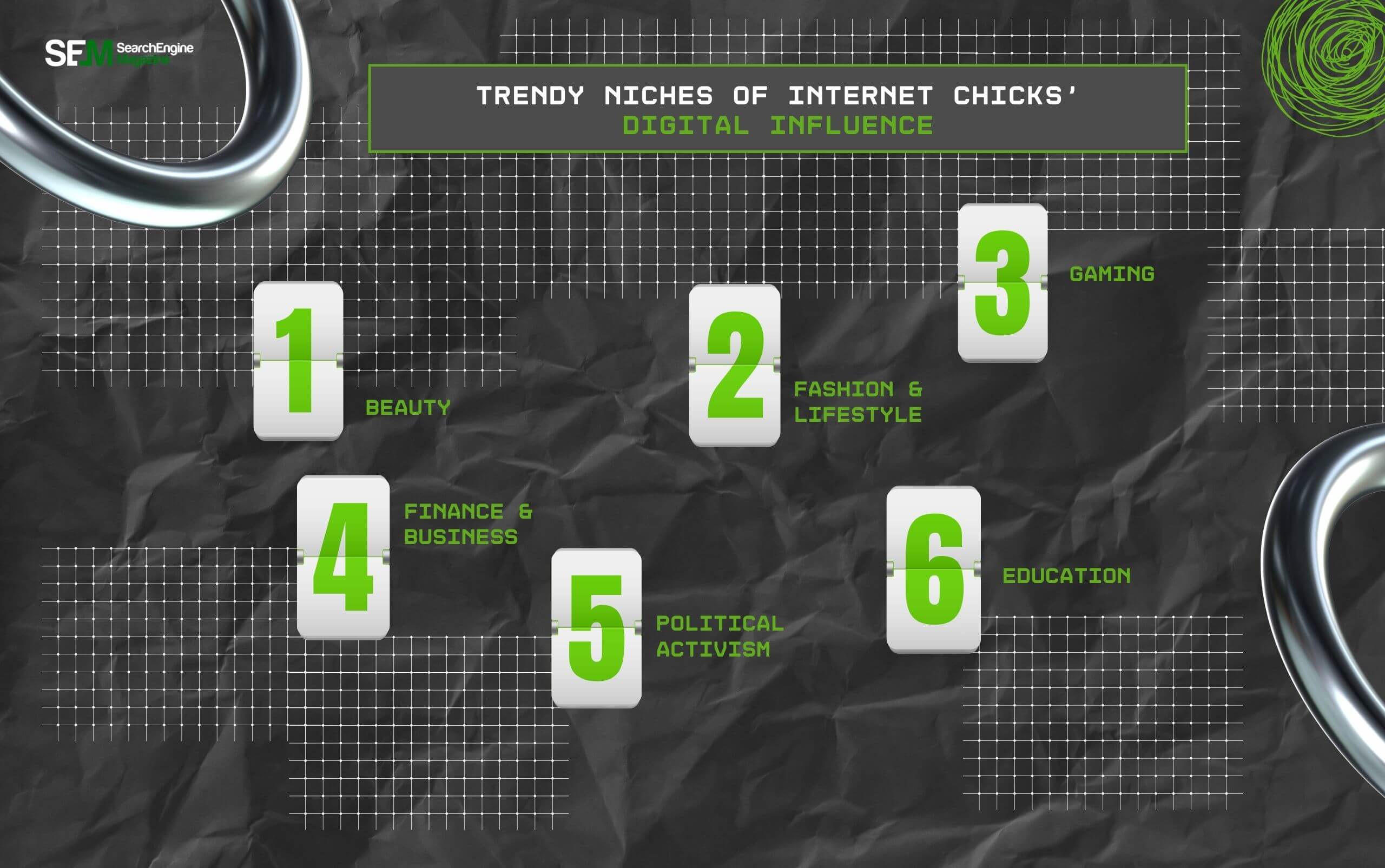
- Strategic Content Pillar Alignment: Consistency is maintained by categorizing content into distinct pillars, such as lifestyle, education, tech reviews, or aesthetic curation.
- Platform-Specific Optimization: Algorithms in 2026 prioritize short-form video engagement, making high-frame-rate vertical video the industry standard.
- Data-Driven Scheduling: Utilizing engagement heatmaps to post content when the target audience is most active to maximize initial "velocity" metrics, which dictate long-term reach.
- Legal and Ethical Compliance: Adherence to Federal Trade Commission (FTC) disclosure guidelines for sponsored content remains a mandatory standard for anyone monetizing their online presence.
Comparative Analysis of Creator Monetization Strategies
The business of being a digital creator involves diversifying revenue streams. The following table compares the efficacy of various monetization methods currently utilized by prominent digital figures in the 2026 ecosystem.
| Revenue Stream | Technical Effort Required | Estimated ROI | Scalability |
|---|---|---|---|
| Brand Partnerships | High (Contract Negotiation) | High | Low |
| Affiliate Marketing | Low (Link Integration) | Moderate | Moderate |
| Paid Subscriptions | Moderate (Content Value) | Very High | High |
| Digital Asset Sales | Very High (Development) | High | Very High |
| Livestream Gifting | Low (Real-time engagement) | Moderate | Low |
Managing Digital Presence and Online Safety
With the high level of visibility associated with digital identities, safety and privacy have become paramount. In 2026, professional creators implement multi-layered security measures to protect their personal information from doxxing and malicious actors.
Operational Security Standards Multi-Factor Authentication Every creator must employ hardware-based security keys or enterprise-grade authentication apps for all social media and financial accounts. Reliance on SMS-based 2FA is considered a critical security vulnerability by 2026 standards.
Data Minimization Practices Professional creators strip EXIF data from photographs before uploading to prevent location tracking and limit public sharing of real-time travel or home location data to prevent physical security risks.
Ethical Considerations in the AI Era
The rise of deepfake technology and AI-generated avatars has forced the creator economy to redefine the boundaries of "internet identity." As of 2026, platforms are implementing mandatory labels for synthetic content. Creators who leverage AI must ensure they hold the rights to the likenesses being used to avoid litigation regarding intellectual property and personality rights. Authenticity, despite these tools, remains the most valuable currency for long-term audience retention.
Frequently Asked Questions
What constitutes a successful creator profile in 2026?
A successful profile is defined by a high "Follower-to-Engagement" ratio rather than raw follower counts, demonstrating a loyal and active audience. This is supported by consistent output that provides clear value—whether entertainment, educational, or inspirational—to a specific target demographic.
How do creators protect themselves from online harassment?
Modern creators use automated moderation tools, such as AI-powered comment filters that redact hate speech or prohibited keywords in real-time. They also utilize platform-level blocking lists shared across industry-standard safety consortiums to prevent serial offenders from migrating across accounts.
Is it necessary to have a formal business entity?
Yes. By 2026, most professional creators operate under Limited Liability Companies (LLCs) or similar structures to separate personal assets from business liabilities, handle taxation of international brand deals, and provide a professional framework for B2B contracts.
How has the 2026 algorithm changed content style?
Algorithms now heavily favor "watch time" over "click-through rate." This has shifted the trend from clickbait thumbnails to long-form, high-retention storytelling within short-form video formats, where the first three seconds are optimized for maximum hook potential.
Are traditional media metrics still relevant?
Traditional metrics like CPM (Cost Per Mille) remain relevant for advertisers, but creators now focus heavily on LTV (Lifetime Value) of their subscribers through direct-to-consumer sales, which provides more stability than ad-revenue fluctuations.
Strategic Recommendations for Growth
If you are looking to enter or refine your digital presence, focus on deep integration with your audience rather than breadth. The "internet chick" archetype in 2026 is moving away from the "influencer" label toward the "content entrepreneur." Focus on building owned audiences—such as mailing lists or private communities—to insulate your reach from the volatility of platform algorithm changes. Ensure that all business dealings are codified in writing and that you maintain a clear separation between your public persona and your private digital infrastructure.
Image Gallery