Alan Howard: The Macro Hedge Fund Manager and His Impact on Global Markets
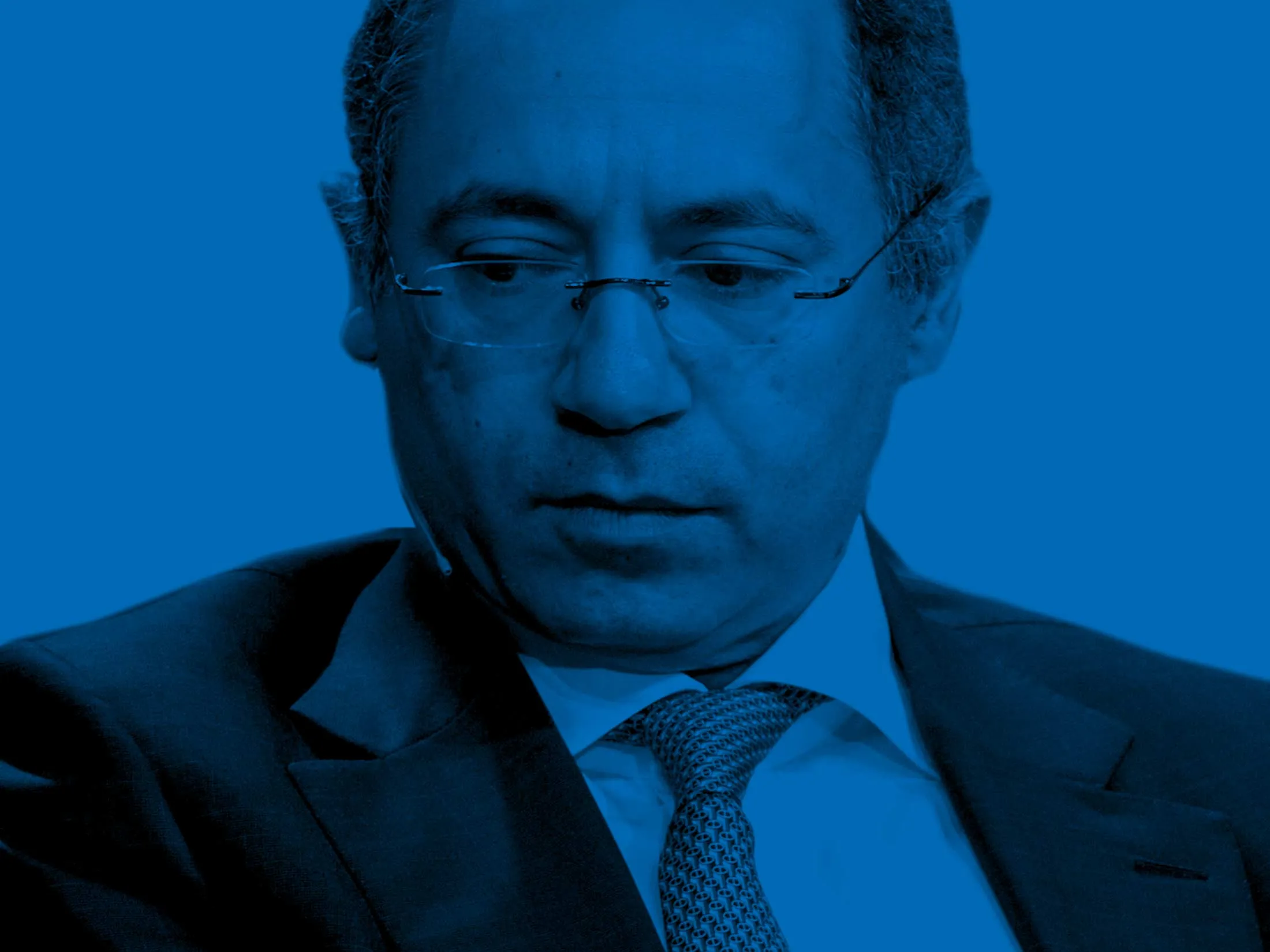
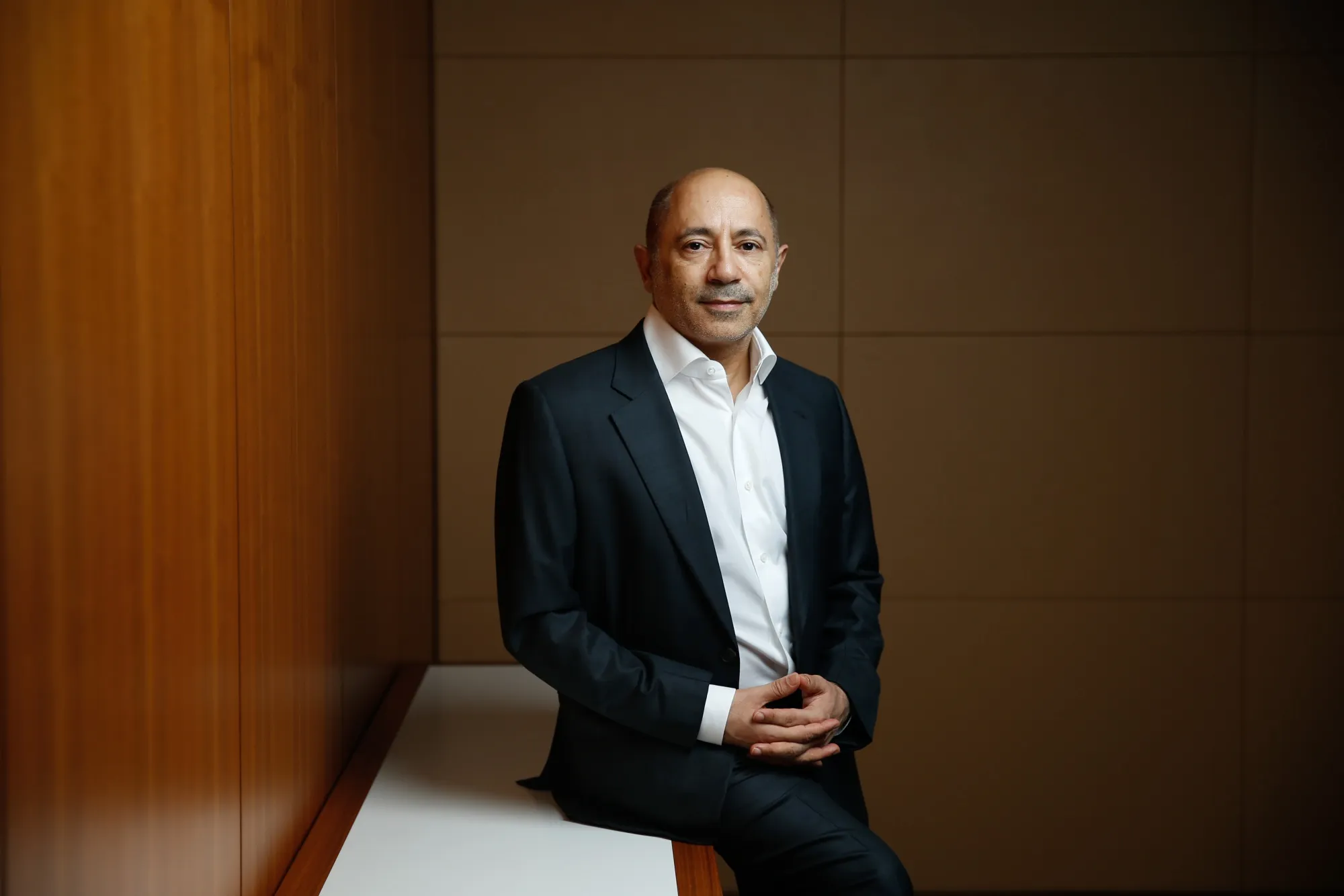
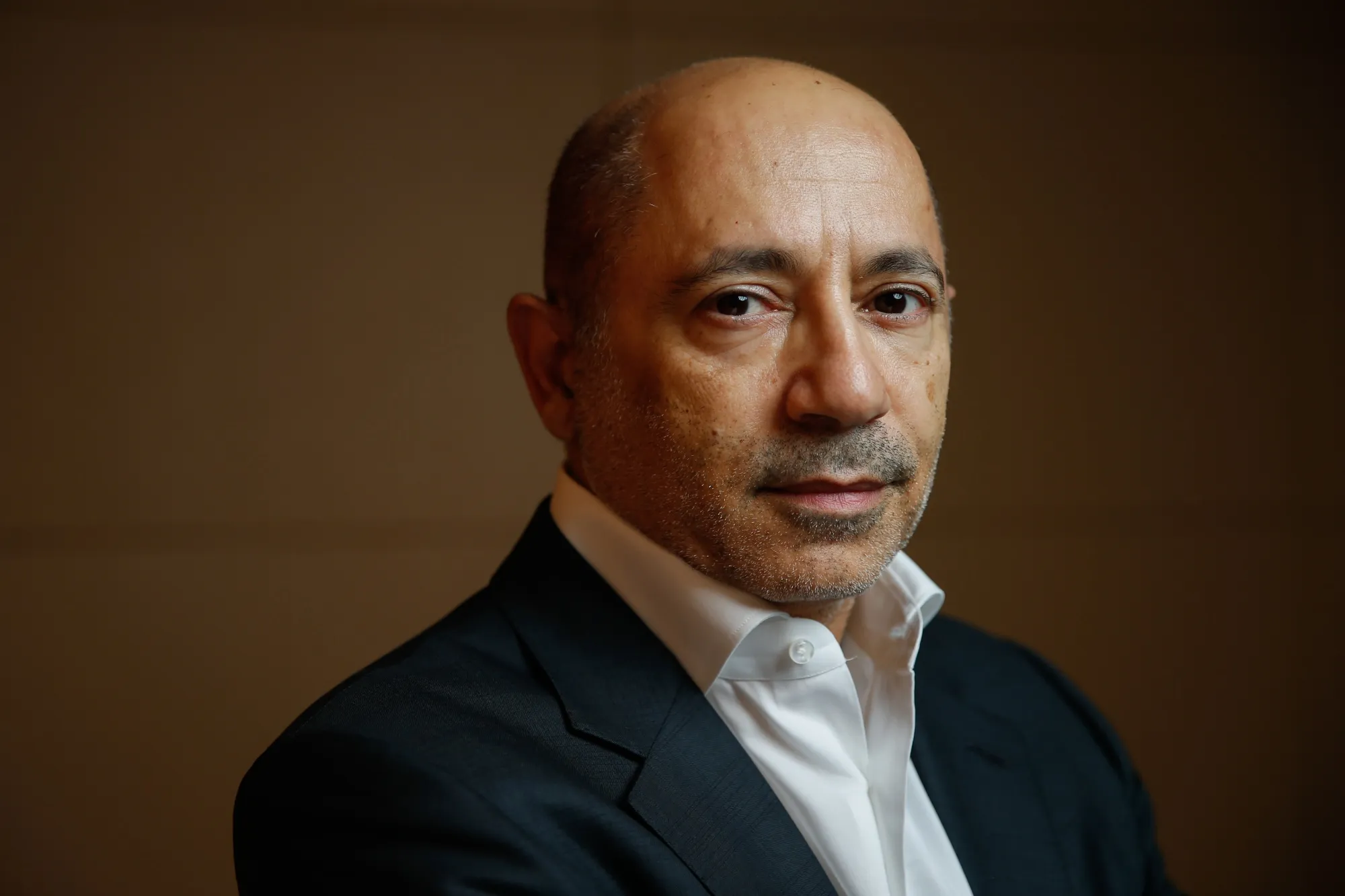
Alan Howard is a preeminent British hedge fund manager and the co-founder of Brevan Howard Asset Management, one of the world’s most influential global macro hedge funds. Throughout his career, he has been recognized for his expertise...
Alan Howard is a preeminent British hedge fund manager and the co-founder of Brevan Howard Asset Management, one of the world’s most influential global macro hedge funds. Throughout his career, he has been recognized for his expertise in interest rate trading and his ability to navigate complex macroeconomic cycles, cementing his status as a prominent figure in the hedge fund industry since the early 2000s.
Contents
The Foundation of Brevan Howard
Alan Howard’s career is defined primarily by his role at Brevan Howard, which he co-founded in 2002 alongside Jean-Philippe Blochet, Christopher Rokos, James Vernon, and Trifon Natsis. Departing from his successful tenure at Credit Suisse, where he led the fixed-income trading desk, Howard sought to create a firm that prioritized specialized macro strategies.
Brevan Howard quickly distinguished itself from its peers by focusing on global macro themes—a strategy that involves making large-scale bets on the direction of interest rates, currencies, and geopolitical events. The firm’s "Master Fund" became famous for its consistent performance during periods of extreme market volatility, most notably during the 2008 Global Financial Crisis, when the firm posted significant gains while the broader financial markets were in a state of collapse. This success underscored Howard's reputation as a "macro specialist" who thrives in environments characterized by high interest rate sensitivity and shifting monetary policies.
Core Investment Philosophy and Technical Approach
At the heart of Howard’s investment approach is a deep analysis of central bank policies and interest rate differentials. Unlike equity-focused managers who hunt for individual company growth, Howard and his team focus on the "top-down" macro view. This involves analyzing how global liquidity, inflation data, and government fiscal stances interact to move bond yields and currency values.
The strategy employed by Brevan Howard often involves:
- Interest Rate Trading: Utilizing derivatives to profit from shifts in the yield curve.
- Currency Volatility: Positioning portfolios to benefit from central bank intervention or unexpected shifts in trade balances.
- Asymmetric Risk Management: Prioritizing trades where the potential downside is strictly controlled compared to the upside potential, a hallmark of the firm’s risk-aversion during turbulent years.
This approach requires not only deep quantitative analysis but also an intuitive grasp of how market sentiment reacts to macroeconomic data releases. Throughout his career, Howard has maintained a rigorous focus on capital preservation, which has allowed Brevan Howard to remain a preferred partner for institutional investors, including pension funds and sovereign wealth funds.
Organizational Evolution and Growth
By the 2010s, Brevan Howard had grown into a multi-billion dollar operation with offices in major financial hubs, including London, New York, Geneva, and Hong Kong. However, the firm’s trajectory has not been without challenges. In the mid-2010s, as global interest rates remained at historical lows, the volatility that macro funds require to generate alpha (excess returns) was largely absent. This led to a period of asset outflows and a restructuring of the firm’s internal management.
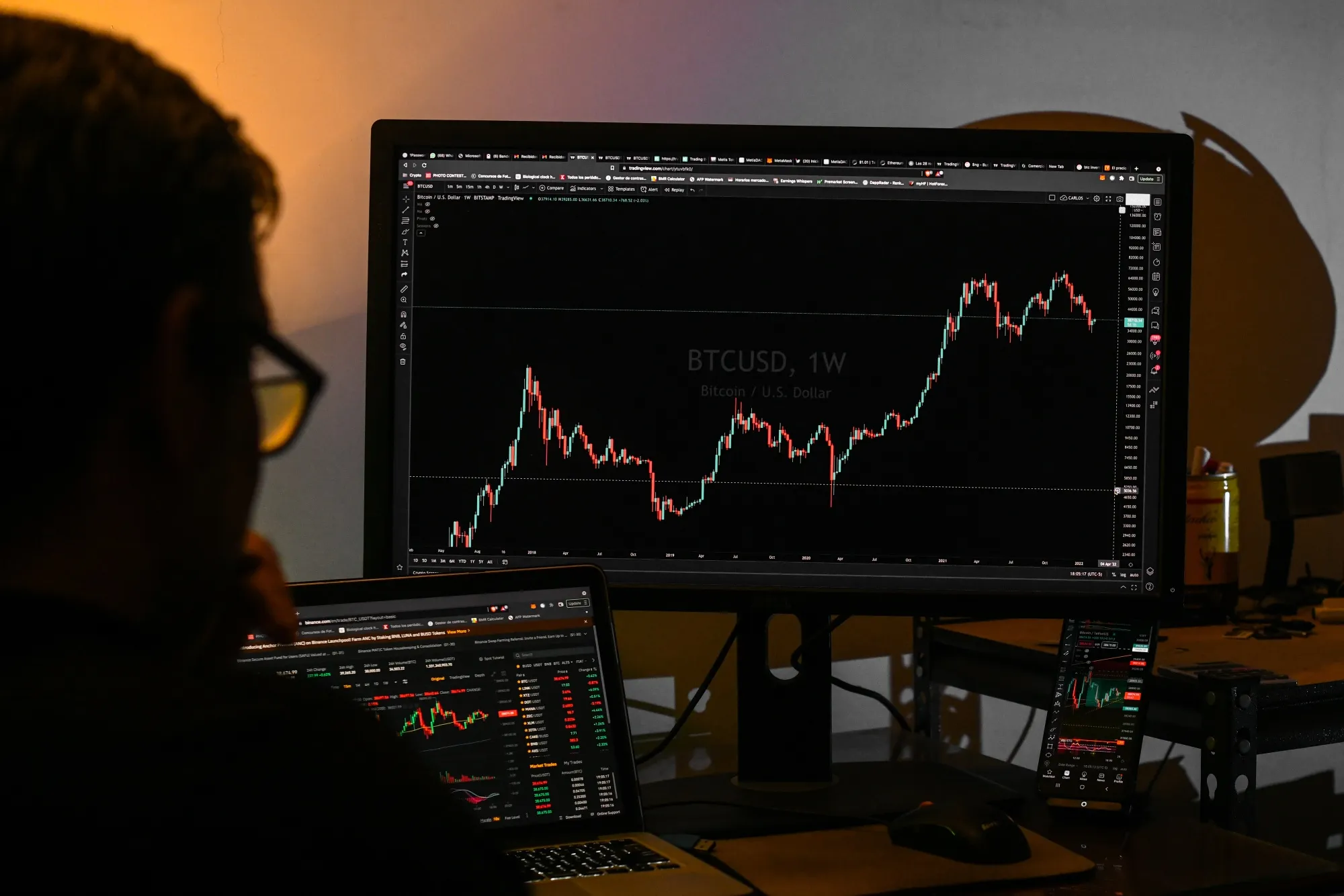
Howard’s resilience is often cited by industry observers. Rather than winding down or pivoting entirely, he oversaw a diversification of the firm’s offerings. By 2026, Brevan Howard remains an active participant in the hedge fund landscape, having expanded its repertoire to include digital asset strategies and venture capital investments through subsidiary vehicles. This expansion illustrates a strategic shift toward capturing value in newer, higher-growth sectors while maintaining the core macro engine that brought the firm to prominence.
Comparative Landscape: Macro Hedge Funds
To understand the position of Alan Howard within the industry, it is helpful to compare the role and structure of his firm against traditional investment vehicles.
| Feature | Brevan Howard (Macro Hedge Fund) | Traditional Mutual Fund |
|---|---|---|
| Strategy | Global Macro / Directional | Long-only / Benchmark-tracking |
| Instruments | Derivatives, Swaps, FX, Bonds | Primarily Equities/Fixed Income |
| Liquidity | Typically quarterly/annual lock-ups | Daily liquidity |
| Objective | Absolute return (regardless of market direction) | Relative return (beat a benchmark index) |
| Primary Risk | High leverage/Tail-event sensitivity | Market correlation risk |
Regulatory Environment and Operational Standards
As a manager of significant global assets, Alan Howard has operated under the scrutiny of major regulatory bodies, including the UK Financial Conduct Authority (FCA) and the US Securities and Exchange Commission (SEC). The hedge fund industry has seen significant changes in disclosure requirements and capital adequacy rules since the mid-2000s.
Operational excellence has been a mandatory component of Howard's success. This includes the implementation of rigorous internal controls, independent risk committees, and transparency standards that are necessary to maintain the trust of institutional clients. For investors, the "Alan Howard" brand is synonymous with high-level institutional infrastructure, providing a buffer against the operational risks that occasionally plague smaller, less-regulated investment managers.
Impact of Macro Trends on Investment Success
The success of macro hedge fund managers is inextricably linked to the macroeconomic cycles of their time. Howard’s career spans the era of quantitative easing, the post-2008 regulatory tightening, and the inflation spikes seen in the early 2020s.
- The Quantitative Easing Era: During this period, the suppression of yields made traditional bond trading difficult, forcing managers like Howard to find alternative sources of volatility.
- Post-Pandemic Inflation: The return of inflation in the 2020s provided a new impetus for macro trading, as central banks were forced to raise interest rates aggressively to combat price increases.
- The Rise of Digital Assets: Howard’s proactive stance on blockchain and digital asset technology toward the mid-2020s represents a pivot to "thematic" investing, signaling an adaptation to new technological paradigms in finance.
Frequently Asked Questions
What is Alan Howard’s primary investment style? Alan Howard is a global macro investor. This style involves analyzing large-scale economic factors like interest rates, inflation, and government policy to make directional bets on financial instruments such as bonds, currencies, and commodities.
Why is Brevan Howard considered a significant firm in the hedge fund industry? The firm is widely regarded for its "Master Fund," which gained notoriety for its ability to deliver positive returns during the 2008 financial crisis. It remains one of the largest and most sophisticated macro hedge fund managers globally.
How does Alan Howard manage risk in his funds? Risk management at Brevan Howard is characterized by tight stop-loss limits and a preference for asymmetric trades. The firm focuses on limiting drawdown during poor market conditions while maintaining the flexibility to capture high-conviction directional trends.
Does Alan Howard still actively manage the fund in 2026? While he transitioned from day-to-day management of the flagship fund to a more strategic, advisory, and "chief architect" role over the years, he remains a central figure in the firm's leadership, investment philosophy, and expansion into new areas like digital assets.
Is it possible for individual investors to invest with Alan Howard? Typically, no. Brevan Howard, like most large hedge funds, is structured as an investment vehicle for institutional investors (pension funds, endowments) and "qualified purchasers" or high-net-worth individuals who meet specific regulatory criteria regarding wealth and experience.
Conclusion and Next Steps
Alan Howard remains a benchmark for the global macro hedge fund manager archetype. His career demonstrates the importance of deep technical knowledge, a disciplined approach to risk, and the necessity of adapting to shifting economic realities. For those interested in the industry, tracking the evolution of firms like Brevan Howard provides a window into how institutional capital flows in response to global monetary shifts. Prospective investors or analysts should focus on researching the firm’s recent white papers or official investor communications for the most accurate insights into its current market positioning and strategic outlook.
Image Gallery