Navigating Waste Management Services at the Bartow County Solid Waste Facility in 2026
The Bartow County Solid Waste Facility serves as the primary municipal waste disposal site for residents and commercial entities operating within Bartow County, Georgia. This facility manages Class I and Class II waste streams, providi...
The Bartow County Solid Waste Facility serves as the primary municipal waste disposal site for residents and commercial entities operating within Bartow County, Georgia. This facility manages Class I and Class II waste streams, providing essential refuse disposal, recycling drop-off points, and specialized handling for materials not permitted in standard curbside residential collection programs.
Contents
Understanding the Operational Framework of the Bartow Landfill
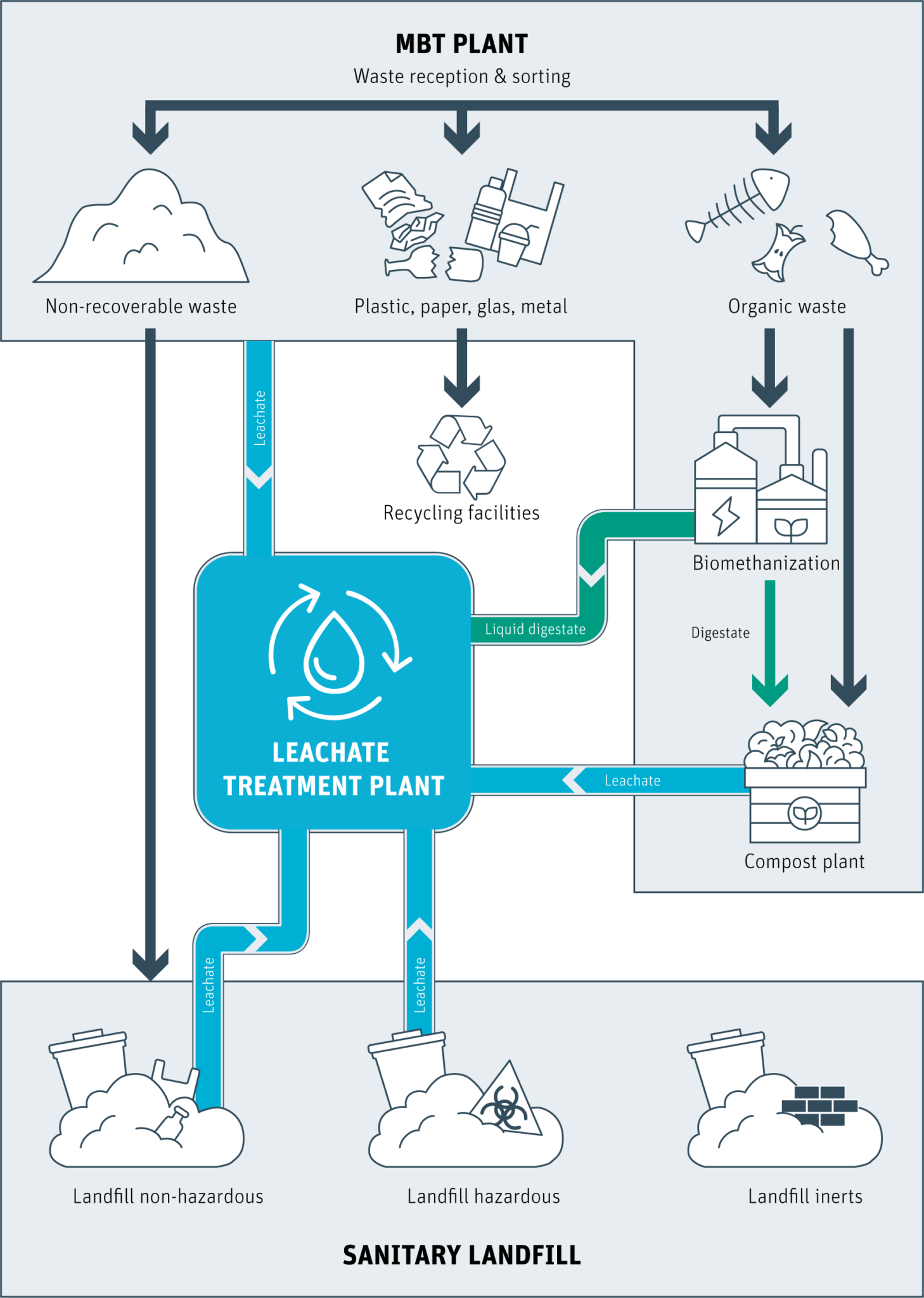
The Bartow County Solid Waste Facility operates under strict regulatory oversight mandated by the Georgia Environmental Protection Division (EPD). As a municipal-level operation, the landfill is tasked with the containment and management of solid waste in compliance with federal Subtitle D landfill standards. These standards are designed to protect local groundwater, manage methane emissions, and ensure the structural integrity of the site through engineered liners and leachate collection systems.
For residents and business owners navigating waste disposal in 2026, understanding the distinction between accepted and prohibited materials is the first step in successful disposal. The facility prioritizes safety and environmental stewardship, meaning that unauthorized materials are not merely a nuisance but a regulatory liability that can result in immediate rejection at the scale house.
Material Acceptance and Disposal Protocols
The Bartow landfill maintains a categorized intake process. Users must be prepared to present identification and proof of residency or commercial authorization upon entry. The classification of materials determines both the disposal process and the associated fee structures.
Accepted Materials
- Municipal Solid Waste (MSW): Standard household trash that does not meet the criteria for hazardous or prohibited waste.
- Construction and Demolition (C&D) Debris: Inert materials including wood, drywall, roofing, and concrete, provided they are free of hazardous contaminants.
- Yard Waste: Organic vegetative matter, including grass clippings, leaves, and branches, which are typically processed into mulch or compost.
- White Goods: Appliances like refrigerators and air conditioners, provided that refrigerants have been professionally removed and tagged as certified empty.
Prohibited or Restricted Items
- Hazardous Waste: Chemicals, solvents, pesticides, or reactive substances.
- Liquid Waste: Bulk liquids or sludge that exceed moisture content limits.
- Automotive Batteries: These require specialized collection through battery retailers or designated hazardous waste recycling days.
- Medical Waste: Sharps, biohazards, and pathological waste require specialized biomedical disposal services, not municipal landfilling.
Operational Costs and Fee Structures in 2026
As of the 2026 fiscal year, the Bartow County Solid Waste Facility utilizes a scale-based tipping fee system. Fees are calculated based on the net weight of the vehicle (the difference between the gross weight upon entry and the tare weight upon exit).
| Material Category | Fee Basis | Usage Requirement |
|---|---|---|
| Residential MSW | Per Ton/Minimum Fee | Must show valid Bartow County ID |
| Construction Debris | Per Ton | Commercial permit required |
| Yard Waste | Per Ton/Tipping Fee | Clean load (no plastic bags) |
| White Goods | Flat Fee per Item | Must be tagged for Freon removal |
Important Note on Payment Policies The facility requires payment via accepted credit cards or pre-authorized business accounts. Personal checks are generally not accepted at the point of scale. Residents should verify the current minimum weight fee on the day of their arrival, as inflation adjustments in 2026 may shift minor administrative costs for sub-ton loads.
Step-by-Step Guide to Utilizing the Facility
To ensure a smooth transition from your vehicle to the disposal face or drop-off zone, follow this standardized procedure:
- Preparation and Sorting: Load your vehicle by weight and material type. Place heavy construction debris near the cab to maintain vehicle balance. Segregate recyclables or yard waste from general trash to avoid contamination surcharges.
- Scale House Check-In: Upon arrival, proceed to the scale house. You will be required to stop, provide your identification, and state the nature of your load.
- Tare Weight Measurement: If you are a commercial hauler or carrying a significant load, your vehicle will be weighed before you are cleared to proceed to the designated disposal area.
- Directional Guidance: Follow the signage provided by the scale attendant. For high-volume days, be prepared for potential wait times at the disposal face.
- Unloading: Dispose of materials only in the areas designated for your specific waste category. Ensure all safety gear (such as high-visibility vests or heavy-duty gloves) is utilized, especially when navigating heavy equipment zones.
- Exit Weighing: Return to the scale house to finalize your transaction. Your net weight is calculated, and your final fee is assessed for payment.
Strategic Environmental Compliance and Safety Measures
Operating a landfill in 2026 involves more than simply compacting waste. The Bartow facility adheres to rigorous environmental monitoring. This includes quarterly groundwater testing to ensure that leachate—the liquid byproduct of waste decomposition—is not permeating into the surrounding soil.
For the user, this means strict adherence to "no-scavenging" policies. Removing items from the landfill is strictly prohibited, not only for security reasons but to prevent the accidental removal of items that may have been incorrectly disposed of and could pose a risk to the public.
Furthermore, the facility encourages the use of tarps for all open-bed vehicles. Failure to properly secure a load is a violation of local transport ordinances and can lead to significant fines, regardless of whether the waste is intended for the landfill.
Frequently Asked Questions
What identification is required to enter the Bartow Landfill?
You must present a valid government-issued photo ID that proves your residency or business operations within Bartow County. This allows the facility to maintain preferential pricing for local taxpayers compared to out-of-county commercial haulers.
Can I drop off household chemicals at the landfill?
No, the facility does not accept hazardous household chemicals. These must be taken to specialized collection events or authorized hazardous waste disposal facilities that possess the infrastructure to safely neutralize and store reactive chemical agents.
Is there a fee for recycling at the Bartow County facility?
Select recyclable materials may be dropped off at designated areas without a tipping fee, provided they are not mixed with MSW. Always check the current 2026 recycling directory to see if your materials—such as corrugated cardboard or aluminum—meet the purity standards required for recycling.
What should I do if my load contains both trash and construction debris?
You should sort your load into separate piles if possible. When checking in at the scale house, disclose both material types. Mixing waste types can lead to the entire load being charged at the higher, more expensive tipping rate associated with mixed debris.
Are there restrictions on vehicle type?
Most standard-sized trucks and trailers are permitted. However, extremely large tractor-trailers may require special scheduling or adherence to specific site traffic patterns. If you are operating a heavy-duty commercial vehicle, call the facility office at least 24 hours prior to your arrival.
Professional Recommendations for Efficient Waste Disposal
To minimize your time at the facility and reduce costs in 2026, prioritize pre-sorting your loads at the point of origin. Waste that arrives already categorized—for instance, keeping all wood in one segment and metal in another—drastically improves the efficiency of your unloading process and ensures compliance with sorting mandates.
If you are undertaking a large home renovation, consider the volume of your waste before committing to personal haulage. In many cases, renting a roll-off dumpster from a licensed contractor who manages the logistics of landfill disposal is more cost-effective than making multiple trips with a standard utility trailer. Ensure that any third-party hauler you hire is licensed to dispose of waste at the Bartow facility to guarantee that your refuse is managed in a legally and environmentally compliant manner.
Image Gallery