New York to Maryland Travel and Logistics Guide: Trains, Driving Routes, and Transit Options
Traveling from New York to Maryland covers roughly 190 to 220 miles along the Mid-Atlantic corridor, depending on your final destination. Amtrak high-speed rail offers the fastest downtown-to-downtown connection in 2.5 to 3 hours, whil...
Traveling from New York to Maryland covers roughly 190 to 220 miles along the Mid-Atlantic corridor, depending on your final destination. Amtrak high-speed rail offers the fastest downtown-to-downtown connection in 2.5 to 3 hours, while driving via the New Jersey Turnpike and Interstate 95 South typically takes 3.5 to 5 hours depending on departure time, tolls, and regional congestion.
Contents
Travel Distance and Key Geography Between New York and Maryland
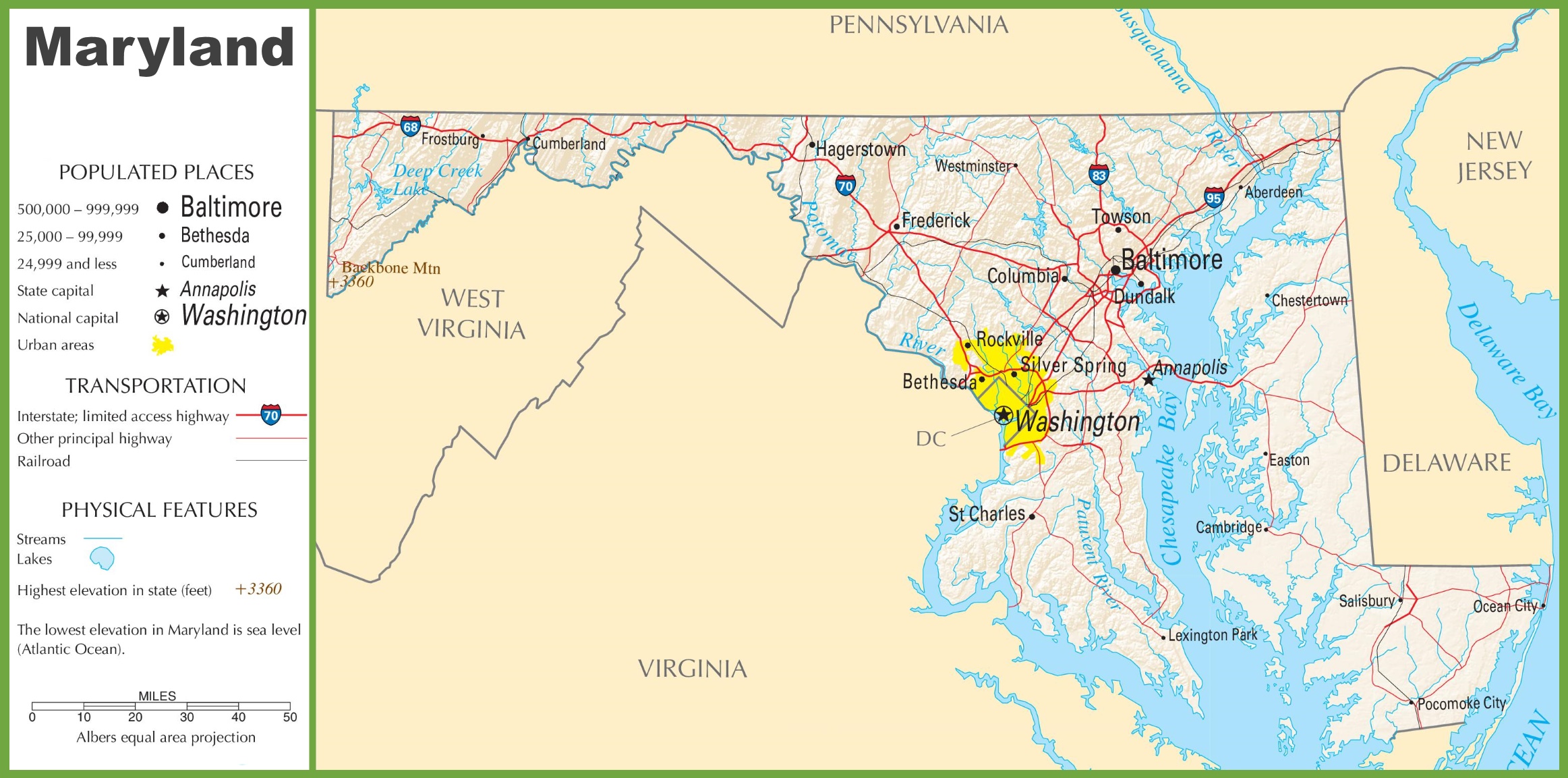
The trip between New York State (primarily New York City) and Maryland spans the heart of the Northeast Megalopolis. Geographically, travelers cross through New Jersey and Delaware before entering northeastern Maryland.
Distance varies significantly based on your origin borough in New York and your target municipality in Maryland:
- New York City to Baltimore, MD: ~192 miles (310 km)
- New York City to Annapolis, MD: ~215 miles (346 km)
- New York City to Silver Spring / Bethesda, MD (Montgomery County): ~210 miles (338 km)
- New York City to Ocean City, MD (Eastern Shore): ~235 miles (378 km)
- Albany, NY to Baltimore, MD: ~335 miles (539 km)
For most commuters and travelers, the corridor runs from Manhattan's Moynihan Train Hall at Penn Station down to major Maryland hubs including Baltimore Penn Station, BWI Thurgood Marshall Airport Station, and New Carrollton.
Transit Options Comparison: Train, Car, Flight, and Bus
Choosing the optimal transit mode depends on your priorities regarding travel time, cost, convenience, and total luggage. Below is a detailed technical comparison of the four primary modes of transportation connecting New York City and central Maryland.
| Transportation Mode | Average Travel Time | Estimated Cost Range (One-Way) | Primary Departure / Arrival Hubs | Key Advantages & Disadvantages |
|---|---|---|---|---|
| Amtrak Acela | 2 hrs 15 mins – 2 hrs 35 mins | $85 – $250+ | NY Moynihan / Penn Station to Baltimore Penn (BAL) | Pros: Fastest downtown option, power outlets, Wi-Fi, spacious seating.Cons: Higher ticket price if booked last-minute. |
| Amtrak Northeast Regional | 2 hrs 45 mins – 3 hrs 15 mins | $35 – $120 | NY Moynihan / Penn Station to BAL, BWI, or New Carrollton (NCR) | Pros: Frequent departures, budget-friendly, relaxed baggage policy.Cons: Slightly slower due to local stops. |
| Personal Vehicle (Driving) | 3 hrs 30 mins – 5 hrs | $45 – $75 (Gas + Tolls) | I-95 Corridor / NJ Turnpike | Pros: Maximum itinerary flexibility, room for cargo/family.Cons: High toll costs, unpredictable I-95 corridor congestion. |
| Intercity Express Bus | 4 hrs – 5 hrs 30 mins | $20 – $55 | Port Authority / Midtown NYC to Baltimore Downtown or Silver Spring | Pros: Lowest cost, direct point-to-point lines available.Cons: Susceptible to highway delays, basic amenities. |
| Commercial Air Travel | 1 hr 15 mins (Flight Time); 3.5+ hrs (Door-to-Door) | $90 – $300 | EWR / LGA / JFK to BWI | Pros: Good connection for international transfers at BWI/EWR.Cons: Airport security delays, transit time to airports cancels flight speed. |
Taking the Train: Amtrak Northeast Regional vs. Acela
Rail transit is widely considered the gold standard for traveling between Manhattan and central Maryland due to direct center-city departures and freedom from highway traffic delays.
- MOYNIHAN TRAIN HALL (NYC)
- NJ TRANSIT TRACKS
- NEWARK PENN STATION (NJ)
- PHILADELPHIA 30TH ST (PA)
- WILMINGTON STATION (DE)
- MARYLAND STATIONS
- BALTIMORE PENN STATION (BAL)
- BWI MARSHALL AIRPORT STATION (BWI)
- NEW CARROLLTON STATION (NCR / DC METRO CONNECT)
Departure Points in New York
All intercity Amtrak services depart from Moynihan Train Hall at Penn Station in Midtown Manhattan. Travelers located in Queens or Brooklyn can reach Moynihan via the LIRR or MTA Subway (A, C, E, 1, 2, 3 lines). Upstate travelers can take Empire Service lines directly into Penn Station.
Maryland Arrival Stations
Amtrak serves three major stations in central and southern Maryland:
- Baltimore Penn Station (BAL): Located in Midtown Baltimore, providing immediate access to the MARC Penn Line, Baltimore Light Rail Link, and local rideshare routes.
- BWI Thurgood Marshall Airport Station (BWI): Located adjacent to the airport with free shuttle buses to terminals, serving Anne Arundel County and regional commuters.
- New Carrollton (NCR): Located in Prince George’s County, providing direct connections to the Washington Metro Orange Line and MARC train services, ideal for reaching southern Maryland and Suburban DC.
Pro Tip for Commuters: Booking Amtrak tickets at least 14 to 21 days in advance yields the lowest "Value" tier fares. Acela offers strictly Business and First-Class seating, while the Northeast Regional offers Coach and Business Class options.
Driving from New York to Maryland: Routes, Tolls, and Traffic Strategy
Driving provides flexibility, particularly if your target destination is in suburban Maryland (such as Howard, Montgomery, or Harford Counties) or the Eastern Shore.
Primary Driving Route: Interstate 95 Corridor
The standard, most direct driving route follows Interstate 95 South:
- Exit NYC: Take the Lincoln Tunnel, Holland Tunnel, or George Washington Bridge to enter New Jersey.
- New Jersey Turnpike (I-95 S): Drive south along the NJ Turnpike for approximately 112 miles to the southern terminus near Wilmington, Delaware.
- Delaware Expressway (I-95 S): Cross the Delaware Memorial Bridge or remain on I-95 South past Wilmington, crossing the Delaware-Maryland state line near Elkton, MD.
- John F. Kennedy Memorial Highway (I-95 S in MD): Continue south through Cecil and Harford counties straight into Baltimore or toward the I-495 Capital Beltway.
Toll Costs and Interoperability
Tolls along this corridor are substantial and almost entirely automated via open-road electronic tolling.
- E-ZPass Integration: Maryland, Delaware, New Jersey, and New York operate under the unified E-ZPass network. A NY E-ZPass transponder works seamlessly across all toll facilities in Maryland.
- Major Toll Points:
- NYC River Crossings (Outbound from Manhattan): $13.38–$17.63 (depending on peak status and E-ZPass type).
- New Jersey Turnpike (Exit 14/16 to Exit 1): ~$18.00–$22.00 (E-ZPass rate).
- Delaware Memorial Bridge / I-95 Delaware Toll: ~$6.00 + $4.00.
- Maryland I-95 Line (JFK Highway Toll at Perryville): ~$6.00 (southbound only).
- Baltimore Tunnels (Fort McHenry I-95 or Harbor Tunnel I-895): ~$3.00–$4.00.
Traffic Bottlenecks and Timing Strategy
To avoid severe multi-hour delays along the Northeast corridor, avoid driving during these peak congestion windows:
- Weekday Morning Peak: 6:30 AM – 9:30 AM (especially near Newark, NJ, Philadelphia, and northbound into Baltimore).
- Weekday Evening Peak: 3:30 PM – 7:00 PM (heavy delays surrounding the NJ Turnpike Exit 8A to Exit 4, and the I-95/I-495 junction in MD).
- Friday Afternoons: Heavy recreational travel outbound from NYC toward Maryland beaches and Washington D.C.
Navigation Note on Baltimore Routing: Following major infrastructure updates along the Baltimore Outer Loop (I-695), long-haul highway traffic through Baltimore should utilize either the Fort McHenry Tunnel (I-95) or the Baltimore Harbor Tunnel (I-895). Note that vehicles transporting hazardous materials are strictly prohibited in both tunnels and must detour via the western side of I-695.
Intercity Bus and Flight Options
Express Bus Services
Intercity buses present an economical alternative to rail transit. Carriers such as Greyhound, FlixBus, Megabus, and Peter Pan operate daily schedules between Midtown Manhattan and Maryland hubs.
- Departure Points: Port Authority Bus Terminal (8th Ave & 42nd St) or dedicated street side pickups (e.g., 34th St near Penn Station).
- Maryland Drop-offs: Baltimore Downtown (Bus Hub near University of Maryland Medical Center), White Marsh Park & Ride, Silver Spring Transit Center, and Bethesda.
- Travel Duration: 4 hours under ideal conditions; can exceed 5.5 hours during peak holiday traffic.
Direct Air Travel
Direct flights connect New York area airports (John F. Kennedy International - JFK, LaGuardia - LGA, and Newark Liberty - EWR) with Baltimore/Washington International Thurgood Marshall Airport (BWI).
While actual flight time is only around 65 to 75 minutes, total travel time—factoring in TSA security lines, early airport arrival requirements, and transit to downtown destinations—frequently exceeds 3.5 to 4 hours. Flying is generally recommended only for passengers making international or long-haul domestic connections at regional hub airports.
Relocation Considerations: Moving from NY to MD
If you are relocating permanently from New York to Maryland, several logistical, administrative, and tax shifts require advance preparation.
Tax Structure Differences
Moving your primary residence from New York State to Maryland changes your tax obligations significantly:
- State Income Tax: New York's progressive state income tax ranges from 4% to 10.9%. Maryland's state income tax ranges from 2% to 5.75%.
- Local/County Income Tax: Unlike New York (where only NYC and Yonkers levy local income taxes), all 23 Maryland counties plus Baltimore City levy a mandatory local income tax (piggyback tax) ranging from 2.25% to 3.20%. You must factor local county rates into your net income planning.
- Property Taxes: Maryland’s effective real estate tax rate averages around 1.05%, which is generally lower than suburban Long Island, Westchester, or Upstate NY, though local rates vary by county.
Vehicle Registration and Driver Licensing
The Maryland Department of Transportation Motor Vehicle Administration (MDOT MVA) enforces strict deadlines for new residents:
- Driver's License Exchange: You must convert your New York driver's license to a Maryland driver's license within 60 days of establishing residency.
- Vehicle Titling and Registration: Vehicles brought into Maryland must be registered within 60 days.
- Mandatory Safety Inspection: Unlike New York’s annual safety and emissions inspection, Maryland requires a one-time, highly comprehensive Maryland Safety Inspection conducted by an authorized state inspection station before a used vehicle can be registered.
Important MVA Requirement: Ensure you obtain a Maryland Safety Inspection certificate before attempting to register your vehicle online or at an MVA branch. Temporary registration tags can be issued if the vehicle requires repair to pass inspection.
Frequently Asked Questions
What is the fastest way to travel from NYC to Baltimore, Maryland?
The Amtrak Acela train is the fastest option, completing the journey from Manhattan’s Moynihan Train Hall to Baltimore Penn Station in approximately 2 hours and 15 minutes. It bypasses highway traffic entirely and drops passengers directly in downtown Baltimore.
How much are tolls when driving from New York to Maryland?
One-way toll costs for a standard passenger car using an E-ZPass range between $35 and $50, depending on the specific NYC exit crossing used and whether peak pricing applies on the New Jersey Turnpike. Cash or Pay-by-Plate rates are significantly higher.
Does a New York E-ZPass work on Maryland toll roads?
Yes. New York and Maryland are both members of the E-ZPass Interoperability Group. Your NY E-ZPass transponder will automatically work on the New Jersey Turnpike, Delaware Turnpike, Maryland I-95, the Fort McHenry Tunnel, and the Chesapeake Bay Bridge.
What is the driving distance between New York City and Maryland?
The distance varies based on the city. From NYC to the Maryland state line near Elkton is approximately 140 miles. From NYC to downtown Baltimore is roughly 192 miles, while traveling to suburban Washington D.C. (Montgomery County, MD) is about 210 miles.
Is taking the train cheaper than driving from NY to MD?
If traveling alone and booking Amtrak tickets 2 to 4 weeks in advance, rail travel ($35–$65 one-way on Northeast Regional) is comparable to or cheaper than driving when factoring in gas ($25–$35) and tolls ($35–$50). However, for groups or families of three or more, driving a single vehicle is generally more cost-effective.
Final Travel Planning Recommendations
For business travelers prioritizing speed and productivity, Amtrak Acela or Northeast Regional rail service provides an unbeatable combination of central location access, zero security lines, and integrated workspace utilities.
For leisure travelers, families, or individuals relocating heavy luggage, driving via the I-95 / NJ Turnpike corridor remains the most flexible choice. To maximize efficiency when driving, equip your vehicle with an active E-ZPass, schedule departure times outside the weekday 3:30 PM to 7:00 PM rush hour window, and utilize real-time traffic applications to navigate dynamic bridge and tunnel conditions across the Mid-Atlantic corridor.
Image Gallery