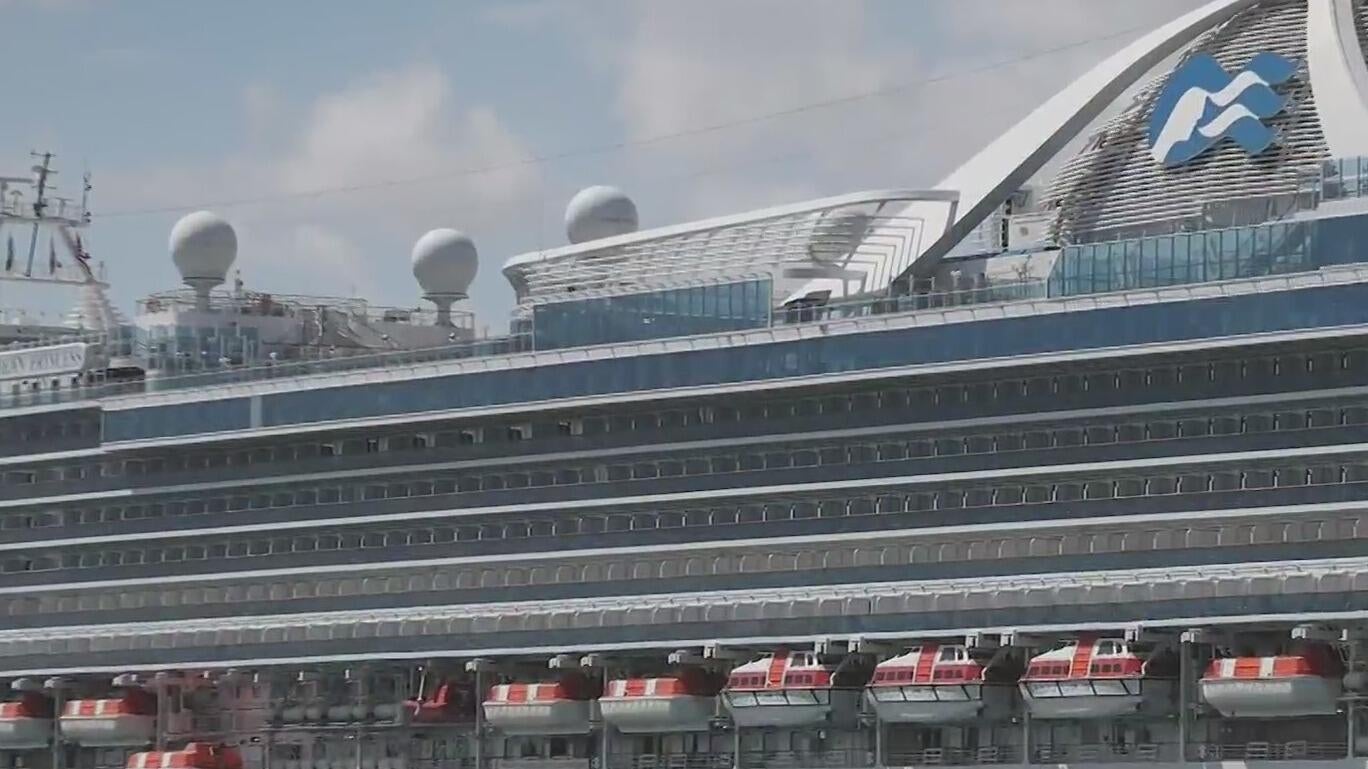
Understanding Norovirus on Princess Cruise Ships: Outbreak Protocols, Prevention, and Guest Guidance
Norovirus outbreaks on Princess Cruise ships are managed through strict public health protocols monitored by the U.S. Centers for Disease Control and Prevention (CDC) Vessel Sanitation Program (VSP). Management relies on immediate stat...
Norovirus outbreaks on Princess Cruise ships are managed through strict public health protocols monitored by the U.S. Centers for Disease Control and Prevention (CDC) Vessel Sanitation Program (VSP). Management relies on immediate stateroom isolation for symptomatic guests, elevated environmental sanitation using specialized disinfectants, and operational adjustments to dining facilities to stop viral transmission across high-density maritime environments.
Contents
Disclaimer: This article is for informational purposes only and does not constitute formal medical or legal advice. Travelers experiencing severe gastrointestinal symptoms should seek immediate care from qualified onboard or onshore medical professionals.
What Is Norovirus and Why It Spreads in Maritime Environments
Norovirus is a highly contagious virus that causes acute gastroenteritis, an inflammation of the stomach and intestinal lining. Symptoms typically appear 12 to 48 hours after exposure and include sudden onset of severe vomiting, watery non-bloody diarrhea, abdominal cramps, nausea, low-grade fever, and body aches. While most healthy individuals recover within 1 to 3 days without long-term complications, the primary medical risk is severe dehydration, particularly in elderly passengers, young children, and individuals with underlying medical conditions.
Transmission Route: Viral Shedding -> High-Touch Surfaces / Contaminated Food -> Oral Ingestion
Cruise ships present a unique epidemiological challenge for gastrointestinal pathogens. Ships operate as closed environments where thousands of passengers and crew members interact in shared spaces, including dining rooms, theaters, elevators, and pool decks. Norovirus is particularly resilient due to four key biological features:
- Low Infectious Dose: Ingestion of as few as 18 viral particles can trigger a full infection, compared to thousands of cells required for many bacterial pathogens.
- High Shedding Volume: Infected individuals shed billions of viral particles in their stool and vomit, both during the acute illness phase and for days after symptoms resolve.
- Environmental Resistance: As a non-enveloped capsid virus, norovirus is highly resistant to freezing, temperatures up to 140°F (60°C), and standard alcohol-based hand sanitizers.
- Surface Stability: The virus can remain infectious on hard surfaces, upholstery, and carpets for days or even weeks if proper hospital-grade disinfectants are not applied.
The CDC Vessel Sanitation Program and Princess Cruise Line Standards
Public health onboard Princess Cruise ships operating in or visiting U.S. waters is overseen by the CDC’s Vessel Sanitation Program (VSP). Established to assist the cruise industry in preventing and controlling the transmission of gastrointestinal illnesses, the VSP conducts unannounced operational inspections on ships carrying 13 or more passengers.
Reporting Thresholds: [2.0% GI Cases] ---> Mandatory CDC Notification [3.0% GI Cases] ---> Official CDC Outbreak Investigation & Public Tracking
Princess Cruises operates under strict USPH (United States Public Health) and VSP standards. Maritime health regulations mandate specific monitoring and reporting operational thresholds:
The 2 Percent Notification Threshold
When 2 percent of the combined passenger or crew population on a voyage reports symptoms of gastrointestinal illness (GI) to the medical center, the ship's senior staff must immediately notify the CDC VSP. At this stage, the ship initiates heightened internal sanitation measures.
The 3 Percent Outbreak Threshold
If the proportion of ill passengers or crew reaches 3 percent, the CDC officially classifies the situation as an outbreak. The CDC then posts the voyage on its public GI Illness Outbreak list. At this level, an onboard CDC epidemiologist or public health consultant may be assigned to assist ship leadership, evaluate control measures, and collect clinical specimens for laboratory confirmation.
Princess ships implement a multi-tiered Gastrointestinal Illness Plan (GIP) that activates elevated sanitation actions well before reaching these federal reporting thresholds, ensuring proactive containment of potential outbreaks.
Onboard Mitigation: Elevated Sanitation and Operational Changes
When elevated cases of norovirus or non-specific gastroenteritis are detected on a Princess Cruise vessel, the ship transitions from standard cleaning operations to heightened containment protocols. These operational modifications are designed to break the chain of viral transmission across high-touch public areas.
Operational Sanitation Tiers: Standard Tiers ---> Hand hygiene stations & routine cleaning Elevated Tiers ---> Crew-served buffets & accelerated hard-surface wiping Outbreak Tiers ---> Deep sanitization, venue restrictions & enhanced turnarounds
Transition to Crew-Served Buffets
The primary vector for indirect contact transmission in cruise dining areas is shared self-service utensils, such as tongs, spoons, and ladles. Under elevated protocols, Princess ship dining venues—such as the World Fresh Market or Horizon Court—eliminate guest self-service. Crew members serve all food and beverage items directly to passengers, preventing cross-contamination of utensils. High-touch items such as salt and pepper shakers, condiment bottles, and bread baskets are removed from tables and replaced with single-use, pre-packaged options.
Environmental Disinfection Procedures
Standard commercial cleaning agents are often ineffective against non-enveloped viruses. Princess response protocols require the use of Environmental Protection Agency (EPA)-registered, hospital-grade disinfectants proven effective against norovirus (such as accelerated hydrogen peroxide or sodium hypochlorite solutions).
Housekeeping crews implement accelerated wiping schedules for high-touch surfaces, including:
- Elevator buttons, handrails, and stairwell banisters
- Public restroom door handles and faucets
- Reception desks, shore excursion counters, and casino gaming tables
- Interactive touchscreens and digital signage units
Turnaround Deep-Cleaning Operations
If a voyage experiences an outbreak, the ship undergoes an intensive turnaround deep-cleaning process upon reaching port. Embarkation for the subsequent voyage may be delayed by several hours to allow technical sanitation teams to fog public spaces, deep-clean soft furnishings using electrostatic sprayers, and sanitize every guest stateroom prior to new boarding procedures.
Mandatory Isolation and Medical Protocols for Sick Passengers
Early reporting of symptoms is critical to controlling viral spread aboard a ship. Princess Cruises maintains established medical center protocols to assess, treat, and isolate infected guests.
Reporting Symptoms -> Free Medical Evaluation -> Mandatory Stateroom Isolation -> Symptom-Free Clearance
Reporting Illness and Onboard Medical Assessment
Guests experiencing symptoms of gastroenteritis are required by cruise contract guidelines to contact the ship’s medical center immediately by telephone from their staterooms. Ships maintain fully equipped medical centers staffed by licensed doctors and nurses. To encourage early reporting and prevent ill guests from walking through public corridors to reach the clinic:
- Princess Cruises provides complimentary medical consultations and basic symptom evaluations for guests reporting symptoms consistent with gastrointestinal illness.
- Medical staff provide oral rehydration solutions, antiemetics, and anti-diarrheal medications as clinically indicated.
Stateroom Isolation Guidelines
If an onboard physician diagnoses a passenger with suspected norovirus or acute gastroenteritis, the passenger is placed under mandatory stateroom isolation. The standard isolation period typically requires the passenger to remain inside their stateroom until they have been completely free of symptoms (no vomiting or diarrhea) for 24 to 48 hours, depending on specific CDC and medical staff direction.
During isolation:
- Stateroom Confinement: Isolated guests may not leave their room, access public balconies, or enter public areas.
- Complimentary Services: Princess provides isolated guests with free room service, room amenities, complimentary movie programming, and free Wi-Fi access to maintain communication with family and onboard staff.
- Travel Companions: Cabin mates of isolated guests are monitored closely. If they remain asymptomatic, their activities may be restricted depending on medical assessment, or they may be asked to practice strict hygiene protocols.
- Specialized Housekeeping: Isolation staterooms receive dedicated sanitation protocols. Linens and towels are handled as biohazardous material and processed separately at high thermal sanitization settings.
Effective Prevention Strategies for Cruise Passengers
While Princess Cruises enforces rigorous institutional sanitation, individual passenger hygiene remains the most effective defense against norovirus infection.
Best Practice: Warm Water + Soap + 20-Second Scrubbing (Friction destroys physical viral attachment)
Handwashing vs. Alcohol Sanitizers
A common misconception among cruise passengers is that alcohol-based hand sanitizer gel provides complete protection against norovirus. Because norovirus lacks a viral lipid envelope, alcohol molecules cannot easily penetrate or disrupt the virus's outer protein shell.
- Primary Prevention: Thorough handwashing with soap and running warm water for at least 20 seconds is required. The physical friction of handwashing dislodges viral particles from the skin, allowing them to be rinsed away.
- Secondary Prevention: Alcohol-based hand sanitizers (containing at least 60% ethyl alcohol) should be used as a secondary measure when soap and water are physically unavailable, but they cannot replace proper handwashing.
Personal Safety Recommendations Onboard
- Wash Hands Frequently: Always wash hands before eating, drinking, or touching your face, and immediately after using restrooms, touching public stair rails, or returning to your stateroom.
- Use Paper Towels or Knuckles: Use paper towels or your knuckle/elbow to press elevator buttons or open public bathroom doors after washing hands.
- Avoid Touching Public Food Utensils Directly: Where self-service remains active, use hand sanitizer immediately after handling communal serving tongs and before eating.
- Stay Hydrated: Drink bottled or purified shipboard water to remain hydrated throughout the voyage.
- Report Symptoms Immediately: Do not try to "tough it out" or hide symptoms to avoid missing port visits. Suppressing illness exposes fellow passengers and crew to severe health risks.
Overview of Public Health Response Stages
The following table summarizes how cruise line procedures shift across different public health alert levels during a voyage:
| Response Level | Trigger Condition | Operational Adjustments | Passenger Impact & Actions |
|---|---|---|---|
| Standard Operations | Baseline operations (GI cases < 2% of population) | Continuous surface sanitization; standard automated hand hygiene stations operational. | Practice routine handwashing with soap and warm water; report GI symptoms promptly. |
| Elevated Alert | Internal case increase or CDC Notification threshold reached (2% threshold) | Transition buffet dining to full crew-service; remove shared condiment bottles; accelerate high-touch wiping schedules. | Wash hands before entering all dining venues; follow crew directives in buffets. |
| Outbreak Response | Formal outbreak threshold reached (3% threshold reported to CDC) | Institutional deep-cleaning protocols; electrostatic spraying; modification of high-density onboard events. | Mandatory stateroom isolation for symptomatic guests (24–48 hours symptom-free); free room service provided. |
| Turnaround Deep Clean | Vessel arrives at port following an outbreak voyage | Delayed embarkation; hospital-grade fogging of public venues, HVAC sanitization, and total stateroom disinfection. | Arrive at port only at assigned rescheduled boarding times; expect enhanced health screening prior to boarding. |
Passenger Rights, Travel Insurance, and Booking Policies
An unexpected illness can disrupt travel plans. Understanding your options regarding travel protection, onboard credits, and cruise line policies ensures financial and logistical clarity.
Pre-Cruise Illness ---> Contact Cruise Line / File Travel Insurance Claim Onboard Isolation ---> Receive Free Medical Evaluation + Pro-Rated Cruise Credits (Subject to Policy)
Pre-Boarding Illness Policies
Passengers who develop gastroenteritis symptoms within 48 hours prior to embarkation should not attempt to board the ship. Boarding with an active infection risks initiating a shipwide outbreak. Princess Cruises enforces a pre-embarkation health questionnaire during check-in. If you declare symptoms:
- You will undergo a secondary screening by an onboard medical professional at the terminal.
- If denied boarding for public health safety, Princess typically offers future cruise credits (FCC) or assists in processing claims through their cruise protection plans, depending on the terms of your booking contract.
Onboard Compensation and Pro-Rated Credits
When a guest is subjected to mandatory stateroom isolation by order of the ship’s senior doctor, Princess Cruises frequently provides a pro-rated Future Cruise Credit (FCC) or refundable onboard credit for the days lost during isolation. This policy is designed to ensure guests report symptoms transparently without fearing financial loss.
The Role of Travel Protection
Private travel insurance or cruise protection plans (such as Princess Vacation Protection) provide essential financial coverage for medical emergencies and trip interruptions. Key coverage components include:
- Trip Interruption Coverage: Reimburses the unused, non-refundable portion of the cruise fare if you are isolated or disembarked early due to covered medical reasons.
- Medical Expense Benefits: Covers out-of-pocket costs for emergency room care or medical evacuations if illness escalates beyond onboard care capabilities.
- Delay Coverage: Covers unexpected hotel, meal, and rebooked flight costs if vessel turnaround delays cause missed connection flights.
Always retain copies of onboard medical center receipts, official isolation letters from the medical staff, and logs of expenses when filing claims with your insurance provider.
Frequently Asked Questions
Can I get norovirus on a cruise ship if I only eat at specialty restaurants?
Yes. While buffets are common transmission sites due to shared utensils, norovirus is primarily spread through direct person-to-person contact and high-touch surfaces like door handles, elevator buttons, and handrails. Eating exclusively in specialty restaurants does not eliminate exposure risks if proper hand hygiene is not maintained.
Does Princess Cruises charge guests for medical visits if they have norovirus?
Princess Cruises typically waives the basic consultation fee for passengers who proactively report symptoms of acute gastrointestinal illness to the ship’s medical center. This encourages early reporting to protect public health. However, charges may apply for unrelated conditions or specialized interventions; check with the onboard medical center staff for exact policy details.
Why doesn't hand sanitizer gel stop norovirus outbreaks on ships?
Norovirus is a non-enveloped virus, meaning it lacks an outer lipid membrane. Alcohol-based hand sanitizers work primarily by dissolving lipid membranes. Because norovirus has a tough protein shell (capsid), alcohol sanitizers are significantly less effective at neutralizing it than physical handwashing with soap and warm water, which lifts and rinses the virus away.
What happens if an outbreak occurs right before my scheduled cruise?
If the ship's previous voyage experienced a norovirus outbreak, Princess Cruises will notify embarking passengers of a delayed check-in schedule. This extra time allows sanitation crews to perform a thorough, multi-hour deep cleaning and chemical disinfection of all staterooms and public spaces before new guests board.
Can I leave my stateroom if my partner is isolated for norovirus?
If your travel partner is isolated with norovirus, medical staff will assess your condition. If you show no symptoms, you may be permitted to leave the room, though you will be instructed to monitor yourself closely, practice rigorous hygiene, and report symptoms at the first sign of illness. In some circumstances, medical staff may request that close contacts limit high-risk activities.
Recommended Next Steps for Travelers
To ensure a safe, healthy, and stress-free cruise experience on Princess Cruises:
- Pack Essential Health Items: Include a personal supply of soap, prescription medications, rehydration salts, and an EPA-registered disinfectant spray or wipe labeled effective against norovirus for stateroom touchpoints.
- Purchase Comprehensive Travel Insurance: Select a policy that includes robust trip interruption and medical coverage specifically designed for cruise travel.
- Prioritize Hand Hygiene: Make thorough 20-second handwashing with warm water and soap your primary habit after touching shared surfaces and prior to all meals.
- Report Symptoms Immediately: If you or a family member experience nausea, vomiting, or diarrhea onboard, call the medical center immediately to receive prompt care and help protect fellow passengers.
Image Gallery